Diwali Celebrations in Washington DC
Diwali Celebrations in Washington DC: A Comprehensive Guide to the Festival of Lights in the Nation's Capital Washington DC, the heart of American democracy…
Diwali Celebrations in Washington DC: A Comprehensive Guide to the Festival of Lights in the Nation's Capital Washington DC, the heart of American democracy…
Diwali Celebrations in Washington DC: A Comprehensive Guide to the Festival of Lights in the Nation's Capital
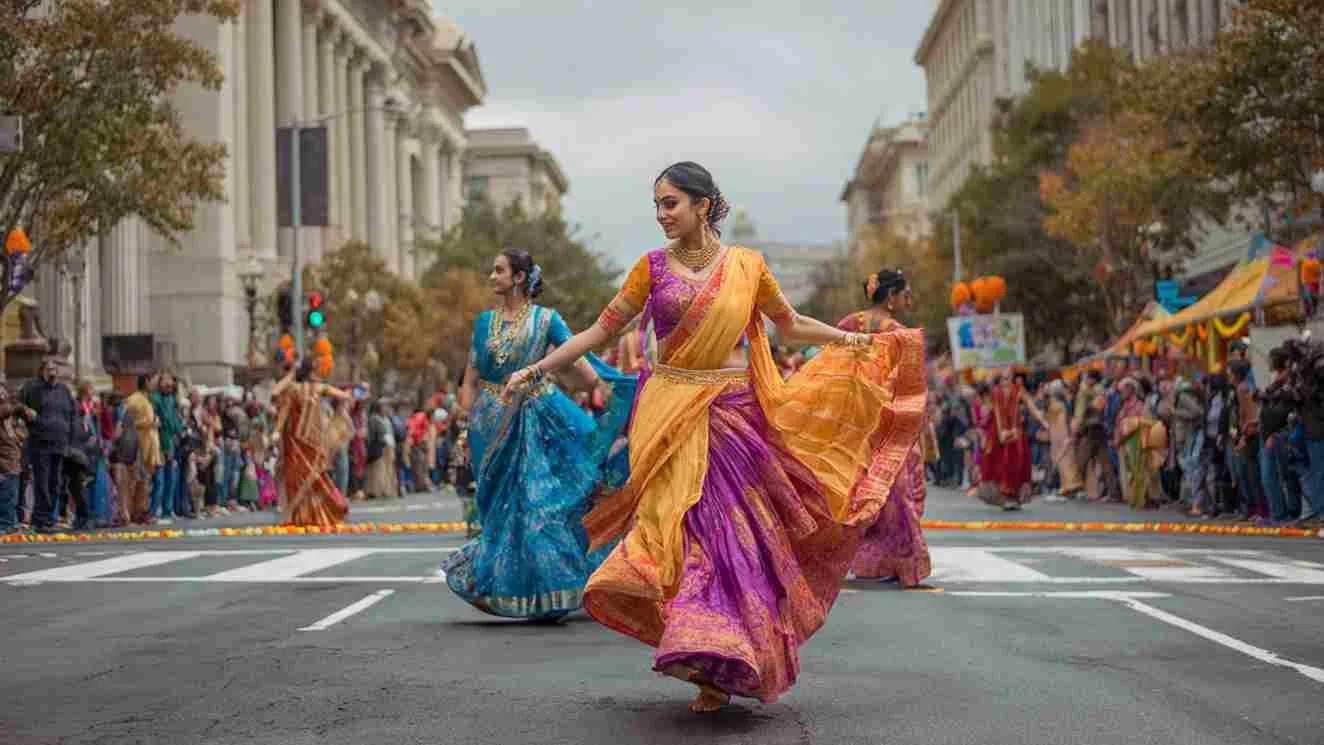
Washington DC, the heart of American democracy and a melting pot of cultures, transforms into a vibrant hub of lights, colors, and joy during Diwali. Known as the Festival of Lights, Diwali is one of the most significant Hindu festivals, symbolizing the triumph of good over evil, light over darkness, and knowledge over ignorance. Celebrated by Hindus, Sikhs, Jains, and Buddhists alike, it brings together diverse communities in the DC area, including the over 100,000 South Asians residing in suburbs like Fairfax, Arlington, and Rockville—often referred to as "Little India." In 2025, with Diwali falling on October 20, the celebrations in DC blended traditional rituals with modern American flair, creating a unique cultural tapestry that reflects the city's multicultural ethos.
This guide delves deeply into how Diwali is celebrated in Washington DC, covering everything from historical context and community involvement to specific events, traditions, food, decorations, and the broader societal impact. Whether you're a local resident, a visitor, or part of the diaspora, understanding these celebrations offers insight into the enduring spirit of unity and prosperity that Diwali embodies.
The Significance of Diwali: Roots and Relevance in Modern DC
Diwali, or Deepavali, derives from the Sanskrit words "deepa" (lamp) and "avali" (row), literally meaning "a row of lamps." It spans five days, each with its own rituals and meanings, rooted in ancient Hindu epics like the Ramayana and Mahabharata. The core story revolves around Lord Rama's return to Ayodhya after defeating the demon king Ravana, where the people lit lamps to guide him home. For Sikhs, Diwali commemorates the release of Guru Hargobind from imprisonment, while Jains celebrate Lord Mahavira's attainment of nirvana. Buddhists mark Emperor Ashoka's conversion to Buddhism on this day.
In Washington DC, Diwali's themes of light overcoming darkness resonate deeply in a city that symbolizes freedom and enlightenment. The festival's emphasis on renewal aligns with American values of hope and resilience, especially in a politically charged environment. For the Indian diaspora, it's a way to preserve cultural heritage while integrating into American society. Many families in DC view Diwali as an opportunity to teach younger generations about their roots, fostering a sense of identity amid the hustle of urban life.
The five days of Diwali in 2025 were observed as follows, adjusted for Eastern Daylight Time (EDT) based on traditional panchang (Hindu calendar) timings:
- Dhanteras (October 18): Dedicated to wealth and prosperity. Families cleaned homes, bought new utensils or gold, and performed Lakshmi Puja. In DC, shopping sprees occurred in areas like Fairfax, where Indian stores stocked up on festive items.
- Naraka Chaturdashi or Choti Diwali (October 19): Marking the defeat of the demon Narakasura by Lord Krishna. People lit early lamps and prepared for the main day.
- Lakshmi Puja or Main Diwali (October 20): The pinnacle, with prayers to Goddess Lakshmi for prosperity. Homes glowed with diyas (clay lamps), and fireworks lit the night sky where permitted.
- Govardhan Puja or Padwa (October 21): Honoring Lord Krishna's lifting of Govardhan Hill. Families prepared elaborate meals symbolizing abundance.
- Bhai Dooj (October 22): Celebrating sibling bonds, with sisters applying tilak (vermilion) on brothers' foreheads and exchanging gifts.
These days were marked by a blend of private family rituals and public events, making DC's celebrations inclusive and expansive.
Historical Evolution of Diwali in Washington DC
Diwali celebrations in DC have grown from modest home gatherings in the mid-20th century to grand public spectacles today. The influx of Indian immigrants post-1965 Immigration Act laid the foundation. Early celebrations were centered around temples like the Sri Siva Vishnu Temple in Lanham, Maryland, which hosted the first large-scale Diwali mela (fair) in the 1980s.
By the 2000s, Diwali gained official recognition. In 2003, the White House hosted its first Diwali event under President George W. Bush, a tradition continued by subsequent administrations. In 2025, President issued a message emphasizing light's victory over darkness, echoing themes of unity. Congressional Diwali celebrations, often co-hosted by organizations like the Hindu American Foundation (HAF), Indiaspora, and BAPS Swaminarayan Sanstha, have become staples. These events draw hundreds, including lawmakers like Nancy Pelosi and Tulsi Gabbard in past years, highlighting Diwali's role in fostering Indo-US ties.
The DMV (DC, Maryland, Virginia) area's South Asian population boom—driven by tech professionals in Northern Virginia and government workers in DC—has amplified celebrations. Suburbs like Chantilly and Herndon host massive fairs, while urban DC focuses on cultural programs at museums and embassies.
Major Diwali Events in Washington DC for 2025
2025 saw a plethora of events, from free public festivals to ticketed galas, ensuring accessibility for all. Here's a detailed rundown:
Smithsonian National Museum of Asian Art's Asia After Dark: Diwali Festival
One of the premier events, held on October 24 at the Freer Gallery (1050 Independence Ave SW). This after-hours celebration lit up the museum, symbolizing light over darkness. Attendees enjoyed food from vendors like Rasa (modern Indian bowls), DC Dosa (South Indian crepes), Trini Vybez (Caribbean-Indian fusion), and Himalayan Soul Food. Sweets from Swaadish by Neelma added authenticity.
Activities included craft-making, such as coloring diyas and creating postcards in the Freer Courtyard. Artist Shanthi Chandrasekar designed a special kolam (rice flour rangoli) outside the plaza. Performances featured the DC Bhangra Crew's energetic dance at 7:30 PM, followed by an after-hours dance party until 9:15 PM. The Moongate Garden and Freer Plaza were adorned with lights from 5 PM to 9:30 PM, creating a magical ambiance. This free event drew families, emphasizing Diwali's regional variations across India.
Mayor's Office on Asian and Pacific Islander Affairs (MOAPIA) Annual Diwali Celebration
Hosted on October 30 at the Old Council Chamber (441 4th Street NW), this city-sponsored event was free and open to the public. It featured lamp-lighting ceremonies, cultural performances, and speeches on unity. Mayor Muriel Bowser's office highlighted Diwali's role in DC's diverse fabric, with food, music, and networking opportunities. Doors opened at 6 PM, with the program running until 8:30 PM.
Gallery 16TEN Diwali Celebration in Georgetown
On October 19 (7-10 PM) at 1610 Wisconsin Ave NW, this intimate event celebrated with traditional decorations, sweets, and community gatherings. It focused on family-friendly activities, including rangoli competitions and storytelling sessions about Diwali legends.
BAPS Swaminarayan Sanstha and Congressional Diwali Events
BAPS hosted a Diwali celebration at the US Capitol's Dirksen Senate Office Building, drawing over 300 Indian Americans. Co-hosted with HAF, Indiaspora, and others, it included chants by priests from Sri Siva Vishnu Temple and speeches from 30 Congressional leaders. In 2025, similar events emphasized contributions of Hindu, Jain, and Sikh communities to DC.
Other BAPS events included a first-time Diwali at the Washington State Capitol in Olympia (though outside DC, it influenced regional vibes), sponsored by lawmakers like Senator Vandana Slatter.
Community Melas and Temple Celebrations
Temples across the DMV hosted melas with free admission, performances, and food. Key spots:
- Sri Siva Vishnu Temple (Lanham, MD): Grand Lakshmi Puja on October 20, with fireworks and cultural shows.
- Jain Society of Metropolitan Washington (Silver Spring, MD): Focused on Mahavira's nirvana, with vegetarian feasts and meditations.
- Sikh Gurdwaras: Celebrated Bandi Chhor Divas, with kirtan (devotional singing) and langar (community meals).
Outdoor fairs in Fairfax featured fireworks, rides, and stalls selling ethnic wear, jewelry, and snacks.
Embassy and Diplomatic Events
The Indian Embassy hosted receptions with Ambassador Vinay Mohan Kwatra, partnering with US Chamber of Commerce's India Business Council. These galas celebrated US-India ties, with diyas, dances, and speeches on prosperity.
Traditional Celebrations: Rituals, Decorations, and Family Customs in DC
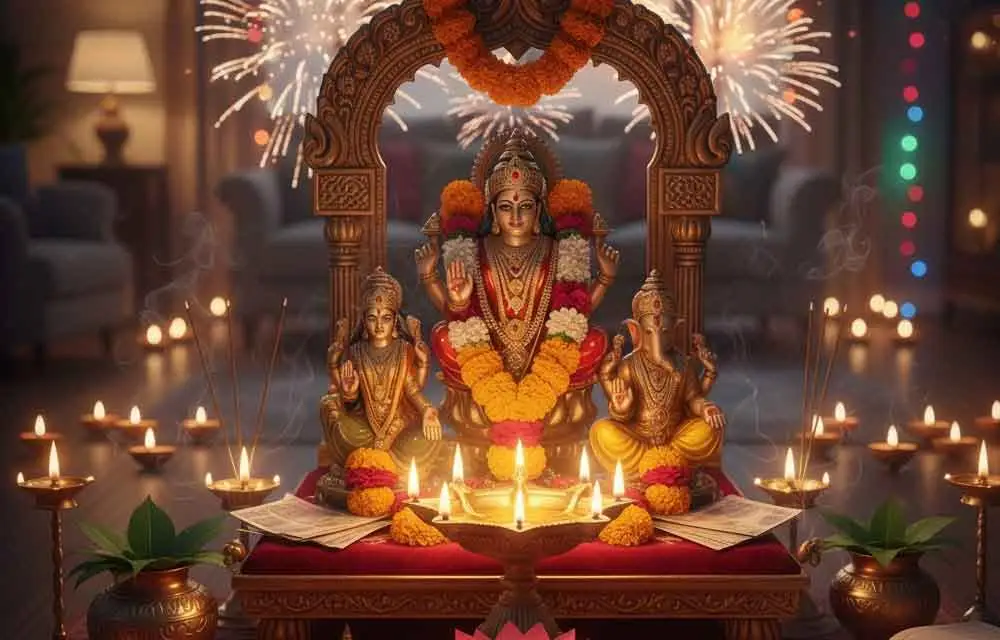
In DC homes, Diwali begins with deep cleaning to welcome Lakshmi. Families draw rangoli—intricate patterns from colored powders, rice, or flowers—at entrances. Diyas, filled with ghee or oil, are placed on windowsills and balconies, though urban restrictions limit fireworks to designated areas.
Puja rituals are central: On main Diwali night, families set up altars with idols of Lakshmi, Ganesh, and Saraswati. They chant mantras, offer sweets like laddoos and barfis, and distribute prasad (blessed food). In suburbs, community pujas at temples draw crowds for aarti (lamp-waving ceremonies).
Decorations include torans (door hangings), fairy lights, and marigold garlands. Many DC residents shop at Patel Brothers or online for these, blending traditional with eco-friendly LED lights to align with the city's green initiatives.
Family customs vary: South Indian families emphasize oil baths on Choti Diwali, while North Indians focus on card games symbolizing luck. Siblings exchange gifts on Bhai Dooj, often over brunches at spots like Rasika in Penn Quarter.
Culinary Delights: Food and Sweets in DC's Diwali
Diwali food is a feast for the senses. Homes prepare savory snacks like chakli (spiral rice crackers), mathri (flaky biscuits), and samosas. Sweets dominate: gulab jamun (milk balls in syrup), jalebi (pretzel-shaped fritters), and peda (milk fudge). Vegetarian thalis (platters) feature paneer curries, dal makhani, and puris.
In DC, restaurants like Karma Modern Indian and Kismet offered specials: complimentary coconut medallions and masala chai cookies with promo codes. Rasa in Fairfax served sharable thalis for $30, including vegetarian options. Food trucks at events provided fusion twists, like dosa wraps and bhangra burgers.
Home cooks adapted recipes for American ingredients, using local pumpkins for halwa or cranberries in chutneys, showcasing cultural fusion.
Cultural Performances and Entertainment
Diwali in DC pulses with music and dance. Bhangra and garba groups perform at events, with Bollywood tunes filling the air. The DC Bhangra Crew's shows at the Smithsonian highlighted Punjabi energy. Classical dances like Bharatanatyam depicted Ramayana stories.
Storytelling sessions for kids at libraries and museums taught morals of good triumphing evil. Fireworks, though regulated, occurred at community parks, with eco-friendly alternatives like laser shows gaining popularity.
Community and Social Impact: Unity in Diversity
Diwali fosters interfaith dialogue in DC. Organizations like the Jewish Community Relations Council (JCRC) extended wishes, noting shared themes of light over darkness. Events included non-Hindus, promoting inclusivity.
Charity drives are key: Families donate to food banks or temples, embodying "seva" (service). In 2025, amid global challenges, Diwali emphasized hope, with messages from leaders like Councilmember Matt Frumin wishing light over darkness.
The diaspora uses Diwali to address issues like minority rights, drawing from Trump's 2024 condemnation of violence against Hindus in Bangladesh, which resonated in DC discussions.
Personal Experiences and Stories from DC Celebrants
Imagine a family in Arlington: Parents, immigrants from Delhi, wake early on Dhanteras to buy silver coins. Their children, born in the US, help make rangoli while learning Sanskrit shlokas. Evenings involve virtual calls to India, blending nostalgia with new traditions like carving Diwali-themed pumpkins.
A Sikh professional in DC shares: "Bandi Chhor Divas reminds us of freedom; we serve langar to neighbors, building bridges." A Jain couple in Rockville focuses on ahimsa (non-violence), opting for vegan sweets and meditation.
These stories highlight Diwali's adaptability, from high-rise apartments to suburban homes.
Political and Official Recognitions in DC
DC's government actively supports Diwali. MOAPIA's event underscores official endorsement. White House messages, like the 2025 presidential one, affirm Diwali's place in American culture. Congressional gatherings, with hymns and speeches, strengthen Indo-US bonds.
Lawmakers like Suzan DelBene joined local celebrations, wishing prosperity. Such recognitions elevate Diwali from a niche festival to a national highlight.
Challenges and Modern Adaptations
Urban life poses challenges: Noise ordinances limit fireworks, leading to light shows. Environmental concerns promote green Diwali with LED diyas and plant-based rangoli. Post-pandemic, hybrid events mix in-person with virtual pujas.
Despite this, enthusiasm grows, with schools incorporating Diwali lessons, fostering cultural awareness.
Conclusion: Diwali's Enduring Light in Washington DC
Diwali in Washington DC is more than a festival—it's a celebration of heritage, community, and hope. In 2025, from the illuminated Smithsonian to intimate home pujas, the city glowed with unity. As lamps flicker against the Potomac's backdrop, Diwali reminds us that light always prevails. May this Festival of Lights bring prosperity, joy, and harmony to all in the nation's capital and beyond.
Frequently Asked Questions
When is Diwali Celebrations in Washington DC?
Diwali Celebrations in Washington DC is observed on its traditional tithi in the Hindu lunar calendar; refer to the year's panchang for the exact date in your region.
What is the significance of Diwali Celebrations in Washington DC?
Diwali Celebrations in Washington DC: A Comprehensive Guide to the Festival of Lights in the Nation's Capital Washington DC, the heart of American democracy and a melting pot of cultures, transforms into a vibrant hub of lights, colors, and joy during Diwali. Known as the Festival of Lights, Diwali is one of the most significant Hindu festivals, symbolizing
How is Diwali Celebrations in Washington DC celebrated?
Devotees observe it with puja, fasting or special offerings, visiting temples, chanting mantras, and gathering with family. Customs vary by region and tradition.
What should devotees do on Diwali Celebrations in Washington DC?
Take a sacred bath, perform the day's puja and charity (dana), observe any prescribed fast, and chant mantras with sincere devotion.
You might also like
Gita Jayanti 2026 Prasad Recipes — Tulsi-Honoring Sweets, Krishna's Favourites & December 10 Bhog Plate
Maha Shivratri 2026 Vrat Recipes — Sabudana Khichdi, Singhada Halwa, Phalahara Foods Complete Fasting Guide
The Resolve of a Monk – A Divine Incident Showcasing Kanchi Paramacharya’s Compassion