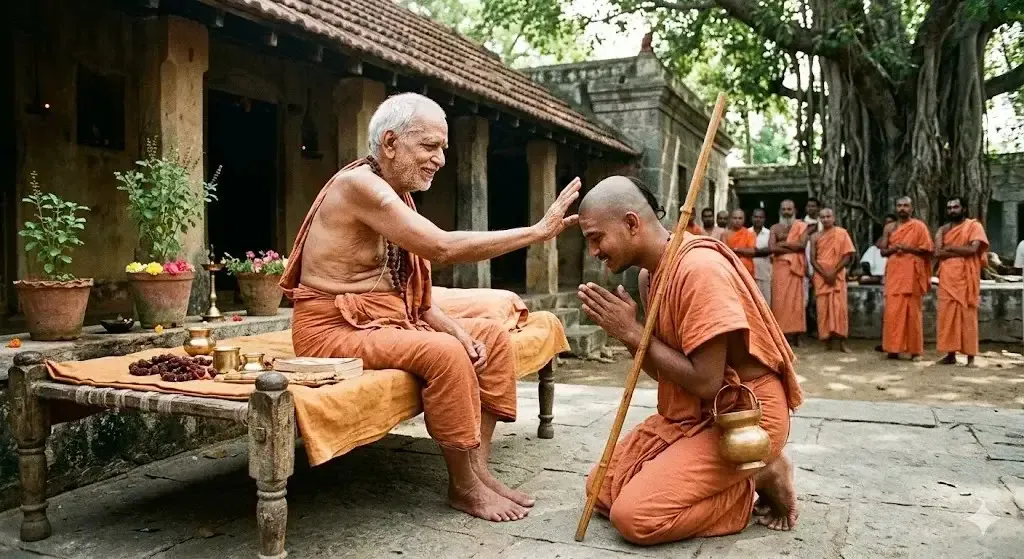
The Science Behind Lighting Diyas & Incense During Diwali
Scientific Perspective Diyas (Oil Lamps) Air Purification When ghee or sesame oil burns in earthen diyas, it releases negative ions that bind with pollutants…
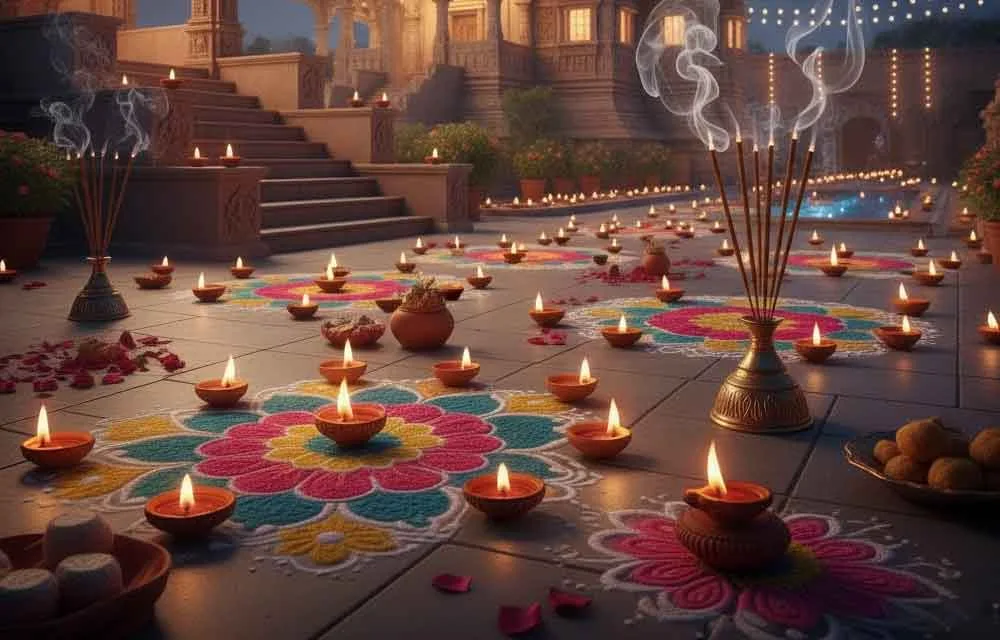
Scientific Perspective Diyas (Oil Lamps) Air Purification When ghee or sesame oil burns in earthen diyas, it releases negative ions that bind with pollutants…
Scientific Perspective
Diyas (Oil Lamps)
- Air Purification
- When ghee or sesame oil burns in earthen diyas, it releases negative ions that bind with pollutants and purify the air
- The warm light produces infrared radiation that has mild antimicrobial properties
- Traditional oils like mustard or sesame oil emit compounds that can reduce airborne bacteria
- Psychological Benefits
- Flickering flames have a calming effect on the mind, similar to meditation
- The warm amber glow triggers serotonin production, improving mood and reducing seasonal affective disorder (common in autumn)
- Creates a circadian rhythm cue, signaling warmth and safety to the brain
- Environmental Factors
- Earthen lamps are biodegradable and eco-friendly
- The clay absorbs heat slowly and releases it gradually, creating a pleasant microclimate
- Ghee combustion produces minimal smoke compared to paraffin candles
Incense (Agarbatti/Dhoop)
- Aromatherapy Science
- Traditional ingredients like sandalwood, frankincense, and camphor contain compounds that affect the limbic system
- These natural resins release phytoncides - antimicrobial compounds that purify air
- Essential oils in incense can reduce stress hormones like cortisol
- Cognitive Effects
- Specific scents enhance memory retention and focus (useful during festive learning rituals)
- Fragrances like jasmine and rose can improve sleep quality
- The ritual of lighting incense creates a mindfulness anchor
- Air Quality Management
- Many traditional incense ingredients have antibacterial and antifungal properties
- Natural resins act as mild fumigants, historically important before modern sanitation
- When used in moderation with proper ventilation, they help mask odors naturally
Spiritual Perspective
Diyas - The Sacred Flame
- Symbol of Divine Presence
- The flame represents the Supreme Light (Brahman) that dispels the darkness of ignorance (avidya)
- Five-wick diyas symbolize the five elements (pancha mahabhutas): earth, water, fire, air, and ether
- Inner Transformation
- The diya represents the human body (clay), the oil symbolizes negative tendencies, and the wick is the atman (soul)
- As the oil burns away, it represents the burning of karma and ego
- The upward-pointing flame signifies spiritual aspiration and upward evolution
- Victory of Light Over Darkness
- Commemorates Lord Rama's return to Ayodhya after 14 years of exile
- Celebrates Goddess Lakshmi's emergence during Samudra Manthan (churning of the ocean)
- Represents the triumph of good over evil, knowledge over ignorance
- Directional Significance
- Lighting diyas in all directions invites divine blessings from all quarters
- Placing them at doorways welcomes prosperity (Lakshmi) and removes obstacles (Ganesha)
- The tradition of lighting 13 diyas represents the 12 months plus one for eternal prosperity
Incense - The Sacred Smoke
- Offering to the Divine
- Fragrant smoke carries prayers and intentions upward to higher realms
- Represents the subtlest form of offering - more ethereal than flowers or food
- The dissolving smoke symbolizes the dissolution of ego into universal consciousness
- Purification of Space
- Creates a sacred boundary, separating the mundane from the sacred
- Believed to remove negative energies and entities from the environment
- Sanctifies the space for puja (worship) and meditation
- Awakening Consciousness
- Different fragrances correspond to different chakras and deities
- Sandalwood opens the ajna chakra (third eye), enhancing intuition
- Frankincense and camphor are said to elevate spiritual vibrations
- Connecting Elements
- Represents the element of air (vayu), connecting earth to heaven
- The rising smoke is like the ascent of consciousness from material to spiritual
- Creates a sensory bridge between the physical and metaphysical realms
The Synergy - Where Science Meets Spirit
The ancient practice beautifully integrates both dimensions:
- Timing: Diwali falls on the new moon (Amavasya), when nights are darkest - scientifically optimal for light to have maximum psychological impact, and spiritually symbolic of dispelling complete darkness
- Community Health: The collective lighting of diyas historically helped prevent the spread of seasonal illnesses through air purification, while spiritually creating a collective consciousness of hope and renewal
- Mindful Presence: The act of lighting diyas and incense requires focus and care, creating a meditative state that's both scientifically beneficial (reducing stress) and spiritually significant (creating sacred intention)
This beautiful convergence shows how ancient wisdom often encoded practical benefits within spiritual practices, making them sustainable across generations.
Happy Diwali! May your life be filled with light, prosperity, and inner illumination. [image: 🪔]
Frequently Asked Questions
When is The Science Behind Lighting Diyas & Incense During?
The Science Behind Lighting Diyas & Incense During is observed on its traditional tithi in the Hindu lunar calendar; refer to the year's panchang for the exact date in your region.
What is the significance of The Science Behind Lighting Diyas & Incense During?
Scientific Perspective Diyas (Oil Lamps) Air Purification When ghee or sesame oil burns in earthen diyas, it releases negative ions that bind with pollutants and purify the air The warm light produces infrared radiation that has mild antimicrobial properties Traditional oils like mustard or sesame oil emit compounds that can reduce airborne bacteria Psycholo
How is The Science Behind Lighting Diyas & Incense During celebrated?
Devotees observe it with puja, fasting or special offerings, visiting temples, chanting mantras, and gathering with family. Customs vary by region and tradition.
What should devotees do on The Science Behind Lighting Diyas & Incense During?
Take a sacred bath, perform the day's puja and charity (dana), observe any prescribed fast, and chant mantras with sincere devotion.
You might also like

Gita Jayanti 2026 Prasad Recipes — Tulsi-Honoring Sweets, Krishna's Favourites & December 10 Bhog Plate
Shani Deva Temples Worldwide & Must-Performed Rituals — Complete Devotee's Guide
Maha Shivratri 2026 Vrat Recipes — Sabudana Khichdi, Singhada Halwa, Phalahara Foods Complete Fasting Guide