Diwali Crackers Guidelines in Mumbai and Maharashtra 2026: Complete Rules and Safety Tips for Festive Celebrations
Diwali 2026, celebrated on Sunday, November 8 with festivities from November 6–11, transforms Mumbai and Maharashtra into a spectacle of light, devotion, and joy.
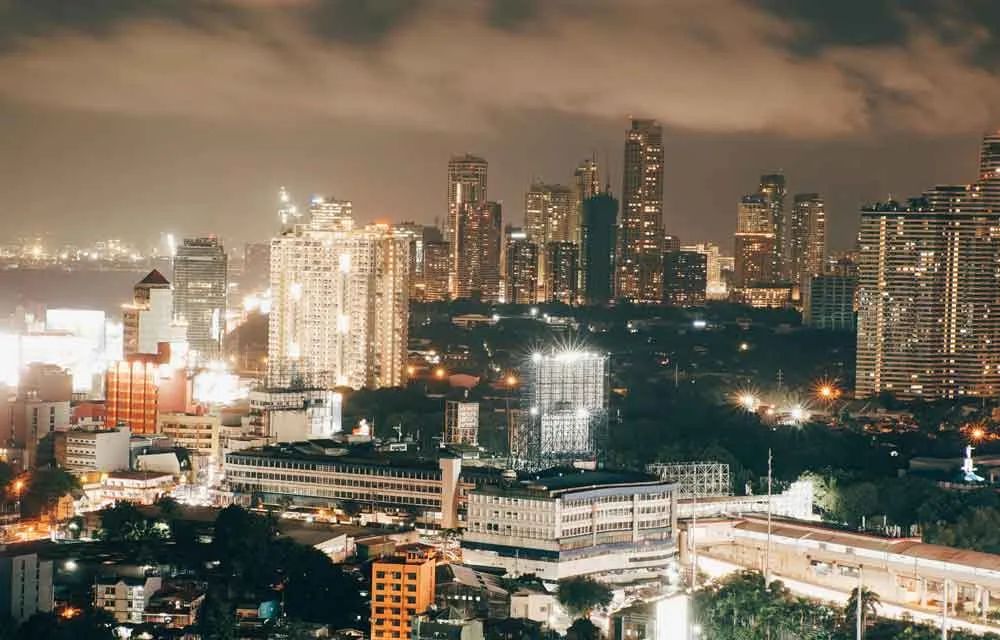
Diwali 2026, celebrated on Sunday, November 8 with festivities from November 6–11, transforms Mumbai and Maharashtra into a spectacle of light, devotion, and joy.
Update (October 2026): Diwali 2026 falls on Sunday, 8 November (Dhanteras Friday 6 November). This article describes an earlier observance — for current dates and guidance, see our Diwali 2026 guide.
Diwali 2026, celebrated on Sunday, November 8 with festivities from November 6–11, transforms Mumbai and Maharashtra into a spectacle of light, devotion, and joy. For Maharashtrians, fireworks during Laxmi Puja symbolize prosperity and the victory of light over darkness.
However, in light of rising air pollution, urban congestion, and fire hazards, the Maharashtra government has in recent years adopted stricter measures aligned with the Supreme Court and National Green Tribunal (NGT) directives. Enforced by the Maharashtra Pollution Control Board (MPCB), Brihanmumbai Municipal Corporation (BMC), and police authorities, these guidelines emphasize green crackers only and responsible celebration — check the official 2026 notification for this year's exact rules.
This comprehensive, SEO-optimized guide covers Diwali crackers rules in Mumbai and Maharashtra 2026, including permissible types, typical timings, enforcement, safety practices, and eco-friendly alternatives — optimized for searches like “Maharashtra patakha guidelines,” “BMC Diwali restrictions,” and “green crackers Mumbai 2026.”
Background on Fireworks Regulations in Maharashtra
Since the Supreme Court’s 2018 ruling on green crackers, Maharashtra has enforced emission limits of 30–35% through CSIR-NEERI certification.
The MPCB and BMC collaborate closely to mitigate Mumbai’s AQI spikes driven by traffic, construction, and coastal humidity. In recent years, bursting has usually been limited to a short evening window — the 2026 rules will be set by the official notification, which may also cover bans on unlicensed sales and rooftop use.
While Mumbai and Pune have banned street vending of fireworks, rural districts like Kolhapur and Nashik allow controlled sales with mandatory timing compliance. The Bombay High Court also upholds balance between tradition and environmental responsibility, historically granting short, supervised bursting windows.
Supreme Court, NGT, and State Guidelines for Diwali Crackers 2026
The MPCB and BMC typically issue state-wide directives to ensure only green, low-noise crackers are used. The points below reflect past directives — confirm each against the 2026 notification.
- Timing: Bursting has typically been allowed only in a two-hour evening window on Diwali (Sunday, November 8 in 2026). Check the 2026 MPCB/BMC notification for the exact permitted hours.
- Noise Limit: Maximum 125 dB at 4 meters from the source.
- Banned Items:
- Barium nitrate-based, series (larva), atom bombs, and rockets.
- Sky lanterns have been banned for a period around Diwali statewide in past years — check the 2026 order.
- Chinese imports, non-green items, and rooftop bursting.
- Crackers within 100 meters of hospitals or schools (silence zones) prohibited.
- Sales Rules: Only licensed stalls (in the days just before Diwali) can sell crackers. Street or footpath vending in Mumbai and Pune is banned. Online and door-to-door sales are illegal.
- Penalties:
- ₹5,000–₹50,000 fines, FIRs under Environment Protection Act and Explosives Act.
- Up to 5 years imprisonment for repeated or large-scale violations.
If AQI levels deteriorate, GRAP-like restrictions may activate a full ban. Residents should monitor MPCB/BMC apps for updates.
Types of Crackers Allowed in Mumbai and Maharashtra for Diwali 2026
Only CSIR-NEERI and PESO-certified green crackers are permitted, identifiable by QR codes or official seals.
✅ Permitted:
- Green sparklers (max 30g)
- Anar (ground fountains) and silent fountains
- Low-emission flower pots and twinkling stars
- Noiseless variants only
❌ Prohibited:
- Loud traditional firecrackers, series (larva), rockets, and ground chakras
- Colored smoke items and uncertified imports
Mumbai prioritizes noiseless and low-emission types, while rural districts may allow broader green variants within approved limits.
Enforcement and Regional Variations: Mumbai vs. Rest of Maharashtra
BMC and Mumbai Police usually deploy large numbers of teams, checkpoints, and drones to monitor hotspots such as Dadar, Andheri, Crawford Market, and Powai. RWAs in high-rises strictly enforce rooftop bans.
Districts like Pune, Thane, Nagpur, and Nashik follow similar timings but with varying local oversight.
Purchasing Diwali Crackers in Mumbai and Maharashtra: Legal Tips
Buy only from MPCB-authorized stalls at designated markets like Matunga, Vile Parle, Dadar, or district fairs in Thane, Aurangabad, and Nagpur.
- Price range: ₹100–₹700 for green packs.
- Avoid footpath or unlicensed sellers — BMC conducts annual seizures.
- Apply for temporary sale licenses via the MPCB portal by the deadline in the 2026 notification.
- Online and interstate imports are strictly banned.
Essential Safety Guidelines for Diwali in Maharashtra
Follow NDMA, BMC, and Mumbai Fire Brigade recommendations for a safe celebration:
- Adult Supervision: Only 18+ should handle fireworks; keep children and pets indoors.
- Location: Use open spaces — maintain 50m from buildings, wires, or parked vehicles.
- Lighting: One cracker at a time using punks; wear cotton clothing, gloves, goggles, and shoes.
- Disposal: Submerge unlit/dud crackers in water for 20–30 minutes before discarding.
- Emergency Readiness: Keep water buckets and hoses nearby; contact 101 (fire) or 100 (police) if needed.
- Health Precautions: Masks help prevent smoke inhalation; avoid alcohol during bursting.
Each year, Mumbai records over 100 fire incidents during Diwali — prioritize awareness and supervision.
Eco-Friendly Alternatives to Crackers in Mumbai and Maharashtra
Join the MPCB’s “Eco-Diwali” initiative with these sustainable ideas:
- Traditional Choices: Clay diyas, torans, flower rangolis.
- Modern Options: LED lights, laser shows, or drone fireworks at public events.
- Community Drives: “Diya Marches,” tree-planting as eco-symbols of prosperity.
- Digital Fun: Virtual or AR fireworks apps for children.
Buildings following a No-Cracker Policy can earn BMC green certification.
Violations, Penalties, and Community Role
- Fines begin at ₹5,000 for individuals; larger violations attract FIRs and arrests.
- Report illegal sales or misuse through BMC Helpline 1916 or Mumbai Police apps.
- RWAs can impose internal penalties for rooftop or late-night bursting.
- NGOs like Vanashakti and Clean Air Mumbai support awareness campaigns.
Celebrate a Responsible Diwali — Light Diyas, Not the Sky.
Let Maharashtra’s Diwali 2026 shine bright with lights, devotion, and clean air.
Updated for October 2026. Final rules depend on the 2026 notification and air quality — follow official MPCB/BMC updates.
Related 2026 guides
- Diwali 2026: dates, Lakshmi Puja muhurat & 5-day guide
- Lakshmi Puja muhurat 2026 in 30 Indian cities
- Lakshmi Puja vidhi 2026: step-by-step
- Dhanteras 2026
- Diwali 2026 5-day calendar at a glance
Frequently Asked Questions
When is Diwali 2026 in Mumbai and Maharashtra?
Diwali 2026 falls on Sunday, 8 November, with Dhanteras on Friday, 6 November and festivities running from 6 to 11 November.
What are the timings for bursting crackers in Mumbai on Diwali 2026?
In past years bursting has typically been allowed only in a short two-hour evening window on Diwali. The exact permitted hours for 2026 are set by the official MPCB/BMC notification, so check it before celebrating.
Which crackers are allowed in Mumbai and Maharashtra?
Only CSIR-NEERI and PESO-certified green crackers, identifiable by QR codes or official seals, are permitted, such as green sparklers, anar fountains and low-emission flower pots. Loud firecrackers, series (larva), rockets, barium nitrate-based items and uncertified imports are prohibited.
What is the penalty for violating cracker rules in Mumbai?
Past directives set fines of ₹5,000 to ₹50,000, with FIRs under the Environment Protection Act and Explosives Act and up to 5 years imprisonment for repeated or large-scale violations. Illegal sales can be reported through BMC Helpline 1916 or Mumbai Police apps.
Where can I legally buy green crackers in Mumbai?
Buy only from MPCB-authorized licensed stalls at designated markets such as Matunga, Vile Parle and Dadar. Footpath vending, online sales and door-to-door sales are banned in Mumbai.
You might also like
Gita Jayanti 2026 Prasad Recipes — Tulsi-Honoring Sweets, Krishna's Favourites & December 20 Bhog Plate
Maha Shivratri 2026 Vrat Recipes — Sabudana Khichdi, Singhada Halwa, Phalahara Foods Complete Fasting Guide
Shani Deva Temples Worldwide & Must-Performed Rituals — Complete Devotee's Guide