
Diwali 2026 in Maharashtra: Lakshmi Poojan, Padwa & Bhau Beej
Diwali 2026 in Maharashtra: the festival of lights holds a special place in the hearts of Maharashtrians.
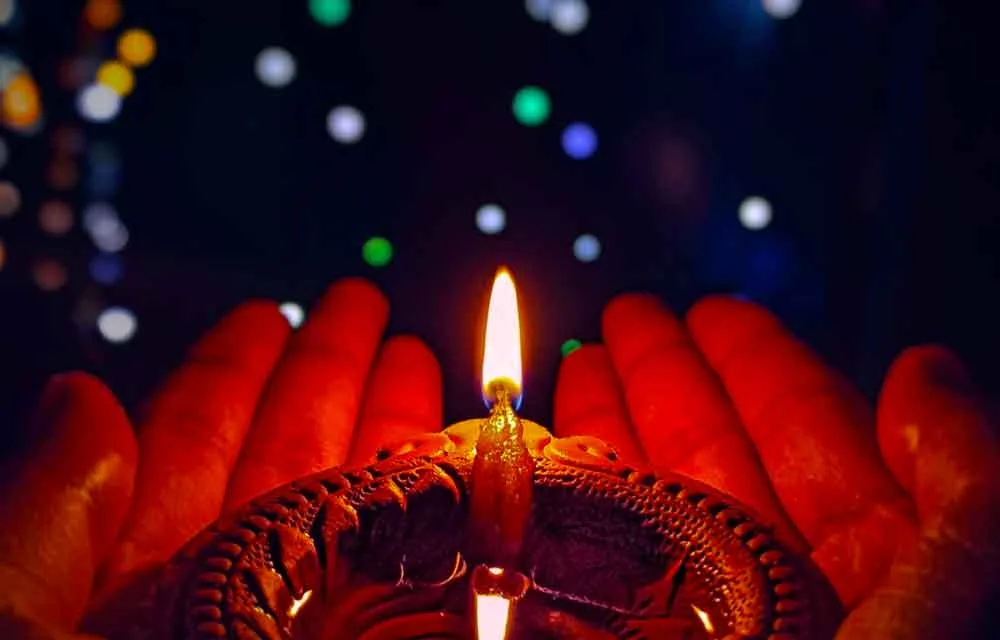
Diwali 2026 in Maharashtra: the festival of lights holds a special place in the hearts of Maharashtrians.
Introduction
Diwali, the festival of lights, holds a special place in the hearts of Maharashtrians. While the entire nation celebrates this auspicious occasion, Maharashtra has its own unique traditions that span four magnificent days, each with profound spiritual significance. The celebration encompasses Lakshmi Poojan on Diwali night, followed by Padwa (New Year), and culminates with Bhau Beej, celebrating the sacred bond between brothers and sisters.
The Spiritual Significance of Maharashtra's Diwali
In Maharashtra, Diwali is not just a single day of celebration but a four-day spiritual journey that honors prosperity, new beginnings, and family bonds. These days are:
- Dhanteras - Worship of wealth and health
- Naraka Chaturdashi - Victory of light over darkness
- Lakshmi Poojan (Diwali) - The main festival day
- Padwa (Balipratipada) - The Marathi New Year
- Bhau Beej (Bhai Dooj) - Celebration of sibling love
Lakshmi Poojan: The Night of Divine Prosperity
The Sacred Story
On the darkest night of Amavasya (new moon), Goddess Lakshmi, the deity of wealth, prosperity, and abundance, descends to Earth to bless her devotees. According to ancient scriptures, this is the night when Lakshmi emerged from the cosmic ocean during the Samudra Manthan (churning of the ocean) seated on a lotus, radiating golden light.
The legend tells us that Lakshmi visits only those homes that are clean, well-lit, and where she is welcomed with devotion. She enters through the main door and blesses the household with prosperity for the coming year. This is why Maharashtrian homes are meticulously cleaned, decorated with rangoli, and illuminated with countless diyas.
The Ritual Observance
In Maharashtra, Lakshmi Poojan is performed with great reverence:
- Preparation: Homes are thoroughly cleaned and decorated with rangoli patterns at the entrance
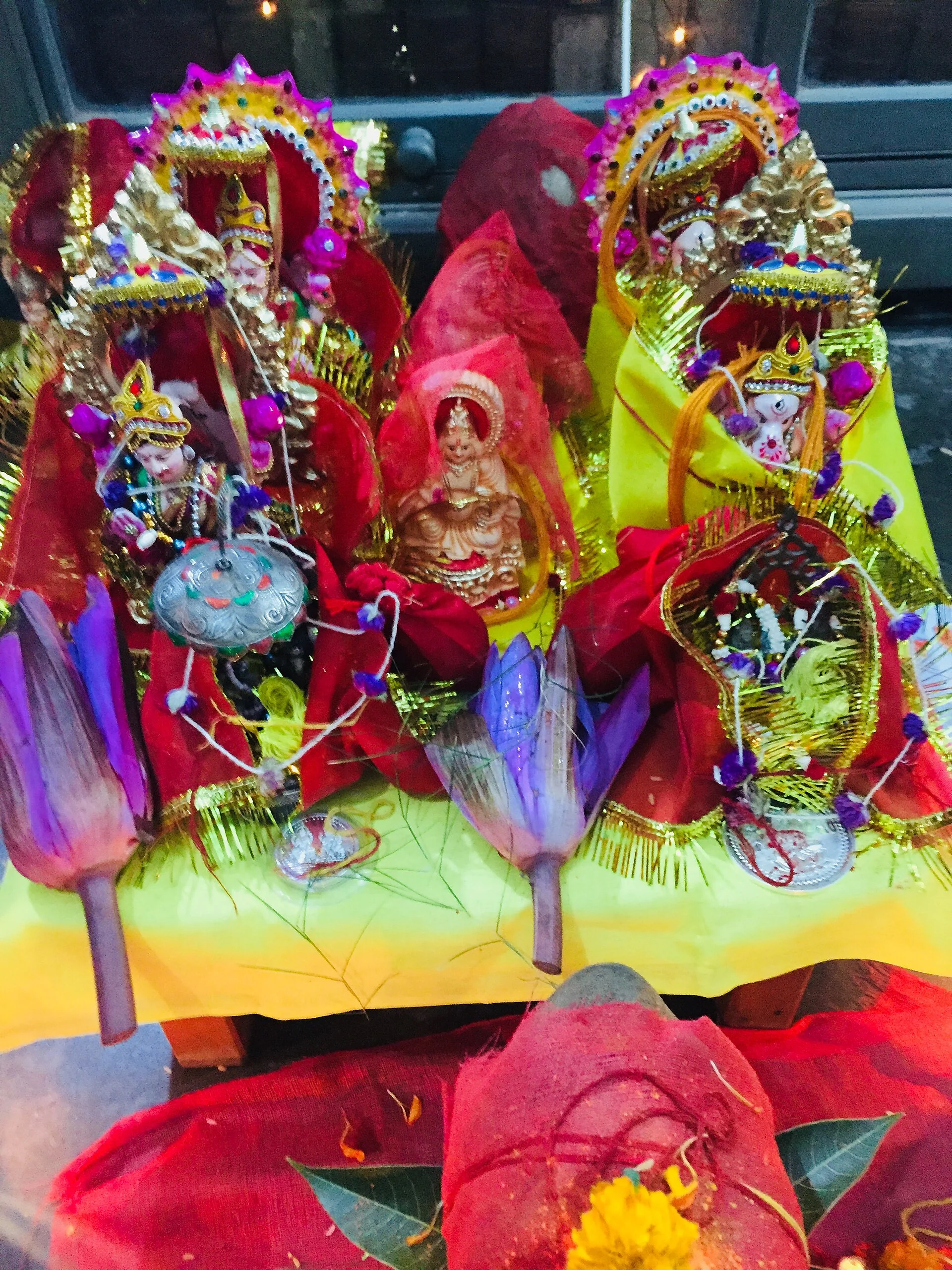
- Altar Setup: An altar is prepared with a kalash (sacred pot), coins, jewelry, account books, and images of Lakshmi and Ganesha
- The Puja: Families gather in the evening to invoke Lakshmi with Vedic mantras, offering flowers, fruits, sweets, and betel leaves
- Lighting: Innumerable oil lamps are lit throughout the home and at the entrance to guide the goddess
- Prayers: Special prayers are offered asking for prosperity, wisdom, and spiritual wealth
The Marathi tradition uniquely includes placing a small silver coin or gold ornament in the puja thali, symbolizing the invitation to Lakshmi to enter and stay in the home.
Padwa: The Marathi New Year
The Legend of King Bali
Padwa, celebrated the day after Diwali, commemorates the victory of Lord Vishnu over the benevolent demon king Bali. Despite being a demon, Bali was a righteous and generous king who ruled the three worlds. His growing power concerned the gods, prompting them to seek Lord Vishnu's help.
Vishnu incarnated as Vamana, a dwarf brahmin, and approached King Bali during a yajna. When asked what he desired, Vamana requested just three paces of land. The generous Bali agreed. Vamana then transformed into his cosmic form, covering the earth in one step, the heavens in the second, and with no place for the third step, Bali offered his own head. Impressed by Bali's humility and devotion, Vishnu granted him immortality and the right to visit his kingdom once a year.
This day marks Bali's annual return to earth, hence it's called Balipratipada or Bali Padwa.
New Year Traditions
In Maharashtra, Padwa signifies the beginning of the new year. The rituals include:
- Abhyanga Snan: A ceremonial bath with fragrant oils before sunrise
- Tilak Ceremony: Married women perform aarti for their husbands and apply tilak on their foreheads
- New Clothes: Families wear new traditional attire
- Faral: Special Diwali delicacies like chakli, karanji, and ladoos are prepared and shared
- Business Muhurat: Merchants open new account books and seek blessings for successful ventures
The day represents new beginnings, fresh starts, and the continuation of dharma (righteousness) as exemplified by King Bali.
Bhau Beej: The Sacred Bond of Siblings
The Divine Story of Yama and Yamuna
Bhau Beej, celebrated two days after Diwali, honors the eternal bond between brothers and sisters. The festival finds its roots in a beautiful mythological tale.
According to legend, Lord Yama, the god of death, visited his sister Yamuna on this auspicious day. Yamuna was overjoyed at her brother's visit after a long separation. She welcomed him with great love, performed his aarti, applied a ceremonial tilak on his forehead, and prepared a sumptuous feast for him.
Deeply moved by his sister's affection, Yama blessed her and declared that any brother who receives tilak from his sister on this day would be blessed with longevity and prosperity. He also proclaimed that the sister who honors her brother on this day would receive divine protection. Furthermore, Yama granted that the sacred Yamuna river would always provide salvation to those who bathe in it.
Since then, this day became known as Bhau Beej (Brother's Day) in Maharashtra and Bhai Dooj in other parts of India.
The Bhau Beej Ceremony
The Maharashtrian tradition of Bhau Beej is rich with symbolic rituals:
Morning Preparations:
- Sisters prepare the aukshan (ceremonial platter) with rice, flowers, sweets, betel leaves, and a diya
- They draw a beautiful chowk (square rangoli) where their brother will sit
The Ceremony:
- Brothers visit their sisters' homes
- Sisters seat their brothers facing north on the decorated chowk
- They perform aarti with a special tilak ceremony
- The tilak is applied on the brother's forehead using kumkum, rice, and flowers
- Sisters pray for their brothers' long life, happiness, and prosperity
- They offer sweets and special dishes prepared for the occasion
Exchange of Gifts:
- Brothers give gifts to their sisters as a token of love and promise of protection
- Sisters present their brothers with carefully chosen gifts
The Traditional Feast: Maharashtrian sisters prepare elaborate meals including puran poli, basundi, shrikhand, and various savory dishes. The meal is served with great love and care.
The Deeper Philosophy
These three celebrations together represent the complete cycle of prosperity, renewal, and relationships:
- Lakshmi Poojan reminds us that material prosperity is a divine blessing that comes to those who maintain purity and righteousness
- Padwa teaches us about humility, generosity, and new beginnings, as exemplified by King Bali
- Bhau Beej celebrates the sacred relationships that give meaning to life and the protective bonds of family
In Maharashtra's tradition, these days are not merely rituals but a spiritual journey that strengthens family ties, renews commitment to dharma, and invites divine grace into homes.
The Maharashtrian Spirit
What makes Maharashtra's Diwali unique is the seamless blend of devotion, family values, and social harmony. The lighting of diyas symbolizes the victory of knowledge over ignorance, the rangoli represents the welcoming of prosperity, and the family gatherings reinforce the bonds that hold society together.
As we celebrate these auspicious days, we're reminded that true wealth lies not just in material prosperity but in the richness of our relationships, the strength of our character, and our connection with the divine.
Conclusion
Diwali in Maharashtra is a magnificent tapestry woven with threads of devotion, mythology, family love, and cultural heritage. From welcoming Goddess Lakshmi into our homes, to celebrating the new year with King Bali's blessed return, to honoring the sacred bond between siblings on Bhau Beej, each ritual carries profound spiritual meaning.
These celebrations teach us timeless values: to maintain cleanliness and purity, to begin afresh with hope and determination, to honor our relationships, and to seek divine blessings not just for ourselves but for the wellbeing of all.
May this Diwali bring light to every corner of your life, prosperity to your endeavors, and strengthen the bonds of love in your family.
Diwali chi Shubhechha! (Happy Diwali!)
For more devotional stories and Hindu festival celebrations, visit www.hindutone.com
Related 2026 guides
- Diwali 2026: dates, Lakshmi Puja muhurat & 5-day guide
- Lakshmi Puja muhurat 2026 in 30 Indian cities
- Lakshmi Puja vidhi 2026: step-by-step
- Dhanteras 2026
- Diwali 2026 5-day calendar at a glance
Frequently Asked Questions
When is Diwali 2026 in Maharashtra?
In India, Lakshmi Poojan (Diwali) falls on Sunday, 8 November 2026, Padwa on Tuesday, 10 November and Bhau Beej on Wednesday, 11 November. Check Drik Panchang for your city.
How is Lakshmi Poojan performed in Maharashtra?
Homes are cleaned and decorated with rangoli, and an altar is set up with a kalash, coins, jewellery, account books and images of Lakshmi and Ganesha. Families invoke Lakshmi in the evening with mantras, flowers, sweets and many oil lamps, and Marathi homes often place a silver coin or gold ornament in the puja thali.
Why is Padwa celebrated after Diwali in Maharashtra?
Padwa (Balipratipada) marks the Marathi New Year of the Diwali season and, as commonly told, King Bali's annual return to earth after Vishnu as Vamana honoured his humility. Families take an abhyanga snan, wear new clothes, wives perform aarti for their husbands and merchants open new account books.
What do sisters and brothers do on Bhau Beej?
Sisters prepare an aukshan platter, seat their brother on a rangoli chowk, perform aarti and apply tilak while praying for his long life. Brothers and sisters exchange gifts and share a festive meal such as puran poli, basundi and shrikhand.
When do NRIs in the USA or UK celebrate Padwa and Bhau Beej in 2026?
Lakshmi Poojan is on 8 November 2026 in the USA and UK, as in India, but Padwa (Govardhan Puja) falls on 9 November and Bhau Beej (Bhaiya Dooj) on 10 November there. Confirm the local date on Drik Panchang for your city.
You might also like
Jyeshtha Masam 2026: Dates, Significance, Festivals, Mantras, and Danas – Complete Guide
Gita Jayanti 2026 Prasad Recipes — Tulsi-Honoring Sweets, Krishna's Favourites & December 20 Bhog Plate
Sri Suktam: Complete Guide to the 15-Verse Vedic Hymn to Goddess Lakshmi