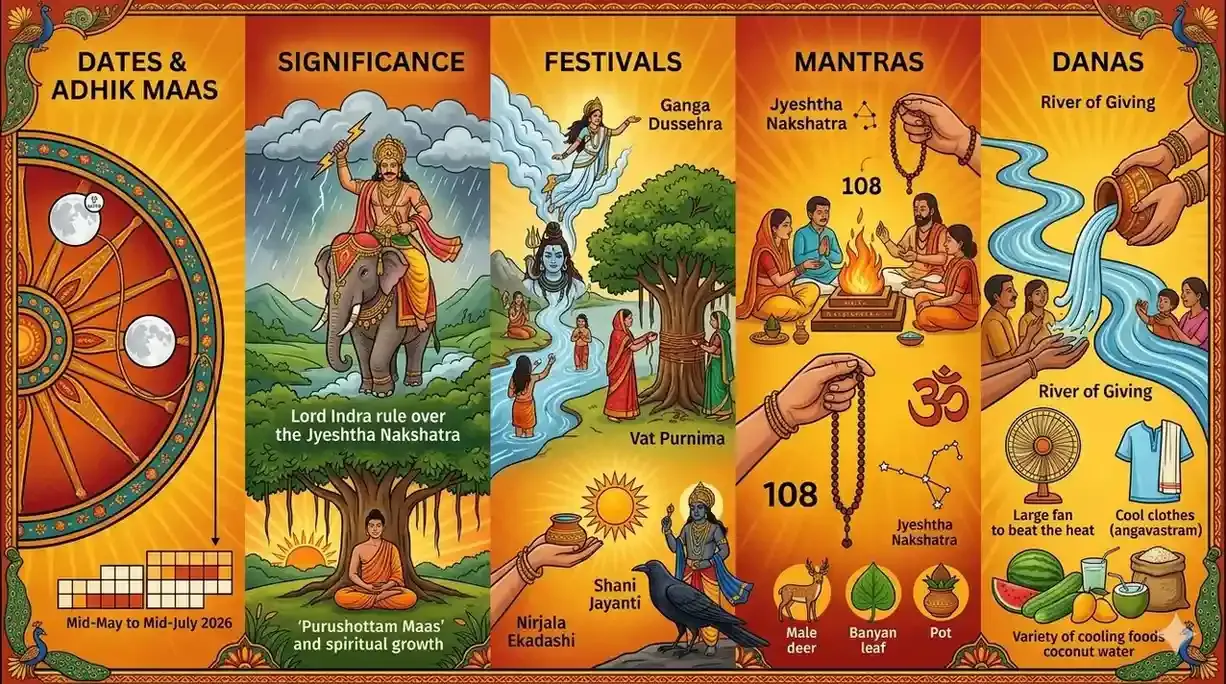
Gudi Padwa 2025: Importance, Celebration, History, Pooja Rituals, Mantras
Gudi Padwa is a significant festival that marks the Maharashtrian New Year and is celebrated with great enthusiasm across Maharashtra and other parts of India.
Gudi Padwa is a significant festival that marks the Maharashtrian New Year and is celebrated with great enthusiasm across Maharashtra and other parts of India.
Gudi Padwa is a significant festival that marks the Maharashtrian New Year and is celebrated with great enthusiasm across Maharashtra and other parts of India. It is observed on the first day of the Chaitra month (according to the Hindu lunisolar calendar), which generally falls in March or April. Gudi Padwa holds religious, cultural, and agricultural importance. This article provides detailed insights into its significance, celebration methods, history, pooja rituals, and mantras.
Importance of Gudi Padwa 2025
- New Beginnings: Marks the start of a new year and season, symbolizing fresh starts in personal and professional life.
- Victory of Good Over Evil: The Gudi (flag) is hoisted as a symbol of victory, representing Lord Rama’s triumph over Ravana and King Shalivahana’s victory over invaders.
- Spiritual Renewal: A day for cleansing, decorating homes, and seeking divine blessings for prosperity and happiness.
How to Celebrate Gudi Padwa 2025
1. Gudi Hoisting (Gudi Dhwaj)
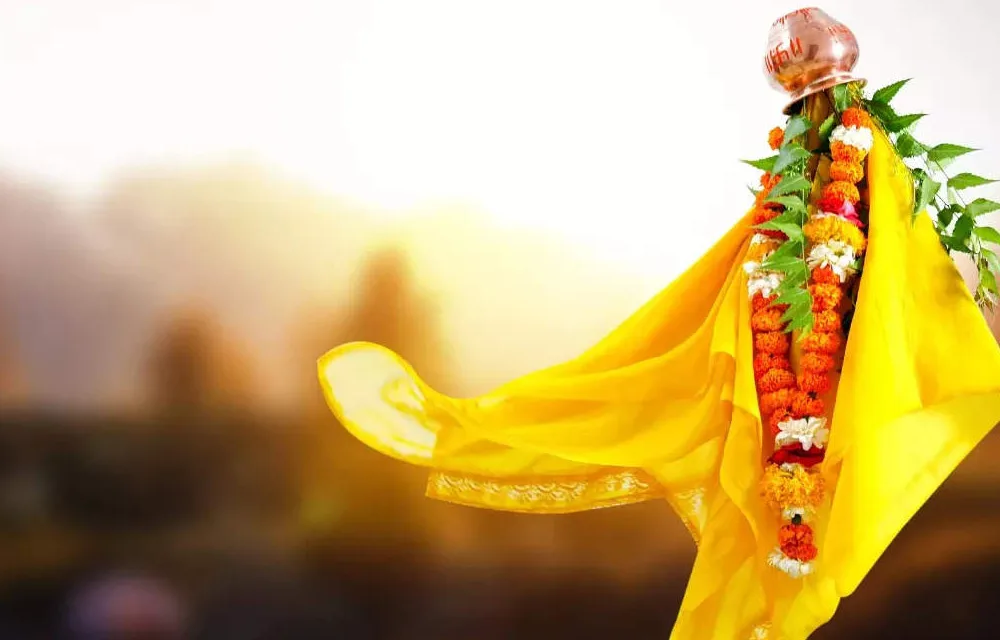
- The main ritual involves raising a Gudi outside the home.
- The Gudi consists of:
- A bamboo stick adorned with bright silk cloth.
- Neem leaves, mango leaves, and a garland of flowers.
- An upturned silver or copper vessel at the top.
- This symbolizes victory, prosperity, and protection from negative energies.
2. House Cleaning and Decoration
- Homes are thoroughly cleaned and adorned with mango leaves and flowers.
- Colorful rangoli designs are drawn at the entrance to bring joy and positivity.
3. Traditional Feasting
- Special dishes like Puran Poli, Shrikhand, and Sannas are prepared.
- Consuming neem leaves and jaggery symbolizes the bittersweet nature of life.
4. Cultural Activities
- Processions and cultural performances such as folk dances and songs.
- People exchange greetings and sweets with family and friends.
History and Legends of Gudi Padwa
1. Mythological Significance
- Linked to Lord Rama’s return to Ayodhya after defeating Ravana.
- The Gudi represents his coronation and victory.
2. The Shalivahana Legend
- King Shalivahana is believed to have defeated his enemies and hoisted the Gudi as a sign of triumph.
3. Creation of the Universe
- It is believed that Lord Brahma created the universe on this day, making it a sacred beginning of time and renewal.
Gudi Padwa Pooja Vidhi (Rituals)
Step-by-Step Pooja Rituals
- Preparation of the Gudi
- Wrap a bamboo stick with silk cloth, neem leaves, mango leaves, and a garland.
- Place a silver or copper kalash at the top.
- Kalash Sthapana (Kalash Installation)
- Install the Gudi at the entrance of the house or near the sacred pooja place.
- Offering Flowers and Sweets
- Offer flowers, fruits, sweets, and incense sticks to the Gudi.
- Chant mantras and meditate for health, wealth, and happiness.
- Recitation of Mantras
- Chant the Gayatri Mantra and offer prayers to Lord Brahma and Lord Vishnu.
- Recite Shri Ram Raksha Stotra for protection and prosperity.
- Aarti and Conclusion
- Perform an aarti of the Gudi.
- Distribute prasad (neem leaves and jaggery) among family members and neighbors.
Mantras to Recite on Gudi Padwa
1. Gayatri Mantra
"Om Bhur Bhuvaḥ Swaḥ, Tat Savitur Vareṇyaṃ, Bhargo Devasya Dhīmahi, Dhiyo Yo Naḥ Prachodayāt"
2. Shri Ram Raksha Stotra
"ॐ श्रीं ह्रीं क्लीं रामचन्द्राय नमः"
3. Brahma Mantra
"ॐ ब्रह्मणे नमः"
Gudi Padwa Stories and Folklore
1. The Story of Lord Rama
- Celebrates Lord Rama’s coronation and victory over Ravana.
- Symbolizes the triumph of good over evil and perseverance.
2. Shalivahana’s Victory
- King Shalivahana’s triumph over enemies, where he hoisted the Gudi as a sign of conquest.
- Highlights the values of resilience and courage.
Conclusion: Embrace New Beginnings with Gudi Padwa 2025
Gudi Padwa is a celebration of new beginnings, victory, and prosperity. Families come together to clean their homes, hoist the Gudi, and offer prayers for the well-being of loved ones. As we step into Gudi Padwa 2025, let’s embrace positivity, overcome challenges, and seek spiritual renewal. Celebrate with devotion, happiness, and cultural fervor, and welcome a prosperous new year ahead.
Frequently Asked Questions
What is the Gudi Padwa?
Gudi Padwa is a significant festival that marks the Maharashtrian New Year and is celebrated with great enthusiasm across Maharashtra and other parts of India. It is observed on the first day of the Chaitra month (according to the Hindu lunisolar calendar), which generally falls in March or April.
How many times should the Gudi Padwa be chanted?
It is traditionally chanted 108 times using a rudraksha or tulsi mala. Even 11 or 21 sincere repetitions daily are considered beneficial — steady, focused practice matters more than the count.
What is the best time to chant the Gudi Padwa?
Dawn (Brahma Muhurta) after a bath is considered ideal, though it may be chanted any time with a calm, focused mind. Many devotees keep a fixed daily time to build consistency.
Who can chant the Gudi Padwa?
Anyone may chant it with faith and a pure mind, regardless of age, gender or background. Beginners benefit from first hearing the correct pronunciation and understanding its meaning.
What are the benefits of chanting the Gudi Padwa?
It is believed to calm the mind, dissolve negativity, and draw divine grace, protection and clarity to the devotee.
You might also like

Gita Jayanti 2026 Prasad Recipes — Tulsi-Honoring Sweets, Krishna's Favourites & December 10 Bhog Plate
Maha Shivratri 2026 Vrat Recipes — Sabudana Khichdi, Singhada Halwa, Phalahara Foods Complete Fasting Guide
Karthika Masam 2026: Dates, Rituals, Vrat, Festivals & North vs South India Guide