Hindu New Year Celebrations Across India: A Complete State-by-State Guide
Discover how 28 Indian states and 8 union territories celebrate their unique New Year traditions India's cultural diversity is beautifully reflected in the…
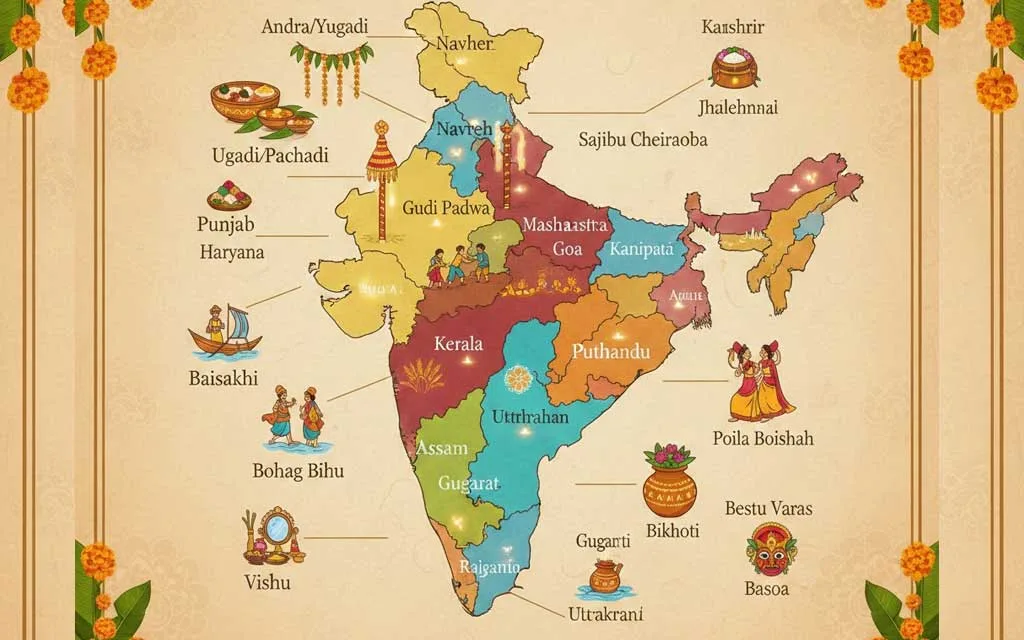
Discover how 28 Indian states and 8 union territories celebrate their unique New Year traditions
India's cultural diversity is beautifully reflected in the myriad ways different states celebrate the Hindu New Year. While the entire nation shares common threads of tradition and spirituality, each region has developed its own unique customs, dates, and rituals to welcome the new year. This comprehensive guide explores how all 28 states and 8 union territories observe this auspicious occasion, offering insights into the rich tapestry of Indian traditions.
Why Are There Different Hindu New Year Dates?
Unlike the Gregorian calendar, Hindu New Year celebrations vary across India because different regions follow different calendars and astronomical calculations. Most celebrations occur during Chaitra month (March-April), marking the beginning of spring, while some states celebrate during other months based on their regional calendars. The diversity reflects India's pluralistic cultural heritage and regional astronomical traditions.
Northern India: New Year Celebrations
1. Punjab - Vaisakhi
Date: April 13 or 14
Vaisakhi marks both the harvest festival and the Sikh New Year in Punjab. Celebrated with immense fervor, the day holds special religious significance as it commemorates the formation of the Khalsa Panth in 1699. Devotees visit Gurudwaras for special prayers, participate in Nagar Kirtan processions, and perform the energetic Bhangra and Gidda dances. Farmers express gratitude for the winter harvest and pray for prosperity. Families prepare traditional dishes like Puri, Chole, and Kheer, sharing meals with community members in the spirit of seva and togetherness.
2. Haryana - Vaisakhi
Date: April 13 or 14
Haryana celebrates Vaisakhi similarly to Punjab, emphasizing agricultural prosperity and community bonding. The state's farming communities organize fairs, cultural programs, and wrestling competitions. Traditional folk dances like Ghoomar are performed, and families prepare special sweets. Many visit temples and Gurudwaras to seek blessings for the upcoming agricultural season. The celebrations reflect the state's agrarian roots and communal harmony.
3. Himachal Pradesh - Vaisakhi and Losar
Date: April 13-14 (Vaisakhi), February-March (Losar)
The state celebrates multiple New Years reflecting its diverse communities. While lower regions observe Vaisakhi, Buddhist-dominated areas like Lahaul-Spiti celebrate Losar (Tibetan New Year). Vaisakhi features temple visits and community gatherings, while Losar includes masked dances (Chaam), prayers at monasteries, and traditional butter tea. The hill fairs attract devotees who offer thanks for the melting snow and approaching spring season. Both celebrations emphasize spiritual renewal and community welfare.
4. Uttarakhand - Makar Sankranti / Ghughutiya
Date: January 14-15
In Uttarakhand, the New Year is associated with Makar Sankranti, celebrated as Ghughutiya or Uttarayani. People prepare special sweets called Ghughute (made from wheat flour and jaggery) shaped like bells, drums, and swords, which are offered to crows while calling them. The Kumbh Mela at Haridwar occasionally coincides with this period. Devotees take holy dips in rivers, particularly at Triveni Ghat, and families gather for traditional songs and dances. The festival marks the sun's transition into Capricorn and the beginning of longer days.
5. Jammu & Kashmir - Navreh (Kashmiri New Year)
Date: Chaitra Shukla Pratipada (March-April)
Kashmiri Pandits celebrate Navreh as their New Year with unique customs. The evening before, a thali filled with rice, bread, milk, yogurt, a pen, an inkpot, a silver coin, a flower, and the Panchanga (almanac) is prepared and seen first thing in the morning for prosperity. Families wear new clothes, visit temples, and prepare traditional Wazwan dishes. The day signifies new beginnings and is observed with prayers for peace and prosperity. Despite migration, the community maintains these traditions wherever they reside.
6. Ladakh - Losar
Date: February-March
Losar is Ladakh's most important festival, celebrated over 15 days. Preparations begin weeks in advance with thorough house cleaning. On the first day, families place a special offering (Changphori) made from barley flour at the altar. Traditional dishes like Guthuk (a soup with dumplings) are prepared. Monasteries organize ritual dances and prayers. People visit each other with Tashi Delek greetings, exchange gifts, and consume Chang (barley beer). The festival reflects Ladakh's Tibetan Buddhist heritage and emphasis on family bonds.
7. Delhi - Chaitra Navratri / Gudi Padwa
Date: March-April
As India's capital, Delhi celebrates multiple New Year traditions reflecting its cosmopolitan nature. Many observe Chaitra Navratri, beginning with Ghatasthapana and ending with Ram Navami. Temples organize kirtans and bhajans. The city's Maharashtrian community celebrates Gudi Padwa, while South Indian residents observe Ugadi. Markets bustle with people shopping for new clothes, and families prepare traditional sweets. The celebration showcases Delhi's cultural diversity and religious harmony.
8. Chandigarh - Vaisakhi
Date: April 13-14
Chandigarh celebrates Vaisakhi with cultural events at Rock Garden and Sukhna Lake. Gurudwaras organize langars and prayer sessions. The administration hosts fairs featuring Punjabi folk music, Bhangra competitions, and traditional food stalls. The celebration brings together people from different communities to enjoy the harvest festival spirit.
9. Rajasthan - Chaitra Navratri
Date: March-April
Rajasthan begins its New Year with Chaitra Navratri, dedicated to Goddess Durga. The nine-day celebration includes fasting, temple visits, and organizing Khetlaji's mela in Shahpura. Women perform Ghoomar dance and prepare traditional dishes like Dal Baati Churma. The Gangaur festival follows, celebrating marital bliss. Cities like Jaipur host grand processions with decorated idols. The festival reflects Rajasthan's royal heritage and devotional fervor, with vibrant celebrations in temples and palaces.
10. Uttar Pradesh - Chaitra Navratri
Date: March-April
UP celebrates with Chaitra Navratri and Ram Navami with special significance in Ayodhya. Devotees throng temples in Varanasi, Mathura, and Vrindavan. Ramlila performances begin, and families fast and perform havans. The Ganga Aarti in Varanasi during this period is spectacular. Markets fill with people purchasing puja items and new clothes. The festival combines spiritual practices with cultural celebrations, emphasizing dharma and devotion to Lord Rama.
Western India: New Year Celebrations
11. Maharashtra - Gudi Padwa
Date: Chaitra Shukla Pratipada (March-April)
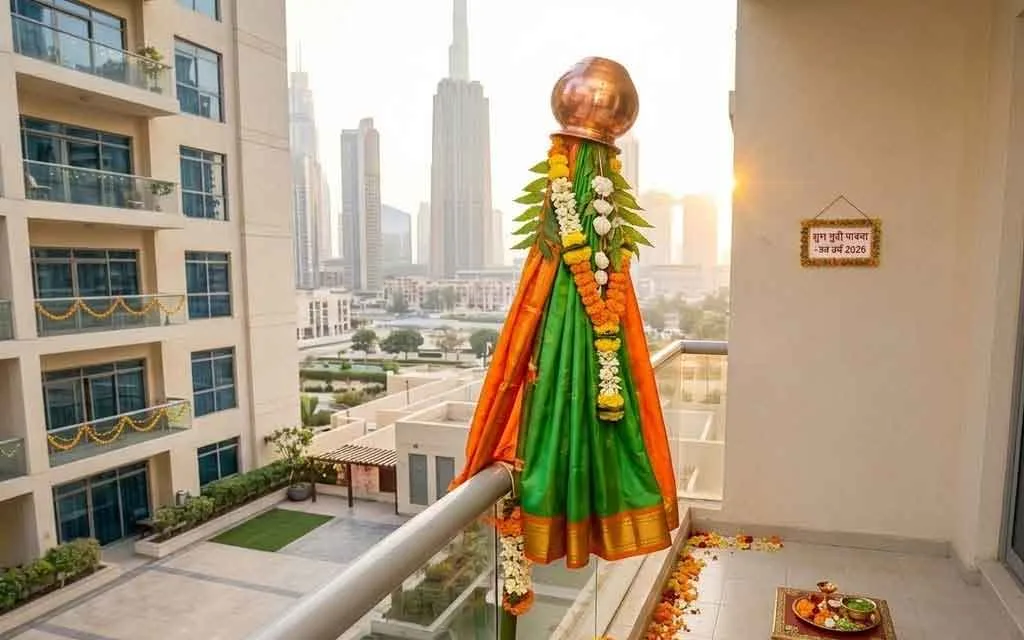
Gudi Padwa is Maharashtra's most significant festival, marking the Marathi New Year. Families erect Gudis—decorated bamboo sticks with silk cloth, garland, and a copper or silver pot—outside their homes to ward off evil and invite prosperity. The tradition commemorates Lord Rama's return to Ayodhya. People prepare Puran Poli and offer neem leaves with jaggery (symbolizing life's bitter-sweet nature). New clothes are worn, homes are cleaned, and rangoli decorations adorn entrances. The festival signifies spring's arrival and agricultural abundance.
12. Gujarat - Gujarati New Year (Bestu Varas)
Date: Day after Diwali (October-November)
Gujarat uniquely celebrates its New Year the day after Diwali, coinciding with the start of the Vikram Samvat calendar. Business communities perform Chopda Puja (worship of account books), starting fresh ledgers. Families visit temples, prepare special dishes like Mohanthal and Shrikhand, and exchange greetings. The day emphasizes new beginnings in both personal and professional life. Govardhan Puja and Annakut (mountain of food offerings) are organized at temples, especially ISKCON temples, showcasing elaborate food arrangements.
13. Goa - Gudi Padwa and Samvatsar Padvo
Date: March-April
Goa celebrates Samvatsar Padvo or Sanvsar Padvo (Konkani New Year), similar to Gudi Padwa. Konkan families hoist flags and perform traditional rituals. Special dishes like Patoleo (turmeric leaf wraps), Nevri, and Puran Poli are prepared. Communities organize cultural programs featuring traditional Goan music and dances. The celebration blends Hindu traditions with Goan cultural elements, reflecting the state's unique identity.
14. Dadra and Nagar Haveli and Daman and Diu - Gudi Padwa
Date: March-April
These union territories celebrate Gudi Padwa following Maharashtrian traditions, given their cultural proximity. Local tribal communities also observe the day with their indigenous customs, creating a blend of practices. Traditional meals and prayers mark the occasion.
15. Madhya Pradesh - Chaitra Navratri
Date: March-April
MP celebrates with Chaitra Navratri, featuring grand celebrations at Ujjain's Mahakaleshwar temple. Devotees perform Kanya Puja (worshiping young girls representing the goddess). Local fairs are organized in Gwalior and Indore. Traditional folk dances and regional delicacies mark the festivities, emphasizing spiritual devotion and cultural heritage.
16. Chhattisgarh - Chaitra Navratri
Date: March-April
Chhattisgarh observes Navratri with temple visits and fasting. Tribal communities perform traditional Raut Nacha and Panthi dances. The Bastar region's unique customs include worshiping local deities alongside mainstream Hindu traditions. Markets bustle with people buying handicrafts and traditional ornaments.
Eastern India: New Year Celebrations
17. West Bengal - Pohela Boishakh (Bengali New Year)
Date: April 14-15
Pohela Boishakh (also spelled Poila Baisakh) is celebrated with immense enthusiasm across Bengal. The day begins with early morning prayers and wearing new clothes (typically traditional Bengali attire—white sarees with red borders for women, kurta-pajamas for men). People visit the famous Kalighat temple and participate in colorful processions, particularly in Kolkata where the Rabindra Bharati University organizes Mangal Shobhajatra. Businesses open new account books (Haal Khata ceremony), offering sweets to customers. Traditional foods like Panta Bhat, Hilsa fish, and various sweets are prepared. Cultural programs featuring Rabindra Sangeet and Bengali folk music continue throughout the day.
18. Odisha - Maha Vishuva Sankranti / Pana Sankranti
Date: April 14-15
Odisha celebrates its New Year as Maha Vishuva Sankranti or Pana Sankranti with unique traditions. The highlight is preparing Pana (a sweet drink made from milk, yogurt, banana, and sugar) and hanging earthen pots with holes in tulsi plants to drip water throughout the day, symbolizing the sun's scorching heat. Households prepare Pakhala (fermented rice) and visit Lord Jagannath temple in Puri. Traditional Odia music and dances are performed. The festival marks the solar New Year and is deeply connected to agricultural cycles.
19. Jharkhand - Sarhul and Chaitra Navratri
Date: March-April
Jharkhand's tribal communities celebrate Sarhul, worshiping Sal trees and nature, coinciding with spring's arrival. Meanwhile, mainstream Hindu communities observe Chaitra Navratri. Sarhul involves offering flowers, rice beer, and performing traditional dances like Jhumair and Domkach. The parallel celebrations reflect the state's tribal heritage and Hindu traditions coexisting harmoniously.
20. Bihar - Chaitra Navratri
Date: March-April
Bihar celebrates the New Year with Chaitra Navratri, featuring special prayers at the Mundeshwari temple (one of India's oldest). Communities organize Ram Navami celebrations with processions and bhajans. Traditional dishes like Sattu, Litti Chokha, and Peda are prepared. The festival emphasizes religious devotion and family gatherings.
21. Sikkim - Losar
Date: February-March
Sikkim's New Year, Losar, is celebrated by the Bhutia and Lepcha communities with Tibetan Buddhist traditions. Monasteries like Rumtek perform sacred Chaam dances with monks wearing elaborate masks and costumes. Families prepare special dishes like Guthuk soup, Momos, and Thukpa. Houses are decorated with traditional paintings and prayer flags. The festival lasts several days with offerings at monasteries, family feasts, and community gatherings, emphasizing spiritual purification and new beginnings.
22. Arunachal Pradesh - Losar and various tribal festivals
Date: February-March (Losar), various dates for tribal festivals
Arunachal Pradesh's diverse tribal communities celebrate multiple New Year festivals. The Monpa and Sherdukpen tribes observe Losar with Buddhist prayers and traditional dances. The Nyishi tribe celebrates Nyokum Yullo, worshiping Nykum Yapom deity. The Adi community observes Aran festival. Each celebration features unique rituals, traditional attire, folk songs, and community feasts, reflecting the state's rich cultural diversity and indigenous heritage.
23. Assam - Bohag Bihu (Rongali Bihu)
Date: Mid-April (April 14-15)
Bohag Bihu is Assam's most vibrant festival, marking the Assamese New Year and onset of spring. Celebrated over seven days, each with specific names (Goru Bihu, Manuh Bihu, Gosai Bihu, etc.), the festival begins with bathing cattle and offering them special treats. Young people perform traditional Bihu dances with dhol (drums) and pepa (horns). Women wear Mekhela Chadors, and men don traditional dhotis. Traditional Assamese delicacies like Pitha (rice cakes), Laru, and Jolpan are prepared. The festival celebrates agricultural prosperity, with everyone greeting 'Bihu Bohagar Xubhechha.'
24. Meghalaya - Shad Suk Mynsiem
Date: April
While predominantly Christian, Meghalaya's indigenous Khasi tribe celebrates Shad Suk Mynsiem, a thanksgiving festival marking spring and harvest. Participants wear traditional colorful attire and perform folk dances at Weiking ground in Shillong. The Jaintia tribe celebrates Behdienkhlam festival with similar fervor. These celebrations honor ancestral deities and ensure agricultural prosperity.
25. Nagaland - Hornbill Festival (December) / Various tribal festivals
Date: Various dates throughout the year
Nagaland's 16 tribes each celebrate their own harvest and new beginning festivals. While the Hornbill Festival in December showcases all tribal cultures together, individual celebrations like Sekrenyi (Angami), Moatsu (Ao), and Tokhu Emong (Lotha) occur throughout the year. These festivals feature traditional warrior dances, folk songs, indigenous games, and community feasts, preserving the state's rich tribal heritage.
26. Manipur - Sajibu Nongma Panba / Cheiraoba
Date: April (Meitei calendar)
Manipur's Meitei community celebrates Cheiraoba (also called Sajibu Nongma Panba) as their New Year. A unique tradition involves climbing hilltops, symbolizing reaching greater heights in the coming year. Families prepare special dishes like Chamthong and Eromba. Houses are cleaned, and people wear traditional Phaneks and Innaphis. The festival combines Hindu traditions with indigenous Meitei customs, featuring traditional Lai Haraoba dance performances and prayers at temples.
27. Mizoram - Chapchar Kut
Date: March
Chapchar Kut is Mizoram's spring festival celebrated after completion of jhum cultivation. While predominantly Christian today, traditional practices remain. People perform Cheraw (bamboo dance) and Khuallam dances wearing traditional Puan costumes. The festival includes community feasts, folk songs, and cultural competitions. It marks new agricultural beginnings and celebrates the completion of arduous forest-clearing work.
28. Tripura - Bohag Bihu / Garia Puja
Date: April
Tripura celebrates with Bohag Bihu similar to Assam, given the significant Bengali and Assamese populations. The indigenous Tripuri community observes Garia Puja, worshiping Garia deity for agricultural prosperity. Traditional Hozagiri and Garia dances are performed with folk music. The festival includes community gatherings, special meals, and prayers for a bountiful harvest.
Southern India: New Year Celebrations
29. Karnataka - Ugadi
Date: Chaitra Shukla Pratipada (March-April)
Ugadi (derived from Yuga Adi, meaning 'beginning of an era') is Karnataka's New Year, celebrated with great enthusiasm. The highlight is Bevu-Bella, a mixture of neem leaves and jaggery symbolizing life's bitter-sweet experiences. Homes are decorated with mango leaves and rangoli. Families prepare traditional dishes like Holige (sweet flatbread), Puliyogare, and Obbattu. The Panchanga Shravanam (listening to the new year's almanac predictions) is performed in temples. New clothes are worn, and people exchange greetings and gifts, emphasizing fresh starts and prosperity.
30. Andhra Pradesh - Ugadi
Date: Chaitra Shukla Pratipada (March-April)
Andhra Pradesh celebrates Ugadi identically to Karnataka. The Panchanga Sravanam is particularly important, with astrologers reading predictions for the coming year. Special preparations include Ugadi Pachadi (six tastes representing life's emotions) and Bobbatlu. Temples like Tirumala Venkateswara witness massive crowds. Cultural programs featuring Kuchipudi dance and Carnatic music mark the celebrations. The festival emphasizes family bonds, spiritual renewal, and agricultural prosperity.
31. Telangana - Ugadi
Date: Chaitra Shukla Pratipada (March-April)
Telangana celebrates Ugadi with traditional Telugu customs. Families prepare the essential Ugadi Pachadi and decorate entrances with torana (mango leaf decorations). The Bathukamma festival's spirit influences Ugadi celebrations with floral decorations. People visit famous temples in Hyderabad like Birla Mandir and Chilkur Balaji. Traditional songs and performances add cultural richness to the festivities.
32. Tamil Nadu - Puthandu (Tamil New Year)
Date: April 14 (Thai month)
Puthandu or Varusha Pirappu marks the Tamil New Year. The day begins with Kanni (auspicious sight viewing) including gold, rice, betel leaves, flowers, fruits, and mirror arranged on a tray. Traditional kolam designs adorn entrances, and homes are decorated with mango leaves. Special dishes like Mango Pachadi, Vadai, and Payasam are prepared. Families visit temples like Madurai Meenakshi and Kapaleeshwarar. The day includes cultural performances, traditional music, and family gatherings. In recent years, Jallikattu events are also organized during this period.
33. Kerala - Vishu
Date: April 14-15 (Medam month)
Vishu is Kerala's astronomical New Year when the sun enters Aries. The most important ritual is Vishukkani—waking up to see auspicious items including Kanikkonna flowers, rice, fruits, betel leaves, gold, mirror, Kanikkonna flowers, Krishna idol, and a lit nilavilakku (lamp). Elders give Vishukaineetam (money) to younger family members. Traditional Sadya (feast) includes Thoran, Avial, Pulissery, and Payasam. Fireworks light up the night sky. The festival emphasizes prosperity, optimism, and family bonds, with homes beautifully decorated with Kanikkonna's golden flowers.
34. Puducherry - Puthandu / Ugadi
Date: April 14
Puducherry celebrates both Tamil and Telugu New Year traditions given its diverse population. Tamil communities observe Puthandu with Kanni arrangements, while Telugu residents celebrate Ugadi. The French Quarter adds a unique cultural blend to celebrations. Temples organize special pujas, and families prepare traditional meals representing both cultures.
35. Lakshadweep - Varies (Islamic and Hindu calendars)
Date: Various dates
Lakshadweep's predominantly Muslim population follows Islamic calendar celebrations. However, the small Hindu community observes regional Kerala festivals like Vishu. Traditional fishing communities have their own seasonal celebrations marking good catches and favorable monsoons, blending religious and occupational traditions.
36. Andaman and Nicobar Islands - Multiple traditions
Date: Various dates based on community
The diverse settler population celebrates multiple New Years—Tamil Puthandu, Bengali Pohela Boishakh, Telugu Ugadi, and others based on their origins. Indigenous tribes like Jarawas and Great Andamanese maintain their traditional calendars and seasonal celebrations. The cultural mosaic creates a unique festive atmosphere throughout April.
Common Themes Across Hindu New Year Celebrations
Despite regional variations, certain themes unite Hindu New Year celebrations across India:
1. Spiritual Renewal: Temple visits, prayers, and religious rituals mark the beginning of a new spiritual journey. Most celebrations involve seeking divine blessings for prosperity and well-being.
2. Agricultural Connection: Many festivals coincide with harvest seasons or planting periods, reflecting India's agrarian heritage. Thanksgiving for past harvests and prayers for future abundance are common themes.
3. Family Gatherings: New Year celebrations bring families together, strengthening bonds through shared meals, gift exchanges, and collective prayers.
4. New Beginnings: Wearing new clothes, cleaning homes, starting new account books, and making resolutions symbolize fresh starts and optimism for the coming year.
5. Traditional Foods: Each region prepares special dishes that have been passed down through generations, maintaining culinary heritage and creating sensory connections to tradition.
6. Cultural Performances: Folk dances, music, and theatrical performances preserve regional art forms and create community celebration opportunities.
How to Prepare for Hindu New Year Celebrations
Spiritual Preparation: Begin with house cleaning to welcome positive energy. Set up a puja space with necessary items—idols, incense, flowers, fruits, and traditional lamps. Learn about specific rituals for your regional tradition.
Shopping and Decorations: Purchase new clothes, preferably traditional attire. Buy fresh flowers, mango leaves, and materials for rangoli or kolam. Invest in decorative items specific to your tradition (like Gudi materials, Vishukkani items, or torana).
Culinary Preparation: Gather ingredients for traditional dishes well in advance. Many preparations require specific items that may need special ordering. Prepare some dishes a day earlier if possible.
Community Connection: Check local temple programs and cultural association events. Connect with community members to share preparations and celebrations. Many cities organize large-scale public celebrations worth attending.
Modern Adaptations of Hindu New Year Traditions
Contemporary celebrations blend traditional practices with modern life. Urban families may simplify elaborate rituals while maintaining core traditions. Virtual celebrations have become common for those living away from their hometowns, with families connecting through video calls for puja. Social media sharing of celebration moments, recipe exchanges, and online cultural programs have expanded the reach of traditions. Many businesses organize office celebrations incorporating diverse traditions, promoting cultural awareness. Eco-friendly celebrations emphasizing sustainability are increasingly popular, with focus on natural decorations and reduced waste.
Conclusion: Unity in Diversity
Hindu New Year celebrations across India showcase the nation's incredible cultural diversity while highlighting underlying unity. From the Gudi of Maharashtra to the Kanikkonna of Kerala, from Punjab's Bhangra to Assam's Bihu dances, from Ugadi's Pachadi to Vishu's Kani—each tradition offers unique insights into regional history, agricultural practices, spiritual beliefs, and community values. These celebrations are not merely festivals but living connections to ancestral wisdom and cultural identity.
Understanding and appreciating these diverse celebrations enriches our collective cultural knowledge and fosters respect for India's pluralistic heritage. Whether you're celebrating your own tradition or learning about others, Hindu New Year festivals offer opportunities for spiritual growth, cultural preservation, family bonding, and community celebration. As India modernizes, maintaining these traditions becomes increasingly important for preserving cultural identity and passing ancestral wisdom to future generations.
Frequently Asked Questions
Which states celebrate Ugadi?
Ugadi is primarily celebrated in Karnataka, Andhra Pradesh, and Telangana on Chaitra Shukla Pratipada, usually falling in March or April.
What is the most widely celebrated Hindu New Year festival?
Chaitra Navratri and associated New Year celebrations (Gudi Padwa, Ugadi) are among the most widely observed, celebrated across Maharashtra, Karnataka, Andhra Pradesh, Telangana, and many northern states.
Why does Gujarat celebrate New Year after Diwali?
Gujarat follows the Vikram Samvat calendar, which begins the day after Diwali. This tradition is particularly important for business communities who perform Chopda Puja and start new financial account books.
What are the common foods prepared for Hindu New Year?
Common foods vary by region but include: Puran Poli (Maharashtra), Bevu-Bella and Obbattu (Karnataka), Mango Pachadi (Tamil Nadu), Pana (Odisha), Pitha (Assam), and various traditional sweets and savory dishes specific to each state.
How do tribal communities celebrate New Year?
Tribal communities across Northeast India, Jharkhand, and Chhattisgarh celebrate with indigenous traditions involving nature worship, traditional dances, community feasts, and harvest thanksgiving rituals that predate Hindu influences while often blending with them.
Share this with family and friends
Send it on WhatsApp, post it, or copy the link.
More from Festivals
- Vasant Panchami 2027 (Saraswati Puja, Basant Panchami, Sri Panchami): Date, Panchami Tithi, Puja Muhurat by City, Vidhi and Story
- Holi 2027: Date, Holika Dahan Muhurat City-Wise, Bhadra Timings, Puja Vidhi and Holi Abroad
- Makar Sankranti 2027: Date, Punya Kaal Timings City-Wise, Bhogi, Pongal, Kanuma, Lohri and Uttarayan
- Dev Deepawali 2026 Varanasi: Date, Purnima Time, Ganga Aarti, Story, Puja Vidhi and Deep Daan
- Kartik Purnima 2026: Date, Purnima Time, Snan, Deep Daan, Puja Vidhi and Significance
You might also like
Hindu New YearAcross Bharat
Gujarati New Year (Bestu Varas) Celebrations in Australia: Comprehensive Guide for Gujarati Diaspora – 2026 Edition For www.hindutone.com
Marathi New Year (Gudi Padwa) Celebrations in the UAE: Comprehensive Guide for Marathi Diaspora – 2026 Edition