Spiritual Significance of Maha Shivaratri 2026
Introduction: The Sacred Night When Darkness Meets Light In the ancient rhythm of Sanatana Dharma, time is not merely counted—it is felt.
Introduction: The Sacred Night When Darkness Meets Light In the ancient rhythm of Sanatana Dharma, time is not merely counted—it is felt.
Introduction: The Sacred Night When Darkness Meets Light
In the ancient rhythm of Sanatana Dharma, time is not merely counted—it is felt. Certain nights are said to breathe differently, to listen more deeply to human prayers, and to open hidden doorways within the soul. Maha Shivaratri is one such night—the Great Night of Shiva, when darkness is not feared but revered, because it becomes the womb from which divine consciousness awakens.
Maha Shivaratri is not a festival of outward celebration alone; it is a night of inner pilgrimage. As lamps flicker against the vastness of night, devotees across Bharat and the world whisper the timeless mantra—Om Namah Shivaya—aligning their breath with the cosmic pulse of Shiva. This sacred vigil invites the seeker to sit still, to watch the mind dissolve, and to encounter the eternal yogi who dwells both on Mount Kailasa and within the cave of the heart.
The spiritual significance of Maha Shivaratri lies in this profound inner turning. It is the night when tamas (inertia and ignorance) is consciously transcended, when the seeker moves from darkness to awareness, from fragmentation to wholeness. Maha Shivaratri is the night of awakening—not only of the cosmos, but of the individual soul.
Maha Shivaratri 2026: Date and Sacred Context
Maha Shivaratri 2026 will be observed on Wednesday, 18 February 2026, according to the Hindu lunar calendar. It falls on the Chaturdashi Tithi (14th lunar night) of Krishna Paksha in the month of Phalguna (as per South Indian Panchangam; North Indian traditions may observe it in Magha).
This specific lunar phase holds immense metaphysical meaning. The waning moon represents the gradual dissolution of ego and mental turbulence. By the time Chaturdashi arrives, the moon is barely visible—symbolizing a state where the mind is subdued, making it an ideal time for deep meditation and communion with Shiva, the lord of stillness.
The Maha Shivaratri 2026 meaning is therefore deeply connected to cosmic timing. Scriptures explain that on this night, planetary energies are naturally aligned to support spiritual elevation. The upward flow of prana is more accessible, making spiritual practices like fasting, mantra japa, and meditation especially potent.
Why Observe Shivaratri? The Core Spiritual Significance
Many ask, why observe Shivaratri year after year? The answer is layered, mystical, and deeply transformative.
1. Overcoming Tamas: From Ignorance to Awareness
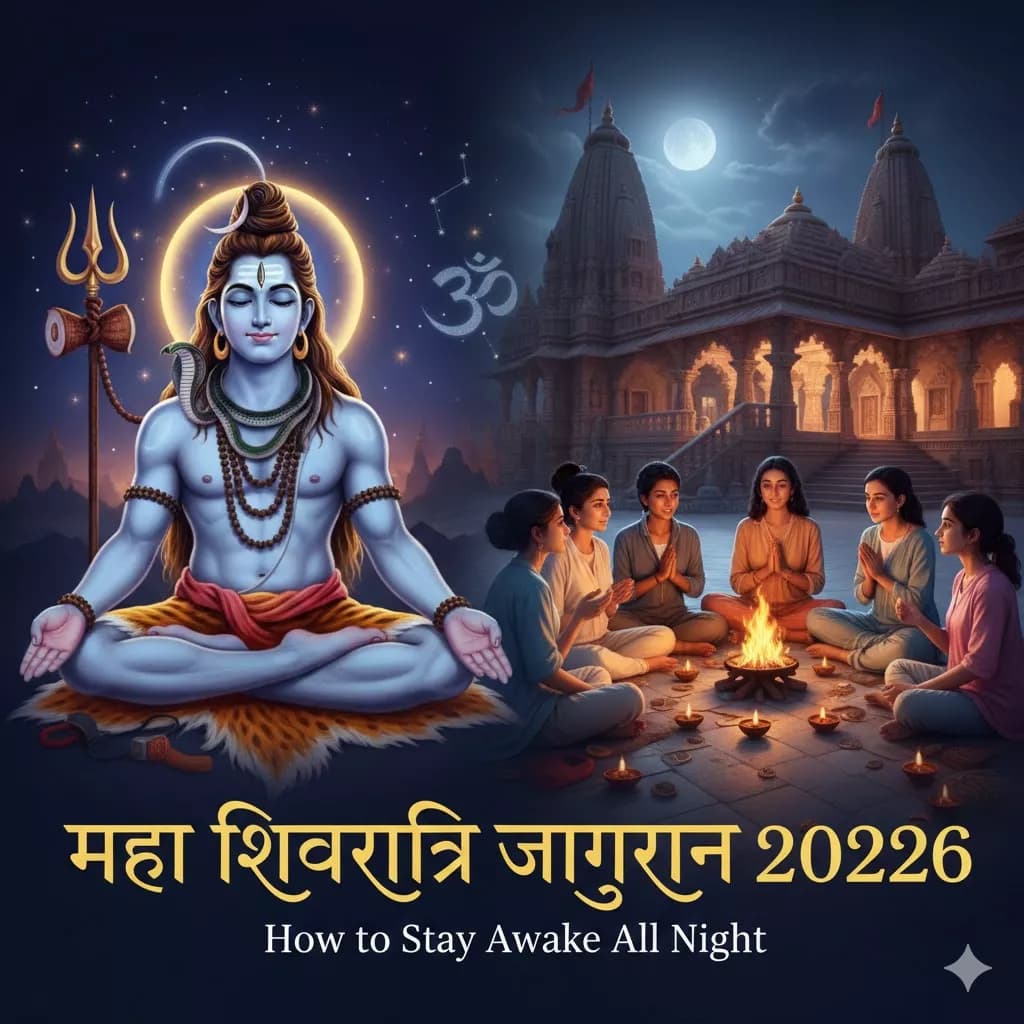
According to the Shiva Purana, Shivaratri is the night dedicated to conquering tamas guna—the quality of darkness, inertia, and ignorance. While most nights lull beings into unconsciousness, Shivaratri invites wakefulness. Staying awake is symbolic: it represents vigilance over the mind and senses.
By fasting and maintaining a night-long vigil (jagaran), the devotee weakens the hold of habitual desires and mental restlessness. Hunger, sleep, and distraction are transcended, allowing the seeker to experience clarity and inner silence.
2. Union of Shiva and Shakti
One of the most sacred interpretations of the spiritual significance of Maha Shivaratri is the divine union of Shiva and Shakti—pure consciousness and dynamic energy.
The Padma Purana narrates that Maha Shivaratri commemorates the night when Goddess Parvati, through intense tapasya, attained Shiva as her eternal consort. This union is not merely mythological; it is metaphysical. It symbolizes the merging of Purusha (awareness) and Prakriti (nature), the harmony of stillness and movement within the universe—and within the human being.
On Shivaratri, devotees honor this sacred balance, seeking harmony between mind and soul, action and awareness.
3. Path to Self-Realization
The Upanishads describe Shiva not as a sectarian deity but as Brahman itself—the infinite, formless reality. Observing Shivaratri with sincerity becomes a step toward Atma Jnana (self-knowledge).
The night encourages introspection. As external lights dim, the inner lamp is kindled. The seeker realizes that Shiva is not distant—He is the very consciousness by which one knows, sees, and exists.
Sacred Legends of Maha Shivaratri
The power of Shivaratri is illuminated through ancient legends that carry profound symbolic meaning.
The Halahala Poison: Shiva as the Compassionate Savior
During the cosmic event of Samudra Manthan (churning of the ocean), a deadly poison known as Halahala emerged, threatening to destroy creation. Gods and demons alike trembled. In this moment of cosmic crisis, Shiva consumed the poison to protect the universe.
Parvati held His throat to prevent the poison from spreading, turning it blue—thus Shiva became Neelkantha, the blue-throated one.
This legend reveals Shiva as destroyer and yogi—the one who absorbs suffering without passing it on, who transforms poison into protection. Shivaratri honors this boundless compassion, reminding devotees that true spirituality is the courage to hold the world’s pain with equanimity.
Parvati’s Tapasya: Devotion That Melts the Absolute
The Shiva Purana beautifully describes Parvati’s unwavering austerities to attain Shiva. She renounced comfort, endured extremes, and focused solely on divine remembrance. Her devotion was not transactional—it was total surrender.
Maha Shivaratri marks the fruition of this tapasya. It teaches that grace is not random; it flows toward steadfast devotion and inner purity.
Shiva’s Tandava: The Cosmic Dance of Creation and Dissolution
Another tradition associates Shivaratri with Shiva’s Ananda Tandava, the ecstatic cosmic dance. This dance is not mere movement—it is the rhythm of the universe itself, where creation, preservation, and dissolution unfold in divine balance.
On this night, devotees meditate upon Shiva as Nataraja, understanding that change, endings, and transformation are sacred movements of cosmic intelligence.
Shiva Tattva: Philosophical Depth of Shivaratri
To grasp the spiritual significance of Maha Shivaratri, one must understand Shiva Tattva.
Shiva as Adiyogi
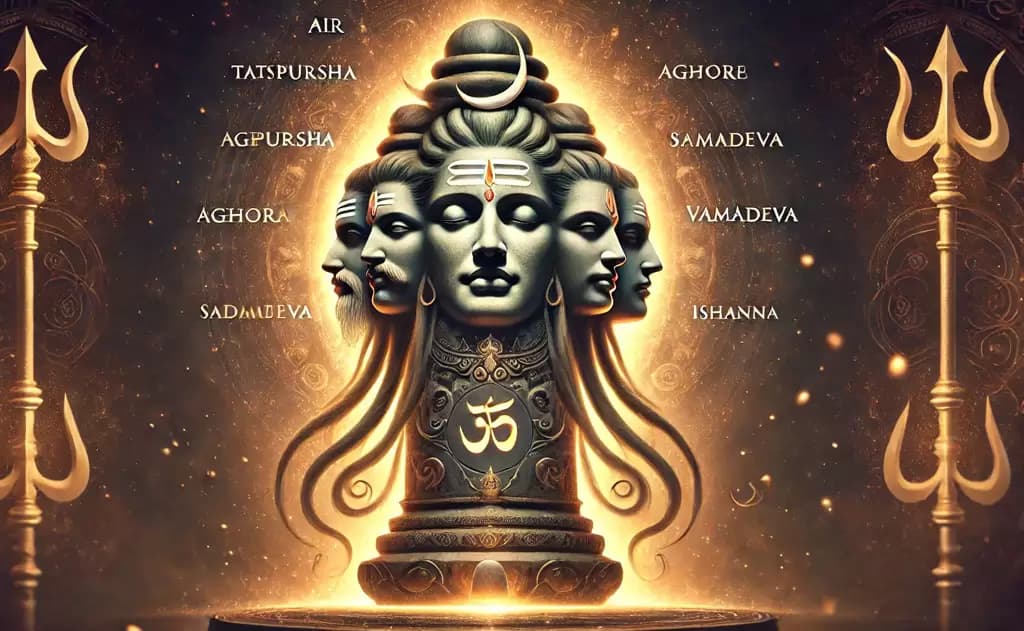
The Upanishads and yogic traditions revere Shiva as Adiyogi, the first yogi, the original guru who transmitted the science of yoga to humanity. On Shivaratri, the seeker aligns with this yogic lineage.
Meditation on this night is said to awaken dormant spiritual energy (kundalini), guiding it upward toward liberation.
Linga Worship: Symbol of the Infinite
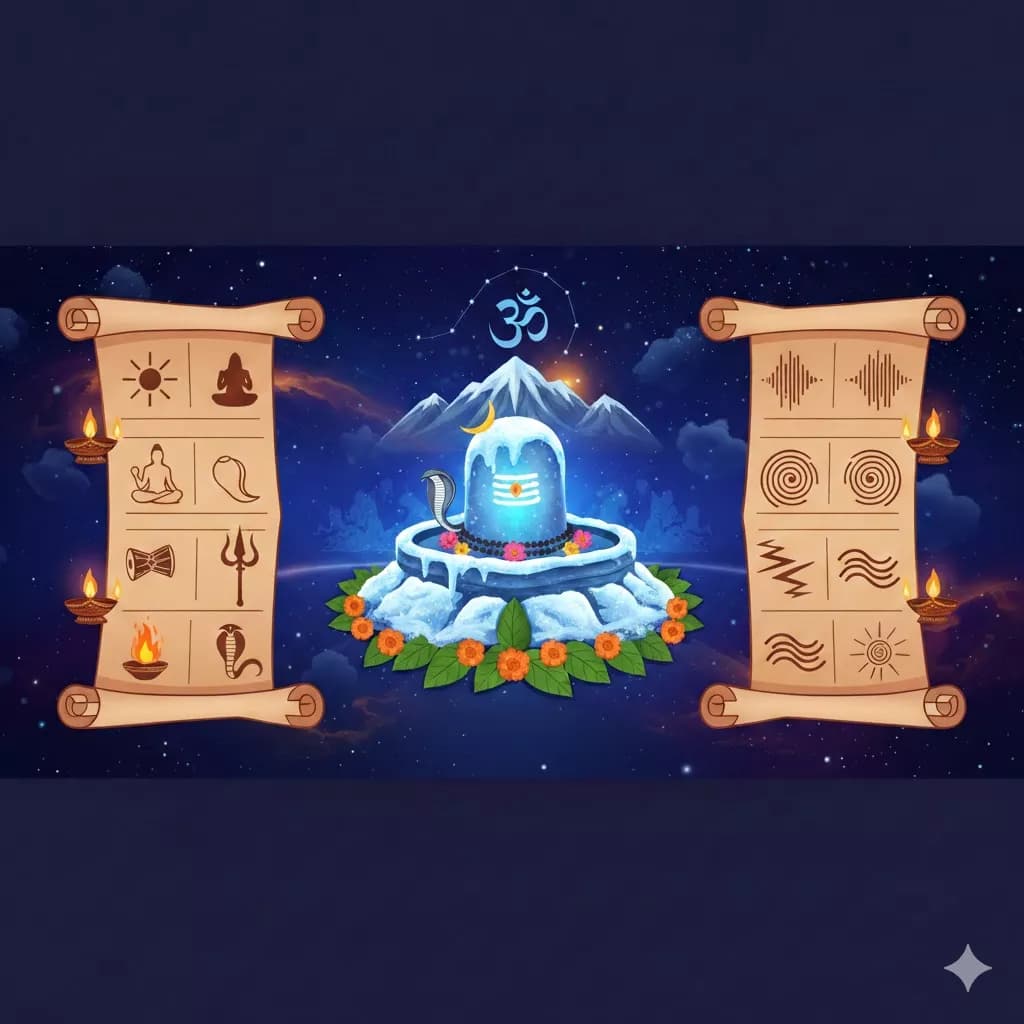
The Shiva Linga, central to Shivaratri worship, is often misunderstood. Far from being a mere icon, it is a profound symbol of the formless infinite. The Skanda Purana explains that the Linga represents the cosmic pillar of light (Jyotirlinga)—beginningless and endless.
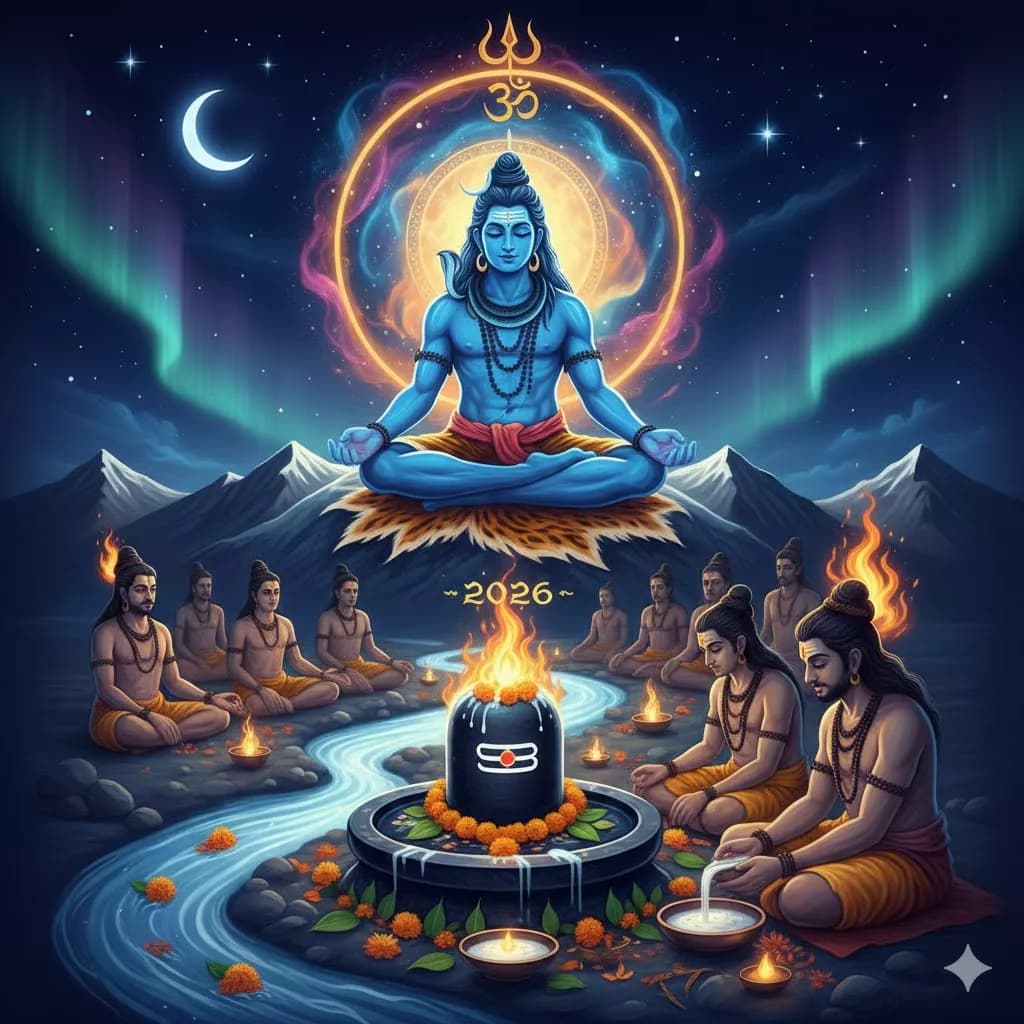
Pouring water, milk, or bilva leaves over the Linga is a ritual of surrender—offering one’s ego, emotions, and actions back to the source.
Benefits of Shivaratri Fasting and Night Vigil
The benefits of Shivaratri fasting are both spiritual and practical.
- Purification of body and mind
- Enhanced mental clarity and discipline
- Reduction of stress and emotional turbulence
- Strengthening of willpower and devotion
- Acceleration of spiritual growth
Ayurvedic wisdom also notes that fasting on lunar transitions helps detoxify the system, while wakefulness aligns biological rhythms with cosmic cycles.
Meditation and Yoga Practices on Maha Shivaratri
Maha Shivaratri is considered one of the most powerful nights for sadhana.
Simple Practices for Devotees
- Mantra Japa: Chant Om Namah Shivaya 108 or 1008 times
- Rudra Abhishekam with devotion and awareness
- Silent Meditation focusing on breath or the space between thoughts
- Pranayama to calm the nervous system
The stillness of this night supports effortless meditation, even for beginners.
Liberation Through Shivaratri: From Bondage to Moksha
Ultimately, Shivaratri points toward moksha. Shiva is known as Ashutosh—easily pleased—but also as Vairagya Murti, the embodiment of renunciation. By honoring Him, devotees learn the art of letting go.
The Kaivalya Upanishad declares that one who realizes Shiva within becomes free from the cycle of birth and death. Shivaratri is a doorway to that realization.
Modern Relevance: Shivaratri in a Stress-Filled World
In today’s restless world, Maha Shivaratri offers deep relevance. Silence over noise. Awareness over anxiety. Surrender over control.
The practices of fasting, meditation, and vigil help modern seekers detox from digital overload, emotional stress, and mental fragmentation. Shiva, the timeless yogi, becomes a guide for balance, resilience, and inner peace.
Devotional Conclusion: The Eternal Whisper of Om Namah Shivaya
As Maha Shivaratri 2026 approaches, let the night become your teacher. Sit in stillness. Light a lamp. Offer a leaf. Whisper the ancient chant:
Om Namah Shivaya
Om Namah Shivaya
Om Namah Shivaya
Let each repetition dissolve fear, ego, and restlessness. May Shiva—the destroyer of ignorance, the supreme yogi, the boundless consciousness—awaken within you.
On this sacred night, may darkness bow to light, and may your soul remember its eternal source.
Har Har Mahadev.
Frequently Asked Questions
When is Spiritual Significance of Maha Shivaratri 2026?
Spiritual Significance of Maha Shivaratri is observed on its traditional tithi in the Hindu lunar calendar; refer to the year's panchang for the exact date in your region.
What is the significance of Spiritual Significance of Maha Shivaratri?
Introduction: The Sacred Night When Darkness Meets Light In the ancient rhythm of Sanatana Dharma, time is not merely counted—it is felt . Certain nights are said to breathe differently, to listen more deeply to human prayers, and to open hidden doorways within the soul.
How is Spiritual Significance of Maha Shivaratri celebrated?
Devotees observe it with puja, fasting or special offerings, visiting temples, chanting mantras, and gathering with family. Customs vary by region and tradition.
What should devotees do on Spiritual Significance of Maha Shivaratri?
Worship Lord Shiva, perform the day's puja and offerings, observe the fast where prescribed, and chant the associated mantras with devotion.