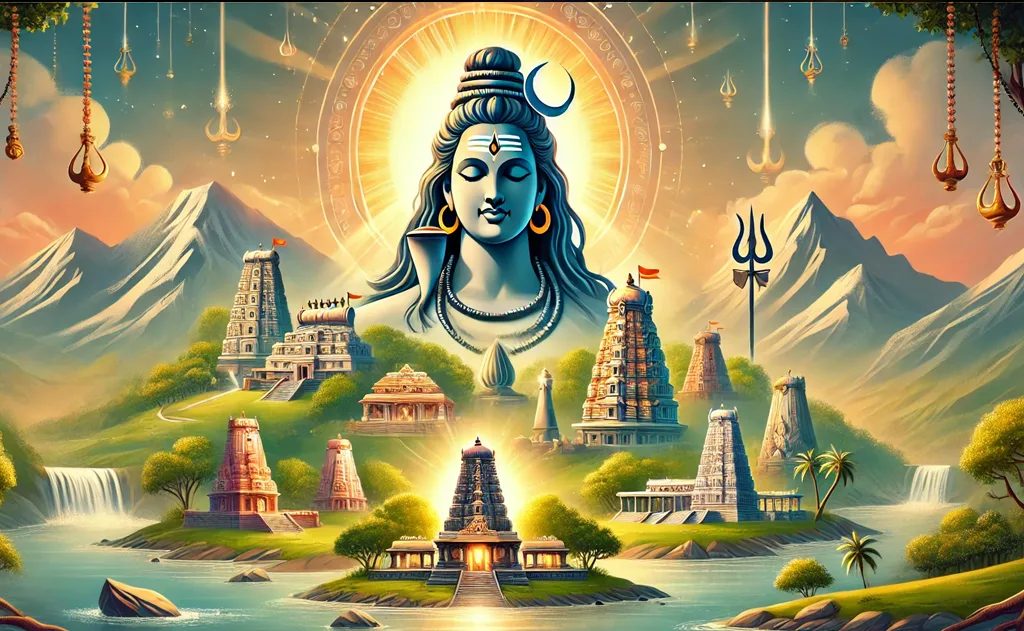
Worldwide Maha Shivaratri Celebrations: A Global Tapestry of Devotion to Lord Shiva
Om Namah Shivaya. As the sacred night of Maha Shivaratri descends upon the world on Sunday, February 15, 2026, millions of hearts turn toward Mahadeva—the…
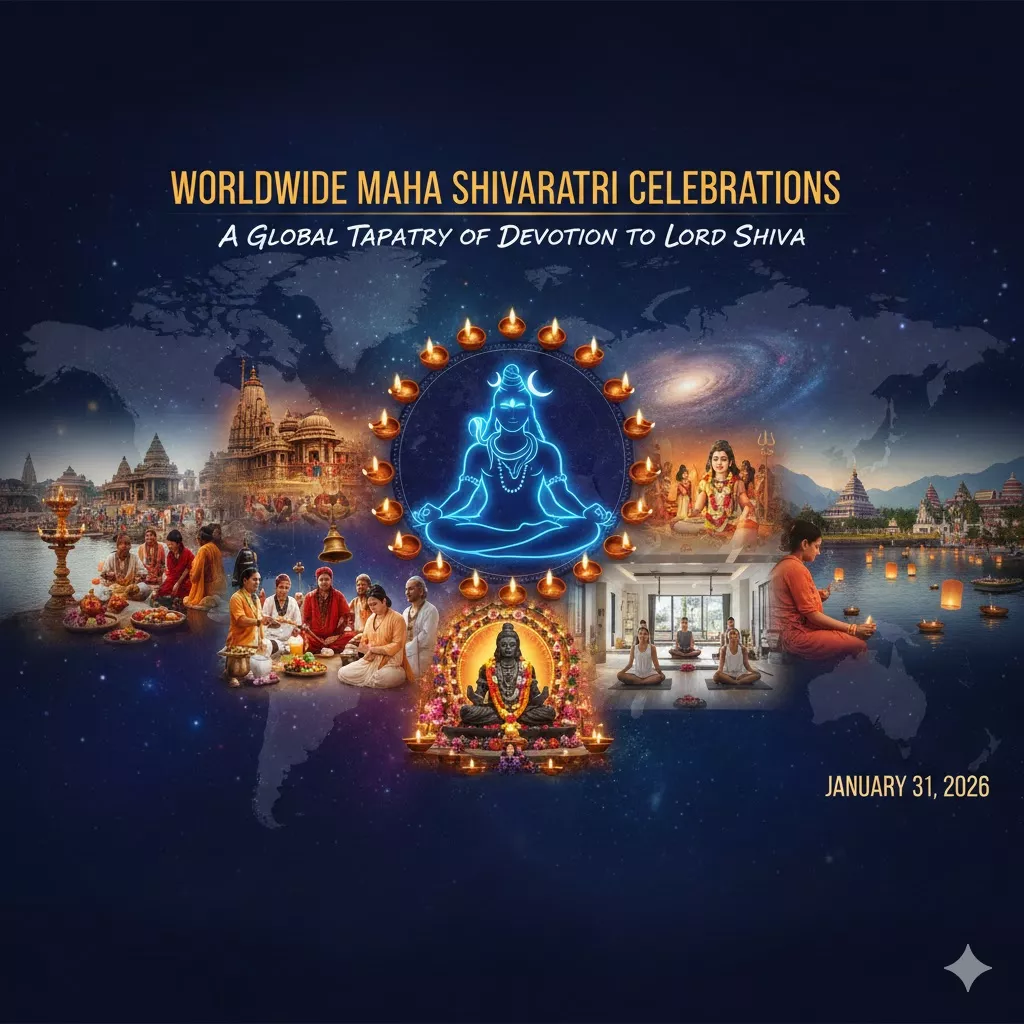
Om Namah Shivaya. As the sacred night of Maha Shivaratri descends upon the world on Sunday, February 15, 2026, millions of hearts turn toward Mahadeva—the…
As the sacred night of Maha Shivaratri descends upon the world on Sunday, February 15, 2026, millions of hearts turn toward Mahadeva—the eternal yogi, the destroyer of illusion, the compassionate Neelkantha. This is not merely a festival confined to the ghats of Varanasi or the peaks of Kailasa; it is a universal call of devotion that echoes across continents, uniting Hindus and Shiva bhaktas from every corner of the globe.
In the spirit of Sanatana Dharma, Maha Shivaratri transcends borders. Whether observed in ancient temples with thronging crowds or in quiet home altars abroad, the essence remains the same: fasting, jagaran (night vigil), chanting Om Namah Shivaya, and offering bilva leaves with unwavering love. For devotees in Hyderabad or the diaspora worldwide, this night reminds us that Shiva's grace knows no geography—He resides in every sincere heart.
Here is a heartfelt, country-wise exploration of how Maha Shivaratri is celebrated around the world, drawing from timeless traditions and vibrant diaspora communities. These observances inspire millions, fostering spiritual awakening and cultural pride.
India: The Heartbeat of Maha Shivaratri
In the motherland, Maha Shivaratri bursts forth with unparalleled fervor. Temples overflow with devotees performing abhishekam, chanting Rudram, and staying awake through the night.
- Varanasi (Kashi): The city of light becomes a sea of saffron as pilgrims bathe in the Ganga, offer prayers at Kashi Vishwanath, and witness grand processions.
- Ujjain (Mahakaleshwar Jyotirlinga): One of the most magnificent celebrations, with bhasma aarti and massive gatherings.
- Tamil Nadu: Elaborate rituals at Arunachalesvara Temple in Tiruvannamalai, with circumambulation of the hill (Girivalam) and cultural performances like Bharatanatyam.
- Karnataka: Temples like Gokarna, Dharmasthala, and Murudeshwara see all-night vigils and special pujas.
- Andhra Pradesh & Telangana: Pancharama Kshetras host vibrant celebrations with honey abhishekam and devotional music.
Across states, families observe nirjala or phalahar vrat, light lamps, and share prasad, embodying the festival's core of inner purification.
Nepal: The Grandest Pilgrimage at Pashupatinath
Nepal declares Maha Shivaratri a national holiday, transforming the nation into a living shrine. The epicenter is Pashupatinath Temple in Kathmandu, one of the holiest Shiva sites worldwide.
Thousands—even over a million—converge here: sadhus smeared in ash, pilgrims from India and beyond, and locals in colorful attire. Devotees bathe in the Bagmati River, offer prayers, and participate in night-long aartis and bhajans. The air resonates with Vedic chants, bells, and the scent of incense. It's a profound blend of spirituality and festivity, drawing global seekers for this sacred convergence.
Mauritius: Sacred Pilgrimage to Ganga Talao
In Mauritius, with its strong Hindu heritage, Maha Shivaratri is a national holiday marked by a grand pilgrimage to Ganga Talao (Grand Bassin), a crater lake considered a sacred extension of the Ganga.
Devotees walk barefoot for miles, carrying kanwars (decorated structures) filled with water or milk to offer to Shiva. Temples overflow with abhishekam, cultural programs, and communal feasts after the fast. The island's Indo-Mauritian community preserves traditions with processions, bhajans, and family pujas, making it one of the most vibrant diaspora celebrations.
Sri Lanka: Devotion in Ancient Temples
Sri Lanka's Hindu communities honor Maha Shivaratri in historic temples like those in Jaffna and Colombo. Fasting, temple visits, and special pujas dominate, often with cultural dances and devotional songs. As a public holiday in some contexts, it strengthens bonds within the Tamil Hindu population.
Indonesia: Bali's Unique Hindu Traditions
In Bali, where Hinduism thrives uniquely, Maha Shivaratri blends with local customs. Devotees perform rituals at temples like Besakih (Mother Temple), offering canang sari and prayers. Night vigils include gamelan music and meditative practices, reflecting Shiva's cosmic dance in Balinese style.
Malaysia & Singapore: Vibrant Diaspora Observances
In Malaysia and Singapore, Hindu temples buzz with activity. Communities gather for group pujas, abhishekam with milk and bilva, and cultural events like kolam designs and bhajans. Temples such as Sri Maha Mariamman in Kuala Lumpur host large crowds, with fasting and jagaran adapted to urban life.
United States & Canada: Diaspora Strength in Temples
In North America, Maha Shivaratri unites Hindu communities in cities like New York, Atlanta, Dallas, Toronto, and Vancouver. Major temples organize midnight pujas, live Rudram recitations, meditation sessions, and cultural programs. Organizations like the Hindu American Foundation highlight it as a time for spiritual renewal. Virtual streams allow global participation, with many NRIs observing home pujas while joining online jagarans.
United Kingdom & Europe: Community Gatherings
In the UK (London, Leicester), Germany, France, and the Netherlands, Hindu mandirs host special events: fasting, devotional singing, and talks on Shiva's legends. The diaspora maintains traditions through community centers, emphasizing meditation and inner awakening.
Caribbean Nations (Trinidad & Tobago, Guyana, Suriname): Indo-Caribbean Joy
Indo-Caribbean Hindus celebrate in hundreds of temples with jhalls (offerings of milk, curd, flowers, sugarcane, sweets). Night-long vigils, bhajans, and family gatherings preserve ancestral practices brought by indentured laborers.
Other Regions: Africa, Australia, and Beyond
In South Africa, Kenya, Tanzania, and Australia, local temples and associations organize pujas and satsangs. In Fiji and other Pacific islands, similar diaspora traditions continue with processions and communal worship.
Why These Global Celebrations Matter in 2026
As Maha Shivaratri 2026 approaches, these worldwide observances remind us of Sanatana Dharma's timeless universality. In an era of division, Shiva's night unites—whether in Pashupatinath's crowds or a quiet apartment in New York. Each bilva leaf offered, each chant uttered, invites Mahadeva's grace for karma cleansing, wish fulfillment, and moksha.
For devotees in Hyderabad or anywhere, embrace this night with devotion. Fast if you can, stay awake, meditate on Shiva as Adiyogi. Share these stories, visit a local temple, or join virtual pujas—His compassion reaches every sincere call.
Hara Hara Mahadeva! May Maha Shivaratri 2026 shower boundless blessings upon all.
Jai Bholenath!
Frequently Asked Questions
When is Worldwide Maha Shivaratri Celebrations?
Worldwide Maha Shivaratri Celebrations falls on February 15, 2026.
What is the significance of Worldwide Maha Shivaratri Celebrations?
As the sacred night of Maha Shivaratri descends upon the world on Sunday, February 15, 2026, millions of hearts turn toward Mahadeva—the eternal yogi, the destroyer of illusion, the compassionate Neelkantha. This is not merely a festival confined to the ghats of Varanasi or the peaks of Kailasa; it is a universal call of devotion that echoes across continent
How is Worldwide Maha Shivaratri Celebrations celebrated?
Devotees observe it with puja, fasting or special offerings, visiting temples, chanting mantras, and gathering with family. Customs vary by region and tradition.
What should devotees do on Worldwide Maha Shivaratri Celebrations?
Worship Lord Shiva, perform the day's puja and offerings, observe the fast where prescribed, and chant the associated mantras with devotion.
You might also like
Karthika Purnima 2026: Significance, Rituals, and the Triple Festival Across Hindu, Sikh, and Jain Traditions
Sri Suktam: Complete Guide to the 15-Verse Vedic Hymn to Goddess Lakshmi
Mahalakshmi Vrata 2026: Significance, Rituals, and the Sixteen-Day Puja That Brings Lakshmi Home