Sri Rama Navami 2025: Date, Vratam, Pooja Vidhi & Festival Significance
📅 Sri Rama Navami 2025 Date & Muhurat Date: Sunday, April 6, 2025 Navami Tithi Begins: April 5, 2025 – 01:23 PM Navami Tithi Ends: April 6, 2025 – 03:14 PM…
📅 Sri Rama Navami 2025 Date & Muhurat Date: Sunday, April 6, 2025 Navami Tithi Begins: April 5, 2025 – 01:23 PM Navami Tithi Ends: April 6, 2025 – 03:14 PM…
📅 Sri Rama Navami 2025 Date & Muhurat
- Date: Sunday, April 6, 2025
- Navami Tithi Begins: April 5, 2025 – 01:23 PM
- Navami Tithi Ends: April 6, 2025 – 03:14 PM
- Pooja Timings: Madhyahna Muhurat (midday), the divine time of Lord Rama’s birth
🏹 History & Significance
Sri Rama Navami marks the birth of Lord Rama, the seventh avatar of Lord Vishnu. Born in Ayodhya to King Dasharatha and Queen Kaushalya, Lord Rama symbolizes:
- Dharma (righteousness)
- Ideal kingship and devotion
- Victory of good over evil
Temples across India perform Rama Kalyanam (divine wedding ceremony) and devotees observe this day with prayers, fasts, and spiritual recitations.
🙏 How Sri Rama Navami is Celebrated
🎶 1. Devotional Singing & Bhajans
- Homes and temples echo with Ram bhajans and kirtans
- Recitations from the Ramayana, especially Sundarakanda, are common
- Mantra chanting: Shri Ram Jai Ram Jai Jai Ram
🌞 2. Observing Vratam (Fasting)
- Some observe a nirjala vrat (no water/food), others follow a sattvic diet
- Fast is broken after pooja and prasadam distribution
🛕 3. Grand Temple Celebrations
- Major temples in Ayodhya, Rameswaram, and Bhadrachalam host divine processions
- Rama Kalyanam is reenacted, symbolizing the sacred union of Rama and Sita
🪔 Sri Rama Navami Pooja Vidhi (Worship Rituals)
🏠 Home Pooja Setup
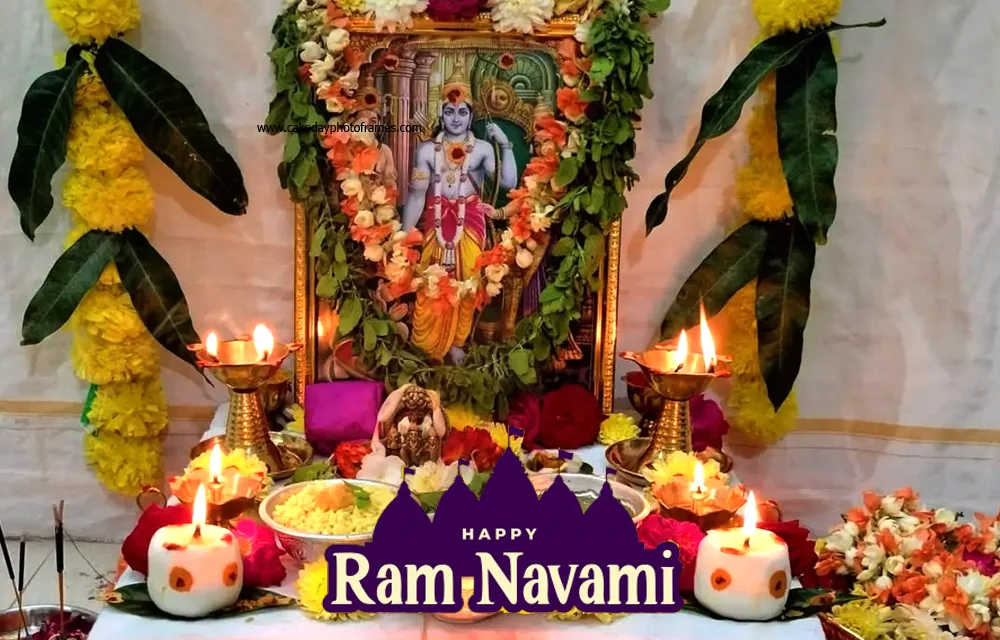
- Clean and decorate the space with rangoli and flowers
- Place idols or images of Lord Rama, Sita, Lakshmana, and Hanuman
🔱 Pooja Steps
- Kalash Sthapana: Set a Kalash with mango leaves & coconut
- Panchamrit Abhishekam: Bathe the idol with milk, honey, ghee, curd, and sugar
- Shodashopachara Pooja: Offer sandalwood, flowers, incense, and diyas
- Ramayana Path: Recite verses from Ramayana and Rama Raksha Stotra
- Prasadam: Distribute Panakam, Kosambari, fruits, and sweets
🍲 Traditional Prasad Recipes
- Panakam – A cooling drink with jaggery, cardamom, and lemon
- Kosambari – Refreshing salad with moong dal, cucumber, and coconut
- Chitranna – Tangy lemon rice
- Payasam/Kheer – Sweet rice pudding with milk and jaggery
🌼 Conclusion
Sri Rama Navami 2025 is a divine celebration of Lord Rama’s birth and the eternal values of truth, virtue, and compassion. Through fasting, pooja, and bhakti, devotees welcome Rama’s blessings of peace, prosperity, and spiritual upliftment.
✨ May the grace of Lord Rama illuminate your life with joy and righteousness! ✨
❓ FAQs About Sri Rama Navami 2025
1. When is Sri Rama Navami in 2025?
📅 April 6, 2025 (Sunday)
2. What is the best time to perform the pooja?
🕛 Madhyahna Muhurat (midday), the most auspicious time
3. Can I eat during the vratam?
🥛 Many observe a strict fast; others consume fruits and sattvic food
4. How is it celebrated in Ayodhya?
🏯 Grand processions, Rama Kalyanam, Ramayana recitations, and bhajans
5. Which mantra is chanted on Sri Rama Navami?
🕉️ Shri Ram Jai Ram Jai Jai Ram and Rama Raksha Stotra
Why is Madhyahna the Most Sacred Time for Sri Rama Navami Worship?
According to the Valmiki Ramayana (Bala Kanda, Sarga 18), Lord Rama was born at midday — the Madhyahna Lagna — when the sun was in the Mesha Rashi (Aries) and the Punarvasu Nakshatra was ascendant. This precise celestial alignment is considered the most auspicious moment of the entire Navami Tithi, which is why temples and households schedule their core rituals — Abhishekam, Kalyanam, and Aarti — specifically during this midday window.
The Madhyahna Muhurat on April 6, 2025 falls approximately between 11:08 AM and 1:38 PM (local Ayodhya time). Devotees who cannot observe the full-day Vratam are still encouraged to perform at least a brief Shodashopachar Pooja during this window, as even a short worship at the correct lagna carries the spiritual merit of a complete ritual according to Dharmashastra texts.
The Significance of Rama Kalyanam — A Celebration Found in Temples Across India
Rama Kalyanam, the ceremonial re-enactment of Lord Rama's marriage to Devi Sita, is observed with particular grandeur at the Sri Sita Ramachandra Swamy Temple in Bhadrachalam, Telangana, and at the Sri Ranganathaswamy Temple in Srirangam, Tamil Nadu. At Bhadrachalam, the state government traditionally presents the 'Pattu Vastram' (silk garments) on behalf of the people — a tradition that is centuries old and reflects the deep integration of the Ramayana's legacy into local culture.
The theological basis for celebrating the Kalyanam on Navami rather than on a separate occasion lies in the understanding that Rama's birth and his dharmic role as an ideal husband (Eka Patni Vrata) are inseparable. The Skanda Purana and several regional Sthala Puranas describe how witnessing Rama Kalyanam dissolves the sins of seven past lives and bestows the blessings of Grihastha Dharma on married couples.
What Scriptural Texts Should Be Recited During Sri Rama Navami Vratam?
The Valmiki Ramayana's Bala Kanda narrates the birth episode directly and is the primary scripture for the day. The Adhyatma Ramayana, embedded within the Brahmanda Purana, adds a layer of Advaitic interpretation, portraying Rama as the Param Brahman who descends out of compassion for the jiva. Reciting at least one chapter from either text during the Pooja is considered equivalent to a full Tirtha Yatra according to the Padma Purana.
The Rama Raksha Stotra, composed by the sage Budhakaushika Muni and recorded in the Skanda Purana, is a 38-verse kavacham that invokes Rama's protection from head to foot. Chanting it 108 times on Navami is a traditional Vratam discipline. Additionally, the Sundara Kanda of the Valmiki Ramayana — which chronicles Hanuman's devotion and search for Sita — is recited because it is considered mangalamaya (inherently auspicious) and is believed to remove obstacles when read in its entirety on this day.
Panakam and Kosambari — Why These Specific Prasad Items Are Offered on Rama Navami
Panakam, the jaggery-and-pepper drink, and Kosambari, the soaked-lentil salad, are not arbitrary choices — they are deeply connected to the seasonal and Ayurvedic context of Chaitra Masa (spring). Navami falls at the height of the Indian summer's onset, and both items are cooling in nature according to classical Ayurveda. Temples in the Vaishnavava Divya Desam tradition, particularly in Karnataka and Andhra Pradesh, have offered these two items as Naivedyam for Rama for several centuries as part of their Agama-prescribed rituals.
The use of jaggery (gud) instead of refined sugar in Panakam carries symbolic weight: jaggery is considered Sattvic, unrefined, and connected to the earth — appropriate for a Vratam that emphasises simplicity and purity. Neem flowers (Vaepampoo) are also added in the Tamil and Telugu traditions as a Naivedyam item on this day, signifying the acceptance of life's bitterness alongside its sweetness — a lesson central to Rama's own stoic journey through exile and trial.
How Ayodhya Celebrates Sri Rama Navami — Ancient City, Living Tradition
Ayodhya, situated on the banks of the Sarayu River in present-day Uttar Pradesh, is the Janmabhoomi of Lord Rama and the epicenter of Rama Navami observances. The newly consecrated Sri Ram Janmabhoomi Temple complex, along with the ancient Kanak Bhavan Temple (where idols of Rama and Sita are adorned with gold crowns gifted by Queen Kaikeyi according to local tradition), hosts lakhs of pilgrims during the Navami period.
A special feature of Ayodhya's Navami celebration is the Surya Tilak ceremony, in which sunlight is scientifically directed through mirrors and lenses to fall precisely on the forehead of the Ram Lalla idol at the moment of Madhyahna. This optical arrangement, developed and installed in the new temple, is timed to coincide with the traditional birth hour and represents the living continuity of a devotional idea — that the Sun God himself anoints his descendant Rama on his birthday, as the Ikshvaku dynasty is of solar lineage (Surya Vamsha).
The Spiritual Meaning of the Rama Navami Vrat — Fasting as an Inner Practice
The Ekadashi Vrat and the Janmashtami Vrat are well-known fasting observances in the Vaishnava calendar, but the Rama Navami Vrat holds a distinct place because it combines Tithi significance (Navami), Nakshatra significance (Punarvasu), and an Avatar's Janma — three auspicious factors converging simultaneously. The Agni Purana states that observing this Vrat with sincerity grants the fruit of performing a Rajasuya Yajna.
Beyond the physical act of fasting, classical Dharmashastra texts describe the inner dimension of the Vrat as Mano-Nigraha — control of the mind. Devotees are encouraged to spend the day in Satsang, Ramayana Shravanam (listening to the narrative), and silent Japa of the Taraka Mantra 'Ram.' The Yoga Vasishtha, one of the most philosophically rich texts associated with Rama, teaches that Rama's equanimity during exile — his ability to remain undisturbed amid hardship — is itself the supreme spiritual teaching, and the Vrat is an invitation to embody even a fraction of that stillness for one day.
Frequently Asked Questions
When is Sri Rama Navami?
Sri Rama Navami falls on April 6, 2025.
What is the significance of Sri Rama Navami?
📅 Sri Rama Navami 2025 Date & Muhurat Date: Sunday, April 6, 2025 Navami Tithi Begins: April 5, 2025 – 01:23 PM Navami Tithi Ends: April 6, 2025 – 03:14 PM Pooja Timings: Madhyahna Muhurat (midday), the divine time of Lord Rama’s birth 🏹 History & Significance Sri Rama Navami marks the birth of Lord Rama , the seventh avatar of Lord Vishnu. Born in Ayodhya
How is Sri Rama Navami celebrated?
Devotees observe it with puja, fasting or special offerings, visiting temples, chanting mantras, and gathering with family. Customs vary by region and tradition.
What should devotees do on Sri Rama Navami?
Worship Lord Rama, perform the day's puja and offerings, observe the fast where prescribed, and chant the associated mantras with devotion.
You might also like
Gita Jayanti 2026 Prasad Recipes — Tulsi-Honoring Sweets, Krishna's Favourites & December 10 Bhog Plate
Shani Deva Temples Worldwide & Must-Performed Rituals — Complete Devotee's Guide
Maha Shivratri 2026 Vrat Recipes — Sabudana Khichdi, Singhada Halwa, Phalahara Foods Complete Fasting Guide