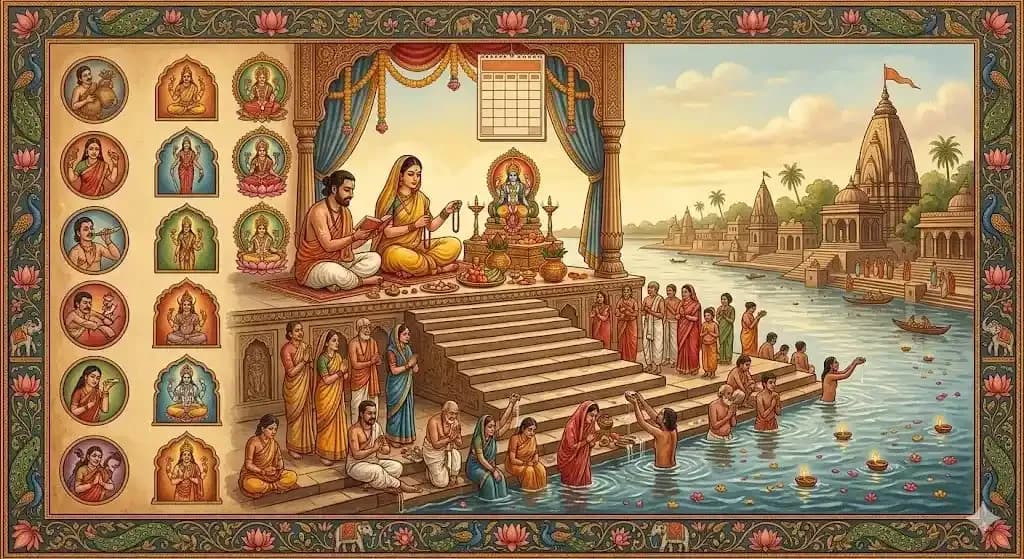
Maha Shivaratri 2026 in Brisbane: A Night of Silence, Self-Mastery, and Shiva Consciousness in Queensland
Maha Shivaratri in Brisbane: Stillness Amid Sun, River, and Routine Brisbane is a city shaped by sunlight, river winds, and a relaxed rhythm of life.
Maha Shivaratri in Brisbane: Stillness Amid Sun, River, and Routine Brisbane is a city shaped by sunlight, river winds, and a relaxed rhythm of life.
Maha Shivaratri in Brisbane: Stillness Amid Sun, River, and Routine
Brisbane is a city shaped by sunlight, river winds, and a relaxed rhythm of life. Yet on the night of Maha Shivaratri, a deeper current flows beneath the calm surface. Hindu homes grow quieter, temples remain awake, and devotees consciously step away from comfort toward awareness.
Maha Shivaratri is not a festival of expansion — it is a festival of withdrawal. Withdrawal from excess thought, speech, sleep, and desire. Lord Shiva, the Adiyogi, is worshipped not as a giver of abundance but as the remover of illusion.
For Brisbane’s Hindu community — spread across Logan, Sunnybank, Springfield, and the greater South East Queensland region — Shivaratri is a night of grounding, restraint, and inner alignment.
Maha Shivaratri 2026 Date and Timings in Brisbane (Queensland)
Brisbane follows Australian Eastern Standard Time (AEST) in February.
- Maha Shivaratri Date:
Sunday, 15 February – Monday, 16 February 2026 - Chaturdashi Tithi Begins:
9:04 PM AEST, February 15 - Chaturdashi Tithi Ends:
9:34 PM AEST, February 16 - Nishita Kaal (Most Auspicious Period):
12:09 AM – 12:58 AM AEST - Parana (Breaking the Fast):
After sunrise, approximately 6:15 AM, February 16
In Shaiva understanding, Nishita Kaal is the moment when external movement pauses and inner awareness becomes naturally accessible.
Why Shivaratri Is a Night, Not a Day Festival
Shiva is the lord of meditation, cremation grounds, and silence — not marketplaces and spectacle.
The night vigil represents:
- Conscious resistance to sleep (tamas)
- Control over habit and impulse
- Stillness of body and clarity of mind
- Union of awareness with breath
In Brisbane’s comfort-oriented lifestyle, Shivaratri is a voluntary discipline — chosen, not imposed.
Major Maha Shivaratri Temples in Brisbane and Queensland
Queensland’s Hindu temples observe Shivaratri with sincerity rather than grandeur, emphasizing mantra, abhishekam, and collective silence.
Key Shivaratri Observances in Brisbane Region
- Shri Lakshmi Narayan Mandir
One of Queensland’s most respected Hindu temples, conducting night-long Shiva abhishekam, Vedic chanting, and community prayers. - Shri Shiva Vishnu Temple
A vital spiritual center for the South East Queensland Hindu community, known for structured Shivaratri pujas and inclusive participation. - ISKCON Brisbane
Observes Shivaratri through meditation, kirtan, and philosophical reflection, drawing younger devotees and seekers.
During Shivaratri, these spaces feel less like temples and more like ashrams within the city.
The Four Praharas of Shivaratri (Queensland Observance)
Each Prahar reflects a stage of inner refinement.
First Prahar (Evening)
- Setting intention (sankalpa)
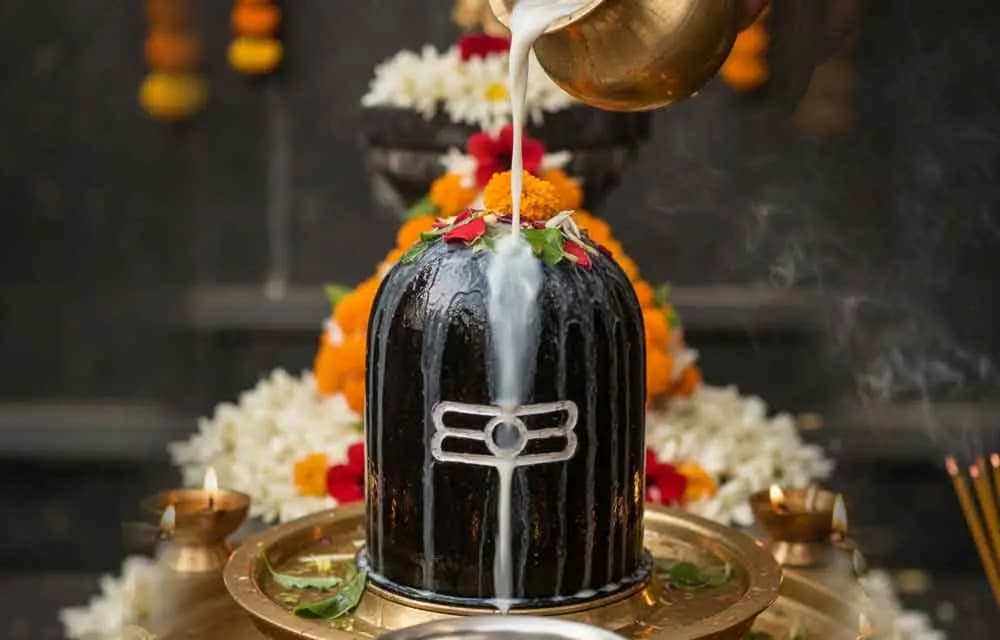
- Initial abhishekam
- Mental disengagement from daily life
Second Prahar (Late Night)
- Continuous chanting of “Om Namah Shivaya”
- Bhajans centered on detachment
- Listening rather than speaking
Third Prahar – Nishita Kaal (Midnight)
- Core spiritual window
- Maha Mrityunjaya Mantra japa
- Silent sitting
- Awareness without expectation
Fourth Prahar (Pre-Dawn)
- Gratitude and surrender
- Completion of fast
- Preparation to re-enter life with restraint
Shivaratri Fasting in Brisbane’s Summer Climate
Queensland’s February heat makes mindful fasting essential.
Common Shivaratri Fasting Practices in Brisbane
- Phalahar Vrat: Fruits, coconut water, milk
- Milk and Water Fast: Widely practiced
- Modified Fast: One light sattvic meal before sunset
From a spiritual lens, fasting is successful when mental cravings weaken, not when physical strain increases.
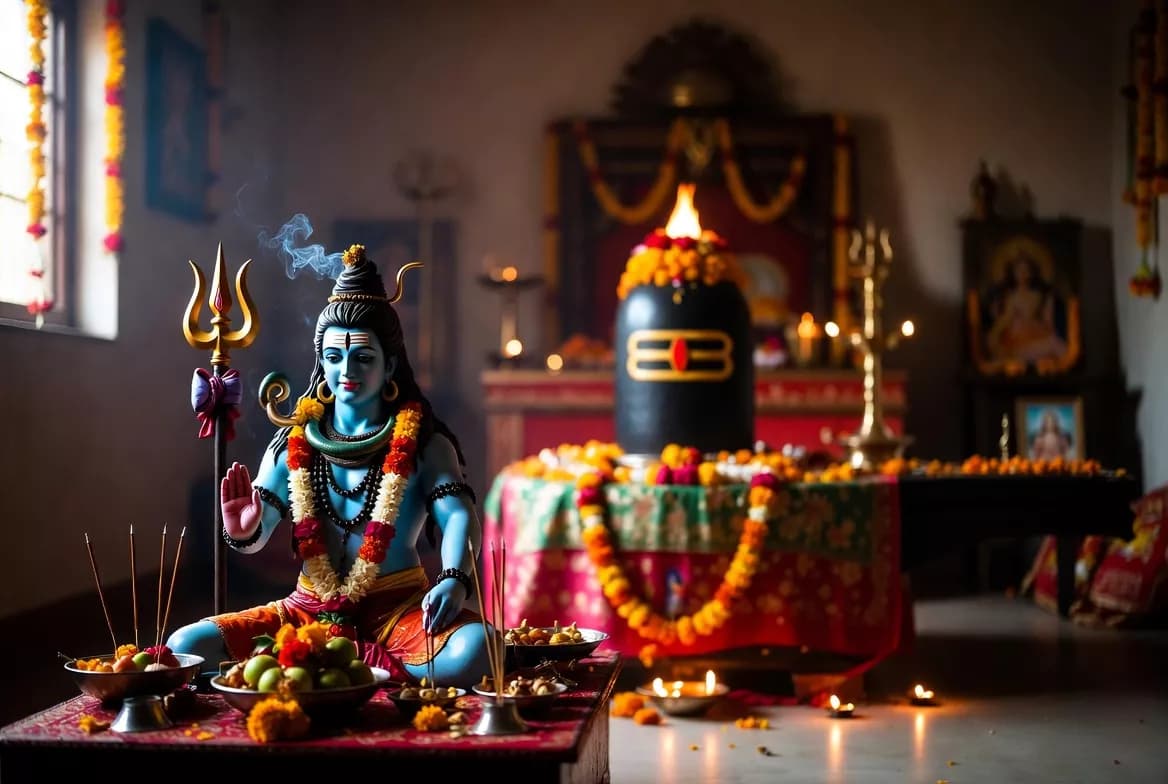
Home Shivaratri Worship in Brisbane Households
Many families choose home observance due to distance or work schedules.
Simple Home Puja Setup
- Shiva Lingam or image
- Water or milk for abhishekam
- Bilva leaves (available in Indian stores across Sunnybank and Logan)
- Oil lamp and incense
- Quiet, undisturbed space
Shiva does not demand complexity — sincerity is sufficient.
Introducing Shivaratri to Children in Queensland
For Australian-born children, Shivaratri should be framed as:
- A night of calm
- A lesson in discipline
- A pause from screens and noise
- An experience, not an obligation
Short meditation, storytelling, and symbolic participation build understanding without resistance.
The Relevance of Shivaratri in Modern Brisbane Life
In a culture focused on ease, Shivaratri teaches:
- Voluntary restraint
- Comfort without attachment
- Silence as strength
- Awareness as wealth
This is why many Brisbane professionals and students now approach Shivaratri as a mental detox and spiritual reset.
Frequently Asked Questions (Brisbane Context)
Is temple attendance compulsory?
No. Shiva responds to awareness, not geography.
Is fasting mandatory?
No. Reducing distractions is also a valid discipline.
Can non-Hindus attend Shivaratri in Brisbane?
Yes. Most temples welcome respectful visitors.
Conclusion: Maha Shivaratri as Inner Stillness in Queensland
On Maha Shivaratri 2026, as Brisbane rests beneath warm skies and quiet streets, devotees sit awake — not seeking miracles, but seeking clarity, discipline, and dissolution of inner noise.
Shiva is not found in excess prayer or elaborate ritual.
He is found when the mind becomes still.
That stillness is Shivaratri.
Om Namah Shivaya
Har Har Mahadev
You might also like
Shiva Vrats of June 2026: Kalashtami (June 8) & Masik Shivaratri (June 13)
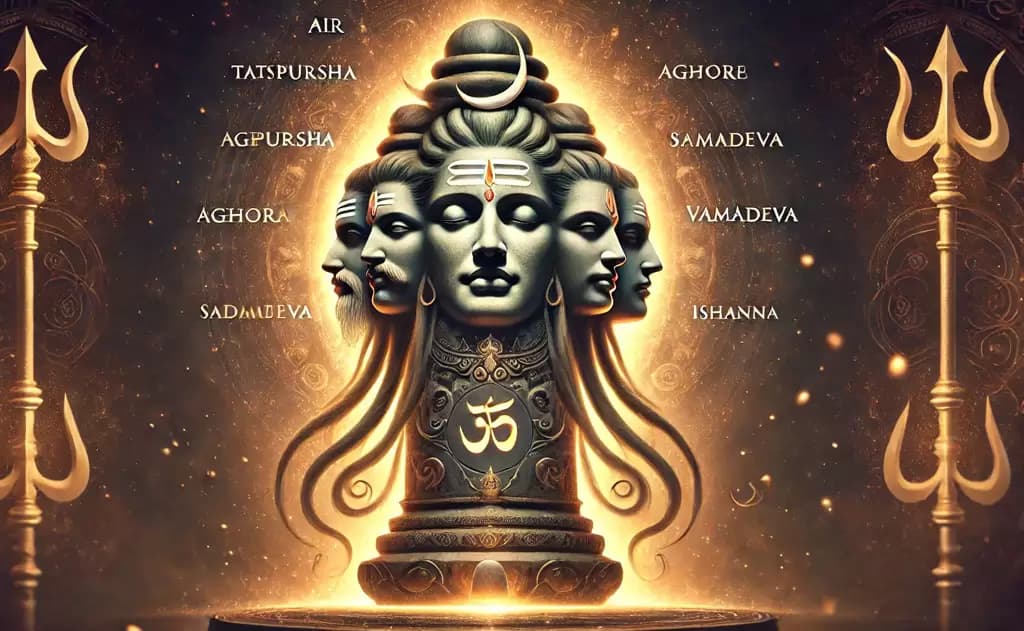
Lord Shiva: The Three Faces NRI Devotees Should Know in 2026
Maha Shivratri 2026: Complete Puja Guide with Mantras, Four Prahara Vigil & Fast Rules