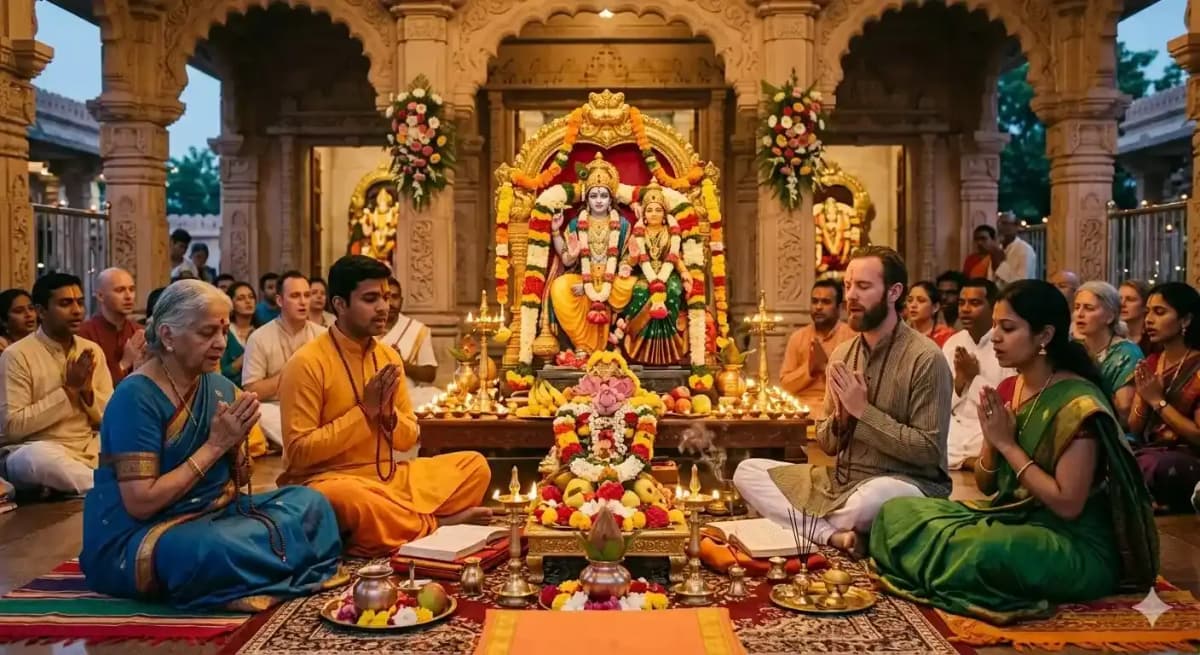
Maha Shivaratri 2026 in New York: Your Complete Celebration Guide
Published: February 14, 2026 | Reading Time: 8 minutes Event Date: Sunday, February 15 - Monday, February 16, 2026Coverage: New York City, Long Island, New…
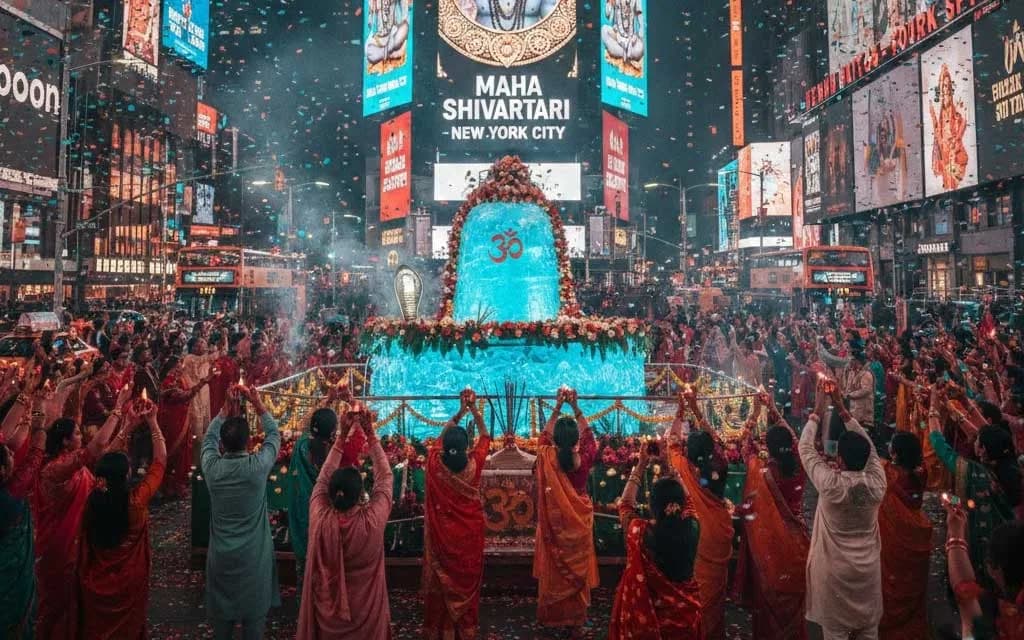
Published: February 14, 2026 | Reading Time: 8 minutes Event Date: Sunday, February 15 - Monday, February 16, 2026Coverage: New York City, Long Island, New…
Published: February 14, 2026 | Reading Time: 8 minutes
Event Date: Sunday, February 15 - Monday, February 16, 2026
Coverage: New York City, Long Island, New Jersey, Connecticut
Quick Information at a Glance
Maha Shivaratri 2026 Date: Sunday, February 15, 2026 (night vigil extends to February 16)
Chaturdashi Tithi Begins: 5:04 PM EST, February 15, 2026
Chaturdashi Tithi Ends: 5:34 PM EST, February 16, 2026
Nishita Kaal Puja Time: 12:09 AM - 12:58 AM EST (Most Auspicious)
Breaking Fast (Parana): After 6:00 AM on February 16, 2026
Understanding Maha Shivaratri: The Great Night of Lord Shiva
Maha Shivaratri, meaning "The Great Night of Shiva," stands as one of the most spiritually significant festivals in the Hindu calendar. Observed on the fourteenth day of the dark fortnight in the month of Phalguna, this sacred night honors Lord Shiva—the deity of transformation, meditation, and cosmic consciousness.
For the vibrant Hindu community in New York and the tri-state area, Maha Shivaratri represents more than a religious observance. It serves as a powerful connection to ancestral traditions, a celebration of cultural identity, and an opportunity to introduce younger generations to profound spiritual practices that have endured for millennia.
The festival commemorates multiple sacred events including Lord Shiva's cosmic dance (Tandava), his consumption of poison to save the universe, and his divine union with Goddess Parvati. Devotees believe this night holds extraordinary spiritual energy, making it ideal for meditation, prayer, and inner transformation.
Why Shivaratri Matters to New York's Hindu Community
In the diverse metropolitan landscape of New York, Maha Shivaratri brings together Hindus from various regional backgrounds—North Indian, South Indian, Bengali, Tamil, Gujarati, and Nepali communities—creating unity through shared devotion. Temple celebrations attract thousands of devotees, making it one of the most attended Hindu festivals in the region after Diwali and Navratri.
Major Hindu Temples Celebrating Maha Shivaratri in New York
The New York metropolitan area hosts numerous temples that organize elaborate Maha Shivaratri celebrations, welcoming thousands of devotees for night-long worship and spiritual activities.
New York City & Queens
1. Hindu Temple Society of North America (Ganesh Temple)
Location: 45-57 Bowne Street, Flushing, NY 11355
Phone: (718) 460-8484
Website: nyganeshtemple.org
Highlights:
- As the oldest and most prominent Hindu temple in the region, the Flushing Ganesh Temple hosts one of the largest Maha Shivaratri celebrations in North America
- Continuous Rudrabhishekam ceremonies throughout the night
- Traditional abhishekam with milk, honey, and bilva leaves
- Vedic chanting by trained priests
- Cultural programs featuring classical music and dance performances
- Community prasadam distribution
Special Features:
- The temple conducts puja in all four praharas (quarters) of the night
- Special darshan arrangements for families with children
- Typically opens extended hours from 6:00 AM on February 15 through the night until 8:00 AM on February 16
Parking: Limited on-site parking on Smart Street; street parking available; Central Parking System at $7 with temple validation
Accessibility: 7 Train to Flushing-Main Street (10-minute walk) or LIRR to Flushing
2. Shree Tulsi Mandir
Location: Queens, New York
Community Focus: Welcoming environment for newcomers
Highlights:
- Authentic traditional ceremonies with imported religious murtis from India
- Architectural beauty featuring detailed Indian craftsmanship
- Community prayer services followed by traditional prasadam
- Explanations of rituals in English and Hindi for younger generations
3. Shiva Mandir
Location: New York City
Specialty: Dedicated specifically to Lord Shiva worship
Highlights:
- Intimate, focused Shivaratri celebrations
- Specialized Shiva pujas throughout the night
- Continuous Om Namah Shivaya chanting circles
- Meditation sessions led by experienced practitioners
- Deep spiritual atmosphere ideal for serious devotees
4. Brooklyn Hindu Temple
Location: Brooklyn, NY
Highlights:
- Beloved community temple offering solace and devotion
- Traditional Shivaratri observances
- Family-friendly environment
- Evening bhajan sessions
- Accessible to Brooklyn and Manhattan residents
5. Satya Narayan Mandir
Location: 75-15 Woodside Avenue, Jackson Heights, NY 11373
Phone: (718) 899-8863
Highlights:
- Convenient Jackson Heights location
- Traditional North Indian style celebrations
- Community-focused programs
6. Hindu Center
Location: 45-52 Kissena Blvd, Flushing, NY 11355
Phone: (718) 784-0287
Highlights:
- Close proximity to Ganesh Temple
- Alternative venue for devotees in Flushing area
[image: 📍] Long Island
7. Hindu Temple of Long Island
Founder: Pandit Harish Sharma
Community Served: North Indian and Sindhi communities
Highlights:
- Comprehensive religious services including specialized Shiv Puja and Rudra Abhishekam
- Explanations of rituals in English and Hindi
- Educational sessions for children about Shivaratri significance
- Community service initiatives
- Cultural activities promoting Hindu philosophy
Special Programs:
- Youth engagement activities
- Traditional music and bhajan sessions
- Prasadam distribution to entire community
8. Vaishnav Temple of New York
Location: Nassau County, Long Island
Special Distinction: North America's first Pushtimargiya Haveli
Highlights:
- Unique Shivaratri celebrations blending Vaishnav and Shaivite traditions
- Spiritual services for all ages
- Community events throughout the festival
- Traditional Gujarati cultural elements
[image: 📍] New Jersey (Greater NY Metro Area)
9. BAPS Swaminarayan Akshardham
Location: 112 North Main Street, Robbinsville, NJ 08691 (approx. 60 miles from NYC)
Website: akshardham.org
Phone: Check official website for current information
Timing: Open daily 9 AM - 7:30 PM (closed Tuesdays; extended hours for festivals)
Highlights:
- The largest Hindu temple in the Western Hemisphere
- Breathtaking architecture featuring hand-carved limestone and sandstone
- Spiritual exhibitions and cultural galleries
- Meditation gardens and peaceful walkways
- Grand-scale Shivaratri celebrations with thousands in attendance
- World-class facilities and organization
Important Visitor Information:
- Timed Entry Required: Free reservation required for weekends and festivals
- Dress Code: Modest attire mandatory (no sleeveless tops; clothing must cover shoulders, chest, back, and knees)
- Photography: Restricted in certain areas
- Time Required: Allocate 3-4 hours for full experience
Getting There from NYC:
- Drive: NJ Turnpike to Exit 7A (approximately 75 minutes)
- Group transportation often arranged by NYC-based organizations during major festivals
[image: 📍] Additional Temples in the Metro Area
10. Sarvamangala Shri Saneeswara Temple
Location: New York
Affiliation: Part of Shri Navagraha Devasthanam of North America
Unique Features:
- Focus on Vedic culture and heritage
- Navagraha (nine planets) worship alongside Shivaratri celebrations
- Traditional South Indian rituals
Maha Shivaratri Rituals and Observances: A Complete Guide
Understanding the traditional practices helps devotees participate meaningfully in this sacred festival.
The Four Praharas (Quarters of the Night)
Maha Shivaratri divides the night into four distinct periods, each with specific rituals and spiritual significance.
First Prahar (6:00 PM - 9:00 PM EST)
Activities:
- Initial abhishekam of Shiva lingam with water
- Offering milk and bilva leaves
- Chanting of basic Shiva mantras (Om Namah Shivaya)
- Recitation of Shiva stotrams
- Offering flowers, fruits, and incense
- Lighting oil lamps around the deity
Significance: This period represents the beginning of spiritual awakening and purification.
Second Prahar (9:00 PM - Midnight EST)
Activities:
- Abhishekam with yogurt, honey, and ghee
- Recitation of Shiva Purana and sacred texts
- Group bhajan sessions
- Offering sandalwood paste
- Continued mantra chanting
Significance: Deepening of devotion and moving toward higher consciousness.
Third Prahar (Midnight - 3:00 AM EST) - MOST AUSPICIOUS
Activities:
- Nishita Kaal Puja (12:09 AM - 12:58 AM) - The most spiritually powerful time
- Rudrabhishekam with sacred ash (vibhuti)
- Chanting of Maha Mrityunjaya Mantra
- Deep meditation and contemplation
- Special offerings to Shiva lingam
Significance: This is considered the hour when Shiva manifests most powerfully. Maximum spiritual benefit accrues during this period.
Important: Even if you cannot stay awake the entire night, try to participate during Nishita Kaal.
Fourth Prahar (3:00 AM - 6:00 AM EST)
Activities:
- Final abhishekam with sandalwood paste and rose water
- Maha Aarti with camphor and numerous lamps
- Final offerings and prayers
- Preparation for breaking the fast at sunrise
- Seeking final blessings from Lord Shiva
Significance: Completion of the spiritual journey through the night, symbolizing enlightenment at dawn.
Fasting Guidelines for Maha Shivaratri
Devotees observe various fasting methods during Maha Shivaratri based on personal capacity and spiritual goals.
Types of Fasts
1. Nirjala Vrat (Complete Fast)
- No food or water throughout the day and night
- Most rigorous form of fasting
- Broken only after sunrise on February 16
- Recommended only for those in good health
- Take medical advice if you have health conditions
2. Phalahar Vrat (Fruit Fast)
- Consuming only fruits, milk, and nuts
- Light sattvic items allowed
- Water and fruit juices permitted
- Suitable for those who work or have moderate health concerns
3. Partial Fast
- One simple meal before sunset (before 6:00 PM on February 15)
- Avoiding grains, salt, and heavy foods
- Sattvic diet maintained
- Most accessible for working professionals
4. Modified Fasting for Health Conditions
- Diabetics should consult doctors and may need to break fast periodically
- Pregnant and nursing mothers should avoid strict fasting
- Children under 12 typically don't fast completely
- Elderly devotees can observe modified fasting
Fasting Procedure
Morning of February 15:
- Wake up early and take a purifying bath
- Wear clean clothes (traditional white or saffron preferred)
- Take Sankalp (pledge) before family deity or Shiva image
- Declare your intention to complete the fast successfully
- Seek Lord Shiva's blessing to maintain discipline
During the Fast:
- Maintain positive thoughts and avoid anger
- Chant mantras or listen to Shiva bhajans
- Read spiritual texts
- Avoid gossip, negative media, or disturbing content
- Engage in seva (selfless service) if possible
Breaking the Fast (Parana):
- After sunrise on February 16 (after 6:00 AM)
- Begin with water or fruit juice
- Follow with light, sattvic food
- Avoid immediate heavy meals
Essential Mantras for Shivaratri
Panchakshari Mantra (Five-Syllable Mantra)
Sanskrit: ॐ नमः शिवाय
Transliteration: Om Namah Shivaya
Meaning: "I bow to Lord Shiva"
Usage: Chant 108 times using a rudraksha mala or continuously throughout the night. This is the most fundamental Shiva mantra suitable for all devotees.
Maha Mrityunjaya Mantra (Great Death-Conquering Mantra)
Sanskrit:
ॐ त्र्यम्बकं यजामहे सुगन्धिं पुष्टिवर्धनम्
उर्वारुकमिव बन्धनान् मृत्योर्मुक्षीय मामृतात्
Transliteration:
Om Tryambakam Yajamahe Sugandhim Pushtivardhanam
Urvarukamiva Bandhanan Mrityor Mukshiya Maamritat
Meaning: "We worship the three-eyed one (Shiva) who is fragrant and nourishes all beings. May he liberate us from death for the sake of immortality, just as a ripe cucumber is separated from its vine."
Usage: Chant during Nishita Kaal for protection, health, and spiritual liberation. Particularly powerful during the third prahar.
Rudra Mantra
Used during Rudrabhishekam ceremonies for purification and divine blessings. Typically chanted by priests during elaborate temple ceremonies.
Shiva Gayatri Mantra
Sanskrit:
ॐ तत्पुरुषाय विद्महे महादेवाय धीमहि तन्नो रुद्रः प्रचोदयात्
Transliteration:
Om Tatpurushaya Vidmahe Mahadevaya Dhimahi Tanno Rudrah Prachodayat
Meaning: "We meditate upon the great Purusha (Shiva). May that Rudra inspire and illuminate our minds."
Abhishekam Items and Their Significance
Different substances used in abhishekam carry specific spiritual meanings:
Regional Variations Across New York Metro Area
Different communities celebrate Maha Shivaratri with unique cultural flavors while maintaining core spiritual elements.
North Indian Traditions
Characteristic Features:
- Heavy emphasis on overnight jagaran (vigil) with continuous bhajan singing
- Traditional songs praising Shiva from Hindi and Punjabi traditions
- Bhaang (traditional cannabis drink) is traditional in India but restricted in the US; celebrations focus on other elements
- Special importance given to bilva (bael) leaves in offerings
- Community langars (free meals) distributed after morning prayers
- Storytelling sessions about Shiva's exploits
Popular Songs:
- "Shiv Tandav Stotram"
- "Om Jai Shiv Omkara"
- "Bhole Baba" bhajans
South Indian Observances
Characteristic Features:
- Elaborate Rudrabhishekam following specific Vedic procedures
- Recitation of Shiva Sahasranama (thousand names of Shiva)
- Traditional oil lamps (diyas) arranged in specific patterns
- Prasadam including panakam (jaggery drink) and sundal (legume preparations)
- More structured, ritualistic approach to ceremonies
- Emphasis on temple architecture and decoration
Special Rituals:
- Ekadasa Rudra Abhishekam (11 abhishekams)
- Chanting of Rudram and Chamakam from Vedas
- Offering specific flowers like dhatura
Tamil Community Celebrations
Characteristic Features:
- Special focus on the 108 Shiva temples tradition (Thevara Vaippu)
- Classical Bharatanatyam performances depicting Shiva's cosmic dance (Nataraja)
- Recitation of Thiruvachakam and other Tamil Shaivite literature
- Community gatherings with traditional Carnatic music
- Strong devotional poetry tradition (Thevaram)
Unique Elements:
- Thiruvasagam recitation by devotees
- Traditional kolam (rangoli) designs depicting Shiva symbols
- Specific Tamil Shiva bhajans
Bengali Shivaratri Customs
Characteristic Features:
- Preparations of traditional sweets like sandesh and mishti doi offered to Shiva
- Emphasis on family participation and children's involvement
- Cultural programs featuring Rabindra Sangeet and devotional songs
- Community feasts after the fast
- Artistic expressions through alpana (floor art)
Special Traditions:
- Offering hemp leaves (bhang pata) in symbolic manner
- Traditional Bengali sweets as prasadam
- Evening cultural programs with music and drama
Gujarati Community Practices
Characteristic Features:
- Vibrant garba and traditional music
- Community gathering at Swaminarayan temples
- Emphasis on family worship
- Special Gujarati prasadam preparations
- Strong community organization
Celebrating Maha Shivaratri at Home in New York
For those unable to visit temples or preferring intimate home worship, here's a comprehensive guide to conducting meaningful Shivaratri celebrations at home.
Setting Up Your Home Altar
Location Selection
- Choose a clean, quiet corner of your home
- Preferably facing east or north direction
- Away from bedrooms and bathrooms
- Well-ventilated area
Altar Setup
- Platform: Use a raised wooden platform or table
- Deity: Place a Shiva lingam, Shiva murti (statue), or framed picture
- Cloth: Cover platform with clean white or saffron cloth
- Decoration: Add fresh flowers (especially datura, lotus, or marigolds)
- Lighting: Arrange space for oil lamps and incense
- Sitting Area: Comfortable space for meditation and chanting
Essential Items
- Small copper or brass kalash (water vessel)
- Oil lamp stand with ghee or sesame oil
- Incense holder
- Small plates for offerings
- Bell (if available)
- Rudraksha mala for chanting
Puja Items Checklist
For Abhishekam
- Fresh water in copper vessel
- Whole milk (organic preferred)
- Plain yogurt
- Honey
- Ghee (clarified butter)
- Sugar or jaggery
- Sandalwood paste (or powder to make paste)
- Rose water
Sacred Leaves and Flowers
- Fresh bilva (bael) leaves - Most Important (available at Indian grocery stores)
- White flowers (lotus, jasmine, or white roses)
- Datura flowers (if available; handle with care as it's toxic)
- Marigold garlands
Puja Essentials
- Incense sticks (preferably natural, sandalwood or rose)
- Camphor tablets
- Dhoop (resin incense)
- Cotton wicks for lamps
- Ghee or sesame oil for lamps
Offerings
- Fresh fruits (apples, bananas, coconut especially)
- Dry fruits and nuts
- Sweets (homemade preferred)
- Betel leaves and nuts (optional)
Spiritual Items
- Sacred ash (vibhuti)
- Kumkum (red vermillion)
- Turmeric powder
- Rudraksha mala (prayer beads)
- Small bell
- Conch shell (if available)
Reading Material
- Shiva Purana or printed version of key stories
- Printed mantras with transliteration
- Shiva Chalisa or Shiva Kavach
Home Celebration Schedule: Step-by-Step Guide
Morning Preparations (February 15)
6:00 AM - 8:00 AM
- Wake up early and take a purifying bath
- Wear clean clothes (white, saffron, or traditional attire preferred)
- Clean the altar area thoroughly
- Arrange all puja items
- Fill water vessels
- Prepare flowers and bilva leaves
8:00 AM - 12:00 PM
- Take Sankalp (pledge) for fasting
- Light incense and lamp at altar
- Offer brief morning prayers
- If observing phalahar fast, have light fruits
- Engage in devotional reading or listening to Shiva bhajans
12:00 PM - 6:00 PM
- Continue spiritual activities
- Prepare final puja items
- Rest and conserve energy for night vigil
- Avoid worldly activities and entertainment
- Maintain silence or minimal conversation
Evening Puja (6:00 PM onwards)
First Prahar (6:00 PM - 9:00 PM)
- Invocation (5-10 minutes)
- Light main oil lamp
- Light incense sticks
- Ring bell three times
- Chant "Om Namah Shivaya" 11 times
- First Abhishekam (15-20 minutes)
- Pour clean water over Shiva lingam/murti from the crown
- Recite "Om Namah Shivaya" with each pour
- Wipe gently with clean cloth
- Pour milk slowly while chanting
- Offer bilva leaves (always in sets of 3)
- Place fresh flowers
- Mantra Chanting (30-45 minutes)
- Chant "Om Namah Shivaya" 108 times using rudraksha mala
- Read from Shiva Purana (choose one story)
- Family members can take turns reading
- Offerings
- Offer fruits on a plate before the deity
- Offer sweets
- Light camphor and perform aarti (circular motion with lamp)
- Ring bell during aarti
- Meditation (15-20 minutes)
- Sit quietly in front of altar
- Focus on your breath or Shiva's form
- Maintain inner silence
Second Prahar (9:00 PM - Midnight)
- Second Abhishekam (15 minutes)
- Abhishekam with yogurt
- Followed by honey
- Then ghee
- Offer fresh bilva leaves and flowers
- Devotional Singing (45 minutes)
- Play or sing Shiva bhajans
- "Shiv Tandav Stotram" (can play recording)
- "Om Jai Shiv Omkara" aarti
- Family participation encouraged
- Scriptural Reading (30 minutes)
- Read stories of Shiva's compassion
- Discuss significance with family
- Particularly good for children
- Light Refreshment (for Phalahar observers)
- Light fruits or milk if observing partial fast
- Water for hydration
Third Prahar - MOST IMPORTANT (Midnight - 3:00 AM)
Nishita Kaal Puja (12:09 AM - 12:58 AM) - THE MOST AUSPICIOUS TIME
- Preparation (11:45 PM)
- Freshen up
- Wear fresh clothes if possible
- Ensure all puja items are ready
- Light fresh incense
- Special Abhishekam (12:09 AM)
- This is the most powerful abhishekam
- Perform with maximum concentration
- Pour water, milk, yogurt, honey, ghee in sequence
- Each substance while chanting appropriate mantras
- Offer bilva leaves after each abhishekam
- Apply sandalwood paste to lingam
- Maha Mrityunjaya Mantra (12:15 AM - 12:45 AM)
- Chant Maha Mrityunjaya Mantra 108 times
- Use rudraksha mala
- Maintain full focus
- This is for health, protection, and spiritual liberation
- Deep Meditation (12:45 AM - 1:00 AM)
- Sit in silence
- Visualize Lord Shiva
- Offer mental worship
- Seek blessings for transformation
- Post-Nishita Kaal (1:00 AM - 3:00 AM)
- Continue chanting "Om Namah Shivaya"
- Read Shiva Sahasranama if possible
- Maintain wakefulness through mantras or bhajans
- Some devotees watch Shivaratri programs on Indian TV channels
Fourth Prahar (3:00 AM - 6:00 AM)
- Final Abhishekam (3:00 AM - 3:30 AM)
- Elaborate abhishekam with all items
- Sandalwood paste application
- Rose water abhishekam
- Final offering of bilva leaves and white flowers
- Maha Aarti (3:30 AM - 4:00 AM)
- Light multiple lamps
- Camphor aarti
- Ring bell continuously
- Sing "Om Jai Shiv Omkara" with full devotion
- Family members participate together
- Final Prayers (4:00 AM - 5:00 AM)
- Recite Shiva Chalisa
- Offer final prayers
- Seek forgiveness for any mistakes in puja
- Request blessings for family and world
- Meditation and Waiting for Dawn (5:00 AM - 6:00 AM)
- Sit in silence
- Wait for sunrise
- Reflect on the night's spiritual journey
Morning Completion (February 16)
After 6:00 AM (Sunrise)
- Breaking the Fast
- Offer final prayers to Lord Shiva
- Drink water slowly
- Have fresh fruit juice
- Consume prasadam (food offered to deity)
- Light breakfast (khichdi, upma, or fruit)
- Concluding Rituals
- Final aarti
- Prostrate before deity
- Seek blessings for the year ahead
- Thank Lord Shiva for allowing you to complete the observance
- Distribution
- Share prasadam with family
- If possible, distribute to neighbors or community
- Feed birds or animals as an act of compassion
Tips for Successful Home Celebration
Energy Management:
- Take short breaks between praharas if needed
- Avoid lying down (may lead to sleep)
- Walk around briefly to maintain alertness
- Splash cold water on face if drowsy
Family Participation:
- Assign different family members to different praharas
- Children can participate in earlier praharas
- Create a welcoming atmosphere
- Make it educational, not burdensome
Technology Use:
- Play Shiva bhajans on speakers
- Watch livestreams from major temples during gaps
- Use smartphone for mantra pronunciation guides
- Set alarms for prahar timings
Safety Considerations:
- Be careful with fire (lamps, camphor)
- Keep water nearby for emergencies
- Don't leave burning items unattended
- Supervise children around altar
Virtual and Online Celebrations
Many New York temples now livestream their Maha Shivaratri celebrations, allowing devotees worldwide to participate remotely.
Livestreaming Temples
Hindu Temple Society of North America (Flushing)
- Check nyganeshtemple.org for livestream links
- Usually broadcasts all four praharas
- High-quality video and audio
- Commentary often provided in English and Hindi
BAPS Swaminarayan Akshardham
- Livestreams major festival programs
- Professional production quality
- Cultural performances included
- Check akshardham.org for details
Other NYC Temples
- Many temples are adopting live streaming
- Check individual temple websites and Facebook pages
- Look for announcements 2-3 days before Shivaratri
Virtual Resources
YouTube Channels:
- Search "Maha Shivaratri 2026 New York live"
- Major temple channels
- Spiritual organizations broadcasting from India
Virtual Satsangs:
- Online meditation and bhajan sessions
- Zoom meetings organized by local spiritual groups
- WhatsApp groups coordinating virtual group chanting
Apps and Websites:
- Temples often use Facebook Live
- Instagram Live for cultural programs
- Dedicated Hindu festival apps
Benefits of Virtual Participation
- Accessible for elderly or mobility-challenged devotees
- Allows participation from home while maintaining your own schedule
- Can follow multiple temple celebrations
- Recorded sessions available for later viewing
- Connects diaspora community globally
Family-Friendly Activities for Children and Youth
Making Shivaratri meaningful for American-born children and youth helps preserve traditions while adapting to modern context.
Educational Activities
Storytelling Sessions (Ages 3-12)
- The Churning of the Ocean: How Shiva drank poison to save the universe
- Shiva's Wedding: The divine union with Parvati
- Ganga's Descent: How Shiva caught the Ganges in his matted locks
- The Moon on His Head: Story of the moon and its connection to Shiva
- The Cosmic Dance: Nataraja's dance of creation and destruction
Age-Appropriate Delivery:
- Use picture books for younger children
- Animated videos available on YouTube
- Comic book versions of Shiva stories
- Interactive storytelling with questions
Arts & Crafts Projects
For Younger Children (Ages 4-8):
- Clay Shiva Lingam Making
- Use air-dry clay or playdough
- Create miniature Shiva lingams
- Paint and decorate after drying
- Can be used for home puja
- Shiva Mask Crafting
- Paper plate Shiva faces
- Add third eye, crescent moon
- Blue coloring for Shiva's complexion
- Attach elastic string
- Bilva Leaf Garlands
- String real or paper bilva leaves
- Decorate altar
- Learn about significance
- Coloring Activities
- Shiva coloring pages
- Mandala designs with Om symbol
- Nataraja dance pose illustrations
For Older Children (Ages 9-15):
- Rangoli/Kolam Designs
- Create Shiva-themed floor art
- Use colored rice, powder, or flowers
- Learn geometric patterns
- Trishul (trident) and damaru designs
- Meditation Journal
- Decorate a special Shivaratri journal
- Write reflections throughout the night
- Draw experiences
- Record mantras learned
- Research Project
- Compare Shivaratri celebrations across India
- Create presentation on Shiva's symbolism
- Research 12 Jyotirlingas
- Photography project documenting temple visit
Music and Dance
Devotional Singing:
- Teach simple Shiva bhajans with actions
- "Om Namah Shivaya" with rhythm
- Kid-friendly versions of traditional songs
- Create family bhajan group
Dance Activities:
- Learn basic Bharatanatyam poses
- Nataraja pose demonstration
- Creative movement to Shiva music
- Tandava dance explanation (age-appropriate)
Modified Fasting for Children
Not Recommended:
- Complete fasting for children under 12
- Water restrictions for any child
Appropriate Options:
- Giving up favorite treat for the day
- One simple meal instead of multiple
- Avoiding junk food for the day
- Special "prasadam-only" eating
Educational Focus:
- Explain why adults fast
- Discuss self-discipline
- Make it a positive choice, not forced
- Celebrate their participation
Technology-Enhanced Learning
Interactive Apps:
- Hindu mythology apps with Shiva stories
- Mantra learning apps with pronunciation
- Virtual temple tours
- Educational games about Hindu festivals
Video Content:
- Age-appropriate documentaries
- Animated Shiva stories on YouTube
- Virtual darshan of famous Shiva temples
- Kid-friendly puja demonstration videos
Youth Engagement (Teens & College Students)
Philosophical Discussions:
- Symbolism of Shiva's attributes
- Meditation and its scientific benefits
- Comparing Eastern and Western spirituality
- Relevance of ancient practices in modern life
Social Activities:
- Youth group gatherings at temples
- Volunteer for temple organization during festival
- Social media campaigns about Shivaratri
- Interfaith dialogue about night vigils (compare with other traditions)
Creative Expression:
- Photography contest at temple
- Written essays on "What Shiva Means to Me"
- Music composition blending traditional and modern
- Short film projects about festival celebration
Practical Tips for New York Devotees
Transportation & Parking
Public Transit Options:
To Flushing Ganesh Temple:
- Subway: 7 Train to Flushing-Main Street (10-minute walk)
- LIRR: Long Island Rail Road to Flushing
- Bus: Q12, Q13, Q15, Q15A, Q16, Q17, Q25, Q26, Q27, Q44, Q48, Q65
To Brooklyn Hindu Temple:
- Subway: Multiple lines depending on exact location
- Check temple website for specific directions
To Long Island Temples:
- Car necessary for most locations
- Organize carpools from NYC
To BAPS Akshardham (Robbinsville, NJ):
- By Car: NJ Turnpike Exit 7A (75-90 minutes from NYC)
- Group Transportation: Many organizations arrange buses during major festivals
- Check temple website for special transportation arrangements
Parking Strategies:
- Arrive by 5:00-5:30 PM to secure parking
- Use temple-approved parking lots
- Street parking fills quickly
- Consider parking farther and walking
- Flushing temple area has paid parking garages ($7-15)
Late Night Considerations:
- Limited public transit after midnight
- Plan for 3-4 AM return if using your own vehicle
- Carpooling recommended for safety
- Some devotees stay until morning services
Weather Considerations
February Weather in NYC:
- Average temperature: 30-45°F (below freezing to cool)
- Possibility of snow, rain, or ice
- Wind chill factor significant
What to Wear to Temple:
- Base Layer: Traditional Indian clothing (preferred but not mandatory)
- Warm Outerwear: Heavy coat, scarf, gloves for outdoor walk
- Footwear: Easy-to-remove shoes (must remove before entering temple)
- Socks: Warm socks essential (temple floors can be cold)
- Extra Shawl: For sitting during long pujas
- Women: Comfortable saree/salwar with warm shawl or cardigan
- Men: Kurta pajama or dhoti with jacket
For Children:
- Layer clothing (temples get warm inside)
- Multiple pairs of socks
- Easy-to-remove shoes
- Warm coat for outdoor portions
Health and Safety
COVID-19 and Health Protocols:
- Check temple websites for current requirements
- Some temples may require advance registration
- Masks may be recommended during peak crowding
- Hand sanitizer typically available
- Maintain personal hygiene
General Health Tips:
- Hydration: If not doing nirjala fast, drink water regularly
- Diabetic Devotees: Monitor blood sugar, consult doctor before fasting
- Pregnant/Nursing: Avoid strict fasting, focus on prayers
- Medications: Continue necessary medications with water
- Rest: Take sitting breaks during long ceremonies
Emergency Contacts:
- Keep phone charged
- Know location of nearest hospital
- Temple volunteers usually trained for emergencies
- Emergency exits clearly marked
Shopping for Puja Items in NYC
Indian Grocery Stores:
Queens:
- Patel Brothers - Multiple locations (Jackson Heights, Flushing)
- Subzi Mandi - 72-29 37th Ave, Jackson Heights
- India Sari Palace - 37th Road, Jackson Heights (also sells puja items)
- Raja Sweets - 72-27 37th Ave, Jackson Heights
Manhattan:
- Kalustyan's - 123 Lexington Ave (specialty spices and puja items)
- Foods of India - Multiple Manhattan locations
Brooklyn:
- Bay Ridge area has several Indian stores
New Jersey:
- Edison/Iselin area - Largest concentration of Indian stores
- Patel Brothers Edison - 1020 US-1, Edison, NJ
- India Bazaar - Various NJ locations
What to Buy:
- Fresh bilva leaves (call ahead to ensure availability)
- Camphor, incense, ghee
- Rudraksha malas
- Copper puja items
- Fresh flowers (some stores special order for festivals)
- Indian sweets for prasadam
- Traditional puja cloths
Online Options:
- Amazon (puja items available)
- IndianFoodsCompany.com
- IndiaPlaza.in (US shipping)
Timing:
- Shop 2-3 days before Shivaratri
- Avoid February 15 (stores crowded, items may sell out)
- Some items like bilva leaves sell out quickly
Food and Dietary Considerations
What to Eat Before Fasting:
- Heavy, nutritious meal night before
- Include proteins, complex carbohydrates
- Avoid very spicy or salty food
- Well-hydrated state
For Phalahar (Fruit) Fast:
- Fresh fruits (bananas, apples, oranges)
- Dry fruits and nuts
- Milk and yogurt
- Fruit juices
- Honey
- Coconut water
Temple Prasadam:
- Most temples distribute free prasadam after ceremonies
- Usually includes:
- Sweet rice (kheer)
- Laddu or other sweets
- Fruit
- Sometimes full meal (like anna prasadam)
- Bring containers if you want to take prasadam home
Breaking Fast Foods:
- Start with liquids (water, juice)
- Light foods first (fruit, khichdi)
- Traditional: Sabudana khichdi, poha, upma
- Avoid: Immediately heavy, fried, or meat dishes
- Gradual return to normal diet
Etiquette and Temple Guidelines
General Temple Etiquette:
- Shoes: Always remove before entering temple proper
- Modest Dress: Cover shoulders, knees; avoid tight or revealing clothing
- Head Covering: Some temples require women to cover heads (check specific temple)
- Photography: Ask permission; flash prohibited during ceremonies
- Mobile Phones: Silence phones; avoid calls inside temple
- Sacred Spaces: Don't point feet toward deities
- Circumambulation: Walk clockwise around deities
- Seating: Men and women may have separate sections
During Puja:
- Maintain silence or low voice
- Don't walk in front of others during prayers
- Wait for your turn for abhishekam/offerings
- Follow priest's instructions
- Don't touch temple murtis without permission
With Children:
- Supervise children closely
- Teach them temple behavior beforehand
- Keep snacks minimal and discreet (if allowed)
- Take restless children outside briefly
- Use visit as teaching moment
Donations and Dakshina:
- Voluntary donations welcome
- Give dakshina (offering) to priests if receiving special puja
- Temple collection boxes available
- Sponsorship opportunities for specific pujas (check with temple)
Food and Prasadam for Shivaratri
Traditional Offerings to Lord Shiva
Most Acceptable Offerings:
Sweet Preparations:
- Kheer (Rice Pudding): Made with milk, rice, sugar, cardamom
- Rabri: Condensed sweetened milk
- Panchamrit: Sacred mixture of milk, yogurt, honey, ghee, sugar
- Dry fruits: Almonds, cashews, raisins, dates
- Simple sweets: Avoid complex modern sweets
Fruits:
- Bael (Bilva) fruit: Most sacred to Shiva
- Apples, bananas, oranges: Common acceptable fruits
- Coconut: Broken and offered
- Pomegranate: Considered very auspicious
- Fresh seasonal fruits
Special Items:
- Thandai: Cooling milk drink with nuts and spices (traditional in North India)
- Sugar cane: If available
- Honey: Pure, raw honey
- Fresh milk: For abhishekam and offering
What to Avoid:
- Onion, garlic in any offerings
- Meat, eggs, fish
- Alcohol (except traditional bhaang in specific cultural contexts in India; not in US temples)
- Store-bought items with preservatives (fresh preferred)
- Excessive salt or spices
Sattvic Diet for Shivaratri
If observing partial fast or phalahar, maintain sattvic (pure) diet:
Acceptable Foods:
- All fruits
- Milk and milk products (yogurt, paneer, ghee)
- Nuts (almonds, cashews, walnuts)
- Dried fruits (raisins, dates, figs)
- Coconut
- Honey
- Root vegetables (potatoes, sweet potatoes) for some traditions
- Sabudana (tapioca pearls)
- Sendha namak (rock salt) - regular salt avoided
Foods to Avoid:
- All grains (rice, wheat, etc.)
- Regular salt
- All lentils/legumes
- Onion, garlic
- Any tamasic foods (meat, alcohol, etc.)
Breaking the Fast (Parana) - Important Guidelines
Timing:
- Only after sunrise on February 16, 2026
- Earliest: After 6:00 AM
- After final morning puja/aarti at temple
Sequence:
Step 1 (First 15-30 minutes):
- Sip plain water slowly
- Fresh fruit juice (diluted if fasting was long)
- Coconut water
- Wait 15-30 minutes
Step 2 (30 minutes later):
- Fresh fruits (banana, apple, papaya)
- Light foods begin
- Temple prasadam
Step 3 (Main breakfast): Traditional breaking fast foods:
- Sabudana Khichdi: Tapioca pearls with peanuts and potato
- Poha: Flattened rice preparation
- Upma: Semolina preparation
- Khichdi: Rice and lentil porridge (the best option for stomach)
- Fruits and nuts
- Buttermilk or yogurt
What to Avoid Immediately:
- Heavy fried foods
- Spicy dishes
- Large quantities
- Meat or eggs
- Difficult-to-digest foods
- Alcohol
Important Health Note:
- If you fasted completely (nirjala), be especially gentle with reintroduction
- Break fast gradually over 2-3 meals
- Listen to your body
- If feeling unwell, seek medical attention
Recipe: Traditional Prasadam Items
Simple Kheer (Rice Pudding)
Ingredients:
- 1/2 cup basmati rice
- 4 cups whole milk
- 1/2 cup sugar (adjust to taste)
- 4-5 cardamom pods, crushed
- 10-12 almonds and cashews, slivered
- 1 tbsp ghee
- Few saffron strands
- 2 tbsp raisins
Method:
- Wash rice and soak for 15 minutes
- Heat ghee, fry nuts until golden, set aside
- Boil milk in heavy-bottom pan
- Add rice and cook on low heat, stirring frequently (30-40 minutes)
- When rice is fully cooked and milk thickened, add sugar
- Add cardamom, saffron, half the nuts
- Cook 5 more minutes
- Garnish with remaining nuts
- Offer to Lord Shiva when slightly warm
Panchamrit (Five Nectars)
Ingredients:
- 1 cup milk
- 1/2 cup plain yogurt
- 2 tbsp honey
- 2 tbsp ghee
- 1 tbsp sugar
Method:
- Mix all ingredients in a clean bowl
- Blend until smooth
- Offer to deity in a clean vessel
- Used for abhishekam and distributed as prasadam
The Spiritual Significance for Modern Lives
Beyond traditional rituals, Maha Shivaratri offers profound relevance to contemporary life in New York and the broader context of modern existence.
Inner Transformation in the Digital Age
The night vigil of Shivaratri symbolizes awakening from the sleep of ignorance—a concept that resonates powerfully in our hyperconnected yet often spiritually disconnected world.
Modern Applications:
- Digital Detox: Use Shivaratri as a 24-hour break from social media and unnecessary screen time
- Mindfulness Practice: The discipline of staying awake mirrors the challenge of staying present in daily life
- Meditation Benefits: Modern science validates what ancient wisdom taught about meditation's benefits for mental health
- Stress Management: The fasting and prayer provide a reset from New York's relentless pace
Corporate and Professional Context:
- Many Hindu professionals use Shivaratri for personal goal-setting and reflection
- The discipline cultivated transfers to professional excellence
- Temple networks provide valuable professional connections
- Work-life-spiritual life integration
Discipline and Self-Control in Consumer Culture
Fasting represents mastery over desires and impulses—a counter-cultural practice in a society of instant gratification and unlimited consumption.
Lessons for Modern Life:
- Delayed Gratification: Resisting immediate pleasure for higher purpose
- Voluntary Simplicity: Recognizing we don't need constant consumption
- Mind Over Matter: Mental strength overcoming physical cravings
- Breaking Addictions: Practice in controlling compulsive behaviors
For Youth and Students:
- Building willpower applicable to academic goals
- Learning that discomfort can be spiritually productive
- Developing independence from constant entertainment/stimulation
- Connecting with something larger than immediate wants
Community Building in Multicultural New York
Temple celebrations bring together diverse Hindu communities—creating unity through shared spiritual practice in America's most multicultural city.
Community Benefits:
Regional Unity:
- North and South Indians worshiping together
- Bangladeshi, Nepali, and Pakistani Hindus joining celebration
- Language barriers overcome through shared rituals
- Regional differences celebrated while core unity maintained
Intergenerational Bonding:
- Elders passing traditions to youth
- American-born children connecting with heritage
- Grandparents and grandchildren participating together
- Stories and wisdom shared
Social Capital:
- Professional networking in temple communities
- Support systems for new immigrants
- Assistance with cultural adaptation
- Matchmaking and family connections (traditional)
Interfaith Dialogue:
- Opportunity to invite non-Hindu friends
- Educational outreach about Hindu practices
- Breaking stereotypes and misconceptions
- Building bridges in diverse neighborhoods
Cultural Preservation and Identity
For second and third-generation Indian Americans, Shivaratri serves as a bridge to ancestral heritage.
Identity Formation:
- Hyphenated identity (Indian-American) grounded in practice
- Religious literacy about own tradition
- Pride in heritage amid mainstream culture
- Tools to answer "where are you from?" questions
For Children and Youth:
- Annual touchstone with tradition
- Memories created around festival
- Stories and mythology internalized
- Sense of belonging to larger tradition
Language Preservation:
- Sanskrit mantras learned and preserved
- Hindi/Tamil/Bengali devotional songs
- Religious vocabulary maintained
- Bilingual cultural competence
Philosophical Depth for Seekers
Shiva represents profound philosophical concepts relevant to contemporary spiritual seekers of all backgrounds.
Shiva as Symbol:
- Destruction and Transformation: Necessary endings creating space for new beginnings
- Meditation and Consciousness: Ultimate yogi represents inner stillness
- Transcendence of Duality: Beyond male/female, beyond good/evil
- Ecological Awareness: Nilakantha (blue-throated one) who drank poison to save creation
Modern Interpretations:
- Psychology of the shadow self (Shiva's destructive aspect integrated)
- Neuroscience of meditation (Shiva as meditator)
- Environmental responsibility (protecting earth as Shiva protected universe)
- Gender fluidity and Ardhanarishvara (Shiva-Shakti united form)
Appeal to Non-Hindu Seekers:
- Universal themes transcending cultural specificity
- Practical meditation techniques
- Non-dogmatic philosophy
- Aesthetic and symbolic richness
Mental Health and Well-being
The practices of Shivaratri offer mental health benefits recognized by modern psychology.
Scientifically Supported Benefits:
Fasting:
- Autophagy and cellular regeneration
- Mental clarity and focus
- Breaking unhealthy eating patterns
- Metabolic reset
Meditation and Chanting:
- Reduced anxiety and stress
- Improved focus and concentration
- Emotional regulation
- Neuroplasticity and brain health
- Lower blood pressure
Community Participation:
- Social connection (antidote to loneliness epidemic)
- Sense of meaning and purpose
- Collective effervescence (Durkheim)
- Support network activation
Night Vigil:
- Overcoming mental resistance
- Building resilience
- Altered consciousness states (natural, not substance-induced)
- Circadian rhythm reset
Important Note: These benefits are secondary to spiritual goals but demonstrate how ancient practices align with modern wellness.
Frequently Asked Questions About Maha Shivaratri in New York
General Questions
Q: What is Maha Shivaratri and why is it celebrated?
A: Maha Shivaratri means "The Great Night of Shiva." It's celebrated to honor Lord Shiva and commemorates several significant events: his cosmic dance (Tandava), his consumption of poison to save the universe, and his marriage to Goddess Parvati. The night is considered highly auspicious for spiritual practices, meditation, and transformation.
Q: Can non-Hindus attend Maha Shivaratri celebrations at New York temples?
A: Absolutely! Hindu temples in New York are generally welcoming to people of all faiths who wish to observe and learn about the traditions. Spiritual practices and the pursuit of higher consciousness are universal human concerns. Please observe temple dress codes (modest clothing covering shoulders and knees) and show respect for the sacred spaces. Many temples offer explanations in English for newcomers.
Q: What time should I arrive at the temple?
A: For popular temples like the Flushing Ganesh Temple, arrive by 5:00-5:30 PM to secure parking and good viewing positions. The evening puja typically begins around 6:00 PM. The most auspicious time is Nishita Kaal (12:09 AM - 12:58 AM), so plan to be present during that period if possible.
Fasting Questions
Q: Is it necessary to fast the entire day and night?
A: No, fasting is a personal spiritual practice and not mandatory. Devotees observe different levels of fasting based on health, capacity, and spiritual goals:
- Complete fast (nirjala) - no food or water
- Fruit fast (phalahar) - only fruits, milk, nuts
- Partial fast - one meal before sunset
- No fast - focusing on prayers and temple participation instead
The intention and devotion matter more than rigid adherence to fasting rules. Those with health conditions, pregnant/nursing women, children, and elderly should avoid strict fasting.
Q: I have diabetes/health conditions. Can I still observe Shivaratri?
A: You should definitely participate in the spiritual aspects, but consult your doctor about fasting. Most physicians recommend that diabetics avoid complete fasting. You can:
- Maintain prayers and temple attendance without fasting
- Observe a very modified fast with regular blood sugar monitoring
- Focus on meditation and chanting rather than fasting
- Remember that spiritual devotion is more important than physical austerity
Q: Can I go to work on Monday after staying awake all night?
A: Since Shivaratri 2026 falls on Sunday night into Monday morning, you'll need to consider your Monday commitments. Many devotees:
- Take Monday off to rest and recover
- Participate in partial night vigil and get some sleep
- Attend early evening puja and return home by midnight
- Stay until Nishita Kaal (1 AM) then go home to sleep
Balance your devotion with practical responsibilities. Lord Shiva values sincere effort within your capacity.
Ritual Questions
Q: What are the most important mantras to know?
A: The two essential mantras are:
- Om Namah Shivaya (simplest and most fundamental - suitable for everyone)
- Maha Mrityunjaya Mantra (for protection and liberation - more advanced)
If you only learn one, "Om Namah Shivaya" is sufficient and powerful. Chant it 108 times using a rudraksha mala or continuously throughout your participation.
Q: Where can I learn proper pronunciation of mantras?
A: Several resources:
- Temple priests during celebrations (ask them to teach you)
- YouTube videos with proper Sanskrit pronunciation
- Temple classes offered year-round
- Hindu spiritual apps with audio mantras
- Community members at temple who are usually happy to help
Don't be afraid to ask. Priests and experienced devotees appreciate genuine interest in learning.
Q: What if I cannot find bilva (bael) leaves in New York?
A: Bilva leaves are traditional but sometimes hard to find. Options:
- Check Jackson Heights and Flushing Indian grocery stores (call ahead)
- Edison, New Jersey area Indian stores
- Some temples sell or distribute bilva leaves during the festival
- If unavailable, offer fresh green leaves or white flowers
- The devotion behind the offering is more important than the specific material
Remember: Lord Shiva values sincere devotion over perfect ritual execution.
Practical Questions
Q: Are temple celebrations free to attend?
A: Most temples offer free entry to regular Shivaratri celebrations. Participation in general pujas, viewing ceremonies, and receiving prasadam is free. Some temples:
- Accept voluntary donations (dana)
- Have donation boxes at entrance
- Offer sponsored pujas for a fee (like personal Rudrabhishekam)
- Charge for special seating or VIP darshan
Always check with individual temples. No one should be turned away for inability to donate.
Q: What should I wear to the temple?
A: Modest, respectful clothing:
Women:
- Traditional: Saree, salwar kameez, or churidar
- Modern modest: Long skirt/pants with covered top
- Avoid: Shorts, sleeveless tops, very tight or revealing clothing
- Bring shawl or dupatta to cover shoulders if needed
Men:
- Traditional: Kurta pajama or dhoti
- Modern modest: Long pants and shirt (can be Western)
- Avoid: Shorts, tank tops
Everyone:
- Warm layers (February in NY is cold; temples get warm inside)
- Easy-to-remove shoes (you'll remove them at entrance)
- Thick socks (temple floors can be cold)
Q: Can I bring my children? What age is appropriate?
A: Yes! Temples welcome children of all ages. Tips:
- Infants/Toddlers: Bring them but have backup plan to step outside if fussy
- Elementary age: Excellent age to start; make it fun and educational
- Teens: Encourage participation; they can stay longer for night vigil
- Bring quiet activities for young children
- Take breaks as needed
- Use visit as teaching opportunity
- Don't force participation; let children develop interest naturally
Q: Is parking available at temples?
A: Parking varies by location:
Flushing Ganesh Temple:
- Limited temple parking on Smart Street
- Street parking (arrives early)
- Commercial parking garages ($7-15)
BAPS Akshardham (NJ):
- Ample free parking
- Overflow parking during major festivals
General Tips:
- Arrive early (5:00-5:30 PM)
- Consider public transit or carpooling
- Check temple websites for parking information
- Plan for limited late-night parking
Cultural Questions
Q: I'm American-born and don't know much about Hinduism. Will I feel out of place?
A: Not at all! Temples are increasingly aware of serving second and third-generation Indian Americans who may not know all the rituals. Many temples:
- Offer explanations in English
- Have youth coordinators who can guide you
- Welcome questions
- Appreciate anyone making an effort to connect with tradition
Just be respectful, ask questions, and participate to your comfort level. Your presence honors your heritage.
Q: Can I invite my non-Hindu friends?
A: Yes! Most temples welcome interfaith visitors, especially during major festivals. Tips:
- Brief your friends on basic etiquette (shoe removal, modest dress, silence during prayers)
- Stay with them to guide and explain
- Temple volunteers can also provide information
- It's a wonderful opportunity for cultural exchange
Q: How is Shivaratri different from other Hindu festivals?
A: Unique aspects of Shivaratri:
- Night vigil: Unlike most festivals celebrated during day
- Fasting emphasis: More central than in many other festivals
- Meditation focus: Less about celebration, more about inner transformation
- Simplicity: Fewer elaborate decorations; focus on austerity
- Universal appeal: Transcends regional differences (unlike some regionally specific festivals)
Food Questions
Q: What can I eat if observing a fruit fast (phalahar)?
A: Acceptable foods during phalahar:
- All fresh fruits
- Dry fruits and nuts
- Milk and yogurt (plain, unsweetened)
- Fruit juices (fresh, not canned)
- Coconut water
- Honey
- For some traditions: Sabudana, potatoes, sendha namak (rock salt)
Avoid: Grains, regular salt, lentils, onion, garlic, and all cooked meals.
Q: When and how should I break my fast?
A: Breaking fast (parana) guidelines:
- Timing: Only after sunrise on February 16 (after 6:00 AM)
- Sequence: Start with water, then fruit juice, then light fruits, then light meal
- Recommended foods: Khichdi, sabudana khichdi, poha, upma
- Avoid: Heavy, fried, spicy foods immediately after fasting
- Listen to your body: If feeling unwell, break fast gently
Most temples offer prasadam after morning aarti which is ideal for breaking fast.
Spiritual Questions
Q: What is the spiritual significance of staying awake all night?
A: The night vigil symbolizes:
- Awakening from the "sleep" of spiritual ignorance
- Overcoming tamas (inertia) to reach higher consciousness
- Dedication and discipline in spiritual practice
- Alignment with cosmic energies at their peak during this night
- Symbolic death of the ego and rebirth into awareness
Staying awake is a practice in consciousness and willpower.
Q: I fell asleep during the vigil. Did I fail?
A: Not at all! Spiritual practice is about sincere effort, not perfection. If you fell asleep:
- Be gentle with yourself
- Participate when awake
- Your intention and effort matter most
- Even partial participation brings spiritual benefit
- Learn from the experience for next year
Lord Shiva values sincere devotion over ritualistic perfection.
Q: Can women participate during menstruation?
A: This varies by temple and personal/family tradition:
- Traditional view: Some temples restrict entry during menstruation
- Progressive view: Many temples now welcome all devotees regardless
- Personal choice: Ultimately between you and your understanding of tradition
- Home worship: Definitely acceptable to worship at home altar
Check specific temple policies if this applies to you, or worship at home.
Logistical Questions
Q: Will temples be crowded? How can I manage?
A: Yes, Shivaratri is one of the most attended festivals. To manage crowds:
- Arrive early (by 5:00 PM)
- Position yourself strategically for viewing
- Be patient and respectful
- Take breaks outside when needed
- Consider visiting during off-peak hours (2-5 AM often less crowded)
- Smaller neighborhood temples may be less crowded than major temples
Q: Do I need to register in advance?
A: Check specific temple websites. Some temples (especially BAPS Akshardham):
- Require timed entry reservations for major festivals
- May have capacity limits
- Registration is free
- Book early as slots fill quickly
Most other temples don't require registration but may appreciate knowing attendance numbers.
Q: Are there virtual/online options to participate?
A: Yes! Many temples now livestream Shivaratri:
- Check temple websites and Facebook pages for livestream links
- YouTube channels of major temples
- Virtual satsangs via Zoom
- Recorded sessions available later
Virtual participation is valid, especially for those unable to attend in person due to distance, health, or family responsibilities.
Q: What if I miss Shivaratri entirely? Can I observe it on another day?
A: The specific date carries astrological significance, but if you miss it:
- You can do personal observance any Monday (sacred to Shiva)
- Regular Shiva worship throughout the year is valuable
- Monthly Pradosh days (13th day of lunar fortnight) are also auspicious for Shiva worship
- Don't let missing one Shivaratri discourage ongoing spiritual practice
Consistency in regular practice matters more than perfecting one annual observance.
Conclusion: Embracing Shivaratri in the Empire State
Maha Shivaratri 2026 in New York represents a beautiful convergence of ancient tradition and modern metropolitan life. Whether you're a lifelong devotee deeply rooted in practice, a second-generation American exploring your heritage, or a spiritual seeker newly discovering Hindu philosophy, this sacred night offers an opportunity for transformation, community connection, and spiritual awakening.
From the magnificent Akshardham temple rising from the New Jersey landscape to the historic Ganesh Temple anchoring Queens' diverse Flushing neighborhood, from intimate home altars in Brooklyn apartments to online satsangs connecting diaspora communities across time zones, Shivaratri transcends geographical boundaries to unite hearts in devotion.
A Living Tradition in Modern Context
The beauty of celebrating Shivaratri in New York lies in the dynamic interplay between preservation and adaptation. Ancient rituals performed with precision by trained priests coexist with contemporary interpretations by yoga practitioners and meditation teachers. Traditional bhajans sung in Sanskrit and Tamil mingle with discussions of neuroscience and mindfulness. Elders in traditional attire sit beside American-born youth in jeans, all united in the timeless practice of Om Namah Shivaya.
This is not contradiction but evolution—a living tradition that breathes and grows while maintaining its essential core. The Shiva lingam remains the same symbol of cosmic consciousness whether enshrined in a marble temple or on a modest home altar. The night vigil carries the same transformative power whether undertaken in a crowded temple hall or in solitary meditation at home.
Beyond Ritual to Transformation
As you prepare for this Great Night of Shiva, remember that the external rituals—the abhishekam, the mantras, the fasting—serve internal transformation. The vigil represents awakening consciousness beyond the sleep of mundane existence. The fasting symbolizes discipline over desires that distract from higher purpose. The mantras create vibrations aligning individual awareness with universal consciousness.
In the relentless pace of New York life, where every moment is scheduled and every notification demands attention, Shivaratri offers radical counter-cultural practice: a full day devoted entirely to the spiritual dimension of existence, unplugged from the digital realm, disconnected from commercial concerns, present to the sacred.
Building Bridges
In the diverse, multicultural landscape of New York, Maha Shivaratri builds bridges of understanding while preserving precious traditions. It teaches American-born children about their heritage in ways that textbooks cannot—through lived experience, sensory engagement, community participation, and family bonding. The stories of Shiva drinking poison to save the universe resonate with contemporary concerns about environmental destruction and selfless action. The image of Shiva in deep meditation speaks to a generation seeking mindfulness and mental health.
For non-Hindu New Yorkers encountering the festival—whether as curious neighbors, invited friends, or spiritual seekers—Shivaratri offers a window into the richness of Hindu philosophy: its non-dogmatic approach to truth, its celebration of diverse paths, its integration of discipline and devotion, its profound psychology of consciousness.
The Community You Join
When you participate in Shivaratri, you join a community extending across space and time. You join the thousands gathering in New York temples, the millions celebrating across India and the Hindu diaspora worldwide, and the billions who have observed this sacred night across millennia. You stand in a lineage connecting back to the ancient yogis of the Himalayas, the Shaivite saints of Tamil Nadu, the philosophical sages of Varanasi.
Yet you also join your immediate community: your temple neighbors, the volunteers organizing prasadam distribution, the family learning mantras together, the youth group making this tradition their own. This is how tradition survives and thrives—through personal participation, community support, and transmission to the next generation.
Practical Spirituality
Perhaps most importantly, Shivaratri offers practical spirituality with tangible benefits for modern life:
Personal Development:
- Willpower strengthened through fasting
- Focus enhanced through meditation
- Discipline refined through ritual observance
- Resilience built through night vigil
Relational Growth:
- Family bonding through shared practice
- Community connection beyond professional networks
- Intergenerational exchange of wisdom
- Friendships deepened through spiritual fellowship
Transcendent Experience:
- Glimpses of consciousness beyond ordinary awareness
- Connection to something greater than individual existence
- Moments of peace amid life's chaos
- Renewed sense of meaning and purpose
Looking Forward
As you mark your calendar for Maha Shivaratri 2026—Sunday, February 15 extending into Monday, February 16—begin your preparation not just by gathering puja items and planning temple visits, but by preparing your inner space. Reflect on what transformation you seek. Consider what you want to awaken from and what you want to awaken to. Think about how this ancient practice can support your contemporary life and aspirations.
The Great Night of Shiva arrives once each year, but its lessons and practices extend throughout the year. Let Shivaratri be a catalyst for ongoing spiritual practice: regular meditation, consistent mantra chanting, periodic fasting for discipline, community service as devotion in action, and continuous self-transformation.
Final Blessings
Whether you spend Shivaratri in the grand halls of a temple surrounded by thousands, in the intimate space of your home altar, or in virtual participation connecting across distances, may this sacred night bring you:
- Awakening: From ignorance to awareness, from sleep to consciousness
- Transformation: From who you are to who you can become
- Connection: To tradition, to community, to the divine within and beyond
- Peace: Amid life's challenges, a center of stillness and strength
- Joy: In devotion, in practice, in spiritual community
May Lord Shiva bless all who observe this sacred night with clarity of mind, purity of heart, strength of will, and the ultimate liberation that comes from knowing one's true nature.
Om Namah Shivaya!
Har Har Mahadev!
Join the Celebration
[image: 📅] Mark Your Calendar: Maha Shivaratri 2026 - Sunday, February 15
[image: 🕉️] Join thousands of devotees across New York in celebrating the Great Night of Lord Shiva
[image: 🙏] For temple updates and more Hindu festival guides, visit www.hindutone.com
Share this guide with your community, family, and friends. Let's make Maha Shivaratri 2026 a memorable celebration of devotion, community, and spiritual transformation.
Additional Resources
Temple Contact Information Quick Reference
Queens & NYC:
- Hindu Temple Society of North America (Flushing): (718) 460-8484
- Satya Narayan Mandir (Jackson Heights): (718) 899-8863
- Hindu Center (Flushing): (718) 784-0287
Long Island:
- Contact through local Hindu community organizations
New Jersey:
- BAPS Swaminarayan Akshardham: Check akshardham.org
Online Resources
- Temple Livestreams: Check individual temple websites
- Virtual Satsangs: Look for announcements on temple Facebook pages
- Educational Content: YouTube channels for mantras and ritual explanations
Shopping Resources
Indian Groceries (for puja items):
- Patel Brothers: Multiple locations in Queens, Brooklyn, NJ
- Jackson Heights: 72nd-74th Street corridor
- Edison, NJ: Oak Tree Road
About HinduTone
HinduTone is your comprehensive resource for Hindu festivals, temple information, spiritual practices, and community events across the United States. We provide detailed guides to help Hindu Americans celebrate their faith while navigating modern life in the diaspora.
Explore More on HinduTone:
- Hindu Temple Directory USA
- Festival Calendar 2026
- Puja Vidhi (Ritual) Guides
- Community Event Listings
- Spiritual Resources for Youth
- Hindu Philosophy Articles
- Interfaith Resources
Connect With Us:
- Website: www.hindutone.com
- Follow us on social media for festival updates
- Subscribe to our newsletter for event notifications
- Contact us to list your temple or event
Keywords and SEO Tags
Primary Keywords: Maha Shivaratri New York 2026, Shivaratri celebrations NYC, Hindu temples Queens, Flushing Ganesh Temple Shivaratri, Lord Shiva worship USA, Hindu festivals New York, Shivaratri rituals guide
Secondary Keywords: Indian community events NYC, Maha Shivaratri Long Island, New Jersey Hindu temples, BAPS Akshardham Shivaratri, Shivaratri fasting rules, Om Namah Shivaya, Hindu American traditions, Shivaratri 2026 timings EST
Long-tail Keywords: How to celebrate Shivaratri in New York, Where to celebrate Maha Shivaratri NYC, Hindu temples open for Shivaratri, Shivaratri night vigil New York, Breaking fast after Shivaratri, Shivaratri with children NYC, Virtual Shivaratri celebrations 2026
Location Keywords: Brooklyn Hindu temple Shivaratri, Jackson Heights Shivaratri events, Flushing temple celebrations, Long Island Hindu community, New Jersey Akshardham, Queens Indian temples, NYC Hindu festivals
Related Searches: Shiva temples New York, Hindu worship centers NYC, Indian cultural events February 2026, Om Namah Shivaya chanting, Rudrabhishekam New York, Hindu fasting guidelines, Nishita Kaal puja timing
Last Updated: February 14, 2026
Next Update: February 2027 (Shivaratri 2027 dates and information)
© 2026 HinduTone.com | Connecting Hindu Communities Across America
Share this comprehensive guide with your community to help everyone prepare for a meaningful and spiritually enriching Maha Shivaratri 2026!
You might also like
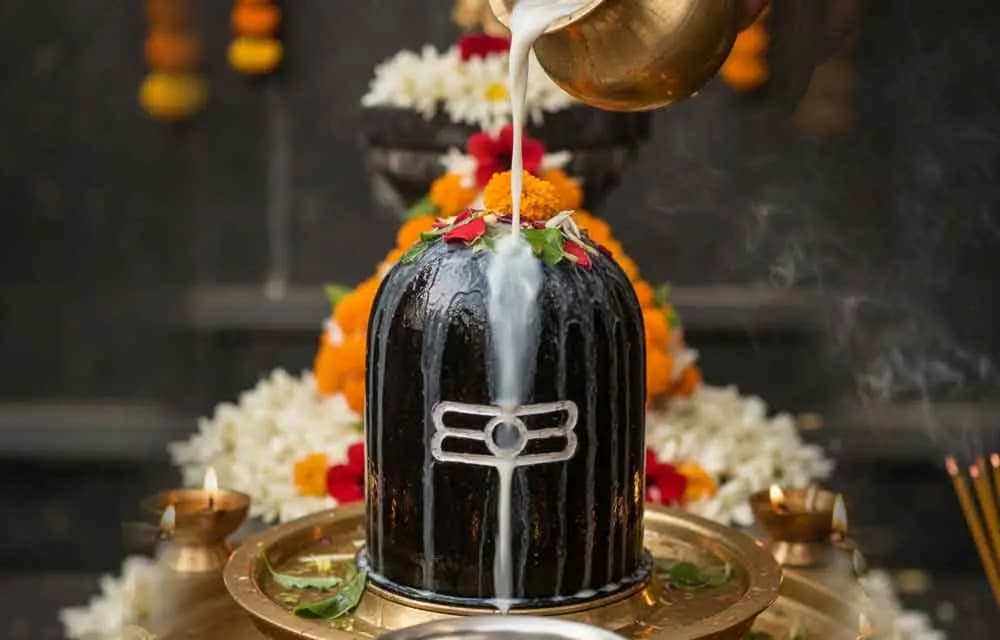
Maha Shivratri 2026: Complete Puja Guide with Mantras, Four Prahara Vigil & Fast Rules
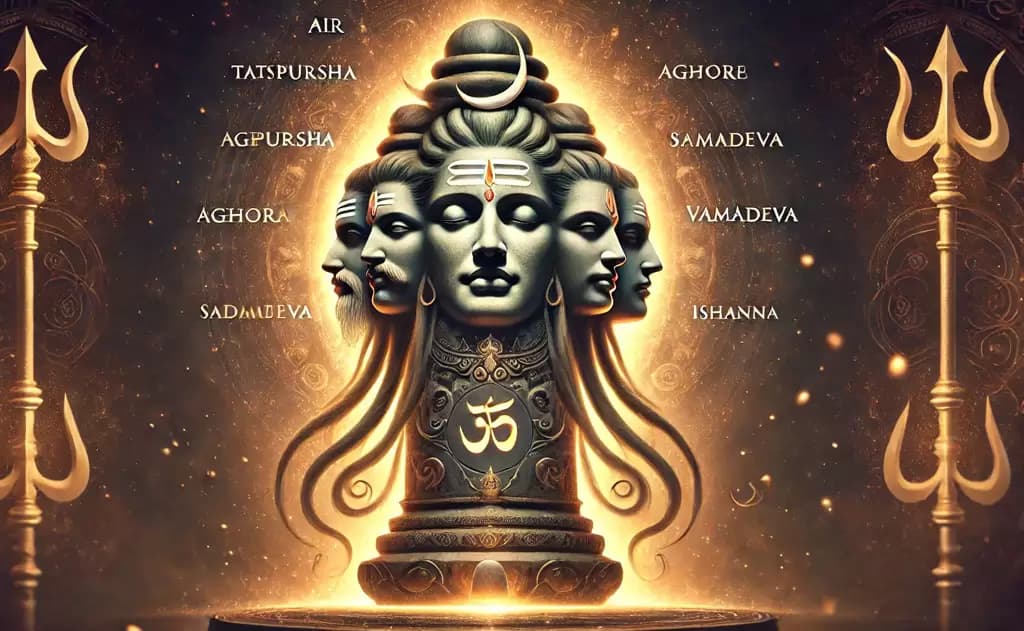
Shiva Vrats of June 2026: Kalashtami (June 8) & Masik Shivaratri (June 13)
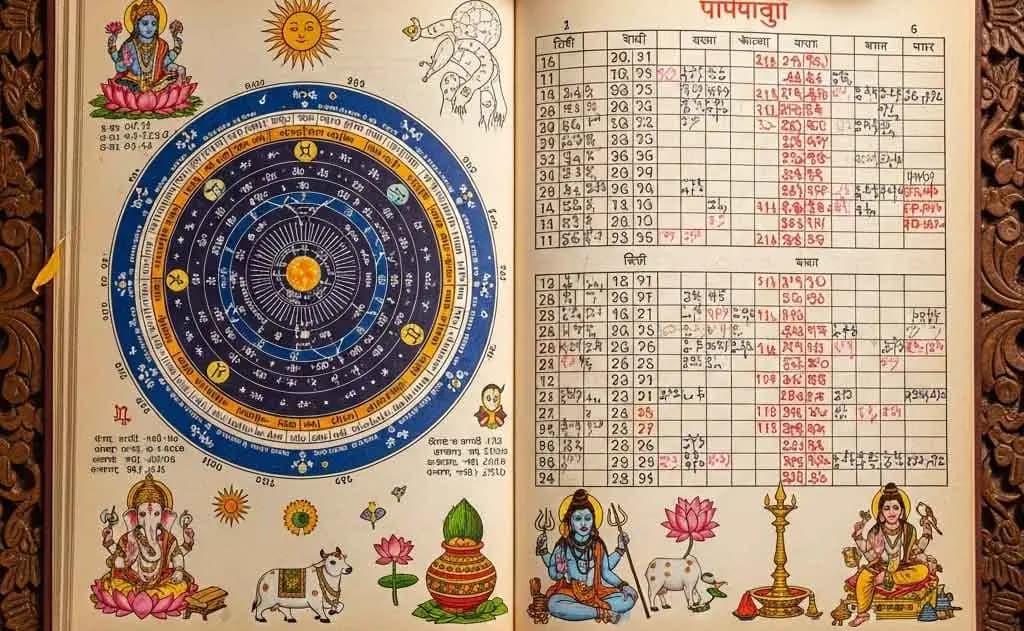
Hindu Festival Calendar 2026 — Complete Guide for NRIs (Dates, Tithis, Puja)