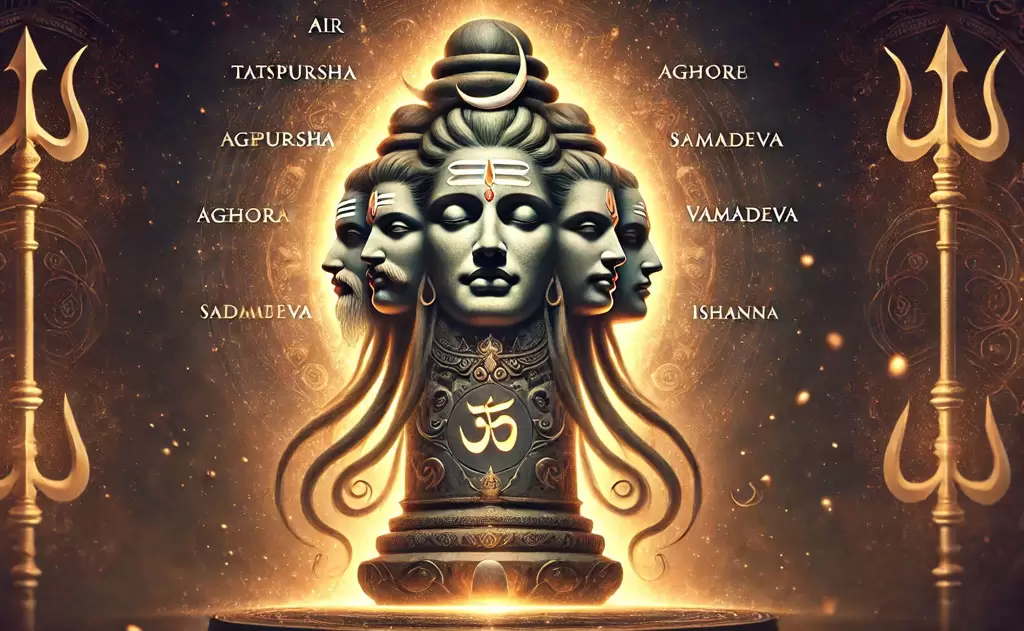
Maha Shivaratri 2026 in Perth: A Night of Silence, Self-Mastery, and Shiva Consciousness in Western Australia
Maha Shivaratri in Perth: Stillness Amid Swan River Breezes and Laid-Back Vibes Perth, with its golden sunsets over the Indian Ocean, vast parks, and easygoing…
Maha Shivaratri in Perth: Stillness Amid Swan River Breezes and Laid-Back Vibes Perth, with its golden sunsets over the Indian Ocean, vast parks, and easygoing…
Maha Shivaratri in Perth: Stillness Amid Swan River Breezes and Laid-Back Vibes Perth, with its golden sunsets over the Indian Ocean, vast parks, and easygoing coastal lifestyle, offers a serene backdrop for introspection. On Maha Shivaratri, the city's rhythm slows further as Hindu homes and temples turn inward. Devotees embrace quietude, stepping away from daily distractions toward deeper awareness.
Maha Shivaratri honors Lord Shiva not through lavish celebrations but through withdrawal—releasing mental chatter, sensory indulgence, and ego. For Perth’s Hindu community, spread across suburbs like Canning Vale, Willetton, Bentley, and beyond, it becomes a night of voluntary discipline, inner strength, and connection to the eternal.
Maha Shivaratri 2026 Date and Timings in Perth (Western Australia) Perth observes Australian Western Standard Time (AWST) in February—no daylight saving applies.
- Maha Shivaratri Date: Sunday, 15 February – Monday, 16 February 2026
- Chaturdashi Tithi Begins: 9:04 PM AWST, February 15 (aligned with standard panchang for the region)
- Chaturdashi Tithi Ends: 9:34 PM AWST, February 16
- Nishita Kaal (Most Auspicious Period): 12:09 AM – 12:52 AM AWST (core midnight window for deepest meditation)
- Parana (Breaking the Fast): After sunrise, approximately 6:00 AM – 7:00 AM AWST, February 16
In Shaiva tradition, Nishita Kaal marks the still point where the veil between the outer world and inner consciousness thins, allowing effortless union with Shiva.
Why Shivaratri Is a Night, Not a Day Festival Shiva, the Adiyogi, dwells in silence, mountains, and cremation grounds—realms of detachment, not celebration. The night vigil symbolizes:
- Overcoming tamas (inertia and sleep)
- Mastering impulses and habits
- Cultivating mental clarity and bodily stillness
- Merging awareness with the breath
In Perth’s relaxed yet active lifestyle—beach walks, outdoor pursuits—this voluntary night-long awareness becomes a profound counterbalance to constant motion.
Major Maha Shivaratri Temples in Perth and Western Australia Perth’s Hindu temples focus on authentic devotion—mantra recitation, abhishekam, and shared silence—rather than spectacle.
Key Shivaratri Observances in Perth Region
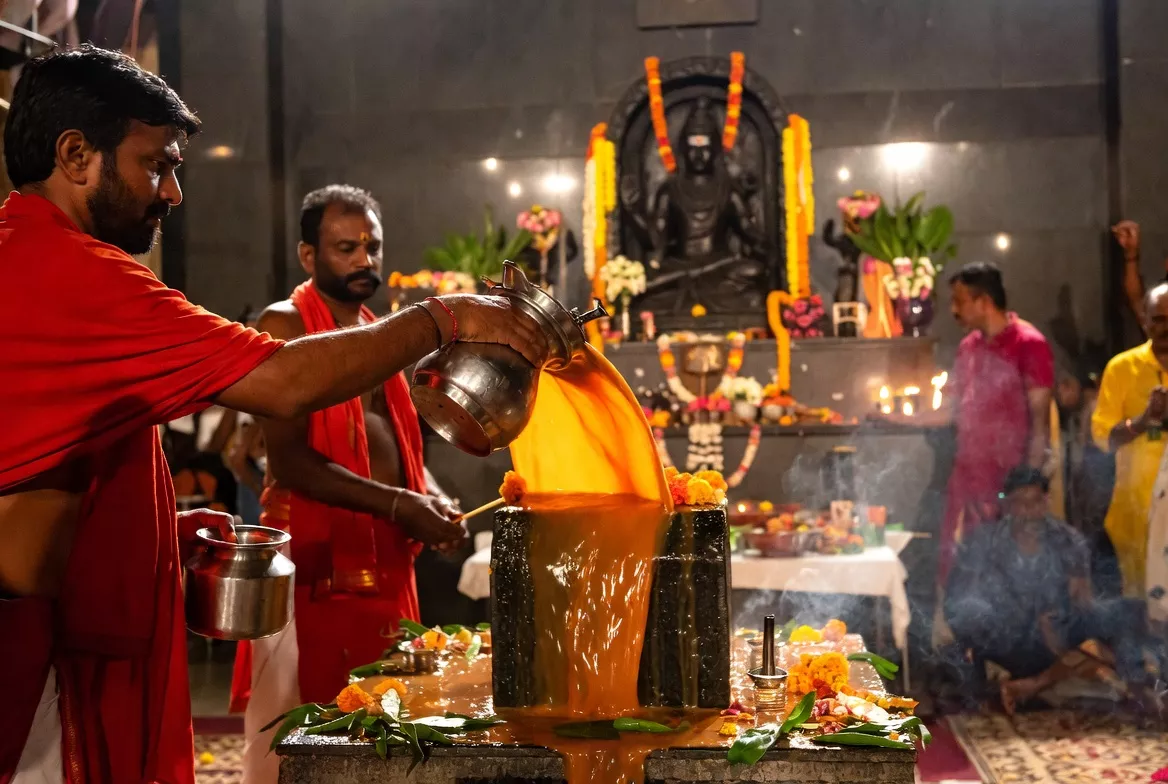
- Perth Hindu Temple (Perth Shiva Temple) Located in Canning Vale (271 Warton Road), this is Western Australia’s premier Shiva-dedicated temple. It hosts night-long vigils, special abhishekams, Vedic chants, and community prayers during Maha Shivaratri, drawing devotees from across Greater Perth.
- Shree Swaminarayan Temple, Perth In Bennett Springs, it participates in broader Hindu observances, often including Shiva-focused elements like kirtan and meditation sessions.
- Community Gatherings (e.g., Indian Society of WA, DJJS Perth) Venues like the Indian Community Centre in Willetton host collaborative events with bhajans, discourses, and all-night awareness programs, welcoming families and seekers.
These spaces transform into ashrams of calm amid the city’s suburban spread.
The Four Praharas of Shivaratri (Western Australia Observance) Each Prahar guides progressive inner refinement:
First Prahar (Evening)
- Sankalpa (intention setting)
- Initial abhishekam and offerings
- Gentle detachment from daily routines
Second Prahar (Late Night)
- Continuous japa of “Om Namah Shivaya”
- Bhajans on renunciation and peace
- Emphasis on listening and inner quiet
Third Prahar – Nishita Kaal (Midnight)
- Peak spiritual potency
- Maha Mrityunjaya Mantra recitation
- Silent meditation in awareness
- No expectations, pure presence
Fourth Prahar (Pre-Dawn)
- Surrender and gratitude
- Completion of vows
- Re-entry into daily life with heightened restraint
Shivaratri Fasting in Perth’s Warm February Climate Western Australia’s summer heat calls for gentle, mindful fasting to avoid strain.
Common Shivaratri Fasting Practices in Perth
- Phalahar: Fruits, sabudana, yogurt, coconut water
- Milk and water-based fast (popular for simplicity)
- Light sattvic meal before sunset (for those with health needs)
Spiritually, success lies in reduced mental desires, not physical hardship—listen to your body under the warm sun.
Home Shivaratri Worship in Perth Households Many observe at home due to distance or personal schedules.
Simple Home Puja Setup
- Shiva Lingam or picture
- Milk/water for abhishekam
- Bilva (Bel) leaves (sourced from Indian groceries in Canning Vale or Bentley)
- Diya, incense, and flowers
- Peaceful corner away from distractions
Shiva values pure intention over elaborate displays.
Introducing Shivaratri to Children in Western Australia For children raised in Australia’s outdoor culture, present it as:
- A special night of calm and family bonding
- Learning self-control and focus
- A break from devices and play
- Fun elements like simple stories of Shiva
Short guided breathing, tales of the Adiyogi, or symbolic offerings foster natural connection.
The Relevance of Shivaratri in Modern Perth Life Amid Perth’s emphasis on work-life balance, beaches, and leisure, Shivaratri offers:
- Intentional restraint amid abundance
- Detachment from comforts without rejection
- Silence as true power
- Inner awareness as ultimate freedom
Many Perth professionals, students, and families use it as a yearly reset for mental clarity.
Frequently Asked Questions (Perth Context) Is temple attendance compulsory? No—Shiva honors inner awareness, wherever you are.
Is fasting mandatory? No—reducing sensory input and distractions counts as valid sadhana.
Can non-Hindus attend Shivaratri in Perth? Yes—temples and community events welcome respectful visitors with open hearts.
Conclusion: Maha Shivaratri as Inner Stillness in Western Australia On Maha Shivaratri 2026, as Perth’s sun sets over the Swan River and stars emerge, devotees remain awake—not chasing experiences, but dissolving inner turbulence into clarity and peace.
Shiva reveals Himself not in grand rituals, but in the quiet mind.
That quiet is Shivaratri.
Om Namah Shivaya Har Har Mahadev
You might also like
Maha Shivaratri 2026 Fasting Rules & Benefits
Maha Shivaratri: Significance, Rituals, and Astrological Importance
Karthika Purnima 2026: Significance, Rituals, and the Triple Festival Across Hindu, Sikh, and Jain Traditions