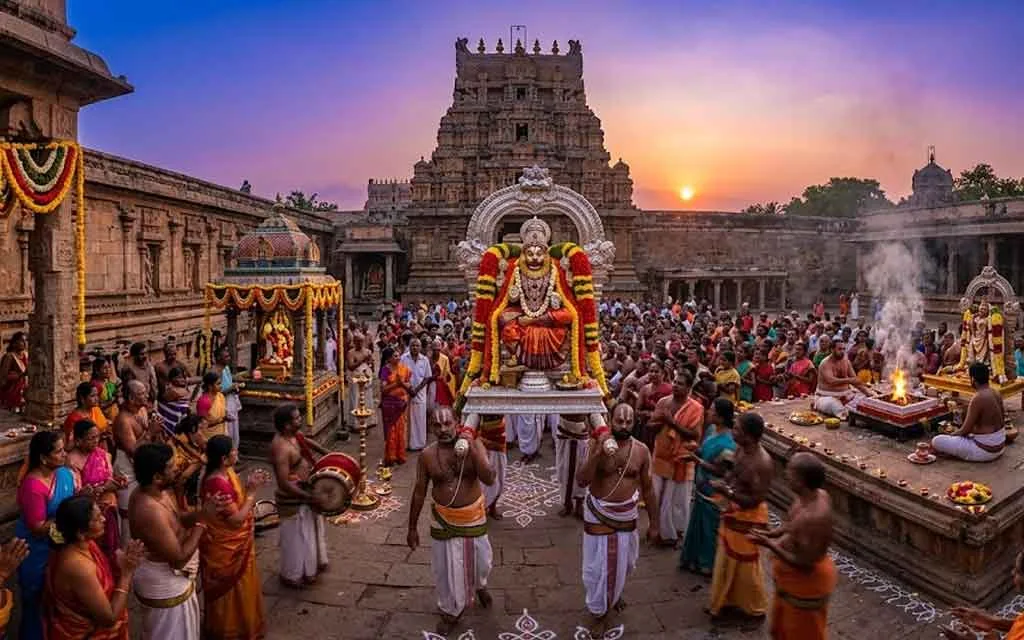
Om Namah Shivaya: The Sacred Mantra and Its Importance on Maha Shivaratri
Om Namah Shivaya is one of the most powerful and revered mantras in Hindu tradition, dedicated to Lord Shiva, the Supreme Deity of transformation and cosmic…
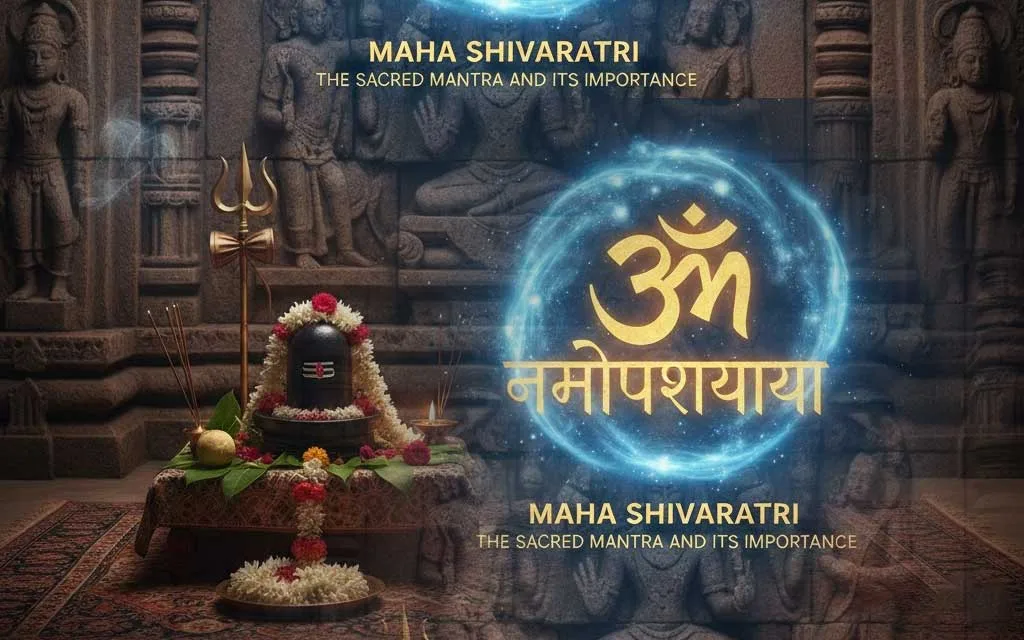
Om Namah Shivaya is one of the most powerful and revered mantras in Hindu tradition, dedicated to Lord Shiva, the Supreme Deity of transformation and cosmic…
Om Namah Shivaya is one of the most powerful and revered mantras in Hindu tradition, dedicated to Lord Shiva, the Supreme Deity of transformation and cosmic consciousness. This five-syllable mantra (Panchakshara Mantra) holds profound spiritual significance and becomes especially potent during Maha Shivaratri, the great night of Lord Shiva.
Understanding the Om Namah Shivaya Mantra
Meaning and Significance
The mantra "Om Namah Shivaya" translates as:
• Om: The primordial sound of the universe, representing the divine consciousness – the cosmic vibration that encompasses all existence
• Namah: I bow, I honor, I surrender – expressing reverence and humility before the divine
• Shivaya: To Shiva – the auspicious one, the deity of transformation and liberation
Together, the mantra means "I bow to Lord Shiva" or "I surrender to the divine consciousness within." It acknowledges the supreme reality and invokes the transformative energy of Shiva.
The Five Elements (Pancha Bhoota)
Each syllable of "Na-Mah-Shi-Va-Ya" represents one of the five elements of creation:
1. Na – Earth (Prithvi) – represents stability and grounding
2. Mah – Water (Jal) – symbolizes flow, purification, and emotions
3. Shi – Fire (Agni) – embodies transformation and spiritual energy
4. Va – Air (Vayu) – signifies breath, life force, and movement
5. Ya – Space (Akasha) – denotes vastness, consciousness, and the ethereal realm
By chanting this mantra, devotees harmonize with all five elements, bringing balance to body, mind, and spirit.
Spiritual Benefits of Chanting Om Namah Shivaya
• Purification of Mind and Soul: Regular chanting cleanses negative thoughts, karmic impressions, and mental impurities, leading to inner peace
• Awakening Kundalini Energy: The mantra activates spiritual energy at the base of the spine, facilitating spiritual awakening
• Mental Clarity and Focus: Chanting improves concentration, reduces anxiety, and brings mental tranquility
• Liberation (Moksha): Sincere devotion through this mantra leads to liberation from the cycle of birth and death
• Protection from Negativity: The mantra creates a protective shield against negative energies and influences
• Emotional Balance: Regular practice helps manage stress, anger, and emotional turbulence
• Divine Grace: Invokes Lord Shiva's blessings for spiritual growth and material well-being
Why Om Namah Shivaya is Especially Powerful on Maha Shivaratri
Maha Shivaratri, celebrated on the 14th night of the new moon during the Hindu month of Phalguna (February-March), is considered the most auspicious night for worshipping Lord Shiva. The cosmic energies on this night are particularly conducive to spiritual practices.
Spiritual Significance of Maha Shivaratri
• Cosmic Alignment: Natural upsurge of energy in the human system, making spiritual practices more effective
• Shiva-Shakti Union: Commemorates the divine marriage of Lord Shiva and Goddess Parvati, symbolizing the union of consciousness and energy
• Night of Awakening: The planetary positions facilitate spiritual awakening and deeper meditation
• Overcoming Darkness: Symbolizes victory over ignorance and the illumination of consciousness
How to Chant Om Namah Shivaya on Maha Shivaratri
Preparation Before Chanting
6. Purification: Take a sacred bath (preferably with Ganga water or add tulsi leaves) early in the morning
7. Sacred Space: Clean your puja area and create an altar with a Shiva Lingam, image, or symbol
8. Offerings: Prepare offerings like bilva leaves, flowers (white or blue), milk, honey, and fruits
9. Fasting: Many devotees observe a complete or partial fast on Maha Shivaratri to purify the body
10. Dress Appropriately: Wear clean, preferably white or saffron-colored clothes
Step-by-Step Chanting Method
11. Sit in a Comfortable Posture: Padmasana (lotus pose), Sukhasana (easy pose), or any comfortable seated position with spine straight
12. Light a Lamp and Incense: Create a sacred atmosphere with ghee lamp (diya) and sandalwood or jasmine incense
13. Invoke Lord Ganesha: Begin by chanting "Om Gan Ganapataye Namah" to remove obstacles
14. Use a Rudraksha Mala: Hold a rudraksha mala (108 beads) in your right hand for counting repetitions
15. Begin with Om: Take three deep breaths and chant "Om" three times to center yourself
16. Chant with Devotion: Pronounce clearly: "Om Na-mah Shi-va-ya" (pronunciation: ohm nuh-muh shih-vuh-yuh)
17. Maintain Rhythm: Chant at a steady, comfortable pace – neither too fast nor too slow
18. Complete 108 Repetitions: Use the mala beads to count one complete round (108 times)
19. Multiple Rounds on Shivaratri: Devotees traditionally chant multiple rounds – ideally 108, 216, or 1,008 times
Chanting Variations
• Loud Chanting (Vaikhari): Verbal recitation with clear pronunciation
• Whispered Chanting (Upamsu): Soft, barely audible chanting
• Mental Chanting (Manasika): Silent repetition in the mind – considered the most powerful form
The Four Prahars (Quarters) of Maha Shivaratri Night
Maha Shivaratri night is divided into four quarters (prahars), each with specific worship rituals:
20. First Prahar (Evening 6-9 PM): Abhishekam (ritual bathing) of Shiva Lingam with milk, chanting Om Namah Shivaya 108 times
21. Second Prahar (Night 9-12 AM): Abhishekam with yogurt/curd, followed by 108 chants
22. Third Prahar (Midnight 12-3 AM): Abhishekam with honey, continue chanting Om Namah Shivaya
23. Fourth Prahar (Pre-dawn 3-6 AM): Abhishekam with ghee, final round of chanting – this is considered the most auspicious time
Staying awake throughout the night and chanting during all four prahars is considered highly meritorious and spiritually beneficial.
Additional Spiritual Practices for Maha Shivaratri
• Rudrabhishekam: Perform elaborate Shiva Lingam bathing rituals with sacred items
• Bilva Patra Offering: Offer fresh bilva (bael) leaves in sets of three, representing the trinity
• Meditation: Meditate on Lord Shiva's form or the abstract consciousness after chanting
• Reading Sacred Texts: Recite Shiva Purana, Shiva Chalisa, or Shiva Tandava Stotram
• Visiting Shiva Temples: Participate in community worship at temples for collective spiritual energy
• Charity: Donate food, clothes, or money to the needy as an act of compassion
Important Guidelines for Effective Chanting
• Purity of Heart: Chant with sincerity, devotion, and a pure heart free from ego
• Consistency: Regular daily practice amplifies the benefits beyond Maha Shivaratri
• Correct Pronunciation: Om (ohm) Na-mah (nuh-muh) Shi-va-ya (shih-vuh-yuh)
• Focus and Visualization: Visualize Lord Shiva or concentrate on the third eye (Ajna chakra) between eyebrows
• Avoid Distractions: Turn off phones and create a quiet, undisturbed environment
• Respect the Mala: Don't cross the sumeru (head bead); reverse direction when completing 108 beads
• Gratitude: End your chanting session with gratitude and surrender to Lord Shiva
Scientific Benefits of Mantra Chanting
Modern research has validated many traditional claims about mantra chanting:
• Stress Reduction: Chanting lowers cortisol levels and activates the parasympathetic nervous system
• Brain Wave Patterns: Induces alpha and theta brain waves associated with deep relaxation and meditation
• Improved Breathing: Regulated breathing during chanting enhances oxygen supply to the brain
• Neuroplasticity: Regular practice can create positive changes in brain structure and function
• Emotional Regulation: Helps balance emotions and promotes psychological well-being
Conclusion
Om Namah Shivaya is not just a mantra but a profound spiritual tool that connects devotees with the divine consciousness of Lord Shiva. Maha Shivaratri provides a unique opportunity to harness the cosmic energies through dedicated chanting, fasting, and worship.
Whether you're a seasoned practitioner or new to spiritual practices, chanting Om Namah Shivaya on Maha Shivaratri can transform your consciousness, purify your being, and bring you closer to the ultimate reality. The key lies in sincere devotion, consistent practice, and surrender to the divine will.
Om Namah Shivaya – May Lord Shiva bless all beings with peace, prosperity, and spiritual enlightenment.
Frequently Asked Questions
What is the Om Namah Shivaya?
Om Namah Shivaya is one of the most powerful and revered mantras in Hindu tradition, dedicated to Lord Shiva , the Supreme Deity of transformation and cosmic consciousness. This five-syllable mantra (Panchakshara Mantra) holds profound spiritual significance and becomes especially potent during Maha Shivaratri , the great night of Lord Shiva.
How many times should the Om Namah Shivaya be chanted?
It is traditionally chanted 108 times using a rudraksha or tulsi mala. Even 11 or 21 sincere repetitions daily are considered beneficial — steady, focused practice matters more than the count.
What is the best time to chant the Om Namah Shivaya?
Dawn (Brahma Muhurta) after a bath is considered ideal, though it may be chanted any time with a calm, focused mind. Many devotees keep a fixed daily time to build consistency.
Who can chant the Om Namah Shivaya?
Anyone may chant it with faith and a pure mind, regardless of age, gender or background. Beginners benefit from first hearing the correct pronunciation and understanding its meaning.
What are the benefits of chanting the Om Namah Shivaya?
Devotees chant it to invoke Lord Shiva's grace — for inner peace, protection, focus and spiritual progress.
You might also like
Chaitra Navratri 2026 Dates, Day-Wise Puja Vidhi, Mantras, Colors, Fasting Rules & Complete Devotional Guide to Celebrate Maa Durga at Home | Hindutone
Maha Shivratri 2026 Vrat Recipes — Sabudana Khichdi, Singhada Halwa, Phalahara Foods Complete Fasting Guide
Durga Navratri 2026 USA Guide: Dates, Day-Wise Puja Vidhi, Mantras, Colors, Fasting Rules & Complete Devotional Celebration for Indian Families in America | Hindutone