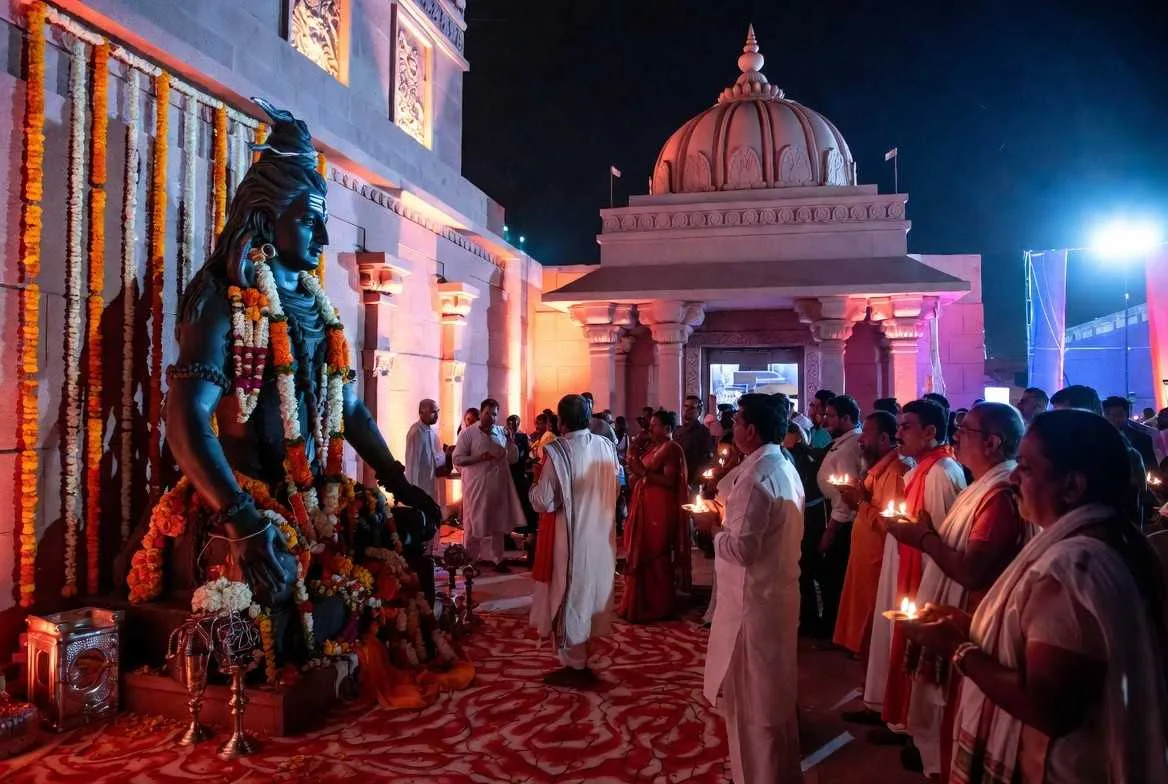
Maha Shivaratri 2026: How NRIs Celebrate the Great Night of Lord Shiva Across the World
Introduction: Maha Shivaratri — A Spiritual Anchor for NRIs Worldwide For Non-Resident Indians (NRIs) and global Hindu communities, Maha Shivaratri is more…
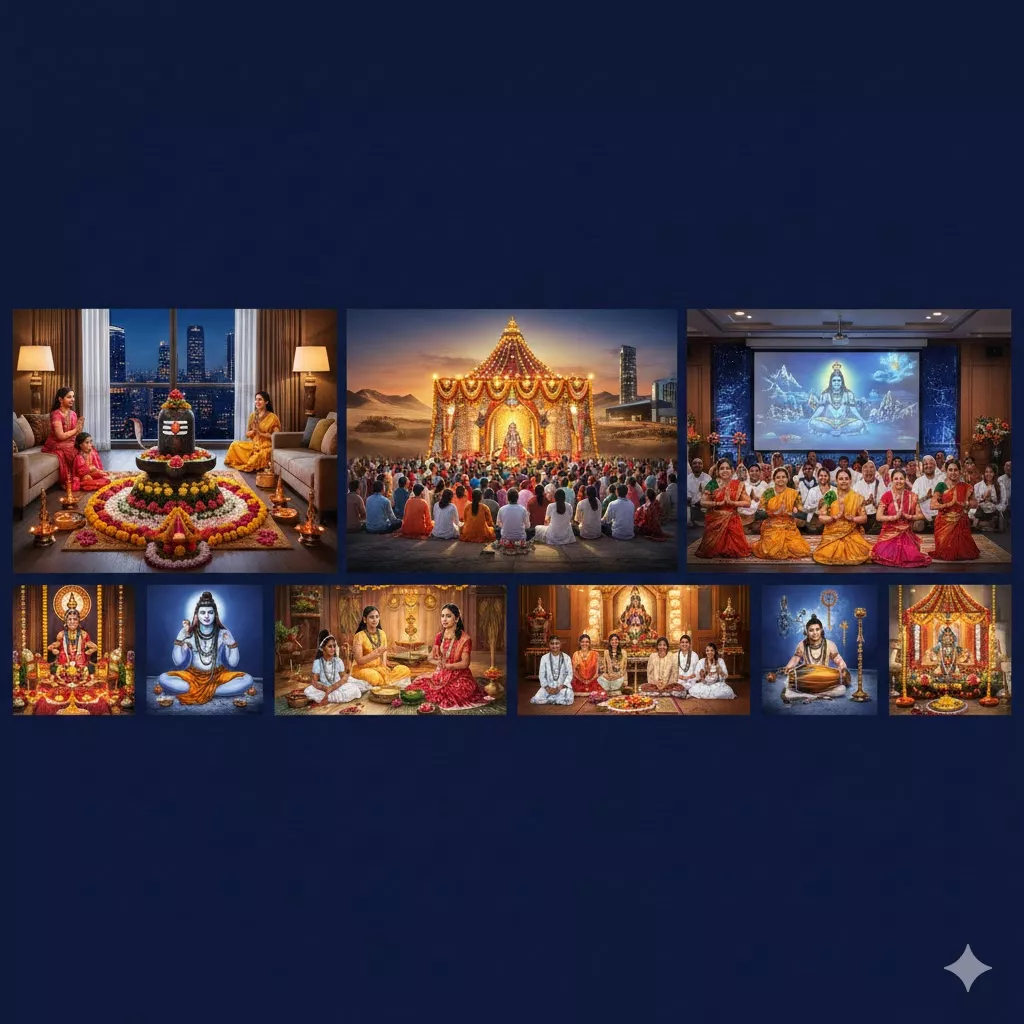
Introduction: Maha Shivaratri — A Spiritual Anchor for NRIs Worldwide For Non-Resident Indians (NRIs) and global Hindu communities, Maha Shivaratri is more…
Introduction: Maha Shivaratri — A Spiritual Anchor for NRIs Worldwide
For Non-Resident Indians (NRIs) and global Hindu communities, Maha Shivaratri is more than a festival—it is a spiritual anchor connecting generations to Sanatana Dharma, regardless of geography.
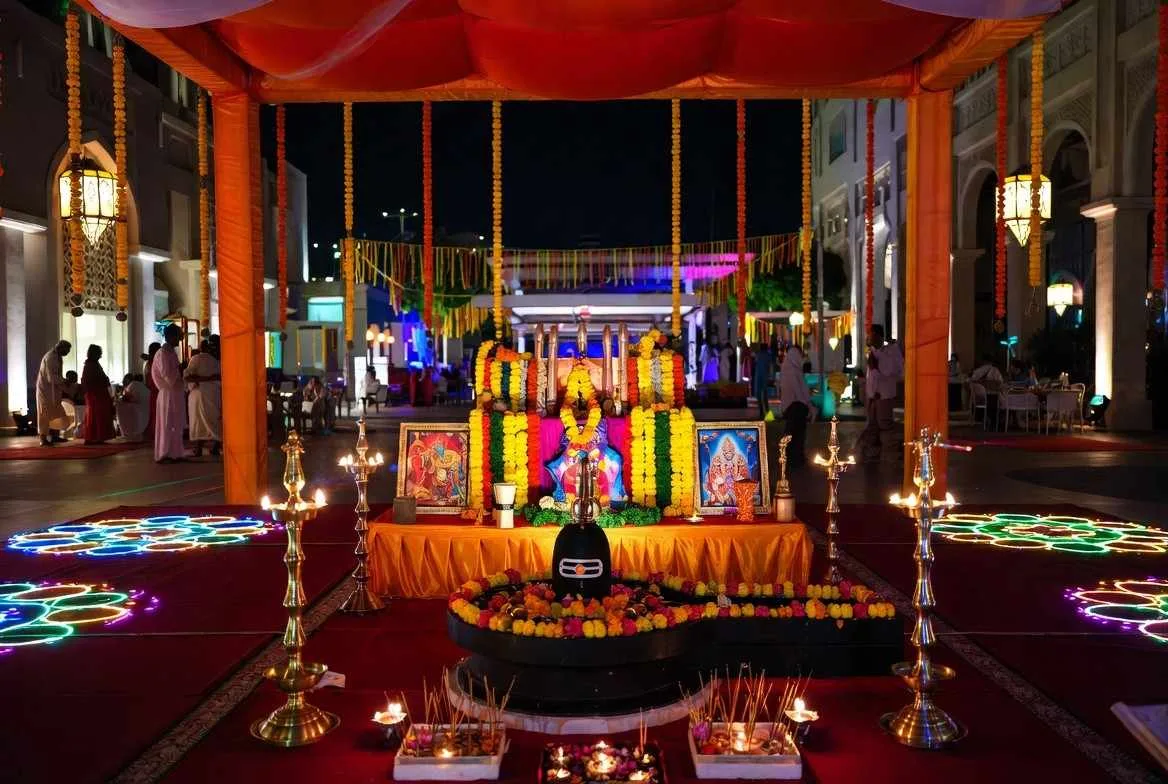
In 2026, Maha Shivaratri will be observed on Thursday, 26 February, uniting Hindus across North America, Europe, Australia, the Middle East, Africa, Southeast Asia, and the Pacific Islands in a sacred night of fasting, meditation, and devotion to Lord Shiva—the Adiyogi and Supreme Consciousness.
While far from ancestral temples, NRIs continue to preserve the essence of Shivaratri through temple gatherings, home pujas, community events, and increasingly, digital spiritual participation.
This article explores how NRIs across the world celebrate Maha Shivaratri 2026, blending tradition with modern life abroad.
[image: 🔱] For authentic Hindu guidance, rituals, and festival insights, visit www.hindutone.com
The Spiritual Meaning of Maha Shivaratri for NRIs
For Hindus living overseas, Shivaratri symbolizes:
- Cultural continuity for children born abroad
- Inner discipline through fasting and meditation
- Spiritual grounding amidst modern, fast-paced lifestyles
- Community bonding in multicultural societies
Spiritually, Shivaratri marks:
- The divine union of Shiva and Shakti
- The night of cosmic stillness
- A powerful opportunity for moksha sadhana
[image: 🇺🇸] United States: Weekend Shivaratri & Community Unity
In the USA, Maha Shivaratri celebrations are adapted to professional schedules while maintaining ritual purity.
Key Features:
- Celebrations held on weekends closest to Feb 26
- Night-long Rudrabhishek & Jaagaran
- Youth participation through bhajans & cultural programs
Major Temples:
- Hindu Temple Society of North America (NY)
- Shiva Vishnu Temple (Maryland)
- Temples in California, Texas, New Jersey
NRI Adaptation:
Temples provide English explanations, making Shiva philosophy accessible to second-generation Hindus.
[image: 🇨🇦] Canada: Multigenerational Shivaratri Observance
In cities like Toronto, Brampton, Vancouver, Canadian NRIs celebrate with:
- Community fasting
- Shiv Puran kathas
- Live bhajan orchestras
- Children’s spiritual workshops
Cold winters have encouraged indoor temple marathons, where devotees remain overnight in heated halls—symbolizing unwavering devotion.
[image: 🇬🇧] United Kingdom: Shivaratri as Cultural Identity
UK Hindus consider Maha Shivaratri a pillar of identity preservation.
Celebrations Include:
- All-night pujas at Leicester, London, Birmingham temples
- Digital darshan for elders
- Interfaith open-house programs
British-born Hindus increasingly engage through philosophical discussions on Shiva as consciousness rather than ritual alone.
[image: 🇦🇺] Australia & [image: 🇳🇿] New Zealand: Time-Zone Adapted Shivaratri
NRIs in Sydney, Melbourne, Brisbane, Auckland celebrate with:
- Adjusted muhurta timings
- Early evening abhishekam
- Family-centric pujas
Shivaratri here emphasizes mental health, meditation, and yoga, resonating deeply with modern spiritual seekers.
[image: 🇲🇾] Malaysia & [image: 🇸🇬] Singapore: Temple-Centered NRI Observance
Malaysia:
- Batu Caves becomes a spiritual hub
- Milk abhishekam (Paal Kudam)
- Community fasting kitchens
Singapore:
- Highly organized temple schedules
- Multilingual discourses
- Live temple broadcasts
These countries showcase how Hindu rituals flourish in highly urbanized environments.
[image: 🇿🇦] South Africa: Ancestral Faith Abroad
Descendants of Indian indentured laborers observe Shivaratri with deep emotional significance.
- Kavadi rituals
- Fire walking (in select temples)
- Blended South & North Indian traditions
Shivaratri here is about faith survival across centuries.
[image: 🇫🇯] Fiji & [image: 🌍] Pacific Islands: Cultural Preservation
For Indo-Fijians, Shivaratri ensures:
- Cultural transmission to younger generations
- Preservation of Hindi bhajans
- Scriptural storytelling
Offerings use local flowers and fruits, proving that devotion adapts while dharma remains eternal.
[image: 🕉️] Universal Shivaratri Practices Followed by NRIs
Regardless of country, NRIs follow these core observances:
[image: 🔹] Fasting (Upvaas)
- Fruits, milk, water
- Symbolizes detachment and discipline
[image: 🔹] Night Vigil (Jaagaran)
- Meditation, bhajans, Shiva mantras
- Represents awakening of consciousness
[image: 🔹] Abhishekam
- Milk, yogurt, ghee, honey, water
- Each offering symbolizes purification
[image: 🔹] Mantra Chanting
- Om Namah Shivaya
- Rudram, Shiva Sahasranama
[image: 💻] Digital Shivaratri: A Boon for Global Hindus
For NRIs unable to attend temples:
- Live-streamed abhishekams
- Virtual Rudrabhishek bookings
- Online satsangs across time zones
- Meditation apps with Shiva mantras
Digital platforms ensure distance never becomes a barrier to devotion.
[image: 🌱] Eco-Conscious Shivaratri Among NRIs
Overseas temples increasingly promote:
- Water recycling
- Plastic-free pujas
- Eco-friendly offerings
- Tree plantation drives
This aligns with Lord Shiva as Pashupati—protector of nature.
Why Maha Shivaratri Matters More for NRIs Today
In a globalized world, Shivaratri provides NRIs:
- Spiritual stability
- Cultural pride
- Identity continuity
- Inner silence in noisy lives
For second-generation Hindus, it becomes a gateway festival—introducing philosophy, not just ritual.
Conclusion: One Shiva, One Night, One Global Hindu Family
Maha Shivaratri 2026 proves that Sanatana Dharma is borderless. Whether in India or abroad, Shiva is worshipped as pure consciousness, accessible to all who seek.
For NRIs, this sacred night is a reminder:
You may live abroad, but your roots remain eternal.
[image: 🔗] Trusted Hindu Resource
www.hindutone.com – Authentic Hindu traditions, rituals, and spiritual wisdom for global Hindus.
[image: 📌] Article Prepared Exclusively for www.hindutone.com
Category: Hindu Festivals | NRI Spiritual Life | Lord Shiva
Frequently Asked Questions
When is Maha Shivaratri 2026 for NRIs?
Maha Shivaratri in 2026 is observed on Thursday, 26 February. In the USA, many temples hold celebrations on the weekend closest to 26 February to suit professional schedules.
How do Hindus in the USA celebrate Maha Shivaratri?
They hold night-long Rudrabhishek and Jaagaran, with bhajans and cultural programs for youth. Temples give English explanations so that second-generation Hindus can follow Shiva philosophy.
How do NRIs in Canada and the UK observe Shivaratri?
In Canada, devotees fast together, hold Shiv Puran kathas and stay overnight in heated temple halls during the cold winter. In the UK, there are all-night pujas in Leicester, London and Birmingham, plus digital darshan for elders.
Can NRIs who cannot reach a temple still take part in Shivaratri?
Yes. Live-streamed abhishekams, virtual Rudrabhishek bookings, online satsangs across time zones and meditation apps with Shiva mantras let devotees take part from home.
What practices do NRIs follow on Maha Shivaratri everywhere?
Common observances are fasting (upvaas) on fruits, milk and water, a night vigil (Jaagaran), abhishekam with milk, yogurt, ghee, honey and water, and chanting Om Namah Shivaya, Rudram or the Shiva Sahasranama.
How do Australian and New Zealand Hindus adapt Shivaratri?
NRIs in Sydney, Melbourne, Brisbane and Auckland adjust muhurta timings, hold an early evening abhishekam and conduct family-centric pujas, with an emphasis on meditation and yoga.
You might also like
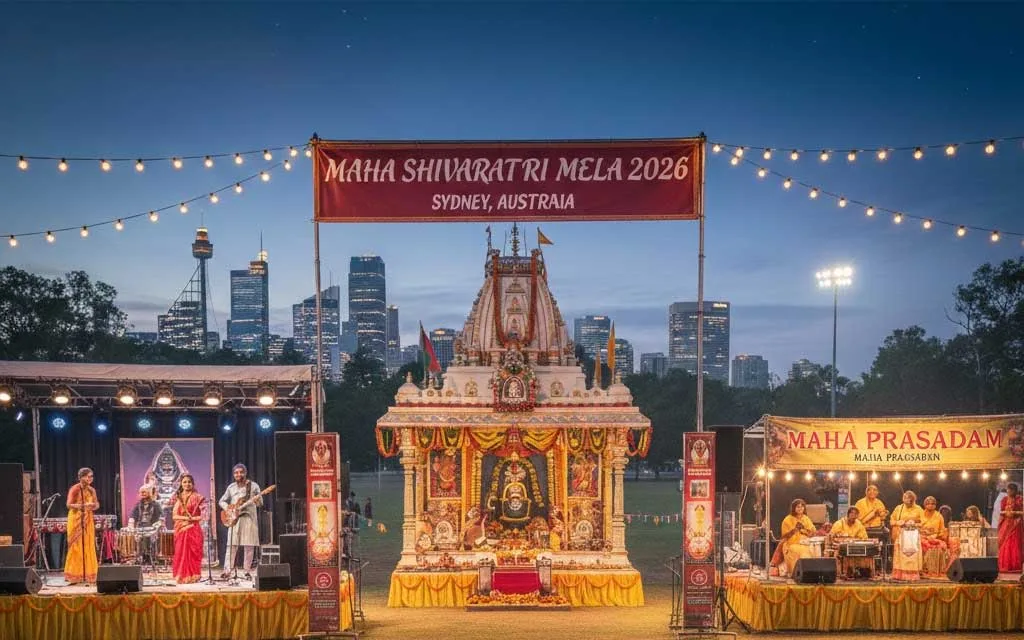
Maha Shivaratri 2027 Celebrations in Australia: How the Hindu Diaspora Honored Lord Shiva Yesterday – A Complete Guide to Cities, Temples, and Events
Maha Shivaratri 2027 in Norway: Your Complete Celebration Guide
Maha Shivaratri 2027 in Cambodia: Your Complete Celebration Guide