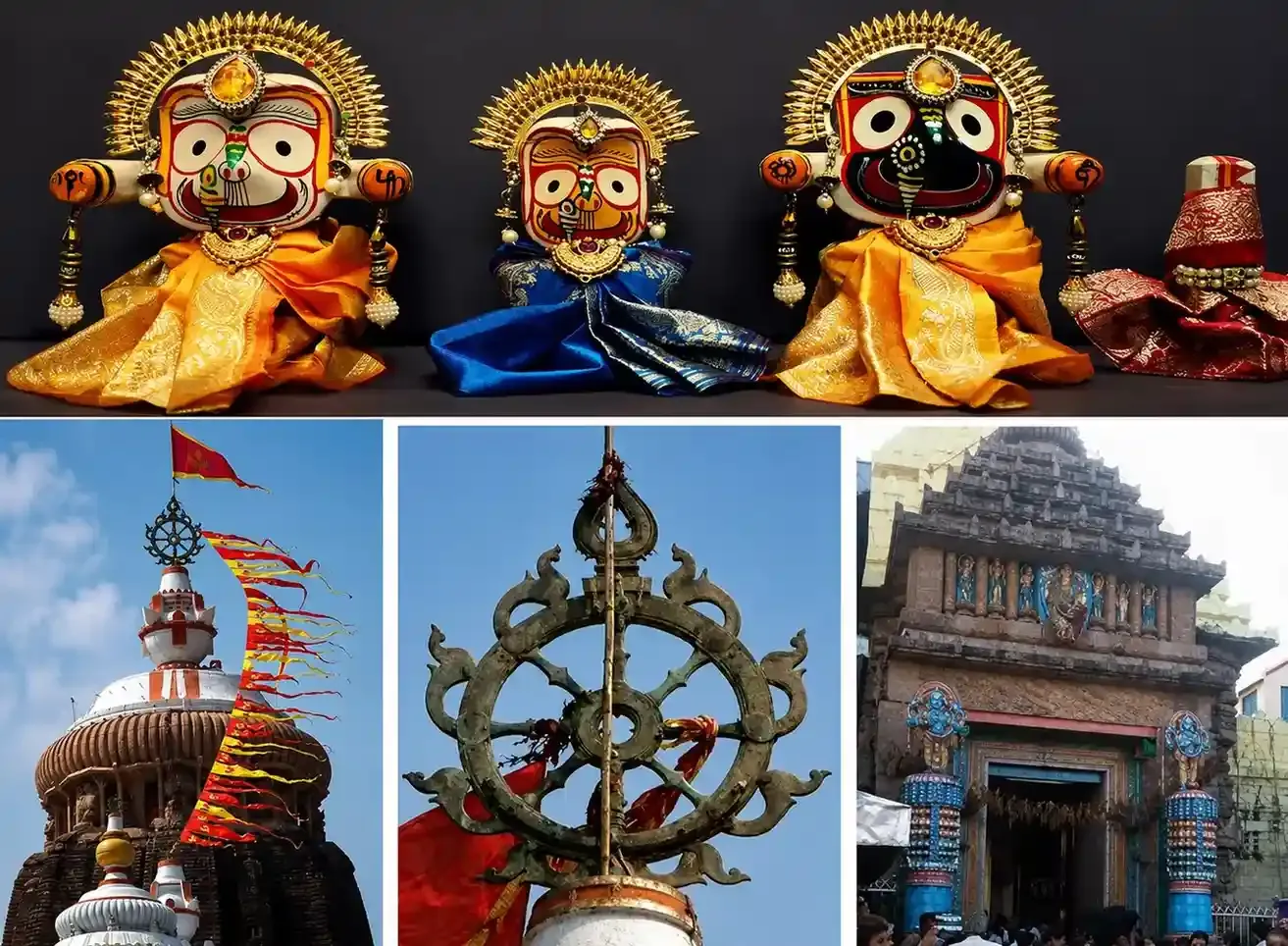
Rath Yatra 2026: Complete Guide to the Grand Chariot Festival of Lord Jagannath
Rath Yatra 2026, also known as the Festival of Chariots, is one of the most magnificent and spiritually uplifting events in the Hindu calendar.
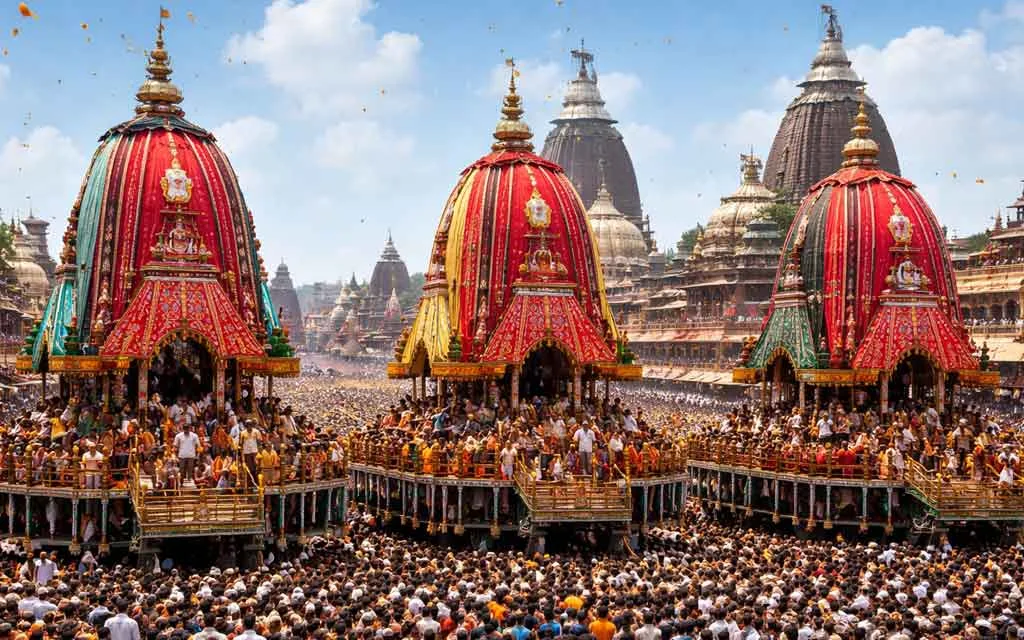
Rath Yatra 2026, also known as the Festival of Chariots, is one of the most magnificent and spiritually uplifting events in the Hindu calendar.
Rath Yatra 2026, also known as the Festival of Chariots, is one of the most magnificent and spiritually uplifting events in the Hindu calendar. Celebrated with unparalleled grandeur in Puri, Odisha, this divine procession sees Lord Jagannath (a form of Lord Vishnu/Krishna), his elder brother Lord Balabhadra (Balarama), and sister Devi Subhadra emerge from the Shri Jagannath Temple and ride in massive, handcrafted wooden chariots to their summer residence, the Gundicha Temple.
In 2026, Rath Yatra falls on Thursday, July 16, 2026 (Ashadha Shukla Dwitiya). The Return Car Festival (Bahuda Yatra) is on Friday, July 24, 2026. Millions of devotees from India and around the world participate, pulling the ropes of the chariots with the resounding chant of “Jai Jagannath!”.
This complete guide for www.hindutone.com covers everything you need — history, significance, exact 2026 dates and timings, rituals, mantras, chariot details, global celebrations, travel tips, and spiritual benefits — to experience or understand this divine festival.
Rath Yatra 2026 Date & Key Timings
- Main Rath Yatra (Outbound): Thursday, July 16, 2026
- Dwitiya Tithi Begins: Around 11:50 AM on July 15, 2026
- Dwitiya Tithi Ends: Around 8:52 AM on July 16, 2026 (varies slightly by location)
- Bahuda Yatra (Return): Friday, July 24, 2026
- Hera Panchami: Around July 20, 2026 (Goddess Lakshmi’s visit to Gundicha Temple)
The festival usually spans 9–10 days of grand processions and rituals. The deities remain at Gundicha Temple for about a week before returning.
History and Mythological Significance of Rath Yatra
The origins of Rath Yatra trace back thousands of years. According to legend, King Indradyumna of Puri received a divine dream to install wooden deities of Jagannath, Balabhadra, and Subhadra. The mysterious carpenter (believed to be Vishwakarma in disguise) carved the deities from a sacred neem log (Daru Brahma).
The most popular story links Rath Yatra to Lord Krishna’s visit to his aunt’s home in Vrindavan (symbolically Gundicha Temple). It represents Lord Jagannath’s annual visit to his birthplace, granting darshan to all devotees irrespective of caste, creed, or background — a powerful message of equality and universal love.
Another legend says the deities “fall ill” after Snana Purnima and rest (Anavasara) before the journey. The yatra symbolizes the Lord’s desire to meet his devotees and shower unconditional grace.
Adi Shankaracharya and later Vaishnava saints like Chaitanya Mahaprabhu popularized the festival, making it a symbol of bhakti (devotion) across India and the world.
The Three Majestic Chariots (Raths)
The chariots are built anew every year from specially selected neem wood:
- Nandighosa (Jagannath’s Chariot): Yellow and red, 45 feet high, 16 wheels. Symbol: Garuda and Chakra. Pulled by thousands with cries of “Jai Jagannath!”
- Taladhwaja (Balabhadra’s Chariot): Blue and red, 44 feet high, 14 wheels. Symbol: Palm tree.
- Darpadalana (Subhadra’s Chariot): Black and red, 43 feet high, 12 wheels. Symbol: Lotus.
Construction begins on Akshaya Tritiya with sacred rituals. The chariots are assembled near the Jagannath Temple and decorated with bright fabrics, flowers, and mirrors.
Key Rituals of Rath Yatra 2026
- Snana Purnima (June 2026): The deities are bathed with 108 pots of sacred water on the full moon day of Jyeshtha. After this, they “fall ill” and stay in seclusion (Anavasara) for about 15 days.
- Gundicha Marjana: The Gundicha Temple is cleaned and prepared for the deities’ arrival.
- Pahandi: The deities are carried in a ceremonial procession from the sanctum to their respective chariots.
- Rath Yatra (July 16, 2026): The chariots are pulled by devotees from the Jagannath Temple to Gundicha Temple (~3 km). Lord Jagannath leads, followed by Balabhadra and Subhadra.
- Hera Panchami: Goddess Lakshmi visits Gundicha Temple in anger, searching for her husband Jagannath.
- Bahuda Yatra (Return): The deities return to the main temple on July 24, 2026.
- Suna Besha: On the return day, the deities are adorned with gold ornaments.
Powerful Mantras & Chants During Rath Yatra
- Jagannath Mantra: Om Namo Bhagavate Vasudevaya (or specifically for Jagannath: “Jai Jagannath, Jai Balabhadra, Jai Subhadra”)
- Universal Chant: “Jai Jagannath! Jai Jagannath!”
- Vishnu Gayatri: Om Narayanaya Vidmahe, Vasudevaya Dhimahi, Tanno Vishnu Prachodayat
- Hare Krishna Mahamantra: Hare Krishna Hare Krishna, Krishna Krishna Hare Hare, Hare Rama Hare Rama, Rama Rama Hare Hare
Devotees chant these continuously while pulling the chariots.
How Rath Yatra is Celebrated Across India and the World
While Puri is the epicentre, grand Rath Yatras are held in:
- Ahmedabad, Gujarat (one of the largest outside Puri)
- Delhi, Kolkata, Bengaluru, Hyderabad, Chennai, and many other cities
- ISCKON temples worldwide (New York, London, Sydney, etc.) organize beautiful Rath Yatras with cultural programs and free prasad.
In Puri, millions gather; the atmosphere is electric with bhajans, sankirtan, and the sight of the towering chariots moving slowly.
Travel Tips for Attending Rath Yatra 2026 in Puri
- Best Time: Reach Puri 3–4 days before July 16, 2026.
- Stay: Book hotels early (near the temple or Swargadwar beach). Government guesthouses and dharamshalas are also available.
- Transport: Trains to Puri Railway Station; Bhubaneswar Airport is the nearest (60 km).
- Crowd Management: Expect massive crowds. Follow police instructions and use registered guides.
- Prasad: Don’t miss the famous Mahaprasad of Lord Jagannath (cooked in earthen pots).
Spiritual Benefits of Participating in Rath Yatra
Scriptures say that merely seeing the deities on the chariot, pulling the ropes, or even thinking about the yatra grants immense punya. It is believed to:
- Destroy sins accumulated over many lifetimes
- Grant the four purusharthas — dharma, artha, kama, and moksha
- Bestow the grace of Lord Jagannath, who is known as “Patita Pavana” (saviour of the fallen)
Conclusion: Experience the Divine Love of Lord Jagannath
Rath Yatra 2026 is not just a festival — it is a living expression of devotion, equality, and the Lord’s desire to come close to His devotees. Whether you witness it in Puri or participate in a local celebration, the energy of “Jai Jagannath!” fills the heart with joy and surrender.
Plan your journey with devotion, chant the holy names, and pull the chariot of faith. May Lord Jagannath, Balabhadra, and Subhadra bless you with health, happiness, and spiritual fulfilment.
Jai Jagannath! Jai Balabhadra! Jai Subhadra! Hare Krishna! Om Namo Bhagavate Vasudevaya!
Frequently Asked Questions
Where is Rath Yatra located?
Rath Yatra 2026 , also known as the Festival of Chariots , is one of the most magnificent and spiritually uplifting events in the Hindu calendar. Celebrated with unparalleled grandeur in Puri, Odisha , this divine procession sees Lord Jagannath (a form of Lord Vishnu /Krishna), his elder brother Lord Balabhadra (Balarama), and sister Devi Subhadra emerge fro
Who is the presiding deity of Rath Yatra?
The temple's presiding deity and its significance are described in the guide above.
What are the timings and how do I reach Rath Yatra?
Temples typically open early morning and evening; confirm current darshan timings before visiting. The nearest airport, railway station and road routes are covered in the guide above.
What is the best time to visit Rath Yatra?
Major festival days and the cooler months are popular, though weekday mornings offer a calmer darshan. Plan around the temple's key festivals for the most vibrant experience.
You might also like
June 2026 Hindu Festival Calendar — Complete Dates, Vrat & Puja Guide for NRIs
Snana Yatra 2026: Lord Jagannath’s Divine Bath on June 29 at Puri
Hindu Festival Calendar 2026 — Complete Guide for NRIs (Dates, Tithis, Puja)