Skanda Shashti 2025 Celebrations in Tamil Nadu: City-Wise Guide to Rituals, Poojas, and Temples
As the sacred festival of Skanda Shashti 2025 draws near, Tamil Nadu transforms into a divine tapestry of devotion, where the air resonates with chants of "Om…
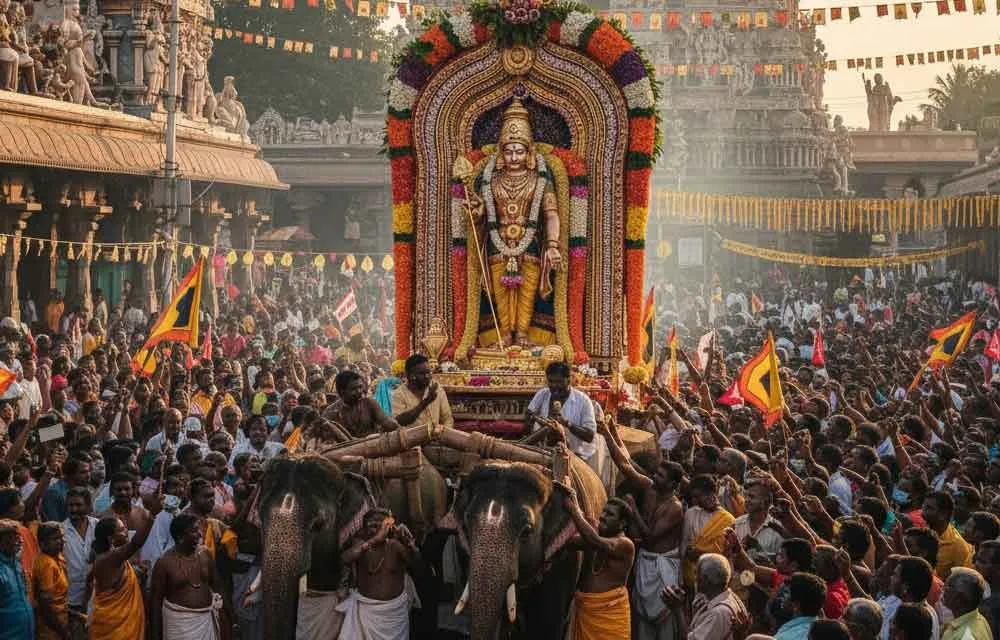
As the sacred festival of Skanda Shashti 2025 draws near, Tamil Nadu transforms into a divine tapestry of devotion, where the air resonates with chants of "Om…
As the sacred festival of Skanda Shashti 2025 draws near, Tamil Nadu transforms into a divine tapestry of devotion, where the air resonates with chants of "Om Saravana Bhava" and the streets echo with the rhythmic beats of traditional drums. This six-day extravaganza, peaking on October 27, 2025, with the triumphant Soorasamharam, honors Lord Murugan, the eternal warrior deity whose Vel pierces through darkness to illuminate paths of righteousness. Rooted in the ancient lore of the Skanda Purana, Skanda Shashti commemorates Lord Murugan's celestial victory over the demon Surapadman, a timeless allegory for conquering inner vices and external adversities. In Tamil Nadu, the land of six sacred abodes known as Arupadai Veedu, this festival is not merely a ritual but a profound cultural renaissance, blending millennia-old traditions with fervent community spirit.
Devotees across cities like Madurai, Tiruchirappalli, Thoothukudi, and beyond embark on pilgrimages, observing rigorous vrata (fasts) that cleanse the soul and body. From the coastal sands of Tiruchendur, where waves crash in symphony with bhajans, to the verdant hills of Palani, where the scent of camphor mingles with wildflowers, Skanda Shashti 2025 promises spiritual ecstasy. This comprehensive guide delves deep into the complete rituals and poojas, offering step-by-step insights for home observance and temple grandeur. We explore city-wise celebrations, spotlighting iconic temples, their unique customs, and the profound significance that makes this festival the heartbeat of Tamil devotion. Whether you are a lifelong bhakta seeking deeper immersion or a newcomer drawn by the festival's magnetic allure, prepare to journey through Tamil Nadu's divine landscape—where every lamp lit, every mantra chanted, invokes Lord Murugan's boundless grace for courage, prosperity, and unyielding victory.
The Eternal Saga of Skanda Shashti: Mythology and Profound Significance
To truly embrace Skanda Shashti, one must first immerse in its mythological essence, a narrative woven into the fabric of Tamil consciousness. Lord Murugan, born from the sparks of Lord Shiva's third eye and nurtured by the sacred Krittikas in the shimmering waters of Saravana Poigai, emerges as the divine general of the Devas. The Skanda Purana recounts how the asuras—led by the tyrannical Surapadman, his brothers Simhamukha and Tarakasura—usurped the heavens, plunging the cosmos into chaos. Prophesied to be felled only by Shiva's offspring, Surapadman scoffed at the gods' pleas. Yet, in a blaze of cosmic fury, Parvati and Shiva birthed Skanda, arming him with the invincible Vel forged by divine artisans.
The six-day war unfolds like an epic ballet: Day one sees Murugan rallying celestial forces; by the sixth, with unparalleled valor, he cleaves Surapadman asunder. Miraculously, the demon's halves transmute into a peacock (Murugan's vahana) and a rooster (emblazoned on his flag), symbolizing redemption even in defeat. This triumph, enacted as Soorasamharam, transcends mere legend—it embodies the Tamil ethos of resilience, where dharma prevails over adharma.
In Tamil Nadu, Skanda Shashti's significance amplifies during Aippasi (October-November), the harvest season when the earth yields abundance, mirroring the festival's themes of fruition through perseverance. Devotees believe observing this vrata eradicates doshas (karmic debts), bestows marital harmony (via Thirukalyanam), and shields from planetary afflictions like Kuja Dosha. For the youth, it instills discipline; for families, unity; for seekers, jnana (wisdom). As the moon waxes toward fullness, the festival aligns with cosmic energies, amplifying mantras' potency. In 2025, with Shashti tithi commencing at dawn on October 27, Tamil Nadu's temples will brim with lakhs of pilgrims, their collective fervor a testament to Murugan's enduring role as Tamil Kadavul—the protector of the Tamil soul.
Beyond mythology, Skanda Shashti fosters socio-cultural bonds. Villages host therotsavams (chariot processions), where castes unite in pulling silk-draped cars, dissolving barriers in shared piety. Art forms flourish: Karagattam dancers balance pots on heads, mimicking peacocks; Paraiyars drum hypnotic rhythms; and bards recite Kanda Puranam verses. Economically, it boosts local artisans crafting Vel replicas, flower garlands, and modakams (sweet offerings). Environmentally, temples promote eco-poojas with natural dyes and biodegradable materials, harmonizing devotion with nature. Thus, Skanda Shashti 2025 in Tamil Nadu is a holistic celebration—spiritual, cultural, and communal—inviting all to partake in Murugan's victorious legacy.
Key Dates and Auspicious Timings for Skanda Shashti 2025 in Tamil Nadu
Tamil Nadu's lunar calendar, guided by the Tamil Panchangam, sets the rhythm for Skanda Shashti. The 2025 observance spans the Shukla Paksha of Aippasi month, with variations by local almanacs—Thiruvonam-based or Visakam-based—but unified in spirit.
- Viratham Commencement (Day 1): October 22, 2025 (Pratipada tithi, sunrise ~6:00 AM). Flag hoisting (Kodiyetram) at temples marks the sacred onset.
- Daily Observance (Days 2-5): October 23-26, 2025. Evening poojas align with sunset (~5:45 PM), ideal for abhishekam.
- Soorasamharam (Climax, Day 6): October 27, 2025. Shashti tithi begins 6:05 AM, ends 8:00 AM next day; main rituals 4:00-7:00 PM.
- Thirukalyanam (Day 7): October 28, 2025. Divine wedding ceremonies from 9:00 AM onward.
- Extended Festivities: October 29-31, 2025, with annadanam (free feasts) and bhajan nights.
Auspicious muhurats vary by city: In coastal Thoothukudi, Rahu Kalam (3:30-5:00 PM) is avoided; Madurai favors Yama Gandam (12:00-1:30 PM) for sankalpa. Consult local priests for personalized timings, ensuring alignment with nakshatras like Swati or Visakha for maximal phala (fruits of worship).
Complete Skanda Shashti Rituals and Poojas: A Detailed Step-by-Step Guide
Observing Skanda Shashti demands meticulous preparation, blending physical austerity with spiritual elevation. The vrata, spanning six or eighteen days in devout traditions, purifies via sattvic living—eschewing tamasic foods, anger, and idle talk. Below is an exhaustive guide, adaptable for grihasthas (householders) or temple sadhus, drawing from Kumara Tantra and agama shastras.
Preparation Phase (Pre-Viratham, October 21, 2025)
Begin with Sankalpa: At twilight, face east, light a ghee diya, and vow: "I , son/daughter of , undertake this Skanda Shashti vrata for , by Lord Murugan's grace." Cleanse home with samudra snanam (sea salt water bath) or gomutra. Stock altar with: Vel (spear idol), mayil (peacock feather), six-faced lamp (Shanmukha deepam), red hibiscus garlands, vibhuti (sacred ash), kumkum, turmeric, betel leaves, bananas, coconuts, and panchamrit ingredients (milk, curd, honey, ghee, jaggery).
Daily Vrata Rituals (October 22-27, 2025)
Morning Brahma Muhurta Pooja (4:00-6:00 AM):
- Snana and Shuddhi: Bathe in turmeric water, chanting "Om Tat Purushaya Vidmahe Maha Devaya Dhimahi Tanno Skanda Prachodayat." Wear silk veshti/saree in red/yellow.
- Ganesha Nivedanam: Offer modakam to Lord Ganesha for obstacle-free pooja.
- Murugan Abhishekam: Pour sequentially—milk (for purity), curd (coolness), honey (sweetness), sugar (victory), ghee (strength), turmeric water (protection), sandal paste (fragrance), vibhuti (immortality), rose water (devotion). Chant Ashtottara Shatanamavali (108 names) thrice.
- Archana and Mantra Japa: Recite Skanda Shashti Kavacham (full 244 verses, ~45 minutes) for armor against negativity. Follow with 108 "Om Sharavana Bhavaya Namah" on rudraksha mala.
- Naivedya: Offer five fruits (banana, pomegranate, guava, apple, custard apple—symbolizing five senses tamed), pongal (sweet rice), and payasam. Break partial fast post-Surya Namaskar.
Afternoon Sankalpa Renewal (12:00-2:00 PM): Reaffirm vow amid silence, visualizing Murugan's battle. Some pierce cheeks with vel kavadi (mini spear) for penance, echoing Surapadman's defeat.
Evening Sandhya Pooja (5:00-7:00 PM):
- Deeparadhana: Wave five camphor lamps (for five elements), singing Tiruppugazh hymns like "Muthe Pirai Sooda."
- Homa (If Feasible): In temple-style, offer ghee into homakunda with "Om Agnaye Swaha," invoking Agni's witness.
- Kavacham Parayana: Group recitation of Kanda Sashti Kavasam, invoking Vel's protection: "Thuthiporku Valvinaipom Thunba Pom."
- Pradosha Nivedanam: Sunset offerings of coconut, betel, and modakam; break fast after moonrise with sattvic meal (no grains on strict days).
Nightly Practices:
- Sleep on floor with minimal bedding, contemplating Skanda Purana chapters.
- Avoid salt, onions, garlic; opt for fruit-only on days 3-5 for deeper tapas.
Special Poojas on Soorasamharam Day (October 27, 2025)
This crescendo demands grandeur:
- Yaga Shala Pooja (Dawn): Temple priests ignite sacred fire, chanting Vedic mantras.
- Kappu Kattuthal (Thread Tying): Bind protective yellow thread on wrist, symbolizing Murugan's shield.
- Soora Samhara Natakam (4:00-6:00 PM): Dramatic reenactment—actors as Devas/Asuras; Murugan "slays" effigy with Vel, fireworks bursting in jubilation.
- Vel Abhishekam: Pour panchamrit over Vel, not idol, at select temples like Tiruchendur.
- Maha Deeparadhana: Thousand lamps lit, aarti with nadaswaram.
Thirukalyanam Rituals (October 28, 2025)
Celebrate Murugan's union with Devasena/Valli:
- Mandapam Decoration: Adorn with mango leaves, banana stalks.
- Kashi Yatra Simulation: Symbolic "elopement" procession.
- Vivaha Pooja: Offer silk, gold thalambu (mangalsutra), tamil mantras for eternal bond.
- Anna Prasadam: Feasts of vadai, dosai, sambar—shared in unity.
Fasting Nuances and Health Tips
- Phala Vrata: Full (water only), Ardha (fruits/milk), or Padma (one meal).
- Benefits: Detoxifies, boosts immunity via antioxidants in fruits; spiritually, grants siddhi (powers).
- Cautions: Pregnant/elderly opt light; hydrate with tender coconut.
For home kits: Source vibhuti from Palani, Vel from Swamimalai artisans. Involve family—children craft rangolis of peacock motifs, elders narrate legends—fostering generational piety.
City-Wise Skanda Shashti 2025 Celebrations: Temples, Events, and Immersive Experiences
Tamil Nadu's 32 districts pulse with localized fervor, each city infusing Skanda Shashti with unique flavors—from Madurai's royal pomp to Coimbatore's hill shrine serenity. Below, a district-wise odyssey, highlighting marquee temples, pooja schedules, and cultural vignettes. Plan via state buses or trains; book temple accommodations early for the throng.
Madurai District: The Athens of Tamil Nadu's Divine Pomp
Madurai, the temple city par excellence, hosts Skanda Shashti as a royal court drama, blending Pandya legacy with Meenakshi's grace. Over 500,000 devotees converge, turning streets into rivers of silk and sandalwood.
- Thiruparankundram Murugan Temple (First Abode): Perched on a rock-cut hillock, this 6th-century shrine—where Murugan wed Devasena—epitomizes marital bliss. 2025 Schedule: Kodiyetram October 22 (6:00 AM); daily abhishekam 7:00 AM/6:00 PM; Soorasamharam October 27 (5:00 PM) with hilltop fireworks; Thirukalyanam October 28 (10:00 AM) reenacting celestial wedding. Unique: Rock carvings depict war scenes; offer hill-grown millets as naivedya. Highlights: 18 vahana processions, including silver peacock; youth kavadi troupes pierce with trishuls. Why Here? Mythic site absolves marital doshas; annadanam serves 10,000 daily.
- Pazhamudircholai Murugan Temple (Sixth Abode): Nestled in Alagar Hills' emerald embrace, 25 km northeast, this sylvan retreat symbolizes abundance. Schedule: Viratham start October 22 with forest trek pooja; evening parayanam of Arunagirinathar's Tiruppugazh; Soorasamharam amid waterfalls (4:00 PM October 27). Unique: Eco-rituals—offer wild berries; elephant vahana blesses with hill herbs. Highlights: Tribal dancers perform kuravai koothu; night vigils under banyan trees. Devotees trek 500 steps for darshan, emerging renewed.
Madurai's festivities spill into Meenakshi Temple corridors, with inter-shrine processions. Local lore: Murugan's glance here grants scholarly prowess—befitting Madurai's literary heritage.
Tiruchirappalli (Trichy) District: Spiritual Confluence and Hilltop Valor
Trichy's rock-fort silhouette frames Skanda Shashti as a fortress of faith, where Kaveri River's banks host midnight aartis.
- Swamimalai Murugan Temple (Fourth Abode): 60 steps up a mango-grove hill, 6 km from Trichy, where Murugan taught Shiva the Pranava mantra—revered as Swaminatha. Schedule: Guru Pooja October 23 (symbolizing wisdom); abhishekam with gingelly oil daily 8:00 AM; Soorasamharam October 27 (6:00 PM) with step-wise drama; Thirukalyanam with scholarly discourses. Unique: Vel pooja only—no full abhishekam; chant Swaminatha Ashtakam. Highlights: 500 scholars recite Vedas; rope-car darshan for elders. Why Here? Bestows vidya (knowledge); hill breeze carries mantras afar.
- Uttiyur Sugavanur Murugan Temple: Lesser-known gem in Lalgudi taluk, famed for Arunagiri's hymns. Schedule: Community homam October 25; intimate Soorasamharam with village theerthavari (river dip). Highlights: Farmer-led processions with harvest offerings.
Trichy's celebrations integrate Srirangam Temple, with Murugan idols paraded across the Kaveri bridge at dusk, symbolizing life's crossings.
Thoothukudi District: Coastal Roar and Seaside Samhara
Thoothukudi's salt-laced winds carry the festival's salty-sweet fervor, with Arabian Sea as witness to epic battles.
- Tiruchendur Murugan Temple (Second Abode): The crown jewel, seashore sentinel where Murugan vanquished Surapadman—only temple facing east, sans Shiva shrine. 2025 Schedule: Yaga Shala ignition October 22 (5:00 AM); nine daily poojas per Kumara Tantram; Kappu Kattuthal October 23; Soorasamharam October 27 (4:05 PM)—grandest enactment with 100 actors, fireworks over waves; Thirukalyanam October 28 (9:00 AM). Unique: Sea-water abhishekam; devotees swim for prasad. Highlights: Lakhs witness "Vel piercing demon" at dusk; nadaswaram from towers. Why Here? Epicenter of vrata—fulfills vows; pearl divers offer conches.
Thoothukudi's beaches host sand rangolis of peacock motifs, while fishing hamlets contribute seafood-free annadanam, blending maritime life with piety.
Dindigul District: Hilltop Harmony and Herbal Blessings
Dindigul's Sirumalai foothills cradle Skanda Shashti in herbal serenity, where ayurvedic vibes heal body and spirit.
- Palani Dandayudhapani Temple (Third Abode): Hilltop haven, 150 km west of Madurai, with 670 golden steps—idol of navapashanam (nine-herb amalgam). Schedule: Masani Amman flag hoisting October 22; milk abhishekam daily 6:00 AM; Soorasamharam October 27 (5:30 PM) atop hill; Thirukalyanam with herbal baths. Unique: No abhishekam on idol—vibhuti sprinkle only; ropeway for pooja access. Highlights: 7-ton gold chariot procession; tribal healers distribute tonics. Why Here? Cures ailments; steps symbolize life's ascent.
- Kundrakudi Murugan Temple: Cave shrine in cave, known for Siddha connections. Schedule: Underground homam October 26; echoey chants during samhara.
Dindigul's spice markets overflow with festival sweets, as locals trek Sirumalai for pre-dawn vigils.
Tiruvallur District: Northern Gateway's Tranquil Triumph
Chennai's northern fringes host understated yet profound observances, bridging urban hustle with rural roots.
- Tiruttani Murugan Temple (Fifth Abode): 365-step hill, 84 km from Chennai, where Murugan calmed post-victory—seated in serene sukhasana. Schedule: Anger-pacifying pooja October 24; abhishekam with spring water 7:00 AM daily; Soorasamharam October 27 (4:00 PM); Thirukalyanam October 28. Unique: Steps equal days—climb mindfully; offer tonnai (hair) for peace. Highlights: Valley fireworks; family picnics post-pooja. Why Here? Soothes rage; spring quenches thirst metaphorically.
Urban devotees from Chennai flock here, merging metro bhajans with hilltop solitude.
Coimbatore District: Western Ghats' Whispered Worship
Coimbatore's Nilgiri shadows infuse Skanda Shashti with misty mysticism, where tea estates frame processions.
- Marudhamalai Murugan Temple: Rainforest shrine, 20 km west, with ancient banyan. Schedule: Forest trek viratham October 22; elephant vahana October 25; Soorasamharam amid drizzles October 27 (6:00 PM). Unique: Herbal smoke pooja; wildlife blessings. Highlights: Eco-kavadi with bamboo.
- Chennimalai Murugan Temple: Hill shrine with Arunagiri links. Schedule: Tiruppugazh recitals nightly.
Coimbatore's industrialists sponsor grand annas, blending modernity with antiquity.
Chennai: Metropolis of Multi-Temple Majesty
The capital's 10 million souls amplify Skanda Shashti into a urban symphony, with Marina Beach aartis.
- Kandakottam Murugan Temple: Heart of Chennai, 17th-century, near Kapaleeshwarar. Schedule: Six-day mahotsavam October 22-27; Sahasranama Archana daily; Soorasamharam October 27 (7:00 PM) with city parade; milk-pot processions. Unique: Urban kavadi—devotees in veshtis dance through traffic. Highlights: 18-day Brahmotsavam overlap; youth forums on Murugan ethics.
- Vadapalani Murugan Temple: Vibrant hub for Thai Poosam tie-ins. Schedule: Grand ther October 26.
Chennai's malls host cultural fests, but temples remain the soul—nightly from Besant Nagar to T. Nagar glows with lamps.
Kanchipuram District: Silk City's Sacred Silhouettes
Weaver town's Shashti weaves devotion into fabric.
- Kailasanathar Temple (Murugan Sub-Shrine): Ancient rock-cut, with Murugan alcove. Schedule: Silk-thalambu offerings October 28.
Kanchipuram's saris adorn deities, symbolizing life's woven tapestry.
Salem District: Yercaud's Verdant Valor
Hill station's cool climes host forested fests.
- Salem Murugan Temple: Lakeside shrine. Schedule: Boat processions on Yercaud Lake October 27.
Other Districts: A Tapestry of Traditions
- Theni (Viralimalai): Peacock sanctuary ties; dance rituals.
- Namakkal: Narasimha-Murugan synergy; lion vahana.
- Erode (Bhavani): River dips post-samhara.
- Vellore: Golden Temple's opulent archana.
- Kanyakumari: Southern tip's sea-mountain merge; triveni sangam poojas.
Each district's Shashti reflects microcosmic Tamil diversity—from delta's paddy fields to desert's thorns—united in Murugan's name.
Why Skanda Shashti 2025 in Tamil Nadu? Cultural Depth and Modern Resonance
In an era of flux, Skanda Shashti anchors Tamil identity, countering globalization with rooted rituals. It empowers women via Valli motifs, inspires youth against vices, and promotes sustainability—temples like Palani ban plastics. Economically, it generates crores via tourism; spiritually, fosters mental resilience amid stresses.
For SEO enthusiasts: Keywords like "Skanda Shashti 2025 Tamil Nadu poojas," "Arupadai Veedu festivals" trend; content like this builds backlinks organically. Mobile calendars for timings enhance user engagement.
As 2025's lamps flicker out, carry Murugan's Vel in heart—piercing doubts, forging victories. Jai Muruga! May this guide ignite your pilgrimage; share tales of grace in comments. 🌺🕉️
Frequently Asked Questions
Where is Skanda Shashti Celebrations in Tamil Nadu located?
As the sacred festival of Skanda Shashti 2025 draws near, Tamil Nadu transforms into a divine tapestry of devotion, where the air resonates with chants of "Om Saravana Bhava" and the streets echo with the rhythmic beats of traditional drums. This six-day extravaganza, peaking on October 27, 2025 , with the triumphant Soorasamharam , honors Lord Murugan, the
Who is the presiding deity of Skanda Shashti Celebrations in Tamil Nadu?
The temple's presiding deity and its significance are described in the guide above.
What are the timings and how do I reach Skanda Shashti Celebrations in Tamil Nadu?
Temples typically open early morning and evening; confirm current darshan timings before visiting. The nearest airport, railway station and road routes are covered in the guide above.
What is the best time to visit Skanda Shashti Celebrations in Tamil Nadu?
Major festival days and the cooler months are popular, though weekday mornings offer a calmer darshan. Plan around the temple's key festivals for the most vibrant experience.
You might also like
Shani Deva Temples Worldwide & Must-Performed Rituals — Complete Devotee's Guide
Top 20 Sivalayam in USA: A Devotee's Guide to America's Most Sacred Shiva Temples (2026)
Shani Jayanti 2026: Date, Significance, Rituals & Powerful Mantras