
Ksheerabdi Dwadashi
Ksheerabdi Dwadashi, also known as Chiluku Dwadashi, is a sacred observance of the Karthika month that is especially loved in Telugu households. Its name recalls the Ksheera Sagara, the cosmic ocean of milk, and devotees traditionally associate the day with Lord Vishnu rising from his yogic sleep and coming to the Tulsi plant together with Goddess Lakshmi.
For many families the evening is centred on a puja at the Tulsi altar, where a sprig of amla (usherikaya) is placed beside the Tulsi, lamps are lit and Vishnu and Lakshmi are worshipped together. Devotees believe that sincere worship on this day may bring harmony to the home and blessings for married life, and many women keep a vrat and listen to the katha with their family.
On HinduTone you will find step-by-step puja vidhi you can follow at home, the stories connected with the churning of the ocean, lists of items to keep ready and explanations of regional customs. Related pages cover Tulsi Vivah, everyday Tulsi Puja and the wider observances of Karthika Masam dedicated to Lord Vishnu.
Latest Articles

Ksheerabdi Dwadashi and Tulasi Vivah 2026 in Qatar, Oman, Bahrain, Kuwait and Saudi Arabia: Saturday 21 November
Ksheerabdi Dwadashi and Tulasi Vivah 2026 in New Zealand: Sunday 22 November, with Times for Auckland, Wellington, Christchurch and Hamilton
Ksheerabdi Dwadashi and Tulasi Vivah 2026 in Malaysia: Sunday 22 November, with Dwadashi Times for Kuala Lumpur, Penang, Johor Bahru and Ipoh
Panchangam 21 November 2026, Saturday: Ksheerabdi Dwadasi, Tulasi Vivah, Ekadashi Parana, Guruvayur Ekadashi and Chaturmasa Ends (Hyderabad)
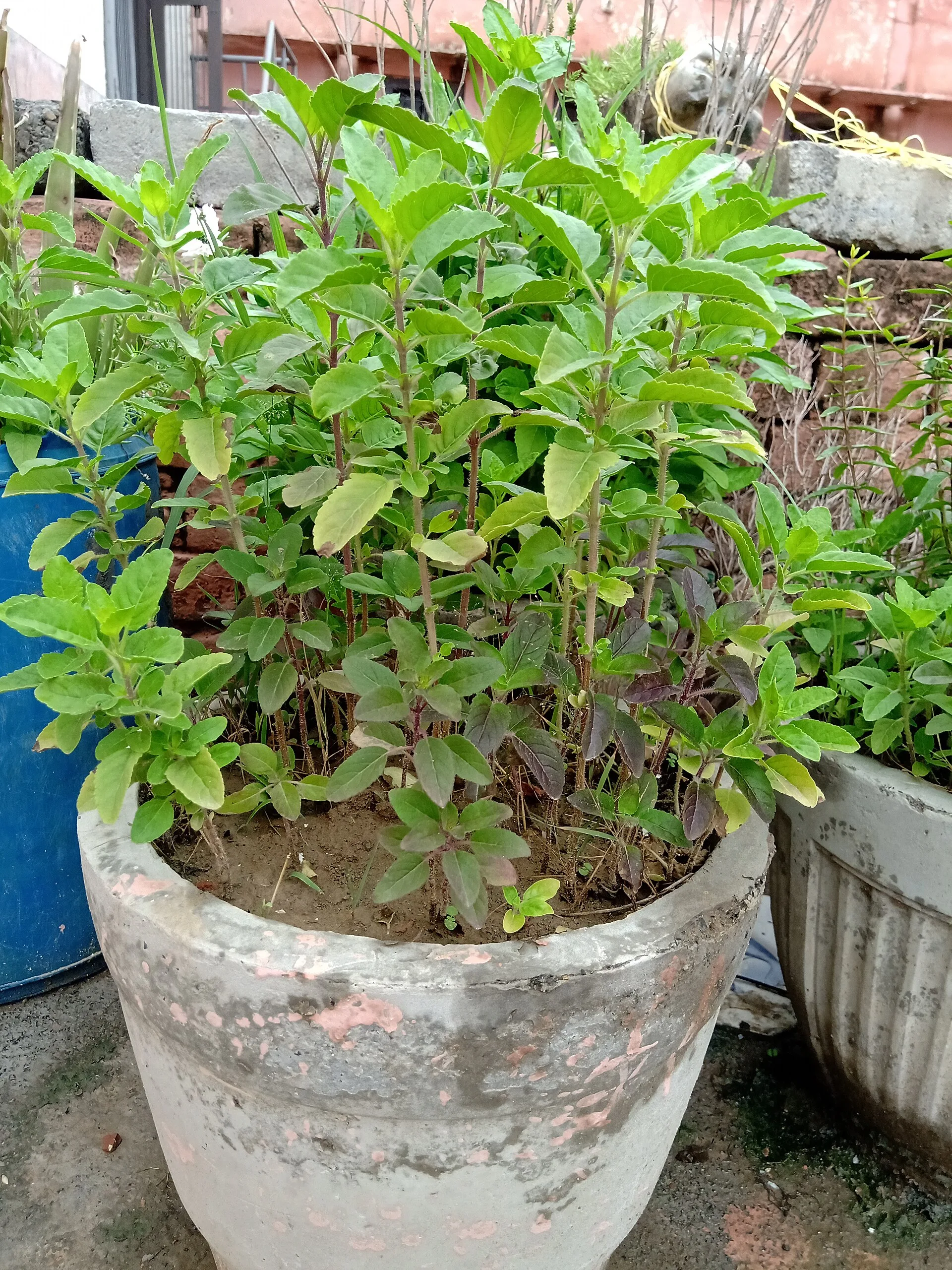
Tulasi Pooja in Karthika Masam 2026: Daily Vidhi, Sloka, Ksheerabdi Dwadasi (21 November) and Plant Care
Ksheerabdi Dwadashi and Tulasi Vivah 2026 in Europe: Saturday 21 November in 21 Cities, from Stockholm's 3 PM Dusk to Madrid
Ksheerabdi Dwadashi and Tulasi Vivah 2026 in Singapore: Sunday 22 November, a Day After India, and Tulasi in the Monsoon
Ksheerabdi Dwadashi and Tulasi Vivah 2026 in the UAE: Saturday 21 November in Dubai, Abu Dhabi and Across the Emirates
Ksheerabdi Dwadashi and Tulasi Vivah 2026 in Australia: Sunday 22 November, One Day After India
Ksheerabdi Dwadashi and Tulasi Vivah 2026 in Canada: Saturday 21 November, Evening Lamps Coast to Coast and an Indoor Tulasi
Ksheerabdi Dwadashi and Tulasi Vivah 2026 in the UK: Saturday 21 November, a 4 PM Sunset and a Windowsill Tulasi
Ksheerabdi Dwadashi and Tulasi Vivah 2026 in the USA: Saturday 21 November, Home Puja and Keeping Tulasi Alive Indoors

FAQs
What is Ksheerabdi Dwadashi?
Ksheerabdi Dwadashi, also called Chiluku Dwadashi, is a Karthika month observance dedicated to Lord Vishnu and Goddess Lakshmi. Devotees worship them at the Tulsi plant, usually in the evening, and many families treat it as the Telugu form of the Tulsi and Vishnu celebration also known in other regions as Tulsi Vivah.
Why is it called Ksheerabdi Dwadashi?
Ksheerabdi refers to the Ksheera Sagara, the ocean of milk. According to tradition, the gods and asuras churned this ocean, and the day is linked with Lord Vishnu and Goddess Lakshmi. The name Chiluku Dwadashi comes from the word for churning, which is why the story of the churning is often recited.
How is Ksheerabdi Dwadashi puja performed at home?
Families clean the Tulsi altar, decorate it with rangoli and place an amla branch beside the Tulsi as a symbol of Lord Vishnu. Lamps are lit, turmeric, kumkum and flowers are offered, and prayers to Vishnu and Lakshmi are chanted before aarti. Customs vary, so follow your family tradition or priest.
Who usually observes the Ksheerabdi Dwadashi vrat?
The vrat is especially popular among married women in Andhra Pradesh and Telangana, who pray for the wellbeing of their family, but anyone may take part in the puja. Some devotees fast until the evening worship, while others simply perform the puja with devotion. Health and personal circumstances should guide fasting.