
Tithi
4 articles
A tithi is a lunar day, one of the five limbs of the Hindu Panchang along with vara (weekday), Nakshatra, yoga and karana. It is based on the changing angle between the Sun and the Moon, which is why a tithi does not begin at midnight or sunrise like a calendar date and can start or end at any hour.
Tithis matter because most Hindu festivals, vratams and family rites are fixed by them rather than by the Gregorian calendar. Familiar observances such as Ekadashi, Purnima (Pournami) and Amavasya are all tithis, and the annual Shraddha for a departed relative is traditionally calculated by the tithi of their passing. Devotees often consult the tithi before beginning important work, and the way a tithi is applied can differ between regional traditions and time zones.
On this page you will find simple explainers on how tithis work, why the same festival can fall on different days in different places, guides to reading a Panchang, and articles on the significance of particular tithis.
Latest Articles
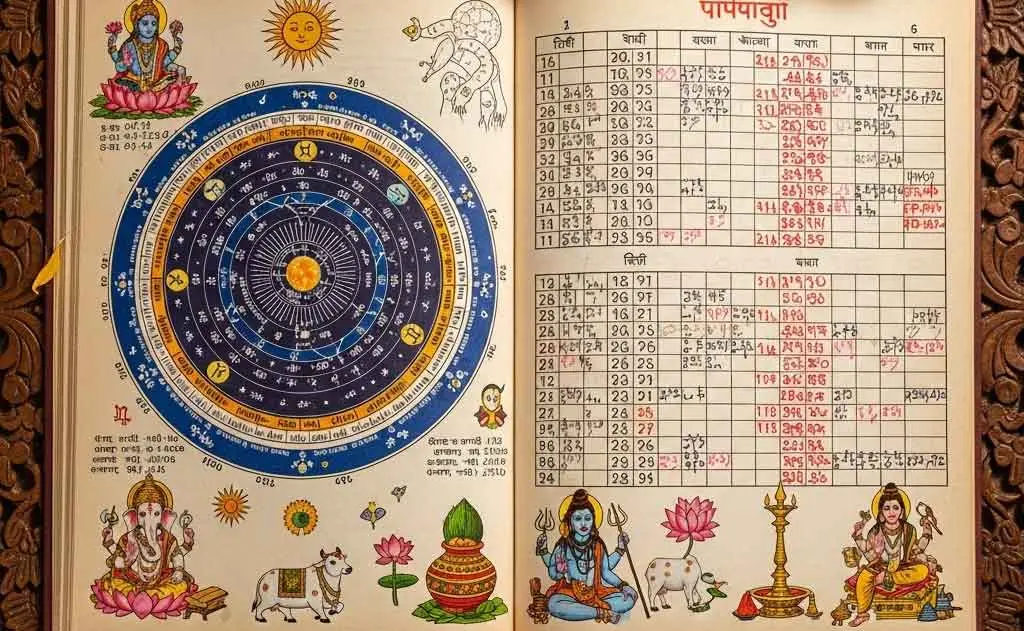
What Is a Tithi? The 30 Tithis Explained, with Names, Kshaya and Vriddhi Tithis and Why Festival Dates Shift
The tithi is the lunar day at the heart of every Hindu festival date. Here is how it is calculated (each 12 degrees of…
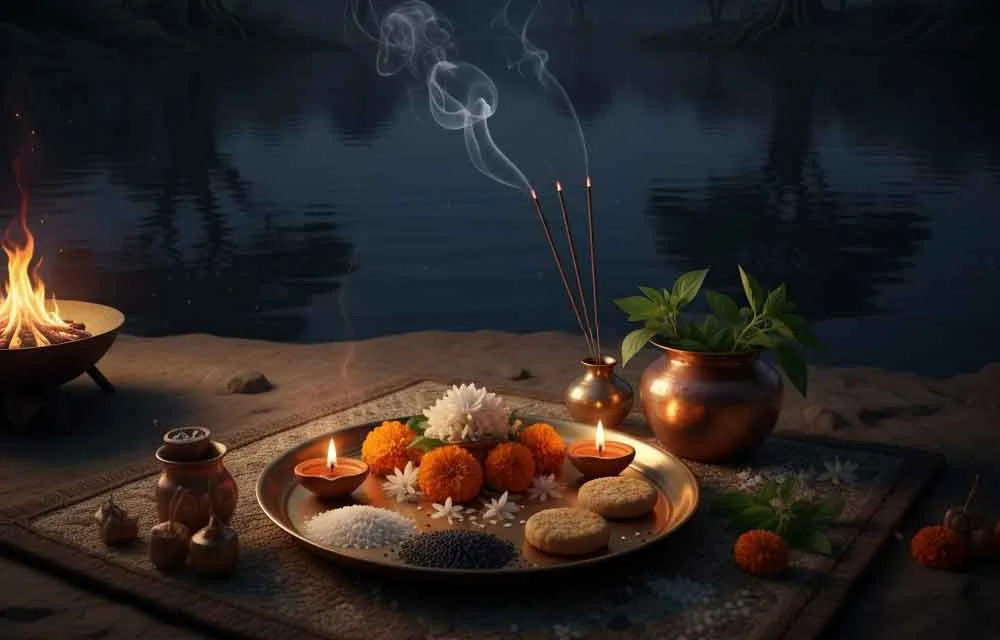
Amavasya Dates and Tithi Times by City: November 2026 to January 2027, with Rituals and Tarpan Guide
When the next three Amavasyas begin and end in 28 cities (Kartika Amavasya 8–9 November, Margashirsha Amavasya 8…
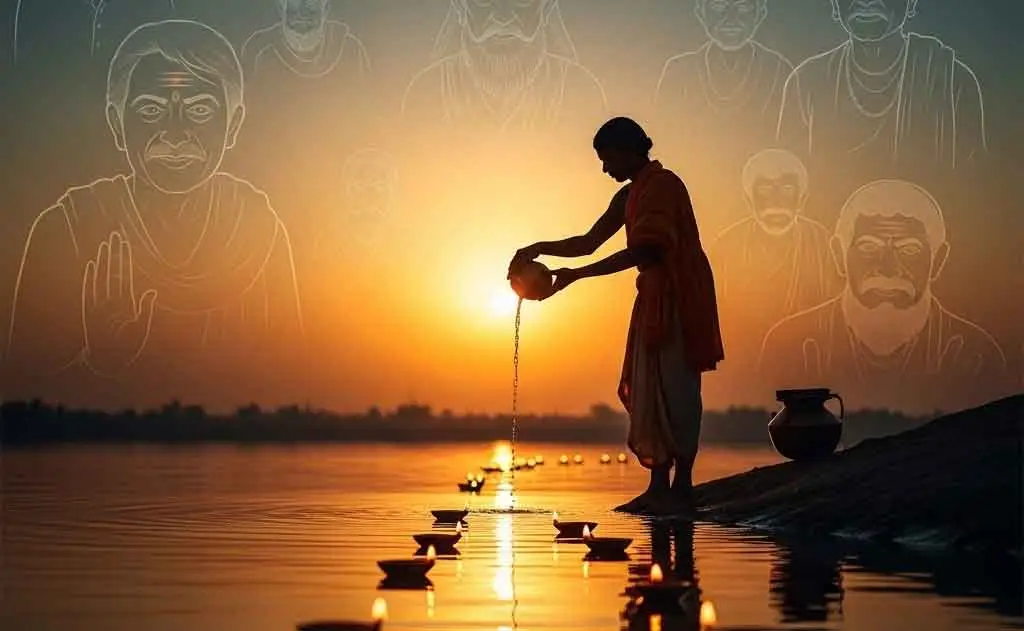
Role of Tithi in Ancestor Rites – Garuda Purana Spiritual Guide
In Hindu tradition, Tithi (lunar day) plays a pivotal role in Shraddha and Pitru Tarpana rituals, as detailed in the…

Dashami Tithi: Meaning, Festivals, Upcoming Dates, Rituals and Mantras
Dashami is the tenth tithi of each lunar fortnight. This guide explains how the tithi is measured, the festivals that…
FAQs
What is a tithi in the Hindu calendar?
A tithi is a lunar day, one of the five elements of the panchang. It is based on the angle between the Moon and the Sun, so its length varies and it does not match a calendar day. Each lunar month has thirty tithis, fifteen in the bright half (Shukla paksha) and fifteen in the dark half (Krishna paksha).
How do I find today's tithi?
Today's tithi depends on your location because sunrise and the Moon's position are calculated for your city. Our panchang pages show the current tithi with its start and end times for many cities in India and abroad. For festivals, the tithi prevailing at sunrise or at a specific time of day usually decides the date.
What are the names of the tithis?
The tithis in each fortnight are Pratipada, Dwitiya, Tritiya, Chaturthi, Panchami, Shashti, Saptami, Ashtami, Navami, Dashami, Ekadashi, Dwadashi, Trayodashi and Chaturdashi, followed by Purnima (full moon) in the bright half or Amavasya (new moon) in the dark half. Telugu names like Padyami and Vidiya are regional forms.