Birla Mandir
History and Architecture of Birla Mandir A great combination of old traditions, history, and modernity, Hyderabad is one of the spectacular places to visit.
History and Architecture of Birla Mandir
A great combination of old traditions, history, and modernity, Hyderabad is one of the spectacular places to visit. It has developed beautifully keeping its history and majestic appeal intact. Birla Mandir is one such attractive spot in Hyderabad.
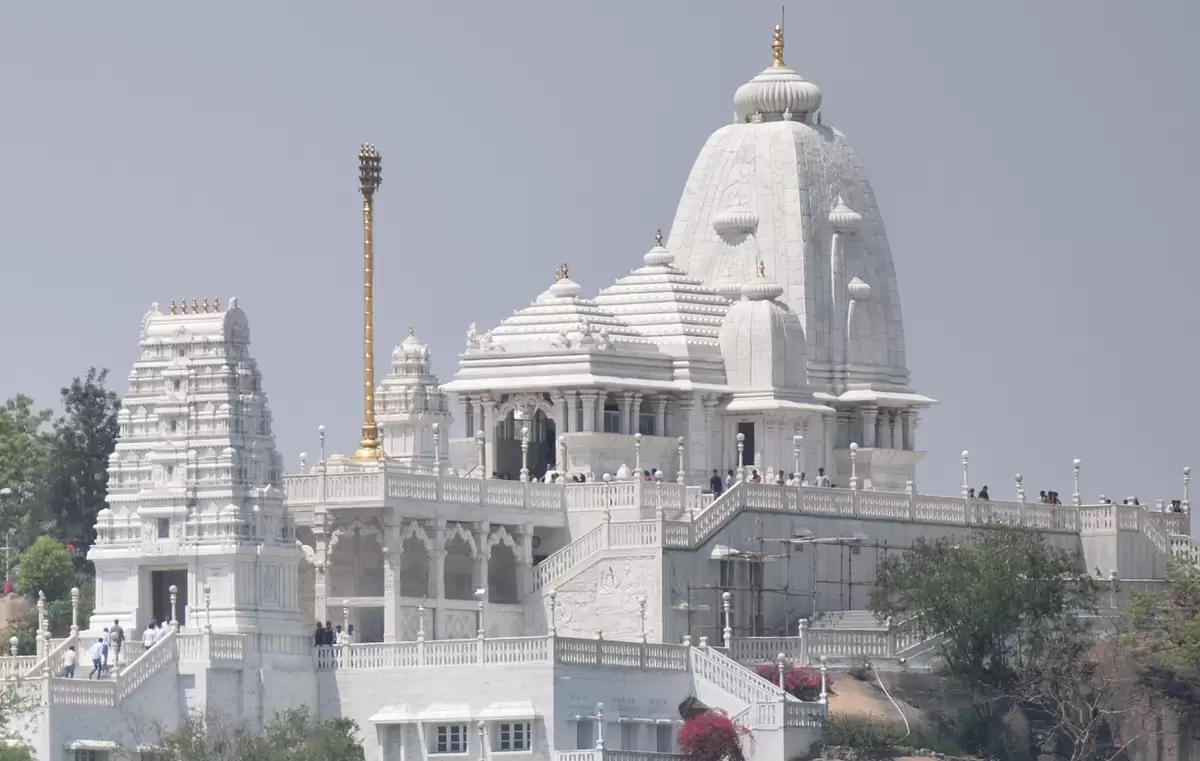
Rested on a 280 feet high hillock called Naubath Pahad, on a 13 acres plot, Birla Mandir is one of the famous Hindu Temples in Hyderabad. It is established by Birla Foundation. This temple is dedicated to Lord Venkateshwara Swamy and attracts people with its extraordinary architecture and peaceful atmosphere. Known as the most famous temple in Hyderabad to be visited.
Let us discuss the history and architecture of the majestic temple.
The temple is made of 2,000 tons of pure white marble which are imported from Rajasthan State, Birla Mandir in Hyderabad is considered a unique mixture of Dravidian, Rajasthani, and Utkala styles of architecture. It took about ten years of hard work and the commitment of artisans and sculptors to complete the structure of this temple.
Birla Mandir offers the best viewpoints in the city of Hyderabad. It provides a clear view of Hussain Sagar Lake, Hyderabad, and Secunderabad. The temple has an 11 ft granite idol of Lord Venkateswara Swamy with a shaped lotus, forming an umbrella on the top. There are no bells and common chimes as the temple’s environment are made favorable for meditation and peace.
The Birla mandir also contains many temples devoted to different Hindu gods and goddesses and Buddhist deities which include Lord Maha Shiva, Maha Shakti, Swamy Brahma, Lord Ganesh, Goddess Saraswathi, Lord Hanuman, Goddess Lakshmi, and Sai Baba. Inside the temple, many finely sculpted marble images represent great stories such as Ramayana and Mahabharata.
Birla temple was built by Birla Foundation in the year 1976 and was opened by Swami Ranganathananda of Ramakrishna Mission. As Swami Ranganathananda needed this temple for performing meditation, there are no bells installed. Here, the idol of Lord Venkateshwara Swamy is formed out in the Oriya method.
The temple showcases the mix of Utkal also called Oriya and South Indian Dravidian architectural style. The over the Jagadananda Vimanam showcases the Oriyan style while the Rajagopuram indicates South Indian architectural style.
This is all about the history and architecture of Birla Mandir. It is a holy place to witness peace and spirituality. So, Hyderabad ka Birla Mandir must be your primary place to visit whenever you plan a trip to this royal city. Do visit it with your family and friends on weekends to enjoy yourself in peace and devotion.
Who is Lord Venkateshwara and Why is He the Presiding Deity?
Lord Venkateshwara, also called Srinivasa or Balaji, is a form of Lord Vishnu venerated primarily across Andhra Pradesh and Telangana. The name 'Venkateshwara' derives from the Sanskrit roots 'Venkata' — traditionally interpreted as 'destroyer of sins' — and 'Ishwara,' meaning the Supreme Lord. His principal abode is the Tirumala Venkateswara Temple in Tirupati, and the Hyderabad Birla Mandir mirrors that sacred connection by consecrating the same form of the deity.
The Skanda Purana's Venkateswara Mahatmyam describes the deity's descent to the Venkata Hill during the Kali Yuga specifically to grant liberation to ordinary devotees who cannot undertake elaborate Vedic rituals. This makes Him a particularly accessible and compassionate form of Vishnu, which explains why the Birla Foundation chose His form as the central object of worship in a temple designed to welcome people of all walks of life.
The Three Architectural Styles Woven Into the Temple's Design
The Birla Mandir in Hyderabad is a rare architectural experiment that consciously merges three distinct regional traditions of Hindu sacred architecture. The Dravidian style, predominant in South India, is expressed through the tiered vimana (tower above the sanctum) and the characteristic gopuram-inspired proportions. The Rajasthani style, native to the marble's region of origin, contributes the intricately latticed jali screens, arched pavilions, and the overall whiteness that gives the temple its luminous identity.
The third influence, the Utkala or Kalinga style from Odisha, is visible in the curvilinear rekha deul shikhara form used in certain subsidiary shrines. This style is most famously seen at the Lingaraja Temple in Bhubaneswar and the Jagannatha Temple in Puri. The deliberate fusion at Birla Mandir was intended to signal that the temple belongs to all of India, not to any single regional tradition, a philosophy consistent with the Birla Foundation's pan-national outlook.
Scriptural Narratives Depicted in the Temple's Marble Sculptures
The interior and outer walls of Birla Mandir carry finely carved marble panels illustrating episodes from the Ramayana and the Mahabharata. Among the Ramayana scenes, the Sundara Kanda — depicting Hanuman's journey to Lanka and his encounter with Sita at Ashoka Vatika — is rendered with notable detail, reinforcing the presence of a dedicated Hanuman shrine within the complex. The Mahabharata panels include representations of the Bhagavad Gita dialogue between Krishna and Arjuna on the battlefield of Kurukshetra.
Beyond the two Itihasas, sculptural motifs drawn from the Dashavatara (the ten principal avatars of Vishnu) are integrated into the decorative programme, educating visitors about the Puranic cosmology of divine descent. The inclusion of Buddhist imagery within the temple compound — an uncommon feature — reflects Hyderabad's broader cultural heritage and echoes the Indic tradition that recognises the Buddha as the ninth avatar of Vishnu in several Puranic lists, including that of the Bhagavata Purana.
Swami Ranganathananda and the Temple's Spiritual Legacy
The inauguration of Birla Mandir in 1976 by Swami Ranganathananda of the Ramakrishna Mission added a significant dimension to the temple's spiritual identity. Swami Ranganathananda was a renowned Vedanta philosopher who later served as the President of the Ramakrishna Math and Ramakrishna Mission. His association with the temple underscored its intended purpose not merely as a site of ritual worship but as a space for contemplation, inner inquiry, and the practice of dhyana (meditation).
This emphasis on meditation rather than elaborate ceremonial noise explains the deliberate absence of bells and chimes — unusual for a major Hindu temple. The design philosophy aligns with the Upanishadic teaching from the Mandukya Upanishad and the Kena Upanishad that the deepest experience of the divine transcends sensory stimulation. Visitors to Birla Mandir often remark on the resulting atmosphere of sustained stillness, which distinguishes it from most busy pilgrimage temples.
Practical Pilgrimage: Visiting Birla Mandir Today
Birla Mandir is situated on Naubath Pahad hill in the Khairatabad locality of Hyderabad, close to the iconic Hussain Sagar Lake and within easy reach of the city's public transport network. The elevated position — approximately 280 feet above the surrounding cityscape — makes the hilltop complex one of the most scenic vantage points in the twin-city area, offering unobstructed views of both Hyderabad and Secunderabad, particularly striking at dusk.
The temple observes daily darshan timings in two sessions, typically morning and evening, with special abhisheka (ritual bathing of the deity) and alankara (decoration) ceremonies conducted on festival days such as Brahmotsavam, Vaikunta Ekadashi, and Janmashtami. Photography is generally restricted inside the sanctum to preserve the meditative environment. Entry is free for all devotees, reflecting the Birla Foundation's commitment to making sacred spaces universally accessible.
Frequently Asked Questions
Where is Birla Mandir located?
History and Architecture of Birla Mandir A great combination of old traditions, history, and modernity, Hyderabad is one of the spectacular places to visit. It has developed beautifully keeping its history and majestic appeal intact.
Who is the presiding deity of Birla Mandir?
The temple's presiding deity and its significance are described in the guide above.
What are the timings and how do I reach Birla Mandir?
Temples typically open early morning and evening; confirm current darshan timings before visiting. The nearest airport, railway station and road routes are covered in the guide above.
What is the best time to visit Birla Mandir?
Major festival days and the cooler months are popular, though weekday mornings offer a calmer darshan. Plan around the temple's key festivals for the most vibrant experience.
Share this with family and friends
Send it on WhatsApp, post it, or copy the link.
More from Temples
- Famous Temples in Gujarat: A Source-Checked Guide to Somnath, Dwarka, Dakor, Ambaji, Modhera and More
- Famous Temples in Madhya Pradesh: A Source-Checked Guide to Mahakaleshwar, Omkareshwar, Khajuraho, Orchha and Datia
- Famous Temples in Kerala: A Source-Checked Guide to Guruvayur, Padmanabhaswamy, Vadakkunnathan, Attukal, Sabarimala and 70 More
- Famous Temples in Andhra Pradesh: A Source-Checked Guide from Tirumala and Simhachalam to Srikurmam, Lepakshi and Kanipakam
- Famous Temples in Karnataka: A Source-Checked Guide to Kukke, Kollur, Mysuru, Melukote, Hampi and More
You might also like
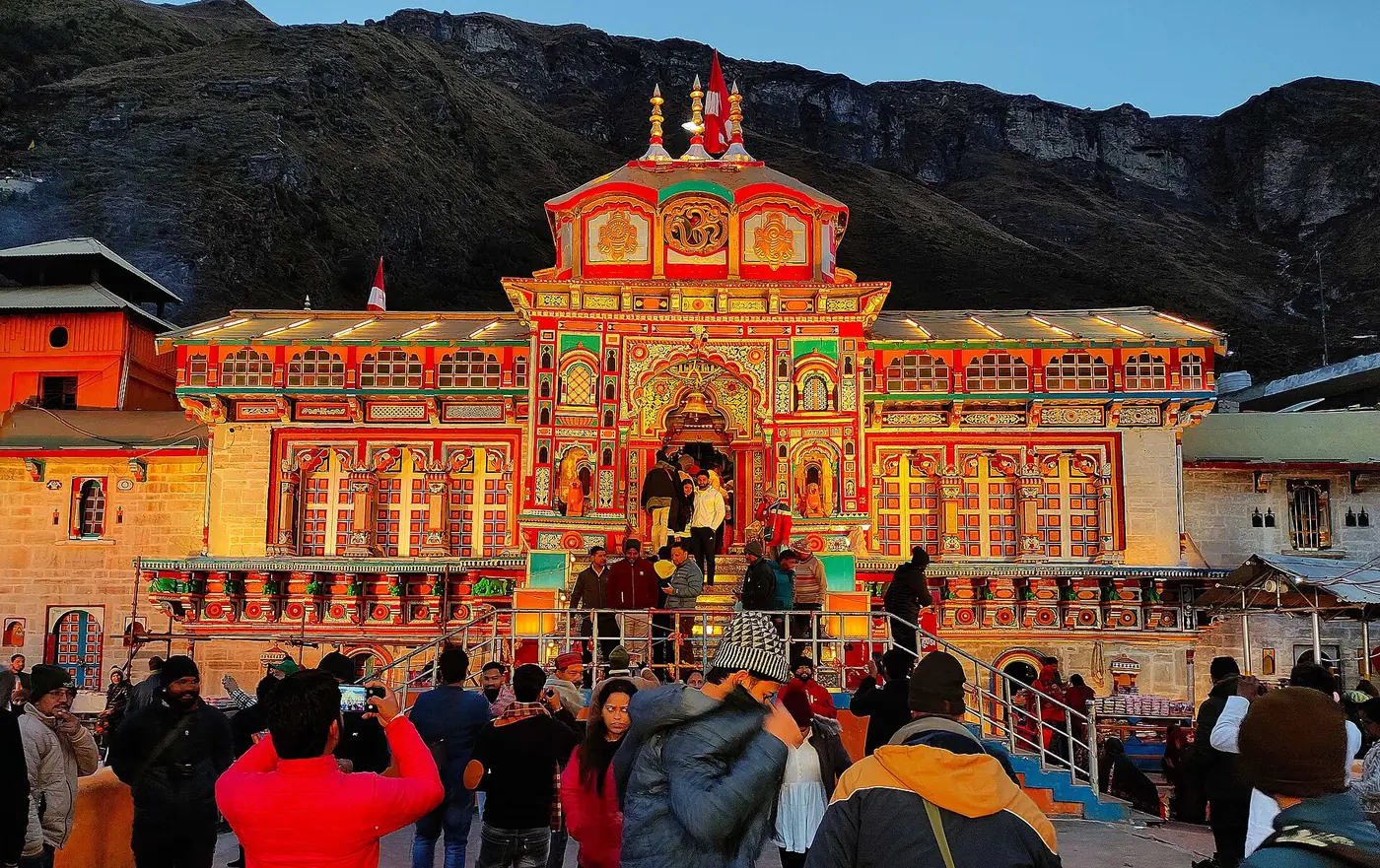
Famous Temples in Uttarakhand: A Source-Checked Guide to Kedarnath, Badrinath, Tungnath, Haridwar, Almora and More
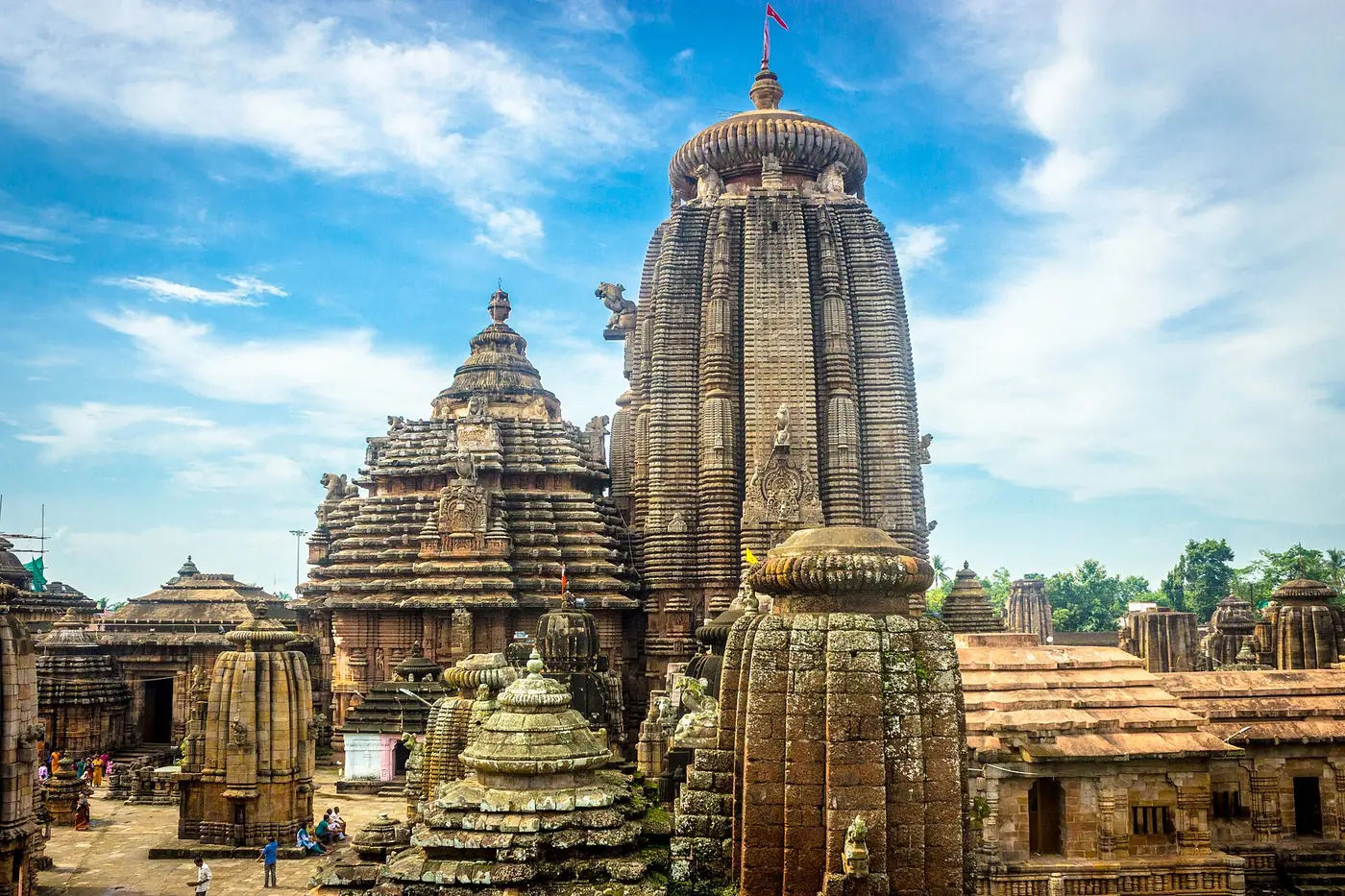
Famous Temples in Odisha: A Source-Checked Guide to Puri, Bhubaneswar, Biraja, Tara Tarini and Western Odisha
Famous Temples in West Bengal: A Source-Checked Guide to Kalighat, Dakshineswar, Tarapith, Bansberia, Bishnupur and More