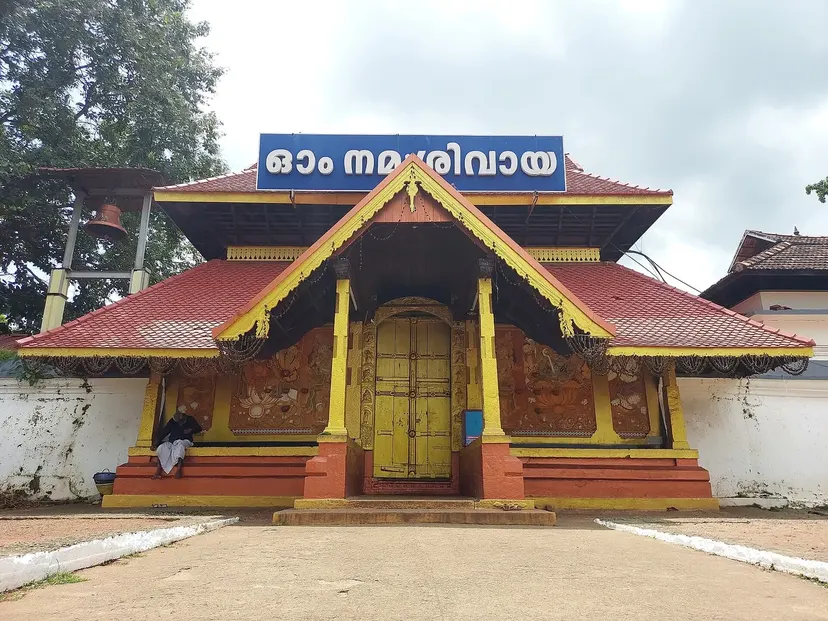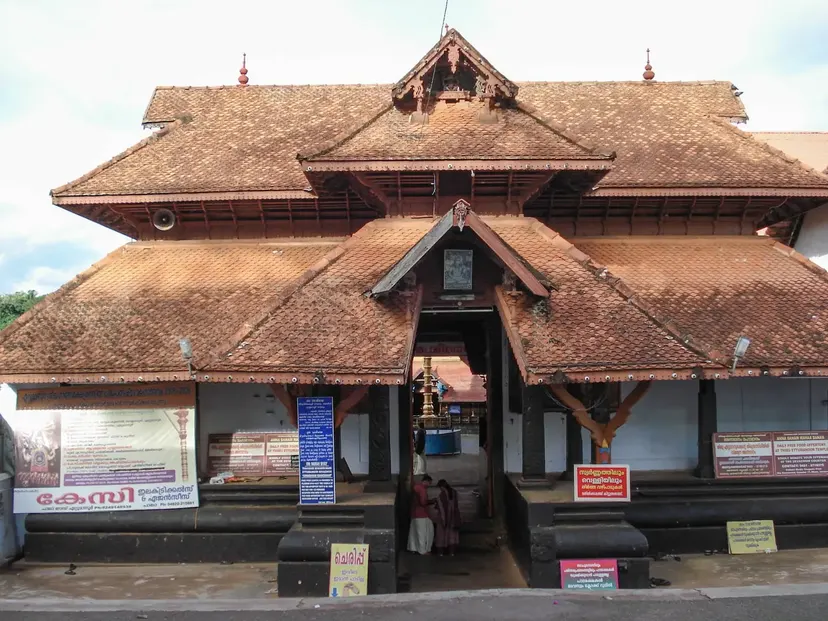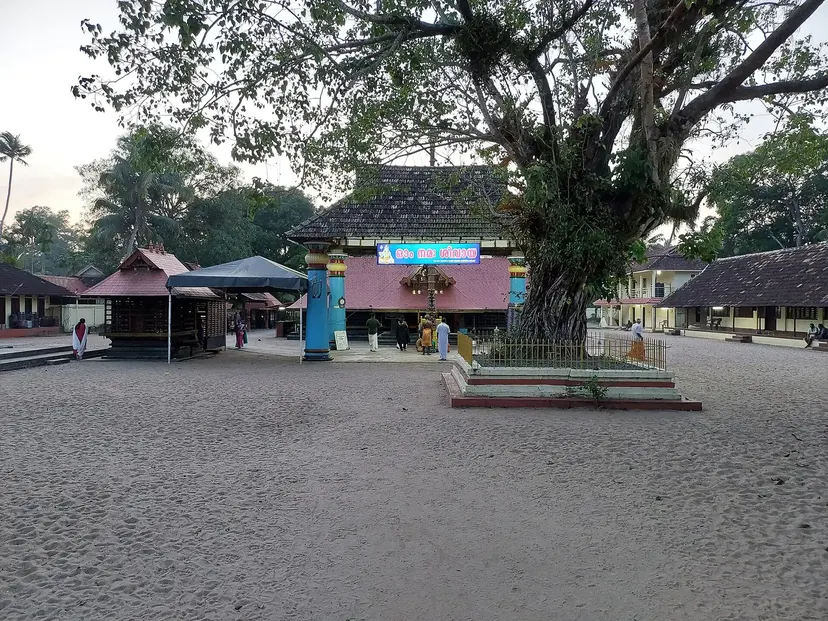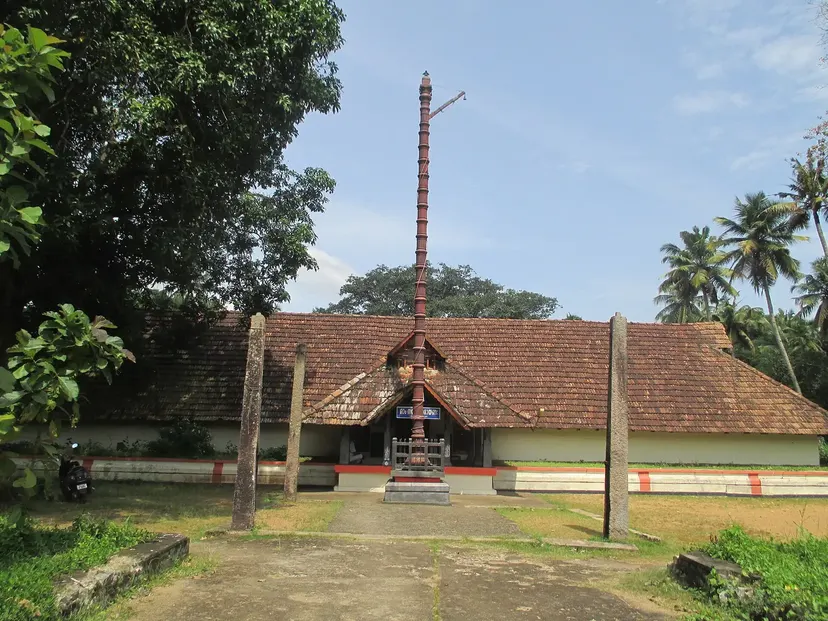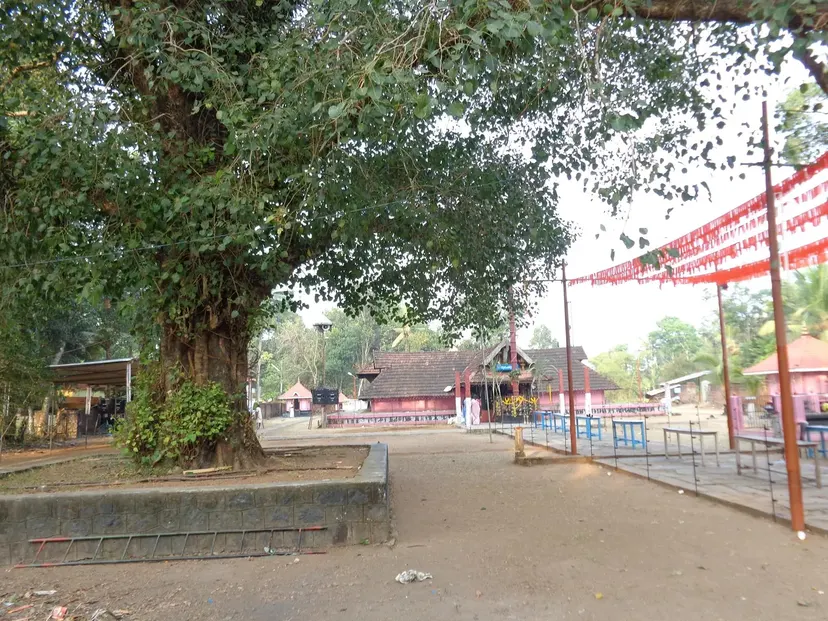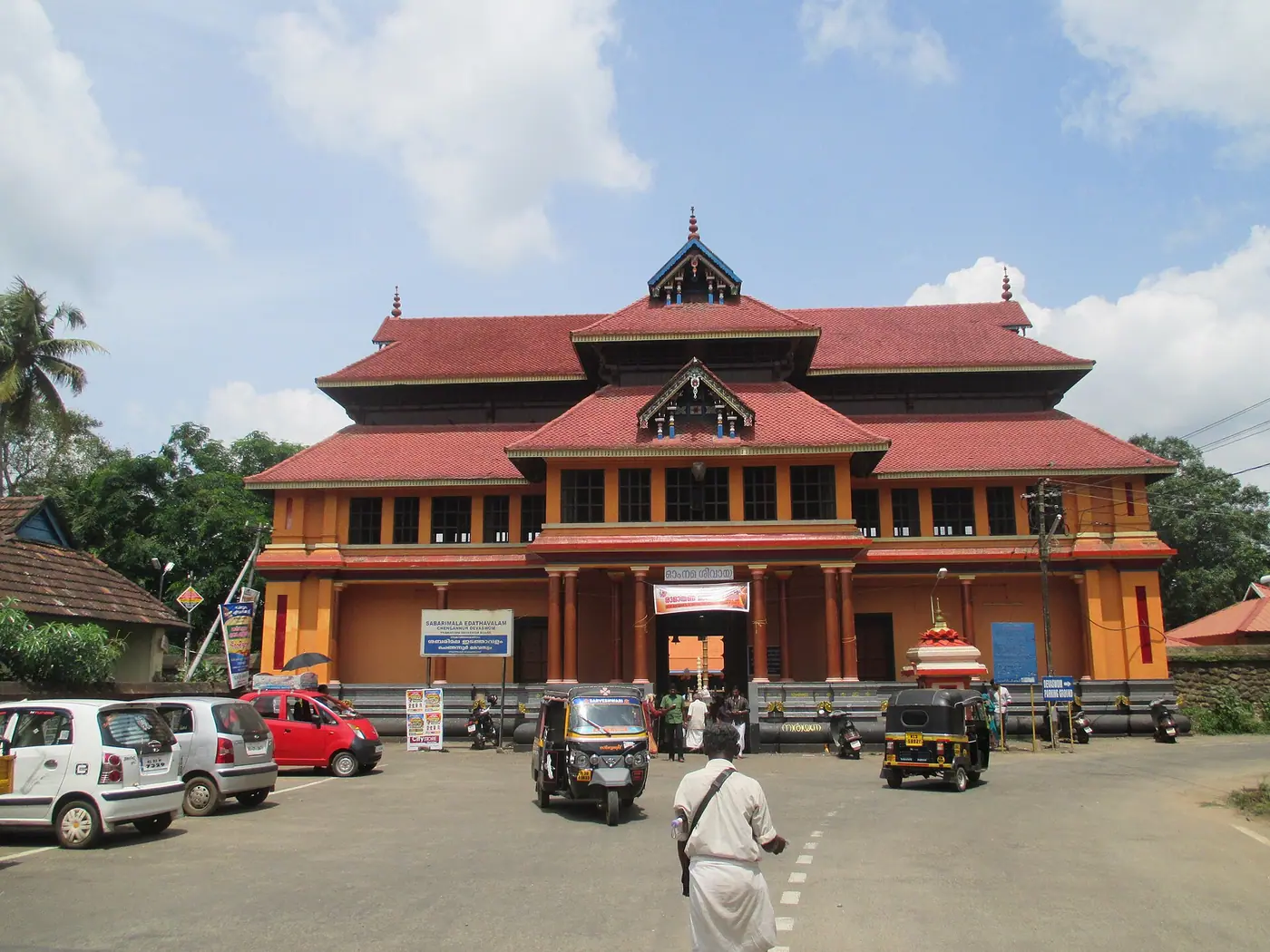
Chengannur Mahadeva Temple
Shiva and Parvati (Bhagavathi) temple · Chengannur, Alappuzha, Kerala, India
Photo: Ssriram mt · CC BY-SA 4.0 · via Wikimedia Commons
Chengannur Mahadeva Temple is a temple of Shiva and the goddess Parvati in Chengannur, Alappuzha district, Kerala (Kerala Tourism; Alappuzha District Administration). Shiva and Parvati share the sanctum, and the goddess is worshipped with as much devotion as Shiva (Kerala Tourism; Outlook Traveller). The temple stands near Chengannur railway station, about 5 km south of Thiruvalla (Kerala Tourism).
It is best known for Thriputharattu, a festival connected with the menstruation of the goddess (Kerala Tourism; The News Minute; Outlook Traveller).
Faith & Tradition
Religious Significance of Chengannur Mahadeva Temple
Thriputharattu (also written Thripootha Arattu) marks the times when signs of menstruation are seen on the goddess's garment, and Kerala Tourism describes it as a four-day observance honoured as a symbol of fertility (Kerala Tourism). The News Minute reports that the head priest examines the goddess's cloth each morning, and that when the sign is confirmed the idol is moved out of the main sanctum for the days of seclusion (The News Minute). On the fourth day the idol is taken to the Pamba river for a ritual bath, the arattu, and brought back in procession to the temple, where the idol of Shiva waits at the entrance (The News Minute). Outlook Traveller notes that devotees press forward to touch the goddess's garment during the festival (Outlook Traveller).
According to local tradition, Parvati was menstruating when she came to Chengannur with Shiva (Outlook Traveller; The News Minute). One version of the story says that, after their wedding, Shiva and Parvati visited the sage Agastya on the southern bank of the Pamba, and that the temple's ritual recalls this visit (The News Minute).
Heritage
History of Chengannur Mahadeva Temple
The design of the temple is traditionally credited to Perunthachan, the master builder of Kerala folklore (Kerala Tourism; Alappuzha District Administration; The News Minute). Accounts of its age vary: Kerala Tourism describes it as more than 1,500 years old, while The News Minute dates it to AD 300, and neither gives historical evidence for the figure (Kerala Tourism; The News Minute).
A fire in the 18th century damaged much of the temple complex, which was later rebuilt (Kerala Tourism; Alappuzha District Administration; The News Minute). The rebuilt temple kept its old character, except for the koothambalam (temple theatre), which could not be restored to Perunthachan's original design (Kerala Tourism; Alappuzha District Administration). Tradition holds that the original koothambalam was built so that a performer's shadow would not fall on the stage even with all the lamps lit (Kerala Tourism; Alappuzha District Administration).
Architecture and sacred features
The temple has a koothambalam, several mandapams (pavilions) and a mukhamandapam in front of the sanctum, all known for their fine woodwork (Kerala Tourism; Alappuzha District Administration). The Shiva shrine faces east and the goddess's shrine faces west (Kerala Tourism).
Kerala Tourism describes the main shrine as conical and plated with copper (Kerala Tourism). The idol of the goddess is made of panchaloham, an alloy of five metals, and the Shiva linga is covered with a gold plate showing Ardhanareeswara, the joint form of Shiva and Shakti (Kerala Tourism). Shrines for Ganapathi, Shasta (Ayyappa), Chandikeswara, Neelagriva, Ganga and the serpent deities stand in the complex, along with a shrine of Krishna (Kerala Tourism).
Plan Your Visit
Darshan and Visitor Information
The temple is closed to visitors for the days of the goddess's seclusion during Thriputharattu (The News Minute). Kerala Tourism directs visitors to the temple's website, chengannurtemple.com, for timings (Kerala Tourism). Confirm current arrangements and festival dates with the temple administration before visiting.
Timings and arrangements change with seasons and festivals. Confirm current details with the temple administration before travelling. Last reviewed 11 October 2026.
Sacred Calendar
Festivals at Chengannur Mahadeva Temple
Thriputharattu (Thripootha Arattu)
A four-day observance of the goddess's menstruation, honoured as a symbol of fertility (Kerala Tourism). It ends with the goddess's ritual bath in the Pamba river and her return in procession to meet Shiva at the temple entrance (The News Minute).
Location
How to Reach Chengannur Mahadeva Temple
The temple is near Chengannur railway station in Alappuzha district and about 5 km south of Thiruvalla (Kerala Tourism). Outlook Traveller places it on the MC Road (Main Central Road) (Outlook Traveller).
Location: Chengannur, Alappuzha, Kerala, India
Nearest railway station: Chengannur
More in Hindu temples in Kerala · Shiva and Parvati (Bhagavathi) temples · Temples in Chengannur Taluk · Temples in Alappuzha District
Questions
Chengannur Mahadeva Temple: Frequently Asked Questions
Where is the Chengannur Mahadeva Temple?
It is in Chengannur, Alappuzha district, Kerala, near Chengannur railway station and about 5 km south of Thiruvalla (Kerala Tourism).
Which deities are worshipped here?
Shiva and Parvati share the sanctum (Kerala Tourism; Outlook Traveller). The Shiva shrine faces east and the goddess's shrine faces west (Kerala Tourism).
What is Thriputharattu?
It is the temple's main festival, linked with the menstruation of the goddess Parvati and observed over four days when the sign appears on her garment (Kerala Tourism; The News Minute). On the fourth day the idol is taken to the Pamba river for a ritual bath (The News Minute).
Who built the temple?
Tradition credits its design to Perunthachan, the legendary master builder of Kerala (Kerala Tourism; Alappuzha District Administration; The News Minute).
How old is the temple?
Accounts differ: Kerala Tourism calls it more than 1,500 years old, while The News Minute gives AD 300 (Kerala Tourism; The News Minute). It was damaged by fire in the 18th century and rebuilt (Alappuzha District Administration; Kerala Tourism).
What is special about the koothambalam?
The original temple theatre is said to have been built so that a performer's shadow did not fall on the stage, but it could not be restored to that design after the 18th-century fire (Kerala Tourism; Alappuzha District Administration).
What is the idol of the goddess made of?
It is made of panchaloham, an alloy of five metals (Kerala Tourism).
Sources and attribution
- © OpenStreetMap contributors — location data © OpenStreetMap contributors (ODbL)
- Wikidata Q13112001 — structured data (CC0)
- Wikipedia — Chengannur Mahadeva Temple — text facts from Wikipedia, licensed CC BY-SA 4.0
- Kerala Tourism (Department of Tourism, Government of Kerala) — Chengannur Mahadeva Temple near Thiruvalla, Alappuzha
- Kerala Tourism (Department of Tourism, Government of Kerala) — Chengannur Mahadeva Temple
- Alappuzha District Administration — Places of Worship
- The News Minute — Celebrating the menstruating Goddess in a Kerala temple? Not completely
- Outlook Traveller — Pathanamthitta: Garden of the Gods
Further reading: Chengannur Mahadeva Temple on Wikipedia (CC BY-SA 4.0).
Spotted an error? Write to info@hindutone.com — see our editorial policy.