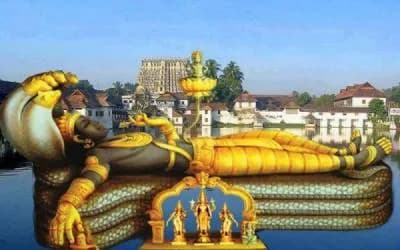
Jagannath Rath Yatra and Snana Yatra 2025: A Divine Celebration in Puri
The coastal city of Puri in Odisha is abuzz with spiritual fervor as preparations for the annual Jagannath Rath Yatra and the preceding Snana Yatra are in full…
The coastal city of Puri in Odisha is abuzz with spiritual fervor as preparations for the annual Jagannath Rath Yatra and the preceding Snana Yatra are in full…
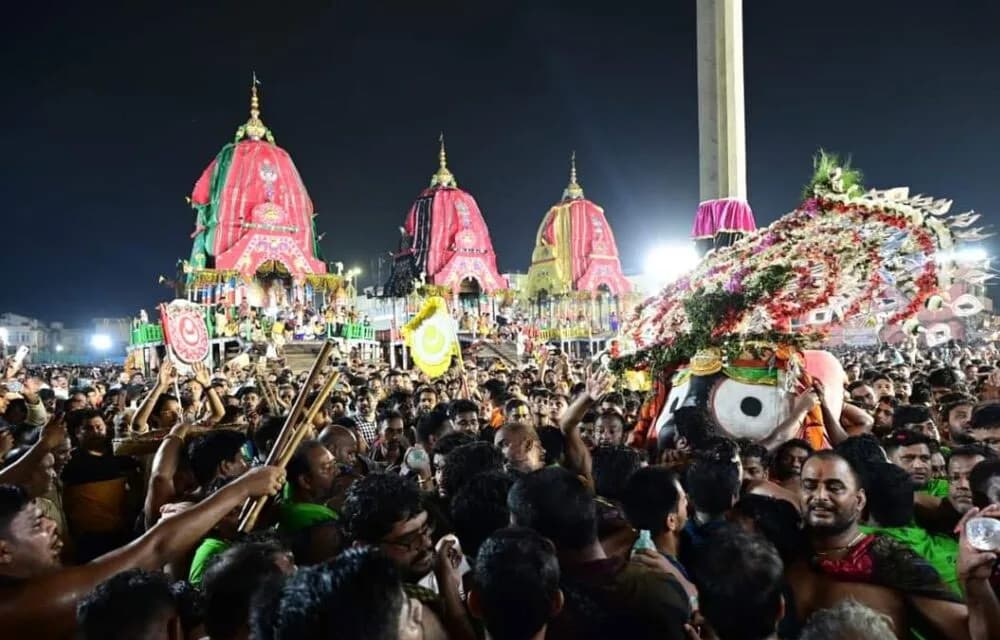
The coastal city of Puri in Odisha is abuzz with spiritual fervor as preparations for the annual Jagannath Rath Yatra and the preceding Snana Yatra are in full swing. Scheduled to commence on June 27, 2025, the Rath Yatra, also known as the Car Festival, is one of the grandest and most revered Hindu festivals, drawing millions of devotees from across the globe to the sacred abode of Lord Jagannath. The Snana Yatra, set for June 11, 2025, marks the ceremonial beginning of this divine journey, and the Shree Jagannath Temple Administration (SJTA) is meticulously overseeing every detail to ensure a seamless and spiritually enriching experience. This article, crafted for MasalaMirror.com, delves into the significance, rituals, and preparations for these sacred events, inviting devotees and readers to immerse themselves in the divine celebration of faith, unity, and devotion.
The Spiritual Significance of Rath Yatra and Snana Yatra
The Jagannath Rath Yatra is a vibrant celebration of Lord Jagannath, a form of Lord Vishnu or Krishna, along with his elder brother Lord Balabhadra and sister Goddess Subhadra. This annual festival, rooted in centuries of tradition, commemorates the deities’ journey from the Jagannath Temple to the Gundicha Temple, symbolizing Lord Jagannath’s visit to his aunt’s home or his birthplace, Mathura. The festival embodies themes of devotion, equality, and unity, as people from all walks of life—irrespective of caste, creed, or religion—come together to pull the massive chariots and seek divine blessings. It is believed that participating in the Rath Yatra, especially pulling the chariots, grants spiritual merit and liberation from the cycle of birth and death.
The Snana Yatra, also known as Deva Snana Purnima, is a sacred prelude to the Rath Yatra, observed on the full moon day of the Hindu month of Jyeshtha (June 11, 2025). During this ritual, the deities—Lord Jagannath, Lord Balabhadra, and Goddess Subhadra, along with the Sudarshana Chakra—are bathed with 108 pots of consecrated water drawn from the temple’s Golden Well (Suna Kua). This ceremonial bath signifies purification and rejuvenation, aligning with the changing seasons. A unique aspect of Snana Yatra is the Hati Besha, where the deities are adorned in elephant-like attire, honoring a devotee’s wish to see Lord Jagannath in a form resembling Lord Ganesha. This festival offers a rare opportunity for non-Hindus to glimpse the deities, as they are brought out for public darshan, fostering inclusivity.
Preparations in Puri: A Symphony of Tradition and Devotion
The Shree Jagannath Temple Administration (SJTA) is leaving no stone unturned to ensure the smooth conduct of both Snana Yatra and Rath Yatra in 2025. Recent posts on X highlight the meticulous preparations underway in Puri, with artisans and sevayats crafting the majestic chariots through age-old rituals and intricate artistry. The SJTA, under the leadership of Chief Administrator Dr. Arabinda K Padhee, recently held a Chhatisha Nijog meeting to finalize the ritual timetable and enhance safety measures. Key decisions include limiting the Pahandi procession to designated servitors to reduce congestion and deploying senior officers to supervise each deity’s procession. Additionally, the Odisha Police have planned robust security arrangements, with 70 platoons, 450 officers, and advanced surveillance systems like CCTV and drones to manage the expected influx of over one lakh devotees.
The construction of the three iconic chariots—Nandighosa (Lord Jagannath’s chariot with 16 wheels), Taladhwaja (Lord Balabhadra’s chariot with 14 wheels), and Darpadalan (Goddess Subhadra’s chariot with 12 wheels)—began on Akshaya Tritiya (April 30, 2025). These chariots, crafted anew each year from specific woods like phassi and dhausa, are adorned with vibrant colors and intricate designs, reflecting Odisha’s rich cultural heritage. The logs, sourced from the ex-princely state of Dasapalla, are floated down the Mahanadi River and transported to Puri, where skilled carpenters with hereditary rights bring them to life.
Key Rituals Leading to Rath Yatra
The journey to the Rath Yatra is marked by a series of sacred rituals, each steeped in spiritual significance:
- Snana Yatra (June 11, 2025): The deities are bathed with 108 pots of holy water, followed by their adornment in Hati Besha. This public darshan is a rare and cherished moment for devotees.
- Anavasara (June 13–26, 2025): Post-bath, the deities are believed to fall ill and are kept in seclusion for 15 days. During this period, the temple is closed to the public, and the deities receive special herbal treatments, symbolizing their human-like qualities and connection with devotees.
- Netrotsava (June 26, 2025): The deities’ eyes are repainted in the “Festival of the Eyes,” marking their recovery and readiness for the Rath Yatra.
- Gundicha Marjana (June 26, 2025): The Gundicha Temple, the deities’ destination, is thoroughly cleaned in a ceremonial ritual to prepare for their arrival.
- Rath Yatra (June 27, 2025): The grand procession begins as the deities are placed on their chariots and pulled by thousands of devotees along the Bada Danda (Grand Avenue) to the Gundicha Temple, covering approximately 3 kilometers.
- Hera Panchami (July 1, 2025): Goddess Lakshmi, Lord Jagannath’s consort, visits the Gundicha Temple, expressing symbolic displeasure at being left behind. In a playful ritual, her servitors damage a part of Lord Jagannath’s chariot.
- Sandhya Darshan (July 3, 2025): Devotees get an evening glimpse of the deities at the Gundicha Temple.
- Bahuda Yatra (July 5, 2025): The deities return to the Jagannath Temple in a grand procession, stopping briefly at the Mausi Maa Temple to honor deity Ardhashini.
- Suna Besha (July 6, 2025): The deities are adorned with gold ornaments weighing nearly 208 kg, a dazzling display of divine splendor.
- Niladri Bijay (July 8, 2025): The deities are welcomed back to the Jagannath Temple’s sanctum sanctorum, concluding the festival.
A Call to Devotees: Plan Your Pilgrimage
The Jagannath Rath Yatra and Snana Yatra are not merely festivals but profound expressions of devotion, unity, and Odisha’s cultural legacy. The Chhera Panhara ritual, where the King of Puri sweeps the chariots with a gold-handled broom, underscores the festival’s message of equality before the divine. Devotees believe that pulling the chariots or even witnessing the deities during these events brings immense spiritual blessings and a step closer to moksha (liberation).
For those planning to attend in 2025, Puri is well-connected by air (via Bhubaneswar airport), train (Puri Railway Station), and road (frequent buses from Cuttack and Bhubaneswar). Given the hot and humid weather in June and July, visitors are advised to stay hydrated and book accommodations well in advance due to the massive influx of pilgrims. The city also offers attractions like Puri Beach, Chilika Lake, Konark Temple, and Raghurajpur Artist Village for a wholesome experience.
A Divine Experience Awaits
The Jagannath Rath Yatra and Snana Yatra 2025 promise to be a soul-stirring journey, where the rhythmic chants of “Jai Jagannath,” the vibrant chariots, and the collective devotion of millions create an unparalleled spiritual atmosphere. As Lord Jagannath, Balabhadra, and Subhadra step out to bless the world, Puri transforms into an ocean of bhakti (devotion). Whether you’re a devout pilgrim or a curious traveler, this cosmic celebration offers a glimpse into India’s rich spiritual heritage. Join the divine journey in Puri, and let the blessings of Mahaprabhu Jagannath fill your heart with peace and joy.
Jai Jagannath!
Sources: Information compiled from recent posts on X and web resources on Jagannath Rath Yatra and Snana Yatra.
How to Reach — Travel Guide — Puri Jagannath Temple
✈️ By Flight
Biju Patnaik International Airport, Bhubaneswar (BBI, ~60 km) — daily flights from Delhi, Mumbai, Bengaluru, Chennai, Hyderabad, Kolkata, Singapore and Bangkok. Pre-paid taxis to Puri take ~1.5 hours on NH-316.
🚂 By Train
Puri Railway Station (PURI) is the temple's own terminus, 2 km from the Singha Dwara. Major trains: Purushottam Express (Delhi), Howrah-Puri, Mumbai Konark Express, Chennai-Puri SF.
🚌 By Bus
Puri ISBT (3 km from temple) handles long-distance buses. OSRTC runs frequent Bhubaneswar–Puri services every 15 minutes (1.5 hrs). Volvo AC services from Kolkata and Visakhapatnam.
🚗 By Road / Car
On NH-316 (Bhubaneswar–Puri Marine Drive). From Bhubaneswar (60 km, 1.5 hrs), Konark (35 km via Marine Drive), Visakhapatnam (445 km), Kolkata (510 km).
Best Places to Visit Near Puri Jagannath Temple
Combine your darshan at Puri Jagannath Temple with these well-known nearby attractions for a complete pilgrimage and travel experience:
Konark Sun Temple (35 km) — UNESCO 13th-century chariot temple via the famous Marine Drive.
Chilika Lake (50 km, Satapada side) — Asia's largest brackish water lagoon; Irrawaddy dolphins.
Puri Beach (Swargadwara) — sacred beach immediately east of the temple.
Raghurajpur Heritage Crafts Village (15 km) — Pattachitra paintings, Gotipua dance origins.
Sakshi Gopal Temple (20 km) — sacred Krishna temple en route to Bhubaneswar.
Gundicha Temple (3 km) — Lord Jagannath's Mausi-Maa's house, destination of the Rath Yatra.
All distances are approximate; please verify on Google Maps and check current road, weather and local conditions before travelling. For latest darshan timings and special pilgrim arrangements, refer to the temple's official authority website.
Frequently Asked Questions
Where is Jagannath Rath Yatra and Snana Yatra located?
The coastal city of Puri in Odisha is abuzz with spiritual fervor as preparations for the annual Jagannath Rath Yatra and the preceding Snana Yatra are in full swing. Scheduled to commence on June 27, 2025 , the Rath Yatra, also known as the Car Festival, is one of the grandest and most revered Hindu festivals, drawing millions of devotees from across the gl
Who is the presiding deity of Jagannath Rath Yatra and Snana Yatra?
The temple's presiding deity and its significance are described in the guide above.
What are the timings and how do I reach Jagannath Rath Yatra and Snana Yatra?
Temples typically open early morning and evening; confirm current darshan timings before visiting. The nearest airport, railway station and road routes are covered in the guide above.
What is the best time to visit Jagannath Rath Yatra and Snana Yatra?
Major festival days and the cooler months are popular, though weekday mornings offer a calmer darshan. Plan around the temple's key festivals for the most vibrant experience.
You might also like

Janmashtami 2026 in India: Date, Rituals & Top Temples to Visit
Prambanan: Divine Mysteries & Soul-Stirring Miracles of the Trimurti in Indonesia
Angkor Wat: Divine Mysteries & Soul-Stirring Miracles of Lord Vishnu's Cosmic Temple