
The 63 Nayanars: Tamil Saints of Shiva
The Nayanars (also Nayanmars) are the 63 Tamil saints of Shiva honoured in the Shaiva tradition of Tamil Nadu. The best known are the hymn-singers Appar, Sambandar and Sundarar, whose songs form the Tevaram, and the poet Manikkavacakar of the Tiruvacakam. Their lives were retold in the 12th century
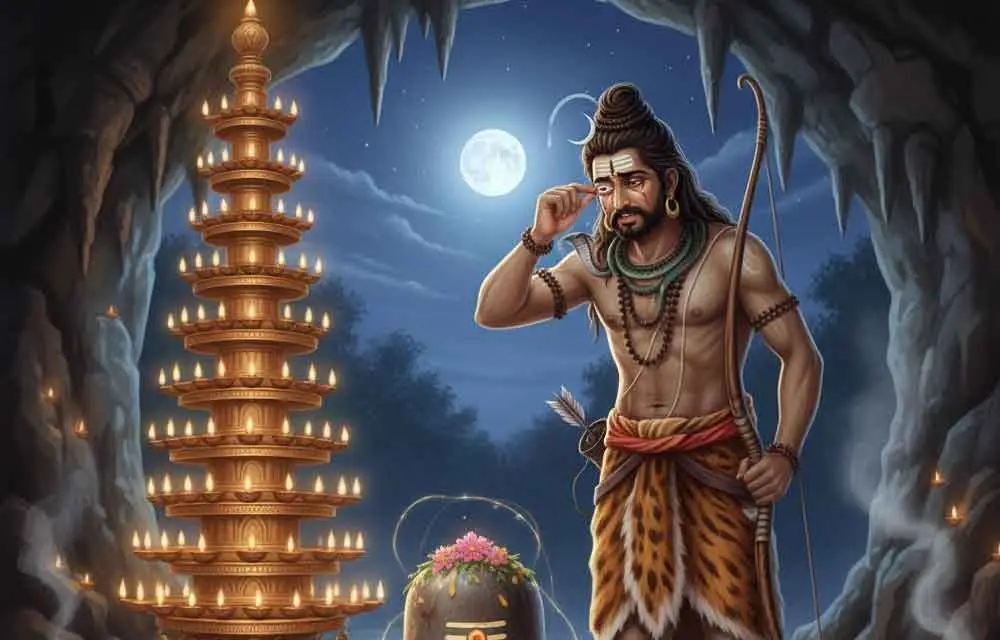
The Nayanars (also Nayanmars) are the 63 Tamil saints of Shiva honoured in the Shaiva tradition of Tamil Nadu. The best known are the hymn-singers Appar, Sambandar and Sundarar, whose songs form the Tevaram, and the poet Manikkavacakar of the Tiruvacakam. Their lives were retold in the 12th century in Sekkizhar's Periya Puranam, and images of the 63 stand in many Shiva temples of the Tamil country.
| Key facts | |
|---|---|
| Number | 63 (listed by Sundarar, with Sundarar added by later tradition) |
| Period | About 6th–9th century CE for the main hymnists (historians) |
| Language | Tamil |
| Deity | Shiva |
| Hymns | Tevaram (Appar, Sambandar, Sundarar); Tiruvacakam (Manikkavacakar) |
| Canon | The twelve Tirumurai |
| Lives told in | Periya Puranam by Sekkizhar, 12th century |
Who counts as a Nayanar
Sundarar, in his hymn Tiruttondattokai ("the list of the holy servants"), names sixty-two devotees of Shiva, honouring each in a line or two. Later tradition added Sundarar himself, making sixty-three. They include kings, a queen, Brahmin priests, merchants, a potter, a hunter, a washerman, farmers and a woman saint, Karaikkal Ammaiyar, whose poems are among the oldest Shaiva hymns in Tamil. The tradition holds that devotion, not birth, made them saints.
The Tevaram trio
- Tirunavukkarasar (Appar), 7th century. Born into a Shaiva family, he joined the Jain monastic order as a young man and returned to Shiva after a severe illness, as tradition tells. The Periya Puranam says the Pallava king Mahendravarman I persecuted him and was then won over to Shaivism. About 3,000 of his verses survive.
- Tirujnanasambandar (Sambandar), 7th century. A child prodigy of Sirkazhi. Tradition says the Goddess fed him milk of wisdom at the age of three, and he began singing at once. He is said to have won the Pandya king of Madurai from Jainism to Shaivism. He died young, at about sixteen.
- Sundaramurti (Sundarar), 8th century. A Brahmin of Tirunavalur, he called Shiva his friend and argued with him in his songs. His Tiruttondattokai is the source list of the Nayanars.
The hymns of these three, called the Tevaram, are sung in Shiva temples by oduvars, the temple's hymn singers.
Manikkavacakar and the Tiruvacakam
Manikkavacakar, "he whose words are gems", is not among the sixty-three in Sundarar's list, but Tamil Shaivas honour him with the Tevaram trio as one of the four great teachers (Samaya Kuravar). Tradition makes him a minister of the Pandya king who spent the king's money for horses on a temple at Tirupperundurai (Avudaiyarkoil). His Tiruvacakam, a set of 51 poems of longing and surrender, is among the most loved works in Tamil. Scholars place him between the 7th and 9th centuries.
The Tirumurai and the Periya Puranam
Tradition says that in the time of Rajaraja Chola I, Nambiyandar Nambi recovered the Tevaram palm leaves from a locked room in the Chidambaram temple and arranged the Shaiva hymns into collections. They grew into the twelve Tirumurai: the first seven are the Tevaram, the eighth Manikkavacakar's work, the tenth the Tirumantiram of Tirumular, and the twelfth the Periya Puranam. Sekkizhar, a minister of the Chola king Kulottunga II, wrote the Periya Puranam in the 12th century, telling the life of each of the sixty-three.
How the Nayanars are honoured
Bronze or stone images of the sixty-three line the corridors of many Shiva temples. Festivals for individual saints follow their birth stars in the Tamil calendar, and at the Kapaleeswarar temple in Mylapore the Arubathimoovar procession of the sixty-three is one of the great days of the Panguni festival.
Frequently asked questions
How many Nayanars are there?
Sixty-three: the sixty-two in Sundarar's Tiruttondattokai and Sundarar himself.
Who are the four great Shaiva saints?
Appar, Sambandar, Sundarar and Manikkavacakar, called the Samaya Kuravar.
What is the Tevaram?
The hymns of Appar, Sambandar and Sundarar, the first seven books of the Tirumurai.
Who wrote the Periya Puranam?
Sekkizhar, in the 12th century under the Chola king Kulottunga II.
Is Manikkavacakar one of the 63 Nayanars?
No. He is not in Sundarar's list, but he is honoured as one of the four great teachers of Tamil Shaivism.
Who was the woman poet among the Nayanars?
Karaikkal Ammaiyar, whose hymns are among the oldest in the Shaiva canon. Mangaiyarkkarasi, a Pandya queen, is also among the sixty-three.
Sources
- Indira Viswanathan Peterson, Poems to Siva: The Hymns of the Tamil Saints (Princeton University Press, 1989).
- Vidya Dehejia, Slaves of the Lord: The Path of the Tamil Saints (Munshiram Manoharlal, 1988).
- Sekkizhar, Periya Puranam, translated by Alastair McGlashan as The History of the Holy Servants of the Lord Siva (Trafford, 2006).
Last reviewed: 12 November 2026.
Related: Famous Hindus · The 12 Alvars · Brihadeeswarar temple · Raja Raja Chola I
Share this with family and friends
Send it on WhatsApp, post it, or copy the link.
More from Famous Hindus
- Famous Hindus Born in August: Birthdays by Date
- Famous Hindus Born in October: Birthdays by Date
- Famous Hindus Born in November: Birthdays by Date
- Famous Hindus Born in December: Birthdays by Date
- Sushruta and Charaka: The Classical Authors of Ayurveda