
Sushruta and Charaka: The Classical Authors of Ayurveda
Sushruta and Charaka are the names attached to the two great classical texts of Ayurveda, the Sushruta Samhita, known for its surgery, and the Charaka Samhita, known for its internal medicine. Tradition makes Sushruta a pupil of Divodasa Dhanvantari, king of Kashi, and Charaka the editor of an older
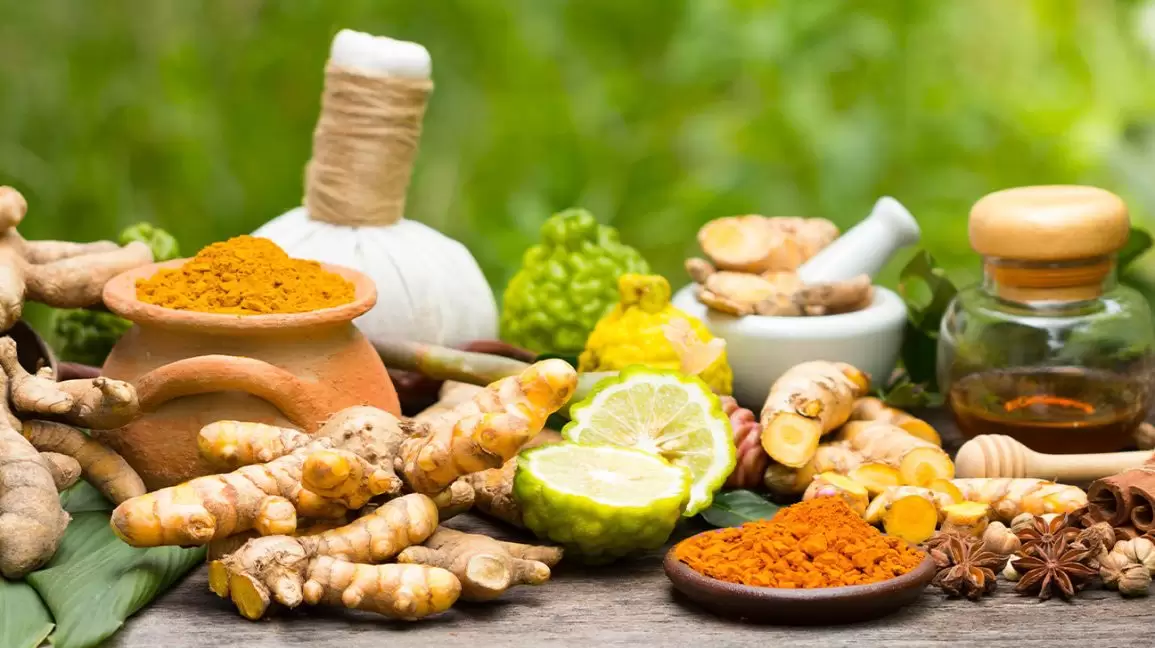
Sushruta and Charaka are the names attached to the two great classical texts of Ayurveda, the Sushruta Samhita, known for its surgery, and the Charaka Samhita, known for its internal medicine. Tradition makes Sushruta a pupil of Divodasa Dhanvantari, king of Kashi, and Charaka the editor of an older work by Agnivesha. Historians date both texts, as we have them, to roughly the last centuries BCE and the first centuries CE, compiled from older material.
This page is about history and literature. It is not medical advice.
| Key facts | Sushruta | Charaka |
|---|---|---|
| Text | Sushruta Samhita | Charaka Samhita |
| Teacher, by tradition | Divodasa Dhanvantari of Kashi (Varanasi) | The text descends from Atreya Punarvasu through his pupil Agnivesha; Charaka edited Agnivesha's work |
| Main field | Surgery (shalya) and the whole of medicine | Internal medicine (kayachikitsa) and the whole of medicine |
| Structure | Five sections (sthanas) and a supplement (Uttaratantra) | Eight sections (sthanas), 120 chapters |
| Later hands | Tradition names a redactor called Nagarjuna | Completed by Dridhabala of Kashmir |
| Dating (historians) | Core probably before the middle of the first millennium CE; layers of different ages | About the 1st century BCE to 2nd century CE for Charaka's redaction; Dridhabala several centuries later |
Who was Sushruta?
The Sushruta Samhita presents itself as the teaching of Divodasa, king of Kashi, who is identified with Dhanvantari, the god of medicine, given to a group of pupils led by Sushruta. Nothing outside the text tells us about Sushruta's life. Later lists make him a son of the sage Vishvamitra; scholars treat such links as tradition.
The Sushruta Samhita
The work is arranged in the Sutra (principles), Nidana (causes of disease), Sharira (the body), Chikitsa (treatment), Kalpa (toxicology) and Uttara (supplementary) sections. It is best known for its account of surgery.
- Instruments. It describes over a hundred blunt instruments (yantras) and twenty sharp ones (shastras), and how to make and care for them.
- Training. Students practised incisions and stitching on vegetables, leather bags filled with fluid, and similar models before treating patients.
- Procedures. It describes repairing a cut nose and ear lobes with skin flaps, removing bladder stones, couching for cataract, and the care of wounds and fractures.
- Anatomy. It describes the study of the body from a corpse prepared by soaking, unusual among ancient texts.
In 1794 a London magazine published a report from Pune of a nose repair done with a forehead flap by local practitioners. That report helped interest European surgeons in what they called the "Indian method", and historians of surgery trace the method back to the tradition the Sushruta Samhita records.
Who was Charaka?
The Charaka Samhita says it was taught by the sage Atreya Punarvasu to six pupils; Agnivesha's treatise was the best, and Charaka later revised and enlarged it. Dridhabala, a physician from Kashmir, says in the text that he completed the missing parts. A Buddhist tradition preserved in Chinese makes a Charaka physician to the Kushana king Kanishka, but historians treat this identification with caution.
The Charaka Samhita
Its eight sections are Sutra, Nidana, Vimana, Sharira, Indriya, Chikitsa, Kalpa and Siddhi. It sets out the theory of the three doshas, the place of diet and daily routine, how a physician should reason and examine, and treatments for many illnesses. It also lays down the conduct expected of a physician: in the Vimana section, the teacher's charge to a new student binds him to serve patients with care, keep their confidences and live with restraint.
Legacy
The two Samhitas, with the later Ashtanga Hridaya of Vagbhata, are called the Brihat Trayi, the "great three" of Ayurveda, and are still studied in Ayurvedic colleges. Both were translated into Arabic in the early Islamic centuries and influenced medical writing there. Today the Royal Australasian College of Surgeons in Melbourne displays a statue of Sushruta.
Frequently asked questions
Who wrote the Sushruta Samhita?
Tradition names Sushruta, a pupil of Divodasa Dhanvantari of Kashi. Historians see the text as compiled over time, with a later redactor.
Who wrote the Charaka Samhita?
Charaka revised an older treatise by Agnivesha, pupil of Atreya Punarvasu, and Dridhabala of Kashmir completed it.
When did Sushruta and Charaka live?
Their exact dates are unknown. Historians place the texts in roughly the last centuries BCE and the first centuries CE.
Why is Sushruta called the father of surgery?
Because the Sushruta Samhita contains one of the oldest detailed accounts of surgical instruments, training and procedures, including nose repair.
What is the Brihat Trayi?
The three great classical texts of Ayurveda: the Charaka Samhita, the Sushruta Samhita and the Ashtanga Hridaya.
Sources
- Dominik Wujastyk, The Roots of Ayurveda: Selections from Sanskrit Medical Writings (Penguin Classics, 2003).
- G. Jan Meulenbeld, A History of Indian Medical Literature, volume IA (Egbert Forsten, 1999).
- Kenneth G. Zysk, Asceticism and Healing in Ancient India (Oxford University Press, 1991).
Last reviewed: 12 November 2026.
Related: Famous Hindus · Aryabhata · Bhaskara II · Veda Vyasa
Share this with family and friends
Send it on WhatsApp, post it, or copy the link.
More from Famous Hindus
- Famous Hindus Born in March: Birthdays by Date
- Famous Hindus Born in April: Birthdays by Date
- Famous Hindus Born in May: Birthdays by Date
- Famous Hindus Born in July: Birthdays by Date
- Famous Hindus Born in August: Birthdays by Date