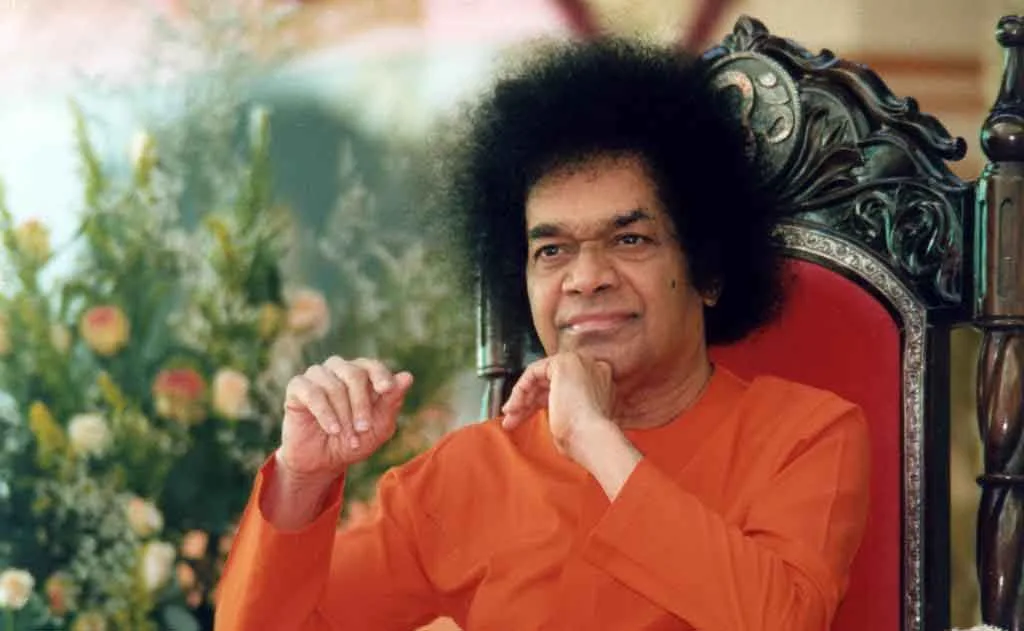
Sathya Sai Baba 100th Birthday Celebrations 2025
Prasanthi Nilayam, Puttaparthi | November 13–24, 2025 A Once-in-a-Lifetime Global Spiritual Milestone The year 2025 marks the divine centenary of Bhagawan Sri…
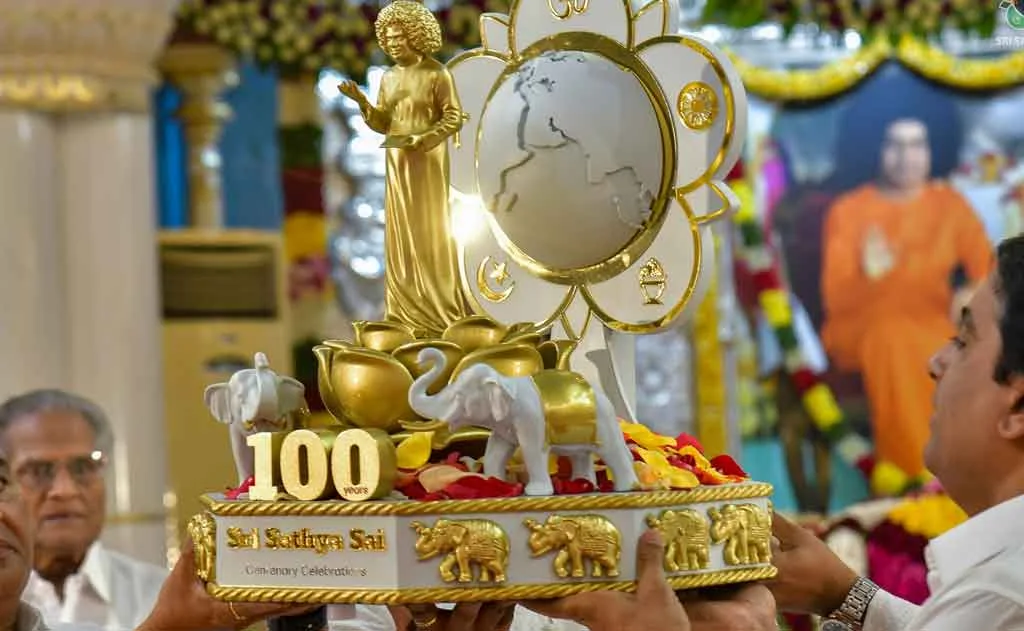
Prasanthi Nilayam, Puttaparthi | November 13–24, 2025 A Once-in-a-Lifetime Global Spiritual Milestone The year 2025 marks the divine centenary of Bhagawan Sri…
Prasanthi Nilayam, Puttaparthi | November 13–24, 2025 A Once-in-a-Lifetime Global Spiritual Milestone
The year 2025 marks the divine centenary of Bhagawan Sri Sathya Sai Baba (born November 23, 1926). Prasanthi Nilayam, the Abode of Supreme Peace, will radiate unparalleled grace as millions gather to celebrate 100 glorious years of “Love All, Serve All” and “Help Ever, Hurt Never.”
Centenary Year Overview (2025–2026)
- Official core celebrations: November 13–24, 2025 at Prasanthi Nilayam
- Devotees expected from 140+ countries
- Free accommodation & meals | Multilingual support | Seamless volunteer seva
- Daily routine: Suprabhatam → Bhajans → Discourses → Arati
Major Lead-Up Events (2025)
Grand 12-Day Schedule at Prasanthi Nilayam
November 13–24, 2025 (All times IST – subject to divine flow)
Global Echoes
- USA: World Conference of SSSIO – Nov 19–24, 2025 Venue: Sai Prema Nilayam, Riverside, California Theme: “Purity is Enlightenment”
Why You Must Be There
This is not merely an event — it is a divine rendezvous with the Avatar of the age. A rare opportunity to bathe in the ocean of Sathya Sai’s love, grace, and transformative energy exactly on His 100th year of advent.
Plan your pilgrimage now Contact your nearest Sri Sathya Sai Center for darshan passes, travel, and seva opportunities.
“There is only one religion — the religion of Love.” ~ Bhagawan Sri Sathya Sai Baba
Jai Sai Ram!
Who Was Bhagawan Sri Sathya Sai Baba — The Avatar of the Age
Bhagawan Sri Sathya Sai Baba was born Sathyanarayana Raju on November 23, 1926, in the small village of Puttaparthi in the Anantapur district of Andhra Pradesh. At the age of fourteen, on October 20, 1940, he publicly declared his divine identity, stating 'I am Sai Baba,' thereby announcing a mission rooted in the revival of Sanathana Dharma — the eternal law of righteousness — and the upliftment of all humanity through love and service.
He is widely regarded by his devotees as a purna avatar, a complete divine incarnation, in the lineage of Shirdi Sai Baba. Over eight decades of earthly sojourn until his mahāsamādhi on April 24, 2011, he established hundreds of hospitals, schools, colleges, and drinking-water projects across India, embodying the Vedic ideal of Loka Samastha Sukhino Bhavantu — may all the worlds be happy. His teachings drew deeply from the Bhagavad Gita, the Upanishads, and the universal principles of Sathya (Truth), Dharma (Righteousness), Shanti (Peace), Prema (Love), and Ahimsa (Non-violence).
The Sacred Significance of Prasanthi Nilayam as a Pilgrimage Destination
Prasanthi Nilayam, meaning 'Abode of Supreme Peace,' was established by Sathya Sai Baba in Puttaparthi in 1950. The ashram complex houses the iconic Mandir (temple) with its distinctive multi-faith architectural motifs representing Hinduism, Islam, Christianity, Zoroastrianism, and Buddhism — a living symbol of Sai Baba's constant teaching that all religions lead to the same Divine. The Sai Kulwant Hall within the ashram complex can accommodate tens of thousands of devotees for darshan and bhajan sessions.
The village of Puttaparthi itself has been transformed into a spiritual township over the decades, complete with the Sri Sathya Sai Institute of Higher Learning (a deemed university), the Sri Sathya Sai General Hospital, and the Chaitanya Jyoti Museum. Pilgrims from across the world describe the atmosphere of the ashram during major celebrations as charged with an ineffable stillness — what the Mandukya Upanishad calls turīya, the fourth state of pure awareness beyond waking, dreaming, and sleep.
The Spiritual Practice of Bhajans and Namasmarana at the Centenary Celebrations
Central to the daily rhythm at Prasanthi Nilayam is the practice of bhajans — congregational devotional singing — held each morning and evening in Sai Kulwant Hall. Sathya Sai Baba often described bhajan as an accessible and powerful form of navavidha bhakti (nine-fold devotion), specifically the path of kīrtana, the joyful singing of the divine name. During the November 2025 centenary week, multilingual bhajan sessions are planned featuring compositions in Telugu, Sanskrit, Hindi, Tamil, Kannada, and several other languages.
Namasmarana — the continuous remembrance of the Divine Name — was emphasized by Sai Baba as the simplest and most potent sadhana for the Kali Yuga, echoing the teaching of the Vishnu Purana that 'in the Kali age, the mere chanting of the Lord's name is sufficient for liberation' (Vishnu Purana 6.2.17). Devotees attending the centenary are encouraged to practise the Gayatri Mantra at sunrise, a practice Sai Baba called the most sacred of all Vedic mantras, given to all seekers regardless of background.
Global Humanitarian Legacy That the Centenary Celebrations Honour
The Sri Sathya Sai Central Trust, headquartered at Prasanthi Nilayam, has undertaken humanitarian works of remarkable scale. The Sri Sathya Sai Super Speciality Hospitals in Puttaparthi (inaugurated 1991) and Whitefield, Bengaluru (inaugurated 2001) have provided fully free cardiac and neuro-surgeries to millions of patients, with no fee charged to any patient at any time — a living embodiment of the Vedantic principle of daridra-Narayana seva, service to the poor as service to God.
The Sri Sathya Sai Drinking Water Projects have brought clean water to approximately 750 villages across Anantapur and Medak districts of Andhra Pradesh and Telangana, as well as to areas of Maharashtra and Chennai. The centenary year 2025–2026 is being marked globally by the Sri Sathya Sai International Organisation (SSSIO) with renewed service campaigns in health, education, and community welfare across more than 100 countries, carrying forward what devotees understand as Swami's living message: 'Hands that serve are holier than lips that pray.'
How Devotees Can Participate — Seva, Darshan, and Practical Guidance
Participation in the centenary celebrations takes many forms. Devotees wishing to attend at Prasanthi Nilayam are advised to register through their nearest Sri Sathya Sai Seva Organisation centre, which coordinates accommodation, seating in Sai Kulwant Hall, and seva (volunteer service) rosters. Seva at Prasanthi Nilayam — whether serving meals in the free canteen, assisting with crowd management, or supporting the medical camp — is itself considered a direct form of worship, rooted in the Bhagavad Gita's concept of karma yoga: action performed without ego and without expectation of reward.
For those who cannot travel to Puttaparthi, the Sri Sathya Sai Organisation in most countries is hosting local centenary events including bhajan marathons, community service drives, and educational programmes for children aligned with Sai Baba's Bal Vikas (children's spiritual education) curriculum. Livestreaming of the main events from Prasanthi Nilayam is expected to be available through official channels, allowing global devotees to participate in the centenary darshan from their homes. Wearing white or light-coloured clothing, observing silence in sacred spaces, and beginning each day with the Suprabhatam prayer are recommended as mindful preparations for the pilgrimage.
Frequently Asked Questions
When were the Sathya Sai Baba 100th birthday celebrations held?
The core celebrations were scheduled for November 13–24, 2025 at Prasanthi Nilayam, Puttaparthi. Sathya Sai Baba was born on November 23, 1926.
What was the daily routine at Prasanthi Nilayam during the centenary?
The day followed Suprabhatam, bhajans, discourses and Arati. Bhajans are held each morning and evening in Sai Kulwant Hall.
How could devotees take part in the celebrations?
Devotees registered through their nearest Sri Sathya Sai Seva Organisation centre, which coordinates accommodation, seating in Sai Kulwant Hall and seva rosters. Seva such as serving meals or assisting with crowds is considered worship.
Was there a celebration for devotees in the USA?
Yes. The World Conference of SSSIO was planned for November 19–24, 2025 at Sai Prema Nilayam, Riverside, California, with the theme "Purity is Enlightenment".
What could devotees abroad do if they could not travel to Puttaparthi?
Sai organisations in most countries hosted local centenary events such as bhajan marathons, community service drives and Bal Vikas programmes for children. Livestreaming of the main events was expected through official channels.
What is advised for visiting Prasanthi Nilayam?
Wearing white or light-coloured clothing, observing silence in sacred spaces and beginning each day with the Suprabhatam prayer are recommended. Accommodation and meals were free.
You might also like
Celebrating Sathya Sai Baba’s 100th Birthday: City-Wise Events Across the United States in 2025
America's Divine Homage to Bhagawan Sri Sathya Sai Baba's 100th Birth Anniversary: A Nationwide Embrace of Love, Service, and Unity
Sri Puttaparthi Sathya Sai Baba