Pancha Kosha: The Five Sheaths of the Self in Vedanta
The Taittiriya Upanishad reveals the Self as veiled by five sheaths — food, prana, mind, intellect, and bliss. Peeling them away through neti-neti inquiry, the seeker rests in the Atman, pure consciousness beyond all coverings.
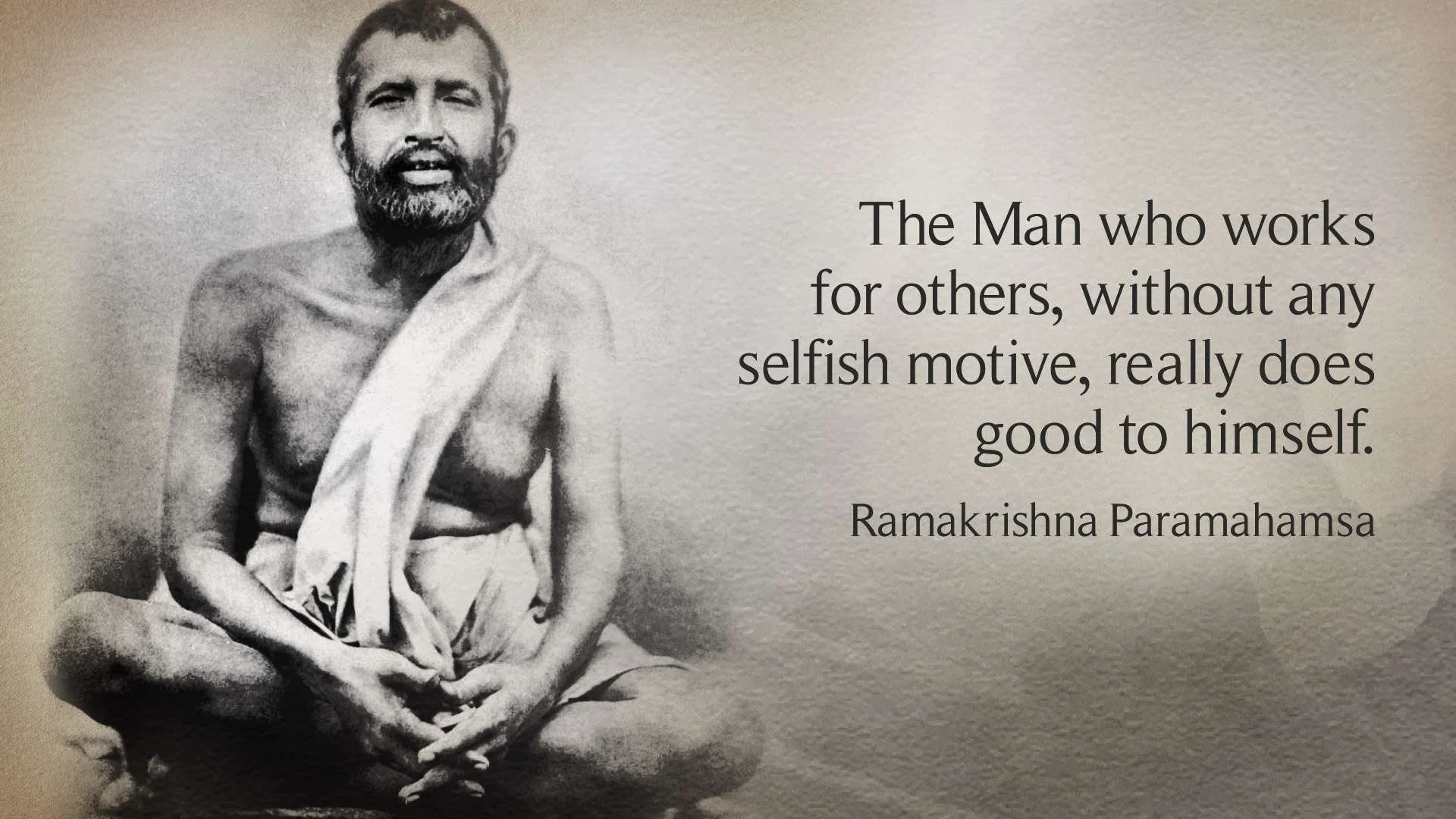
The Taittiriya Upanishad reveals the Self as veiled by five sheaths — food, prana, mind, intellect, and bliss. Peeling them away through neti-neti inquiry, the seeker rests in the Atman, pure consciousness beyond all coverings.
Quick answer: The Pancha Kosha are the five sheaths that cover the Atman (the true Self), described in the Taittiriya Upanishad's Brahmananda Valli. From gross to subtle they are the annamaya (food/body) kosha, pranamaya (vital energy) kosha, manomaya (mind) kosha, vijnanamaya (intellect) kosha, and anandamaya (bliss) kosha. Vedanta teaches that the seeker is none of these sheaths but the pure consciousness witnessing them all.
In the quiet reflection of the Taittiriya Upanishad, a seeker asks the most intimate of questions: who am I, truly? The answer unfolds not as a single revelation but as a gentle uncovering — layer by layer, sheath by sheath. This is the teaching of the Pancha Kosha, the five koshas that clothe the Atman, the innermost Self. The word kosha means a sheath, a cover, or a scabbard — the way a case holds a sword. Just as a sword is not its scabbard, the Self is not the coverings that veil it.
What Are the Pancha Kosha?
Pancha means five and kosha means sheath. Given in the Brahmananda Valli (the Anandavalli, second chapter) of the Taittiriya Upanishad, the five koshas are conceived as concentric layers, each subtler than the one before, moving from the gross physical body toward the most refined experience of bliss. Crucially, all five are still sheaths — coverings — and none of them is the Atman itself. The Self shines through them the way light passes through nested lamp-shades, taking on the colour of each shade yet remaining, in its own nature, unbounded and pure.
The Five Sheaths, from Gross to Subtle
| Kosha | Corresponds to | English |
|---|---|---|
| Annamaya kosha | The physical body built from food (anna) | Food / physical sheath |
| Pranamaya kosha | The vital energy and breath (prana) | Vital-energy sheath |
| Manomaya kosha | The mind, emotions, and sensory processing (manas) | Mind / emotional sheath |
| Vijnanamaya kosha | The discerning intellect and will (vijnana) | Intellect / wisdom sheath |
| Anandamaya kosha | The experience of deep peace and bliss (ananda) | Bliss sheath |
1. Annamaya Kosha — The Food Sheath
The outermost sheath is the annamaya kosha, the body made of and sustained by food. It is born from food, grows by food, and returns to the earth as food for other beings. This is the gross, tangible layer we most readily identify with when we say I am tall, I am tired, I am unwell. Yet the Upanishad reminds us that this body is only the first and coarsest covering.
2. Pranamaya Kosha — The Vital-Energy Sheath
Within the physical body pulses the pranamaya kosha, the sheath of prana or life-force. It governs breathing, circulation, digestion, and the vital rhythms that animate the body. A corpse has a body but no prana; it is prana that makes the difference between living and lifeless. This sheath is subtler than the food-body and pervades it, giving it vitality.
3. Manomaya Kosha — The Mind Sheath
Subtler still is the manomaya kosha, the sheath of manas — the emotional and sensory mind. This is the realm of thoughts, feelings, desires, likes and dislikes, and the flow of impressions gathered through the senses. It is the layer that feels joy and sorrow, attraction and fear. The mind directs the prana and body, yet it too is only a covering, not the Self that observes its restless activity.
4. Vijnanamaya Kosha — The Intellect Sheath
Finer than the emotional mind is the vijnanamaya kosha, the sheath of vijnana — the discerning intellect, the faculty of judgement, reason, and will. This is the buddhi that discriminates true from false, right from wrong, and lends the sense of I to our experiences. It is closest to the light of the Self and reflects that light most clearly, which is why sages emphasise cultivating discernment on the path to liberation.
5. Anandamaya Kosha — The Bliss Sheath
The innermost sheath is the anandamaya kosha, the sheath of ananda or bliss. It is experienced most fully in deep, dreamless sleep and in the peace of profound meditation, where the mind's agitation subsides and a natural contentment shines. It is the most refined of the coverings, yet the Upanishad is careful to note that even this blissful layer is a sheath — a reflection of the Self's bliss, not the Self itself.
Beyond the Sheaths: The Atman
Peel away all five koshas and what remains is the Atman — pure consciousness, the silent witness, identical in essence with Brahman, the infinite Reality. The bliss of the anandamaya kosha is a shadow of the boundless bliss (ananda) that is the very nature of Brahman. The koshas belong to the field of change and experience; the Atman is the changeless awareness in which all experience arises and dissolves. This is the great affirmation at the heart of the Upanishad's inquiry: the Self is not something we acquire but something we already are, hidden only by the sheaths we mistake for our identity.
Neti-Neti: Self-Inquiry Through the Koshas
Vedanta uses the Pancha Kosha as a ladder of self-inquiry through the method of neti-neti — not this, not this. The seeker patiently examines each sheath and recognises what he or she is not:
- I am aware of my body, so I am not merely this body of food — I am that which witnesses it.
- I am aware of my breath and vitality, so I am not merely this prana.
- I am aware of my thoughts and emotions, so I am not merely this mind.
- I am aware of my judgements and reasoning, so I am not merely this intellect.
- I am even aware of the peace and bliss I feel, so I am not merely this bliss-sheath — I am the pure awareness in which all of these appear.
By steadily disidentifying from each kosha, the seeker is led to the one that never changes and never departs: the witnessing consciousness, the Atman. Neti-neti is not a rejection of the sheaths but a loving discernment that sees through them to their source.
The Koshas, the Three Bodies, and Three States
The Pancha Kosha model maps naturally onto Vedanta's teaching of the three bodies (sharira) and the three states of consciousness (avastha), giving a coherent picture of the whole human being.
| Body (Sharira) | Koshas included | State of consciousness |
|---|---|---|
| Sthula sharira (gross body) | Annamaya | Jagrat — waking |
| Sukshma sharira (subtle body) | Pranamaya, manomaya, vijnanamaya | Svapna — dreaming |
| Karana sharira (causal body) | Anandamaya | Sushupti — deep sleep |
The gross body corresponds to the food-sheath and the waking state. The subtle body gathers the vital, mental, and intellectual sheaths and predominates in the dream state. The causal body corresponds to the bliss-sheath and is experienced in dreamless deep sleep, where all distinctions dissolve into a seed-like potential. Beyond all three bodies and all three states stands the turiya — the fourth, the pure Self that witnesses waking, dream, and deep sleep alike.
Why the Pancha Kosha Matters Today
Far from being a mere metaphysical diagram, the Pancha Kosha offers a wonderfully holistic vision of wellbeing. It reminds us that a human being is not only a body to be fed and exercised, but also a field of vital energy, an emotional mind, a discerning intellect, and an inner capacity for joy.
- Annamaya — nourishing wholesome food, rest, and physical care.
- Pranamaya — pranayama and mindful breathing to steady the life-force.
- Manomaya — cultivating emotional balance, devotion, and a calm mind.
- Vijnanamaya — study, discernment, and clarity of understanding.
- Anandamaya — meditation and inner stillness that reveal natural contentment.
Tending to each sheath brings harmony to daily life. But the deeper invitation of the koshas is not merely to feel well within the sheaths — it is to look through them entirely, to the one who is aware of them all.
A Reflective Close
The Pancha Kosha is finally a teaching of homecoming. Layer by layer, the Taittiriya Upanishad leads us inward — past the body of food, past the breath, past the storm of thoughts, past the light of the intellect, past even the quiet of bliss — until only awareness remains, luminous and free.
May we learn to wear our sheaths lightly, caring for each yet clinging to none, until we rest at last in the peace of the Atman that was never lost — the Self that shines, unchanging, behind every covering. Om Shanti, Shanti, Shanti.
Frequently Asked Questions
What are the Pancha Kosha?
The Pancha Kosha are the five sheaths that cover the Atman, described in the Taittiriya Upanishad. From gross to subtle they are the annamaya (food) kosha, pranamaya (vital energy) kosha, manomaya (mind) kosha, vijnanamaya (intellect) kosha, and anandamaya (bliss) kosha.
Which Upanishad describes the five koshas?
The Pancha Kosha are set out in the Brahmananda Valli, also called the Anandavalli — the second chapter of the Taittiriya Upanishad, which belongs to the Krishna Yajur Veda.
Is the anandamaya kosha the same as the Atman?
No. Although the anandamaya kosha is the subtlest and most blissful sheath, Vedanta is clear that it is still a covering — a reflection of the Self's bliss, not the Atman itself. The Atman lies beyond all five koshas as pure witnessing consciousness.
What does the word kosha mean?
Kosha means a sheath, cover, or scabbard. The five koshas are compared to nested layers, like sheaths over a sword or the layers of an onion, each concealing the Atman within.
How is neti-neti used with the koshas?
In neti-neti (not this, not this) the seeker examines each sheath and recognises I am not merely this body, prana, mind, intellect, or bliss-sheath — I am the awareness witnessing them. This inquiry leads the seeker beyond the coverings to the Atman.
How do the koshas relate to the three bodies?
The gross body (sthula sharira) contains the annamaya kosha; the subtle body (sukshma sharira) contains the pranamaya, manomaya, and vijnanamaya koshas; and the causal body (karana sharira) corresponds to the anandamaya kosha.
How do the koshas connect to the states of consciousness?
The food-sheath and gross body are linked to the waking state (jagrat), the subtle sheaths to the dream state (svapna), and the bliss-sheath and causal body to deep sleep (sushupti). The Atman as turiya witnesses all three states.
What is the practical value of the Pancha Kosha?
The koshas offer a holistic view of wellbeing — caring for body, breath, emotions, intellect, and inner peace — while pointing beyond them to self-realisation. They guide practices from wholesome living and pranayama to meditation and self-inquiry.