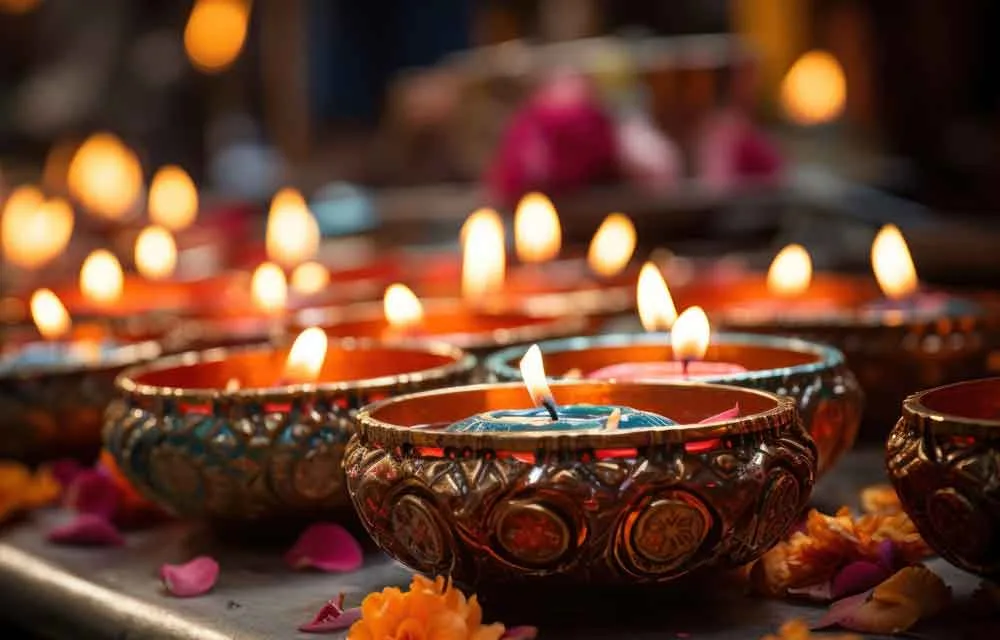
Celebrating Diwali, the Hindu Festival of Lights
Celebrating Diwali, the Hindu Festival of Lights, is a wonderful way to enjoy rich traditions, celebrate light over darkness, and spend time with family and…
Celebrating Diwali, the Hindu Festival of Lights, is a wonderful way to enjoy rich traditions, celebrate light over darkness, and spend time with family and friends. Here’s a guide to help you celebrate Diwali:
1. Clean and Decorate the Home
- Clean thoroughly: Traditionally, people clean their homes to welcome the goddess Lakshmi (goddess of wealth and prosperity).
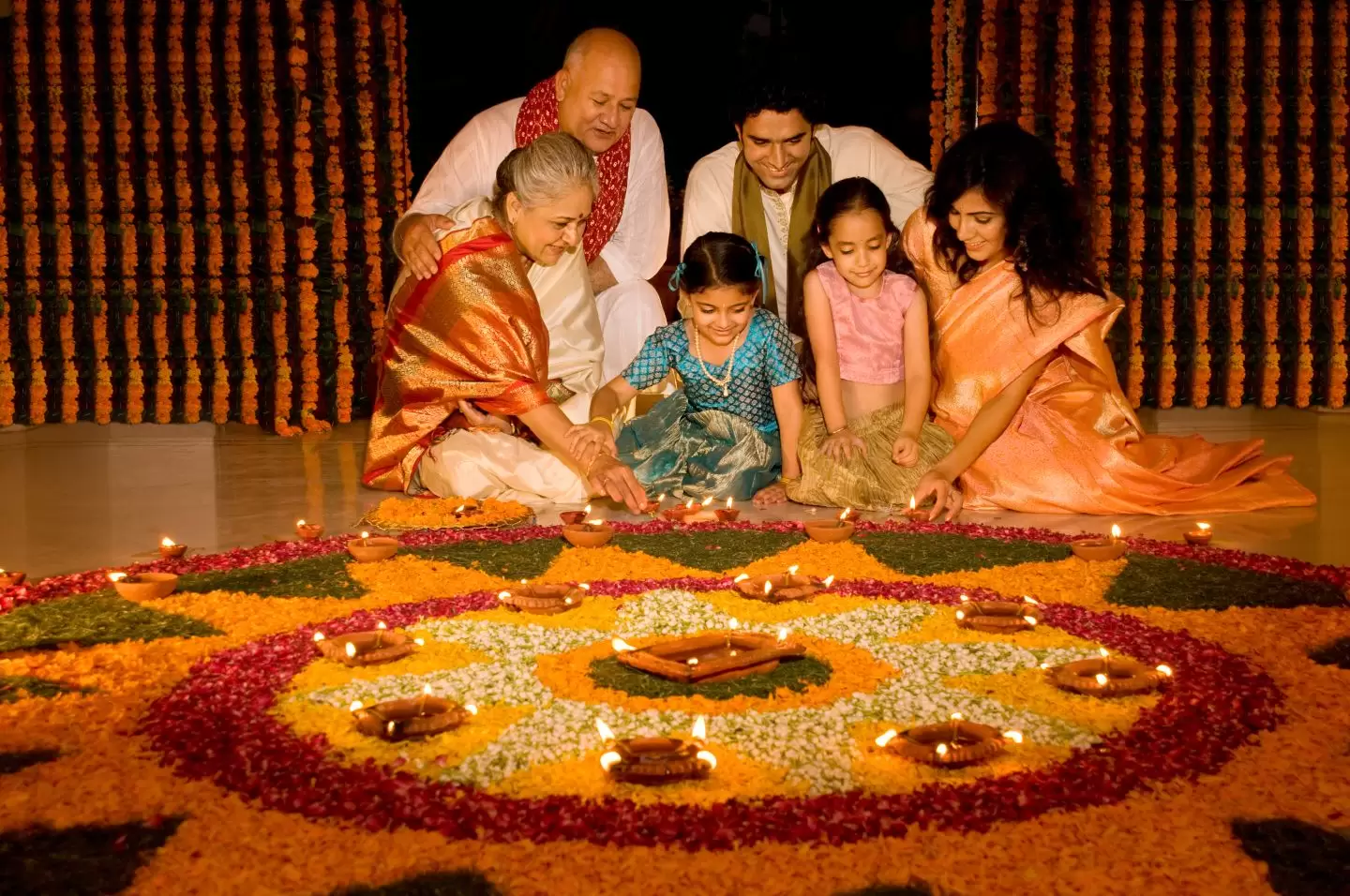
- Decorate with Rangoli: Rangoli, colorful patterns on the floor made with colored powders, rice, or flower petals, is a popular Diwali tradition.
- Add Diyas and Lights: Light up your home with oil lamps (diyas) and string lights. Diyas are symbolic of light over darkness.
2. Perform Rituals and Prayers
- Lakshmi Puja: Many families perform a Lakshmi Puja to invite prosperity and good fortune.
- Pray for Peace and Happiness: Prayers during Diwali also honor Lord Ganesha and celebrate wisdom and new beginnings.
3. Enjoy Festive Foods and Sweets
- Cook Traditional Dishes: Some favorite Diwali foods include puris, kachoris, and curries.
- Exchange and Enjoy Sweets: People make or buy sweets like laddoos, barfis, and gulab jamuns. Sweets are shared with friends and neighbors.
4. Exchange Gifts
- Diwali is a time of giving, and it’s common to exchange gifts with loved ones. Gifts range from sweets and snacks to items for the home, or traditional items like clothes or jewelry.
5. Light Firecrackers (If Safe and Legal)
- Firecrackers are a big part of Diwali celebrations but be mindful of local laws, air quality, and safety. Eco-friendly crackers and sparklers are increasingly popular as alternatives.
6. Celebrate with Family and Friends
- Gather with family and friends, share meals, tell stories, and enjoy each other's company. Diwali is a time for community and togetherness.
7. Practice Acts of Kindness and Charity
- Diwali also symbolizes sharing, kindness, and compassion. Giving to charity, providing food for those in need, or helping the community in some way is another way to celebrate Diwali’s spirit.
Wishing you a joyful and prosperous Diwali!
Why Is Diwali Celebrated? The Stories Behind the Festival
The most widely known reason for celebrating Diwali is the return of Lord Rama to Ayodhya after fourteen years of exile and his victory over the demon king Ravana, as narrated in the Valmiki Ramayana. The citizens of Ayodhya lit rows of oil lamps — deepaavali, literally 'a row of lamps' — to welcome their beloved king home, and this act of joy became the defining image of the festival.
In the Vaishnava tradition, Diwali also commemorates Lord Vishnu's rescue of the goddess Lakshmi from the demon Narakasura, an event celebrated as Naraka Chaturdashi on the second day of the five-day festival. In many parts of Maharashtra and South India, this particular day, known as Choti Diwali or Narak Chaudas, carries special ritual significance and is observed with an early morning oil bath before sunrise.
For followers of the Shakta tradition, Diwali is associated with the worship of Goddess Kali, particularly in West Bengal, where Kali Puja is performed on the new moon night with great devotion. The Jain community observes Diwali as the nirvana anniversary of Lord Mahavira, and the Sikh community celebrates it as Bandi Chhor Divas, marking Guru Hargobind Sahib's release from Gwalior Fort — a testament to how this festival has gathered many sacred meanings across traditions.
The Five Days of Diwali: What Each Day Means
Diwali is not a single day but a five-day festival spanning the end of the Hindu month of Ashwin and the beginning of Kartik. The first day, Dhantrayodashi or Dhanteras, falls on the thirteenth lunar day and is dedicated to Lord Dhanvantari, the divine physician who emerged from the churning of the cosmic ocean (Samudra Manthan) carrying the pot of amrita. Families traditionally purchase gold, silver, or new utensils on this day as a sign of welcoming prosperity.
The second day, Naraka Chaturdashi, is followed by the main Diwali night — Amavasya, the new moon — when Lakshmi Puja is performed and homes blaze with diyas to guide the goddess inside. The fourth day, Kartik Shukla Pratipada, is celebrated as Govardhan Puja or Annakut in North India, commemorating Lord Krishna's lifting of Govardhan Hill to shelter the people of Vrindavan from Indra's wrath, as told in the Bhagavata Purana. The fifth and final day, Bhai Dooj (Yama Dwitiya), celebrates the bond between brothers and sisters, with sisters praying for their brothers' long life and well-being.
Lakshmi Puja: The Sacred Heart of Diwali Night
The Lakshmi Puja performed on Diwali Amavasya follows a specific vidhi (procedure) rooted in the Grihyasutras and regional Puja paddhatis. The deity is invoked in a kalasha (sacred pot) or a murti placed on a raised platform strewn with red cloth and rice grains. Lord Ganesha is always worshipped first as Vighnaharta, the remover of obstacles, before the main puja begins — a practice emphasized throughout the Ganapati Atharvashirsha Upanishad.
During the puja, sixteen offerings known as shodashopachara are made to the goddess, including fragrant flowers such as lotus and marigold, sandalwood paste, incense, a lit lamp, and naivedya (food offering). Lotus flowers hold particular significance because Lakshmi is described in the Shri Sukta of the Rigveda as padmaalayaa — she who resides in the lotus — and padmapriyaa — she who loves the lotus.
Many business communities, particularly Marwari and Gujarati families, observe this night as their New Year and perform Chopda Puja — the consecration of new account books — asking Lakshmi and Saraswati to bless their ventures in the coming year. The tradition reflects the Arthashastra's understanding that dharmic wealth (dhana) is to be earned, honored, and shared responsibly.
Rangoli and Diyas: The Symbolism Hidden in the Art
Rangoli, derived from the Sanskrit word rangaavali meaning 'row of colors,' is far more than decoration. Its geometric patterns — often incorporating the lotus, the swastika (an ancient Vedic symbol of auspiciousness), the kalasha, and the footprints of Lakshmi — are considered a living yantra, a sacred diagram that draws divine energy into the home. In Tamil Nadu, this art is called Kolam and is drawn with rice flour daily, not just on Diwali, as an act of dana (giving) to small creatures.
The diya, a small clay lamp filled with ghee or sesame oil and lit with a cotton wick, carries profound Upanishadic meaning. The Brihadaranyaka Upanishad uses the flame as a metaphor for the Atman — the individual self — which is part of the universal Brahman, the infinite light. Lighting a diya on Diwali is therefore both a welcoming gesture for Lakshmi and a contemplative act, a reminder that the true light being celebrated is the light of consciousness within every living being.
Traditional Diwali Sweets and Foods: Regional Variations Across India
India's regional diversity means Diwali sweets and foods vary richly from state to state. In Gujarat, the festival table features chakli, mathri, and mohanthal — a dense fudge made from chickpea flour and ghee. In Bengal, the quintessential offering is sandesh, a delicate fresh-cheese sweet often shaped into lotuses or lamps for the Kali Puja night. In Tamil Nadu and Andhra Pradesh, murukku and karasev are prepared days in advance, and the aroma of frying sesame laddoos fills entire neighborhoods.
In North India, particularly in Uttar Pradesh and Rajasthan, the preparation of mawa-based sweets like kaju katli and Mathura peda begins weeks before the festival and these are offered to the deity before being distributed. The act of sharing food during Diwali reflects the Taittiriya Upanishad's teaching 'Annam Brahma' — food is sacred and divine — and the tradition of prasad distribution ensures that the festival's abundance is extended to every household, regardless of means.
Diwali and Charity: The Tradition of Dana in the Festival Season
Dana, or charitable giving, is one of the foundational values of Sanatana Dharma, and Diwali amplifies its importance. The Bhagavad Gita (Chapter 17, verses 20–22) distinguishes between sattvic dana given without expectation of return, rajasic dana given for recognition, and tamasic dana given at the wrong place and time — and Diwali is considered one of the most auspicious occasions for sattvic giving.
Historically, merchants and landlords would settle outstanding debts and distribute gifts to employees and laborers during Diwali, an acknowledgment that prosperity carries a social obligation. Many temples such as the Shri Padmanabhaswamy Temple in Thiruvananthapuram and the Shri Venkateswara Temple in Tirumala distribute large quantities of prasadam and conduct annadana (free meal service) on an exceptional scale during this period.
In contemporary practice, many families donate to organizations that support education, healthcare, or disaster relief as part of their Diwali observance. This is fully in keeping with the spirit of the festival — the light of a single diya, the Skanda Purana reminds us, does not diminish when it is used to light another lamp, just as genuine giving multiplies rather than reduces one's own well-being.
Share the Diwali 2026 blessing
Celebrating Diwali is more than lights, sweets and gifts; it is the lighting of the lamp within. As homes are cleaned and diyas glow in rows, we welcome Maa Lakshmi's grace and remember the victory of light over darkness, as commonly told. This Diwali 2026, gather with loved ones, share food, practise kindness and celebrate safely. And before the evening ends, send a heartfelt blessing to your family, so the light of the festival reaches every heart you cherish.
Deepa shloka: the lamp prayer
शुभं करोति कल्याणम् आरोग्यं धनसम्पदा। शत्रुबुद्धिविनाशाय दीपज्योतिर्नमोऽस्तु ते॥
Shubham karoti kalyanam arogyam dhana-sampada, shatru-buddhi-vinashaya deepa-jyotir namostu te.
Meaning: I bow to the light of the lamp, which brings what is auspicious and good, health and prosperity, and destroys ill-will. Many families recite it as they light the evening diya.
Lakshmi mantra for Diwali
ॐ श्रीं महालक्ष्म्यै नमः॥
Om Shreem Mahalakshmyai Namah.
Meaning: Salutations to Mahalakshmi. Shreem is the seed syllable traditionally associated with Lakshmi.
Diwali 2026 messages to share
🪔 May our family's Diwali be full of togetherness, shared meals, laughter and the gentle light of Maa Lakshmi's grace. Happy Diwali 2026! ✨ Share on WhatsApp
🙏 To our dear parents and grandparents: your love lights our home like a row of diyas. May this Diwali bring you health and peace. 🪔 Share on WhatsApp
✨ Wishing my dear friends a Diwali filled with sweets, stories and smiles. May our friendship shine brighter every year! 🌸 Share on WhatsApp
🪔 Warm Diwali wishes to you and your family. Thank you for working with us; may the festival bring you health, harmony and success. ✨ Share on WhatsApp
🌸 May Maa Lakshmi step into every clean, lamp-lit home this Diwali and bless it with peace, kindness and contentment. Jai Maa Lakshmi! 🙏 Share on WhatsApp
🪔 As Ayodhya lit countless lamps to welcome Lord Rama home, may goodness return to every heart this Diwali. Shubh Deepavali! 🙏✨ Share on WhatsApp
A short Diwali prayer
Maa Lakshmi and Lord Ganesha, I come before you with folded hands this Diwali. Lord Ganesha, bless our new beginnings and guide me toward wisdom. Maa Lakshmi, let your light fill our home with health, harmony and gratitude. Teach me to give generously, to care for those in need, and to work with sincere and honest effort. May the lamps we light tonight also brighten the hearts around us.
Use the share buttons on this page to send these blessings to your family and friends.
Frequently Asked Questions
Why is Diwali celebrated?
The most widely known reason is Lord Rama's return to Ayodhya after fourteen years of exile and his victory over Ravana, when citizens lit rows of lamps. Other traditions link it to Vishnu rescuing Lakshmi from Narakasura, Kali Puja, Mahavira's nirvana and Bandi Chhor Divas.
What are the five days of Diwali?
They are Dhanteras, Naraka Chaturdashi, the main Lakshmi Puja night on Amavasya, Govardhan Puja (Annakut), and Bhai Dooj. The festival spans the end of the month of Ashwin and the beginning of Kartik.
How is Lakshmi Puja performed on Diwali night?
Lord Ganesha is worshipped first, then Lakshmi is invoked in a kalasha or murti on a raised platform with red cloth and rice. Sixteen offerings (shodashopachara) follow, including lotus and marigold flowers, sandalwood paste, incense, a lamp and naivedya.
What is the meaning of rangoli and diyas at Diwali?
Rangoli, from rangaavali meaning 'row of colors', is considered a living yantra that draws divine energy into the home. A diya is a welcome for Lakshmi and a reminder that the true light is the light of consciousness within.
Are firecrackers part of Diwali, and how can they be used safely?
Firecrackers are a big part of the celebrations, but follow local laws and watch air quality and safety. Eco-friendly crackers and sparklers are increasingly popular alternatives.
How can Hindus mark Diwali through charity?
Giving to charity, providing food for those in need or helping the community is a way to celebrate Diwali's spirit. Diwali is considered one of the most auspicious occasions for sattvic dana, given without expectation of return.
Share this with family and friends
Send it on WhatsApp, post it, or copy the link.
More from Festivals
- Masik Shivaratri 2027 Dates: Monthly Shivaratri List, Nishita Kaal Times and Dates Abroad
- Sankashti Chaturthi 2027 Dates and Moonrise Times: Full List for India and Abroad
- Pradosh Vrat 2027 Dates: All 25 Pradosham Days, Pradosh Kaal Times and Dates Abroad
- Amavasya 2027 Dates: New Moon Days, Darsha Amavasya, Tithi Times and Dates Abroad
- Purnima 2027 Dates: Full Moon Vrat Days, Snan-Daan Days, Tithi Times and Dates Abroad
You might also like
Diwali 2026 Dates UK: Complete 5-Day Celebration Guide with Lakshmi Puja Timings, Stories, Rituals & Events at Neasden, Leicester, Wembley & Birmingham
Diwali 2026 Dates Australia: Complete 5-Day Celebration Guide with Stories, Rituals, Lakshmi Puja Timings, Recipes & Major Events in Sydney, Melbourne, Brisbane, Perth & Adelaide
Pongal 2026 in Washington DC: A Complete Guide to Celebrating the Tamil Harvest Festival in the Capital Region