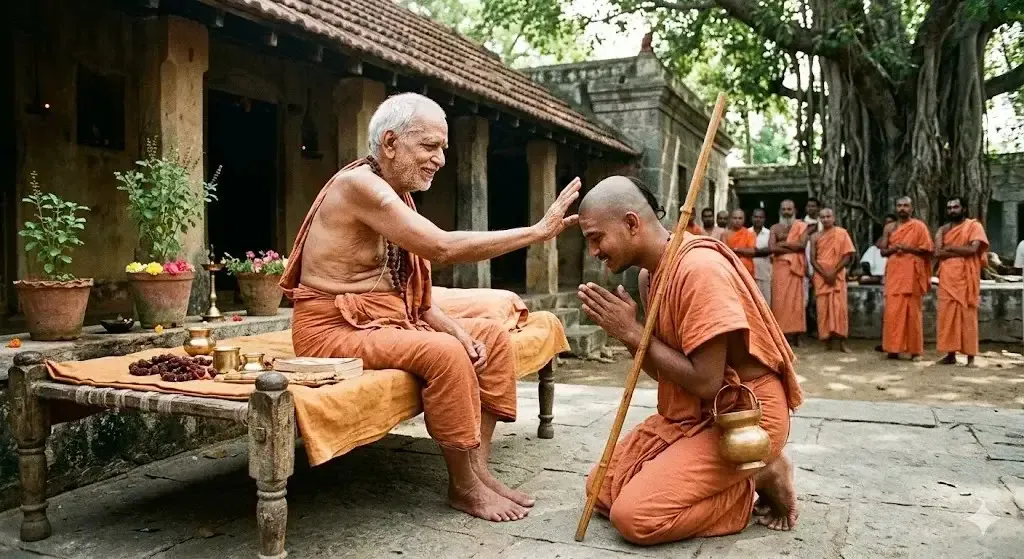
Diwali in Japan: The Blend of Hindu Traditions and Japanese Culture
When the Festival of Lights meets the Land of the Rising Sun, something magical happens.
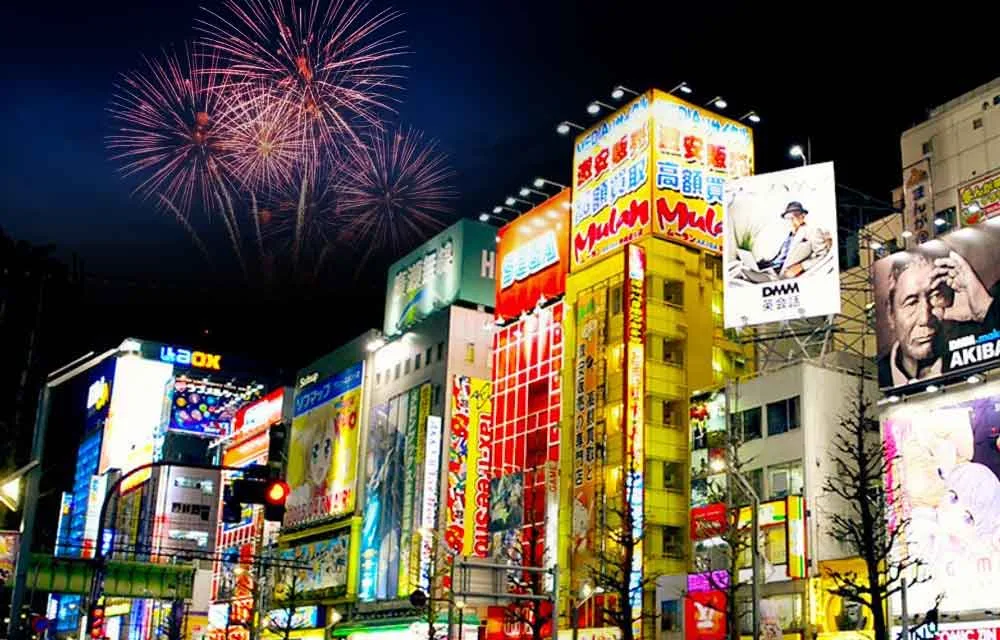
When the Festival of Lights meets the Land of the Rising Sun, something magical happens.
When the Festival of Lights meets the Land of the Rising Sun, something magical happens. Diwali in Japan represents a beautiful confluence of ancient Hindu traditions and Japanese cultural sensibilities, creating a unique celebration that honors both heritages while fostering cross-cultural understanding.
The Indian Community Japan: Keepers of the Flame
The Indian community in Japan, though relatively small compared to other expatriate populations, has grown steadily over the past few decades. Concentrated primarily in major metropolitan areas like Tokyo, Yokohama, Osaka, and Nagoya, this vibrant community includes IT professionals, engineers, business executives, students, and their families. For many of these Indians living far from home, Diwali serves as an emotional anchor—a time to reconnect with their roots and share their heritage with their adopted country.
What makes the Indian community Japan particularly special is their dedication to preserving traditions while embracing their host country's values. Japanese concepts like omotenashi (wholehearted hospitality) and wa (harmony) naturally complement the spirit of Diwali, which celebrates the victory of light over darkness and good over evil.
Cultural Diwali Events: Where East Meets East
Cultural Diwali events across Japan have evolved into sophisticated celebrations that appeal to both Indian expatriates and curious Japanese locals. These gatherings transform community centers, temples, and even public spaces into dazzling displays of light, color, and cultural exchange.
Tokyo's Grand Celebrations
Tokyo, home to the largest concentration of Indians in Japan, hosts some of the most elaborate Diwali festivities. The Indian Embassy organizes official celebrations that draw diplomats, business leaders, and cultural enthusiasts. These events typically feature traditional rangoli competitions, where intricate patterns are created using colored powders, flower petals, and rice—an art form that resonates with Japanese appreciation for precision and aesthetic beauty.
Yokohama's Community Spirit
Yokohama, with its historically diverse international community, embraces Diwali with particular warmth. Local Indian associations partner with Japanese cultural organizations to host cultural Diwali events that include classical dance performances, Bollywood music nights, and authentic Indian cuisine tastings. The city's openness to global cultures makes it an ideal setting for these cross-cultural celebrations.
Educational Celebrations
International schools across Japan incorporate Diwali into their multicultural education programs. Japanese students learn about the significance of the festival through storytelling sessions about Lord Rama's return to Ayodhya, hands-on diya (oil lamp) making workshops, and traditional sweet-making activities. These educational initiatives foster cultural awareness from a young age.
The Japanese Touch: Adapting Traditions
What distinguishes Diwali in Japan from celebrations elsewhere is how seamlessly Indian traditions adapt to Japanese sensibilities:
Minimalist Aesthetics
While Diwali in India often features extravagant displays, Japanese celebrations tend toward elegant simplicity. Decorations incorporate clean lines and understated beauty, blending traditional diyas with Japanese paper lanterns (chochin). This fusion creates an atmosphere that feels both festive and refined.
Environmental Consciousness
Given Japan's strong emphasis on environmental responsibility, Diwali celebrations here often minimize the use of firecrackers—a traditional but polluting element of the festival. Instead, communities focus on LED light displays, eco-friendly diyas made from clay, and biodegradable decorations, aligning the festival with Japanese values of sustainability.
Precision and Order
The Japanese love for meticulous planning shines through in Diwali event organization. From perfectly timed cultural programs to efficiently managed food stalls serving samosas and jalebis, these celebrations run with characteristic Japanese efficiency while maintaining the warmth and spontaneity of Indian festivities.
Temples and Spiritual Spaces
Several Hindu temples in Japan serve as spiritual centers for Diwali celebrations. The Daijingu Temple in Tokyo's Setagaya ward, though primarily Shinto, has hosted interfaith Diwali events. Meanwhile, community-created prayer halls and rented spaces transform into temporary temples where families gather for Lakshmi Puja, the worship of the goddess of wealth and prosperity.
Interestingly, some Japanese visitors draw parallels between Diwali's light worship and their own Obon festival or Toro Nagashi (floating lantern ceremony), recognizing universal themes of light, remembrance, and spiritual illumination across cultures.
Culinary Fusion
Food forms the heart of any Diwali celebration, and Japan offers unique opportunities for culinary creativity. While traditional Indian sweets like ladoo, barfi, and gulab jamun remain staples, some innovative celebrations feature fusion desserts that incorporate Japanese ingredients like matcha, red bean paste, or yuzu.
Indian restaurants across Japan—from the curry houses of Tokyo's Nishi-Kasai (affectionately called "Little India") to upscale establishments in Ginza—offer special Diwali menus. These often include traditional thalis (platter meals) alongside dishes adapted to Japanese tastes, introducing local diners to the diversity of Indian cuisine.
Shopping and Gift-Giving
The Diwali tradition of exchanging gifts and new purchases aligns beautifully with Japanese gift-giving culture (omiyage). Indian shops in Japan stock up on traditional items like ethnic wear, decorative diyas, and puja materials. Meanwhile, the exchange of gifts often incorporates Japanese elements—premium Japanese sweets might be gifted alongside Indian mithai, or decorative items might blend both aesthetics.
Workplace Celebrations
As more Japanese companies employ Indian professionals, workplace cultural awareness has increased. Progressive organizations now acknowledge Diwali, with some offices hosting small celebrations featuring Indian snacks, cultural presentations, or even decorating competitions. This recognition not only makes Indian employees feel valued but also enriches Japanese colleagues' understanding of global cultures.
Media Coverage and Public Awareness
Japanese media increasingly covers Diwali celebrations, with local news stations featuring segments on cultural Diwali events and newspapers publishing explanatory articles about the festival's significance. This growing visibility helps demystify Indian culture for ordinary Japanese citizens and promotes intercultural dialogue.
Challenges and Opportunities
Celebrating Diwali in Japan isn't without challenges. The scarcity of traditional materials, language barriers, and the relatively dispersed Indian population can make organizing large-scale events difficult. However, these challenges have fostered creativity and collaboration, with community members leveraging technology, social media, and Japanese organizational skills to create memorable celebrations.
The growing interest among Japanese people in Indian culture—driven partly by the popularity of yoga, Bollywood films, and Indian cuisine—presents opportunities for Diwali to become a recognized multicultural event, much like how Halloween has been embraced in Japan.
The Future of Diwali in Japan
As the Indian community Japan continues to grow and integrate, Diwali's presence is likely to expand. Future celebrations may see greater participation from Japanese citizens, more elaborate public events, and deeper cultural exchanges. There's potential for Diwali to join other international festivals celebrated in Japan, contributing to the country's increasingly multicultural identity.
Conclusion
Diwali in Japan exemplifies how cultural traditions can cross borders and adapt to new environments while retaining their essential spirit. The festival's celebration in Japan is not merely a transplantation of Indian customs but a genuine cultural dialogue—where Hindu traditions meet Japanese aesthetics, creating something uniquely beautiful.
For the Indian community Japan, Diwali remains a vital connection to their heritage. For Japanese participants, it's a window into a rich civilization. And for everyone involved, these cultural Diwali events represent the universal human desire to celebrate light, goodness, family, and hope.
As diyas flicker in Japanese homes and rangoli patterns adorn community centers from Sapporo to Fukuoka, Diwali in Japan stands as a testament to the power of cultural exchange—proving that light, whether from an oil lamp in Delhi or a paper lantern in Tokyo, speaks a language everyone can understand.
Whether you're part of the Indian diaspora in Japan or a Japanese local curious about this luminous festival, Diwali celebrations offer a chance to experience the warmth of Indian hospitality infused with Japanese grace—a true east-meets-east celebration that illuminates the best of both cultures.
Frequently Asked Questions
When is Diwali in Japan?
Diwali in Japan is observed on its traditional tithi in the Hindu lunar calendar; refer to the year's panchang for the exact date in your region.
What is the significance of Diwali in Japan?
When the Festival of Lights meets the Land of the Rising Sun, something magical happens. Diwali in Japan represents a beautiful confluence of ancient Hindu traditions and Japanese cultural sensibilities, creating a unique celebration that honors both heritages while fostering cross-cultural understanding.
How is Diwali in Japan celebrated?
Devotees observe it with puja, fasting or special offerings, visiting temples, chanting mantras, and gathering with family. Customs vary by region and tradition.
What should devotees do on Diwali in Japan?
Take a sacred bath, perform the day's puja and charity (dana), observe any prescribed fast, and chant mantras with sincere devotion.
You might also like
Gita Jayanti 2026 Prasad Recipes — Tulsi-Honoring Sweets, Krishna's Favourites & December 10 Bhog Plate
Shani Deva Temples Worldwide & Must-Performed Rituals — Complete Devotee's Guide
Maha Shivratri 2026 Vrat Recipes — Sabudana Khichdi, Singhada Halwa, Phalahara Foods Complete Fasting Guide