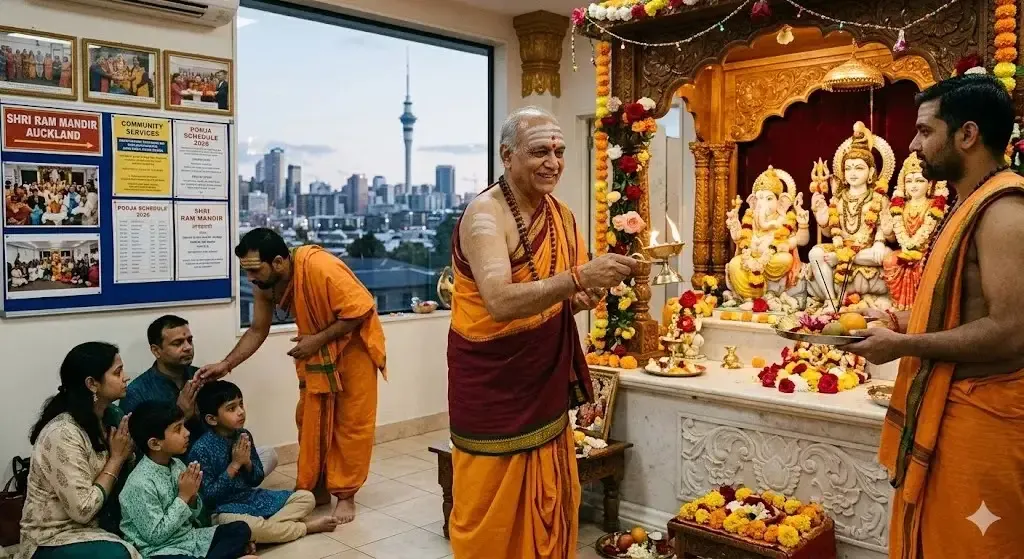
Diwali in New Zealand: Auckland and Wellington's Indian Festivities
The Festival of Lights has found a vibrant new home in the Land of the Long White Cloud.
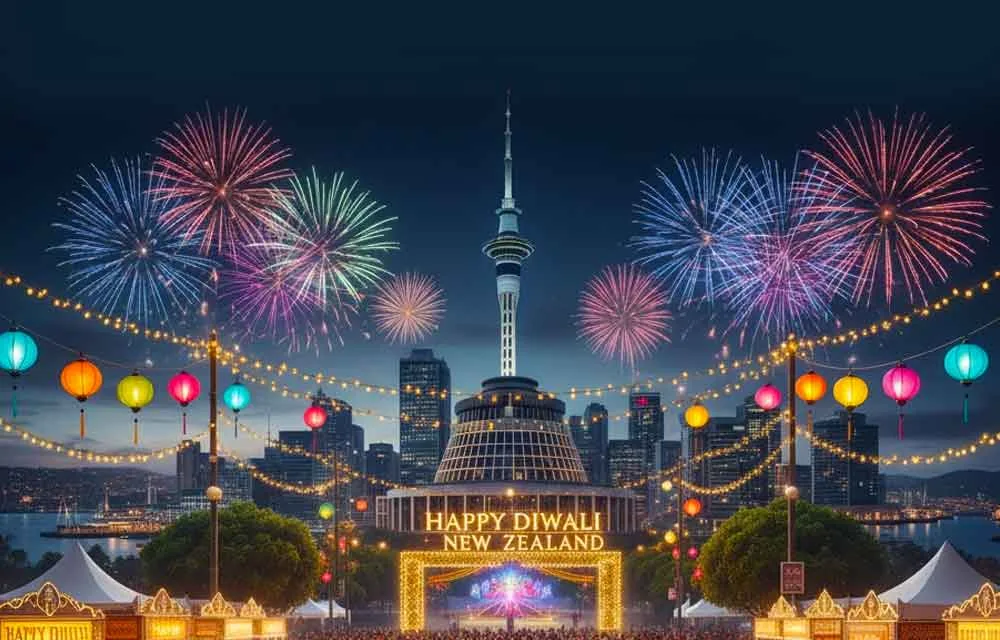
The Festival of Lights has found a vibrant new home in the Land of the Long White Cloud.
The Festival of Lights has found a vibrant new home in the Land of the Long White Cloud. As New Zealand's Indian community continues to grow, Diwali celebrations in Auckland and Wellington have evolved into spectacular multicultural events that illuminate the autumn skies and bring communities together in celebration of light, prosperity, and cultural harmony.
The Growing Indian Diaspora in New Zealand
New Zealand's Indian community has flourished over the past two decades, with Indians now representing one of the fastest-growing ethnic groups in the country. This demographic shift has transformed Diwali from a private, community-centered celebration into one of New Zealand's most anticipated public festivals, attracting thousands of Kiwis from all backgrounds.
The celebration of Diwali in New Zealand reflects the country's commitment to multiculturalism and its embrace of diverse traditions. Both Auckland and Wellington have embraced the festival, hosting elaborate events that showcase Indian culture while welcoming all New Zealanders to participate in the festivities.
Auckland Diwali: A Festival of Unprecedented Scale
Diwali Festival Auckland - The Southern Hemisphere's Largest
Auckland's Diwali celebration has earned the distinction of being the largest Diwali festival in the Southern Hemisphere. Held annually in October or early November, the Auckland Diwali Festival transforms the city into a dazzling spectacle of lights, colors, and cultural performances.
Key Highlights of Auckland Diwali:
Aotea Square Transformation: The heart of Auckland's celebration takes place at Aotea Square in the city center. The square is transformed into a miniature India, adorned with thousands of diyas (clay lamps), colorful rangoli designs, and elaborate light installations that create a magical atmosphere.
Free Entertainment: The festival features multiple stages hosting continuous entertainment throughout the day and evening. Traditional Indian classical dance forms like Bharatanatyam, Kathak, and Odissi share the stage with Bollywood dance performances, creating a dynamic showcase of India's artistic heritage.
Culinary Journey: Food stalls line the festival grounds, offering authentic Indian cuisine from various regions. From spicy chaat and crispy samosas to sweet jalebis and creamy kulfi, the festival provides a comprehensive taste tour of India. Local fusion vendors also present innovative Indo-Kiwi culinary creations.
Fireworks Spectacular: The festival culminates in a breathtaking fireworks display that lights up Auckland's skyline, symbolizing the victory of light over darkness that Diwali represents.
Community Celebrations Across Auckland
Beyond the main festival, Auckland's suburbs host numerous community-led Diwali celebrations:
Sandringham and Mount Roskill: These suburbs, with significant Indian populations, organize neighborhood Diwali melas featuring traditional rituals, community feasts, and children's activities.
Temple Celebrations: Hindu temples across Auckland, including the Sanatan Dharam Mandir and Shri Satyanarayan Temple, conduct special Lakshmi Puja ceremonies, offering devotees the opportunity to participate in traditional religious observances.
Shopping Precincts: Indian shopping areas in Papatoetoe and other suburbs deck their streets with lights and decorations, hosting special Diwali sales and cultural programs that extend the festivities throughout the week.
Wellington Diwali: Intimate yet Impressive
Capital City's Cultural Celebration
Wellington's Diwali celebration, while more intimate than Auckland's mega-event, offers its own unique charm and sophistication. The capital city's festival reflects Wellington's character as a cultural hub, emphasizing artistic performances and community engagement.
Civic Square Festivities: Wellington's main Diwali event takes place at Civic Square, where the city council partners with Indian community organizations to present a well-curated program of cultural activities.
Parliament Illumination: In a gesture symbolizing national recognition, New Zealand's Parliament Buildings (the Beehive) are often illuminated in celebration of Diwali, making a powerful statement about the festival's place in New Zealand's multicultural fabric.
Te Papa Museum Programs: The Museum of New Zealand Te Papa Tongarewa frequently hosts Diwali-themed exhibitions and cultural programs, providing educational opportunities for Wellingtonians to learn about the festival's significance and India's diverse traditions.
Wellington's Unique Diwali Experiences
Bollywood on the Waterfront: Wellington's scenic waterfront becomes a venue for outdoor Bollywood movie screenings, allowing families to enjoy classic Indian cinema under the stars.
Diwali Art Markets: Local artisans and vendors showcase Indian handicrafts, textiles, and jewelry at special Diwali markets, offering unique shopping experiences and supporting small businesses.
Fusion Food Events: Wellington's renowned restaurant scene embraces Diwali with special menus featuring Indian-inspired dishes, reflecting the city's culinary creativity.
Community Lantern Walks: Some Wellington neighborhoods organize lantern walks where families carry traditional diyas or decorated lanterns through parks, creating moving rivers of light.
The Spiritual Heart of Diwali in New Zealand
While public celebrations emphasize cultural entertainment, New Zealand's Indian community ensures that Diwali's spiritual significance remains central to the festivities.
Traditional Observances
Lakshmi Puja: Families gather in homes and temples to perform Lakshmi Puja, invoking the goddess of wealth and prosperity. These ceremonies maintain traditional rituals, with prayers, offerings, and the lighting of diyas.
Cleaning and Decoration: Following tradition, Indian households in New Zealand thoroughly clean their homes in the days leading up to Diwali and decorate with rangoli patterns, marigold flowers, and strings of lights.
New Beginnings: Many Indian businesses and professionals in New Zealand mark Diwali as the start of the new financial year, conducting special prayers for prosperity and success.
Bridging Cultures: Diwali's Kiwi Connection
One of the most remarkable aspects of Diwali celebrations in New Zealand is how the festival has been embraced by the wider Kiwi community.
Educational Integration
New Zealand schools with significant Indian student populations often incorporate Diwali into their cultural calendars. Students learn about the festival's significance through:
- Storytelling sessions featuring the Ramayana
- Art projects creating rangoli and diya decorations
- Multicultural assemblies celebrating diversity
- Special lunch programs featuring Indian sweets
Workplace Celebrations
Many New Zealand companies acknowledge Diwali by:
- Organizing office celebrations with Indian food and decorations
- Granting leave to employees who wish to celebrate
- Incorporating Diwali into diversity and inclusion initiatives
- Hosting educational sessions about the festival's significance
Political Recognition
Government officials at local and national levels regularly participate in Diwali celebrations, issuing official greetings and attending community events. This recognition validates the Indian community's contributions to New Zealand society.
Economic Impact and Tourism
Diwali celebrations have become significant events on New Zealand's cultural and tourism calendars.
Tourism Draw
Both Auckland and Wellington Diwali festivals attract international visitors, particularly from Australia and other Pacific nations, contributing to the tourism economy during the autumn shoulder season.
Business Opportunities
The festivals provide platforms for:
- Indian businesses to showcase products and services
- Artists and performers to reach new audiences
- Food vendors to introduce New Zealand palates to authentic flavors
- Cultural organizations to build membership and support
Retail Boost
Indian shops and mainstream retailers benefit from increased sales of festival-related items, including clothing, decorations, sweets, and gifts.
Sustainability and Modern Adaptations
As environmental awareness grows, New Zealand's Diwali celebrations are adapting to embrace sustainability:
Eco-Friendly Celebrations: Organizers increasingly use LED lights instead of disposable diyas, promote vegetarian food options, and implement comprehensive recycling programs.
Reduced Fireworks: Concerns about noise pollution and pet welfare have led to more controlled, professional fireworks displays rather than individual home celebrations.
Digital Innovation: Social media platforms and community apps help coordinate celebrations, share recipes, and maintain connections within the diaspora community.
Future of Diwali in New Zealand
As New Zealand's Indian population continues to grow, Diwali celebrations are expected to expand further. Smaller cities like Christchurch, Hamilton, and Dunedin are developing their own Diwali events, spreading the Festival of Lights throughout the nation.
Intergenerational Evolution
Second and third-generation Indian New Zealanders are creating unique expressions of Diwali that blend traditional values with Kiwi culture, ensuring the festival remains relevant while honoring its roots.
Expanding Cultural Exchange
Diwali in New Zealand serves as a bridge between cultures, fostering understanding and appreciation while celebrating the diversity that strengthens New Zealand society.
Planning Your Diwali Experience in New Zealand
For Visitors
If you're planning to experience Diwali in New Zealand:
Timing: Diwali typically occurs in October or early November. Check official Auckland Council and Wellington City Council websites for exact dates and programs.
Accommodation: Book early, especially in Auckland, as the festival attracts large crowds.
What to Wear: While there's no dress code, many attendees wear traditional Indian attire, adding to the festive atmosphere.
Arrive Early: Popular events can get crowded, so arriving early ensures better viewing positions and shorter food queues.
For Local Participants
New Zealanders interested in celebrating Diwali can:
Attend Public Festivals: All Diwali events in Auckland and Wellington are free and open to everyone.
Support Indian Businesses: Visit Indian restaurants, shops, and cultural centers during the Diwali season.
Learn and Engage: Take time to understand the festival's significance beyond the festivities.
Share the Spirit: Invite Indian colleagues, neighbors, or friends to share Diwali traditions with you.
Conclusion
Diwali in New Zealand represents more than just a transplanted Indian festival. It has become a celebration of New Zealand's multicultural identity, a testament to the successful integration of diverse communities, and a brilliant example of how traditions can thrive and evolve in new environments.
Whether you're part of the Indian diaspora maintaining cherished traditions far from home, or a Kiwi discovering the magic of the Festival of Lights for the first time, Diwali in Auckland and Wellington offers unforgettable experiences. As thousands of diyas flicker across New Zealand's autumn skies, they illuminate not just the darkness of the season, but the path toward a more inclusive, connected, and culturally rich nation.
The Festival of Lights has truly found a welcoming home in Aotearoa, where it shines brighter each year, bringing communities together in celebration of light, hope, and the enduring power of cultural traditions.
For the latest information on Diwali celebrations in Auckland and Wellington, visit the Auckland Council and Wellington City Council official websites, or contact local Indian community organizations.
Frequently Asked Questions
When is Diwali in New Zealand?
Diwali in New Zealand is observed on its traditional tithi in the Hindu lunar calendar; refer to the year's panchang for the exact date in your region.
What is the significance of Diwali in New Zealand?
The Festival of Lights has found a vibrant new home in the Land of the Long White Cloud. As New Zealand's Indian community continues to grow, Diwali celebrations in Auckland and Wellington have evolved into spectacular multicultural events that illuminate the autumn skies and bring communities together in celebration of light, prosperity, and cultural harmon
How is Diwali in New Zealand celebrated?
Devotees observe it with puja, fasting or special offerings, visiting temples, chanting mantras, and gathering with family. Customs vary by region and tradition.
What should devotees do on Diwali in New Zealand?
Take a sacred bath, perform the day's puja and charity (dana), observe any prescribed fast, and chant mantras with sincere devotion.
You might also like
Gita Jayanti 2026 Prasad Recipes — Tulsi-Honoring Sweets, Krishna's Favourites & December 10 Bhog Plate
Shani Deva Temples Worldwide & Must-Performed Rituals — Complete Devotee's Guide
Maha Shivratri 2026 Vrat Recipes — Sabudana Khichdi, Singhada Halwa, Phalahara Foods Complete Fasting Guide