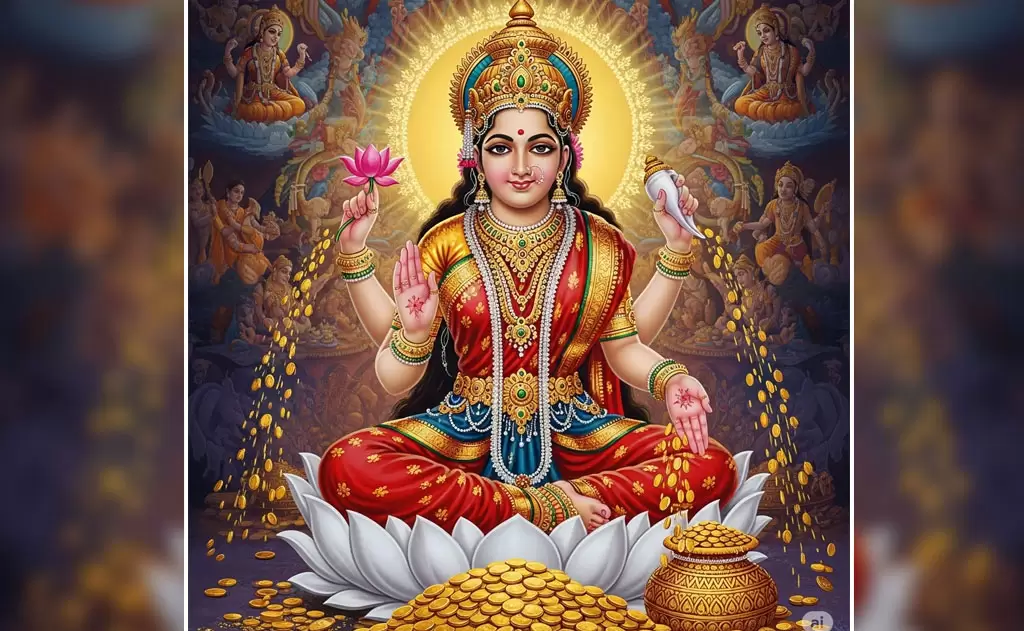
Diwali 2026: Laxmi Puja Date, Rituals & Mantras
Diwali 2026: Laxmi Puja Date, Rituals, Mantras, and Ways to Invite Prosperity Diwali, the Festival of Lights, illuminates hearts and homes across India and the…
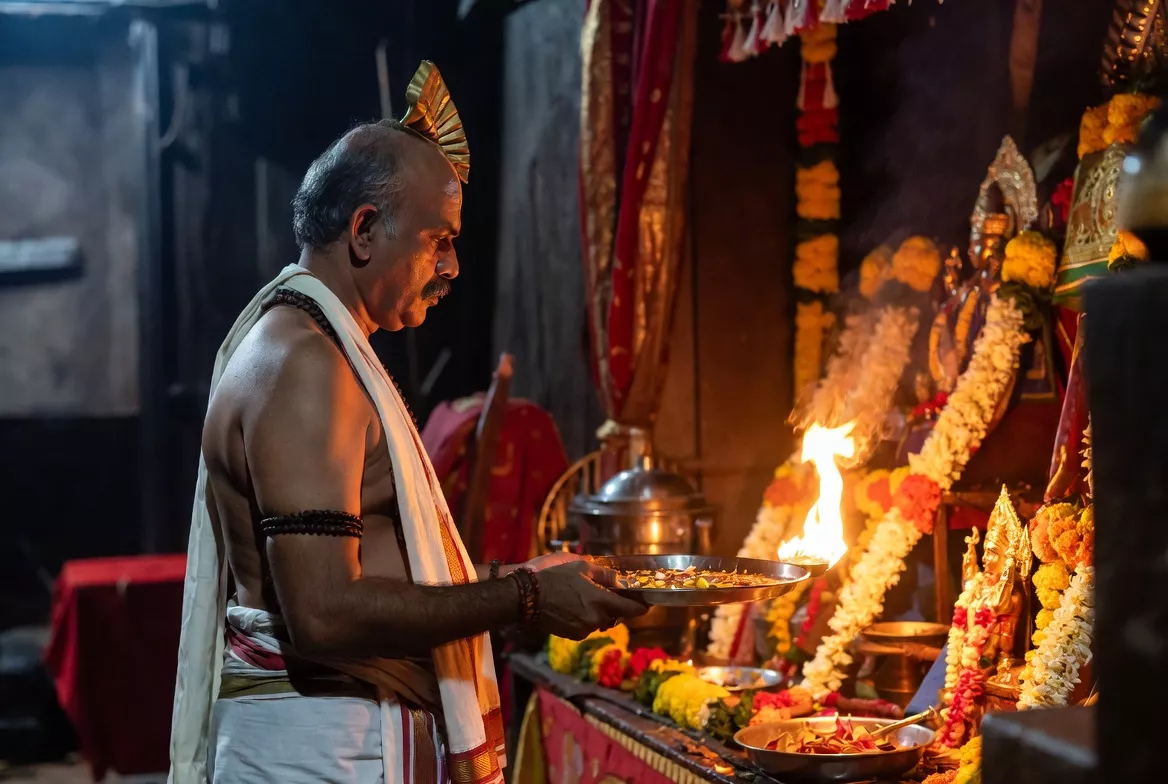
Diwali 2026: Laxmi Puja Date, Rituals, Mantras, and Ways to Invite Prosperity Diwali, the Festival of Lights, illuminates hearts and homes across India and the…
Diwali 2026: Laxmi Puja Date, Rituals, Mantras, and Ways to Invite Prosperity
Diwali, the Festival of Lights, illuminates hearts and homes across India and the world with its message of hope, prosperity, and the eternal victory of light over darkness. In 2026, this beloved festival will be celebrated around November 8, 2026, bringing families together for five days of sacred rituals, joyous celebrations, and spiritual renewal.
Diwali 2026 Date and Five-Day Celebration Schedule
Complete 5-Day Festival Timeline
Day 1: Dhanteras (November 6, 2026) Dhanteras marks the auspicious beginning of Diwali celebrations. On this day, Lord Dhanvantari, the physician of gods, emerged from the ocean of milk carrying the nectar of immortality. Devotees purchase gold, silver, utensils, or new items believing it brings prosperity for the entire year. Evening puja is performed for Goddess Laxmi and Lord Kuber, the treasurer of wealth.
Day 2: Choti Diwali (November 7, 2026) / Naraka Chaturdashi (November 8, 2026, the same day as Lakshmi Puja per Drik Panchang) Also known as Roop Chaudas, this day commemorates Lord Krishna's victory over the demon Narakasura. Families wake up early for an oil bath before sunrise, symbolizing the removal of negativity and inner darkness. Small diyas are lit in the evening as a prelude to the main Diwali celebration.
Day 3: Diwali/Laxmi Puja (November 8, 2026) The main festival day when Goddess Laxmi is worshipped with great devotion. This night marks Lord Rama's return to Ayodhya after 14 years of exile and his victory over Ravana. Homes are illuminated with countless diyas and lights, rangoli decorates doorsteps, and the Laxmi-Ganesh puja is performed during the auspicious muhurat.
Day 4: Govardhan Puja/Annakut (November 10, 2026) This day celebrates Lord Krishna's lifting of Govardhan Hill to protect villagers from Indra's wrath. Devotees prepare 56 or 108 varieties of food offerings (Chappan Bhog) to express gratitude for nature's abundance. It is also celebrated as Padwa in many regions, marking the start of the new year.
Day 5: Bhai Dooj (November 11, 2026) The festival concludes with Bhai Dooj, celebrating the sacred bond between brothers and sisters. Sisters perform tilak ceremony on their brothers' foreheads and pray for their long life and prosperity, while brothers pledge to protect their sisters and offer gifts.
Laxmi Puja 2026: Muhurat and Complete Rituals
Auspicious Timing for Laxmi Puja
The most favorable time for Laxmi Puja in 2026 will be during the Pradosh Kaal (post-sunset period) when both Amavasya tithi and Sthir Lagna prevail. While exact muhurat times vary by location, the New Delhi muhurat is 5:54 PM to 7:50 PM IST on November 8, 2026 (Drik Panchang), within Pradosh Kaal 5:31 PM to 8:09 PM. Consult your local panchang for precise timings in your region.
Essential Puja Items (Samagri)
- Idol or picture of Goddess Laxmi and Lord Ganesh
- Clean red or yellow cloth for the altar
- Kalash (copper or brass pot) filled with water, mango leaves, and coconut
- Panchamrit (mixture of milk, curd, ghee, honey, and sugar)
- Incense sticks (agarbatti), dhoop, and camphor
- Fresh flowers (lotus, marigold, rose)
- Fruits, sweets, and dry fruits for offerings
- Betel leaves and nuts (paan-supari)
- Turmeric, kumkum, sandalwood paste
- New coins, currency notes, jewelry, and account books
- Diya with pure ghee or sesame oil
- Rice grains (akshat)
Step-by-Step Laxmi-Ganesh Puja Vidhi
Preparation Phase: Begin by thoroughly cleaning your home, especially the puja room or designated worship area. Bathe and wear fresh, preferably new, clothes. Create a beautiful rangoli at the entrance to welcome Goddess Laxmi. Light all diyas and lamps in your home, leaving no corner dark.
Setting the Altar: Spread a clean cloth on a raised platform or chowki. Place the Kalash at the center with mango leaves around its mouth and a coconat on top. Position the Laxmi-Ganesh idols or pictures facing east or north. Arrange your jewelry, account books, and financial instruments near the altar for blessing.
Invoking Lord Ganesh: Always begin by worshipping Lord Ganesh, the remover of obstacles. Apply tilak on the idol, offer flowers, and chant:
ॐ गं गणपतये नमः Om Gam Ganapataye Namah
Light incense and offer modak or ladoo to Lord Ganesh.
Laxmi Puja Main Ritual: After Ganesh puja, invoke Goddess Laxmi by sprinkling water and chanting her mantras. Apply kumkum and turmeric, offer flowers with each mantra recitation, and present panchamrit, fruits, and sweets. Light the ghee lamp and perform aarti with devotion.
Kuber Puja: Worship Lord Kuber alongside Goddess Laxmi, as he is the keeper of treasures. Place coins and currency notes before him and pray for wealth preservation and wise financial management.
Concluding the Puja: Perform aarti with camphor, distribute prasad among family members, and seek blessings from elders. Keep the diyas burning throughout the night. Many families also worship their account books and business implements, seeking prosperity in their ventures.
Powerful Mantras for Prosperity and Abundance
Laxmi Beej Mantra
ॐ श्रीं ह्रीं श्रीं कमले कमलालये प्रसीद प्रसीद ॐ श्रीं ह्रीं श्रीं महालक्ष्म्यै नमः
Om Shreem Hreem Shreem Kamale Kamalalaye Praseed Praseed Om Shreem Hreem Shreem Mahalakshmyai Namah
Chant this powerful beej mantra 108 times for attracting wealth and removing financial obstacles.
Laxmi Gayatri Mantra
ॐ महालक्ष्म्यै च विद्महे विष्णु पत्न्यै च धीमहि तन्नो लक्ष्मी प्रचोदयात्
Om Mahalakshmyai Cha Vidmahe Vishnu Patnyai Cha Dheemahi Tanno Lakshmi Prachodayat
This Gayatri mantra invokes divine wisdom and Laxmi's blessings for prosperity in all life aspects.
Laxmi Stotram (Key Verses)
नमस्तेस्तु महामाये श्रीपीठे सुरपूजिते शङ्ख चक्र गदा हस्ते महालक्ष्मि नमोऽस्तु ते
Namastesthu Mahamaye Shreepithe Surapujite Shankha Chakra Gada Haste Mahalakshmi Namostute
Salutations to the great Goddess who is worshipped even by celestial beings, who holds conch, discus, and mace.
Kuber Mantra
ॐ यक्षाय कुबेराय वैश्रवणाय धन-धान्याधिपतये धन धान्य समृद्धिं मे देहि दापय स्वाहा
Om Yakshaya Kuberaya Vaishravanaya Dhan-Dhanyaadhipataye Dhan Dhanya Samriddhim Me Dehi Dapaya Swaha
Chanting this mantra 108 times invites wealth accumulation and proper management of resources.
Daily Prosperity Prayer
या देवी सर्वभूतेषु लक्ष्मीरूपेण संस्थिता नमस्तस्यै नमस्तस्यै नमस्तस्यै नमो नमः
Ya Devi Sarvabhuteshu Lakshmi Rupena Samsthita Namastasyai Namastasyai Namastasyai Namo Namah
This verse from Devi Mahatmyam acknowledges the divine feminine energy present in all beings as Laxmi.
The Deeper Significance: Victory of Light Over Darkness
Diwali transcends its celebration of material prosperity to embody profound spiritual truths. The festival commemorates multiple divine events across Hindu traditions, each carrying the same essential message: the triumph of good over evil, knowledge over ignorance, and hope over despair.
Lord Rama's Homecoming
The most widely known story celebrates Lord Rama's return to Ayodhya after 14 years of exile and his victory over the demon king Ravana. The citizens of Ayodhya lit countless lamps to welcome their beloved king, establishing the tradition of illuminating homes during Diwali. This narrative teaches that righteousness ultimately prevails, and patience and dharma are rewarded.
Krishna's Victory Over Narakasura
In South India, Diwali celebrates Lord Krishna's defeat of the demon Narakasura, who had imprisoned 16,000 daughters of gods and saints. This victory represents liberation from oppression and the restoration of dignity and freedom.
Goddess Laxmi's Emergence
According to Puranic tradition, Goddess Laxmi emerged from the cosmic ocean during Samudra Manthan (churning of the ocean) on Amavasya, bringing prosperity and abundance to the universe. Worshipping her on this day invites her blessings into our homes and hearts.
Inner Illumination
Beyond these mythological narratives, Diwali calls us to kindle the lamp of inner wisdom. Just as we light diyas to dispel outer darkness, we must illuminate our consciousness to remove ignorance, negativity, and ego. Each lamp represents the awakening of knowledge, compassion, and self-awareness.
Home Decoration Ideas: Traditional and Eco-Friendly
Rangoli Designs
Create vibrant rangoli patterns at your entrance using natural materials like colored rice, flower petals, or organic colors. Popular designs include lotus flowers, diyas, peacocks, and geometric patterns. Rangoli welcomes Goddess Laxmi and adds festive beauty to your home.
Diya and Lighting Ideas
Traditional Clay Diyas: Use earthen diyas filled with pure ghee or sesame oil. Arrange them along windowsills, balconies, doorways, and in your courtyard. The soft golden glow of ghee lamps creates an authentic and sacred atmosphere.
Eco-Friendly Alternatives:
- Beeswax candles in terracotta holders
- Coconut shell diyas filled with coconut oil
- Banana leaf or lotus leaf floating lamps in water bowls
- Solar-powered LED lights for outdoor decoration
- Reusable brass or copper lamps
Lighting Arrangements: Create stunning patterns with diyas forming shapes like OM, Swastik, or lotus. Place floating diyas in decorative urlis (traditional water vessels) with flower petals. Line your garden pathways with lamp-lit borders for a magical ambiance.
Flower Decorations
Adorn your home with fresh marigold and rose garlands. Create door torans (hanging decorations) with mango leaves and flowers. Place flower arrangements near the puja altar and in living spaces to invite positive energy and fragrance.
Natural and Sustainable Decor
- Use brass, copper, and silver traditional utensils as decorative pieces
- Display colorful cloth bandarwals and handmade paper lanterns
- Create wall hangings with dried flowers and natural fibers
- Use jute rugs and organic fabric throws
- Arrange seasonal fruits and nuts in traditional brass thalis
Traditional Sweets and Festive Foods
Classic Diwali Sweets
Kaju Katli (Cashew Fudge): This premium sweet made from cashew paste and sugar is a Diwali favorite. Its diamond shape and silver leaf coating make it an elegant offering for guests and deities alike.
Besan Ladoo: Made from roasted gram flour, ghee, and sugar, these golden spheres represent the sun's energy and are offered in most Laxmi pujas.
Gulab Jamun: Soft milk solid balls soaked in fragrant sugar syrup, often flavored with cardamom, rose water, and saffron.
Jalebi: Crispy, spiral-shaped sweets in saffron syrup that symbolize the sweetness of life's celebrations.
Mysore Pak: A rich, ghee-laden sweet from Karnataka made with gram flour, creating a melt-in-mouth texture.
Regional Specialties:
- Puran Poli (Maharashtra)
- Sandesh and Rosogolla (Bengal)
- Adhirasam (Tamil Nadu)
- Gujiya (North India)
- Chirote (Karnataka)
Savory Delights
Balance the sweetness with savory snacks like chakli, mathri, namak pare, murukku, and mixture. These crunchy treats are enjoyed throughout the festival and shared with neighbors and friends.
Spiritual Practices for Inner Cleansing
Pre-Diwali Preparations
The days leading to Diwali are ideal for physical and spiritual cleansing. Deep clean your home, discard broken items, donate unused belongings, and organize your living spaces. This outer cleaning reflects the inner decluttering of negative thoughts and past grievances.
Meditation and Self-Reflection
Set aside time during Diwali for meditation and introspection. Light a ghee lamp, sit quietly, and reflect on your year's journey. Acknowledge your growth, learn from challenges, and set intentions for the coming year. This practice aligns with the festival's theme of moving from darkness to light within your own consciousness.
Charity and Compassion
Diwali is an auspicious time for acts of generosity. Share sweets with neighbors, donate to those in need, feed animals and birds, and extend kindness to service workers and helpers. The wealth we share multiplies, and acts of compassion attract Laxmi's eternal blessings.
Reading Sacred Texts
Many families read the Ramayana, Bhagavad Gita, or Laxmi Stotram during Diwali. These spiritual texts inspire righteous living and remind us of timeless dharmic principles.
Environmental Consciousness: Green Diwali Practices
Say No to Crackers
Traditional firecrackers contribute to air and noise pollution, harming both environment and health. Choose a cracker-free Diwali by focusing on diyas, lights, and the festival's spiritual essence. If you wish to include sounds, opt for eco-friendly crackers with minimal emissions.
Sustainable Shopping
- Buy from local artisans and support traditional craftspeople
- Choose organic and chemical-free decoration materials
- Opt for handmade paper products instead of plastic
- Purchase earthen diyas supporting potter communities
- Select natural fabric clothing over synthetic materials
Waste Management
- Compost flower offerings and organic waste
- Properly dispose of broken diyas and used oil
- Recycle packaging materials thoughtfully
- Use reusable containers for gifting sweets
- Choose minimal packaging when shopping
Water Conservation
While cleaning homes thoroughly before Diwali, practice water conservation. Use water judiciously during rangoli creation and opt for dry rangoli designs when possible.
Ways to Invite Lasting Prosperity
Financial Wisdom
Diwali is the traditional time to review finances and set monetary goals. Update your account books, plan budgets, explore investment opportunities, and clear pending debts. This practical approach aligns with seeking Laxmi's blessings for sustained prosperity.
Positive Mindset
Prosperity begins in the mind. Cultivate gratitude for present blessings, practice abundance thinking, and release scarcity consciousness. When you light each diya, affirm your worthiness to receive and your commitment to share.
Creating Sacred Space
Maintain cleanliness and order in your home year-round, not just during Diwali. Keep the northeast corner especially clean as it is associated with divine energy. Place a daily lamp in your puja room to sustain the Diwali spirit throughout the year.
Daily Laxmi Prayers
Continue chanting Laxmi mantras regularly after Diwali. Even reciting "Om Shreem Mahalakshmyai Namah" 11 or 21 times daily maintains your connection with the goddess of abundance.
Living with Dharma
True prosperity encompasses wealth, health, relationships, and spiritual growth. Live ethically, speak truthfully, act compassionately, and work diligently. When aligned with dharma, prosperity flows naturally into all life areas.
Conclusion: Embracing the Eternal Light
As Diwali 2026 approaches, let us prepare not just our homes but our hearts for this sacred festival. Beyond the glittering lights and sumptuous sweets lies an invitation to transform ourselves, to choose light over darkness in every decision, and to radiate kindness and prosperity to all beings.
May Goddess Laxmi bless your home with abundance, Lord Ganesh remove all obstacles from your path, and the divine light of Diwali illuminate your life with joy, peace, and eternal prosperity.
शुभ दीपावली! Shubh Deepavali!
For more authentic Hindu prayers, mantras, and spiritual guidance, visit www.hindutone.com. Explore our collection of devotional content, festival guides, and sacred wisdom for your spiritual journey.
Share the Diwali 2026 blessing
On the night of Lakshmi Puja, every diya we light is a quiet prayer: may the inner light grow brighter and may darkness give way to goodness, as commonly told. With a clean home, a rangoli at the door and a heart full of devotion, we welcome Maa Lakshmi's grace and begin with Lord Ganesha, the remover of obstacles. Let this Diwali 2026 be a time of gratitude and togetherness. Share one of these Lakshmi Puja blessings with your family and those you love.
Deepa shloka: the lamp prayer
शुभं करोति कल्याणम् आरोग्यं धनसम्पदा। शत्रुबुद्धिविनाशाय दीपज्योतिर्नमोऽस्तु ते॥
Shubham karoti kalyanam arogyam dhana-sampada, shatru-buddhi-vinashaya deepa-jyotir namostu te.
Meaning: I bow to the light of the lamp, which brings what is auspicious and good, health and prosperity, and destroys ill-will. Many families recite it as they light the evening diya.
Lakshmi mantra for Diwali
ॐ श्रीं महालक्ष्म्यै नमः॥
Om Shreem Mahalakshmyai Namah.
Meaning: Salutations to Mahalakshmi. Shreem is the seed syllable traditionally associated with Lakshmi.
Diwali 2026 messages to share
🪔 Happy Lakshmi Puja to our family! May Maa Lakshmi and Lord Ganesha bless our home with harmony, good health and love that grows every year. ✨ Share on WhatsApp
🙏 To my dear parents and elders: your blessings are the brightest lamp in our home. Wishing you health, peace and a joyful Diwali 2026. 🌸 Share on WhatsApp
🌸 Dear friend, may the diyas of Lakshmi Puja light up your home and the grace of Maa Lakshmi bring you peace, contentment and happiness. Happy Diwali! 🪔 Share on WhatsApp
✨ Warm Diwali and Lakshmi Puja wishes to you and your team. May your new account books open with honest effort, wisdom and lasting trust. 🙏 Share on WhatsApp
🪔 Jai Maa Lakshmi! May the Mother of grace enter every home that waits for her with a lit lamp and a pure heart, and bless it with harmony. 🌸 Share on WhatsApp
🙏 May Lord Ganesha remove every obstacle, and as Ayodhya rejoiced at Lord Rama's homecoming, may your home glow with joy this Diwali. 🪔✨ Share on WhatsApp
A short Diwali prayer
Maa Lakshmi and Lord Ganesha, on this sacred night I bow before you with a grateful heart. Lord Ganesha, clear the obstacles within me. Maa Lakshmi, let your gentle light fill our home. Grant my family health and harmony, keep my mind pure and my work honest, and help me use whatever I have with wisdom and generosity. Thank you for every blessing already given.
Use the share buttons on this page to send these blessings to your family and friends.
Frequently Asked Questions
What is the Diwali?
Diwali 2026: Laxmi Puja Date, Rituals, Mantras , and Ways to Invite Prosperity Diwali, the Festival of Lights, illuminates hearts and homes across India and the world with its message of hope, prosperity, and the eternal victory of light over darkness. In 2026, this beloved festival will be celebrated around November 8, 2026 , bringing families together for
How many times should the Diwali be chanted?
It is traditionally chanted 108 times using a rudraksha or tulsi mala. Even 11 or 21 sincere repetitions daily are considered beneficial — steady, focused practice matters more than the count.
What is the best time to chant the Diwali?
Dawn (Brahma Muhurta) after a bath is considered ideal, though it may be chanted any time with a calm, focused mind. Many devotees keep a fixed daily time to build consistency.
Who can chant the Diwali?
Anyone may chant it with faith and a pure mind, regardless of age, gender or background. Beginners benefit from first hearing the correct pronunciation and understanding its meaning.
What are the benefits of chanting the Diwali?
It is believed to calm the mind, dissolve negativity, and draw divine grace, protection and clarity to the devotee.
You might also like
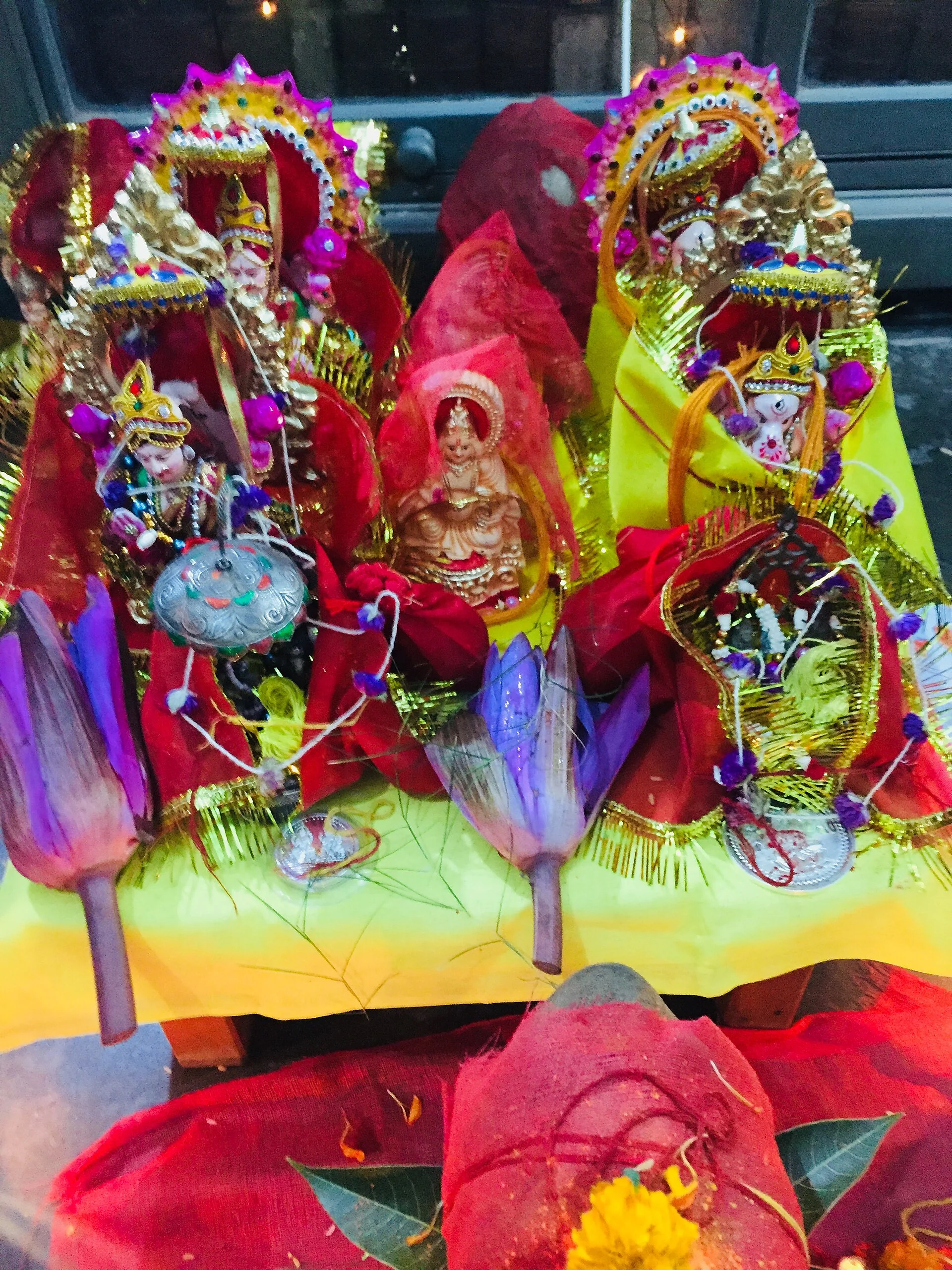
Sri Suktam: Complete Guide to the 15-Verse Vedic Hymn to Goddess Lakshmi
Mahalakshmi Vrata 2026: Significance, Rituals, and the Sixteen-Day Puja That Brings Lakshmi Home
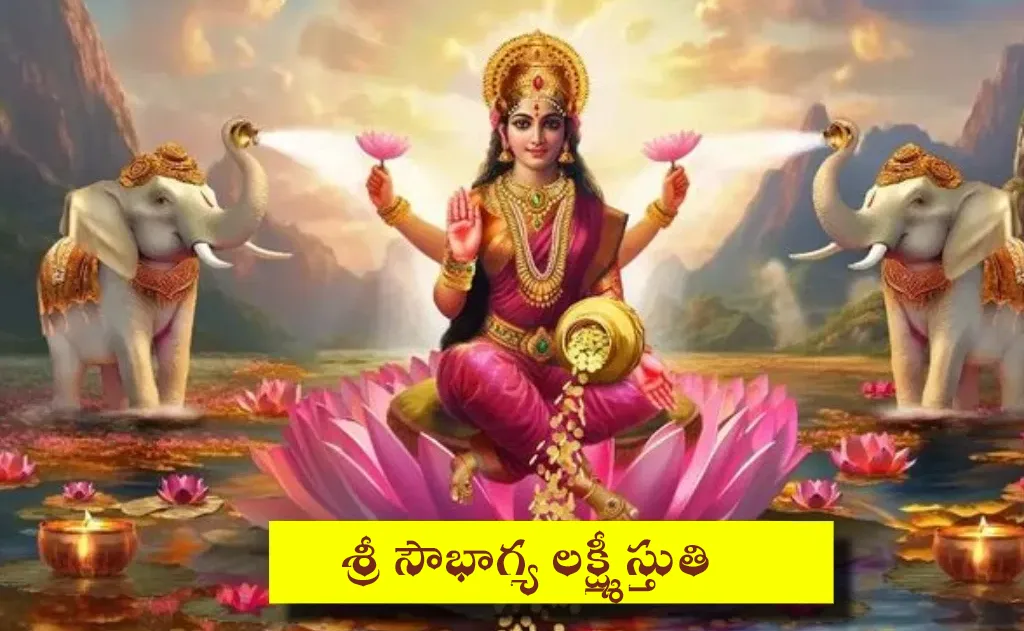
Diwali 2026 Dates USA: Complete 5-Day Celebration Guide with Stories, Rituals, Lakshmi Puja Timings, Recipes & Diaspora Events