Diwali Celebrations in Indian Temples 2026: A Comprehensive Guide to the Festival of Lights
Diwali, also known as Deepavali, is one of India’s most vibrant and significant festivals, symbolizing the triumph of light over darkness, good over evil, and…
Diwali, also known as Deepavali, is one of India’s most vibrant and significant festivals, symbolizing the triumph of light over darkness, good over evil, and…
Update (October 2026): Diwali 2026 falls on Sunday, 8 November (Dhanteras Friday 6 November). This guide has been refreshed for 2026 — for muhurat timings and city-wise guidance, see our Diwali 2026 guide.
Diwali, also known as Deepavali, is one of India’s most vibrant and significant festivals, symbolizing the triumph of light over darkness, good over evil, and knowledge over ignorance. In 2026, Diwali will illuminate Indian temples with special fervor, drawing millions of devotees to iconic shrines dedicated to deities like Lord Rama, Goddess Lakshmi, and Lord Krishna. This SEO-optimized article explores the grandeur of Diwali celebrations in Indian temples for 2026, highlighting famous sites, rituals, and tips for visitors. Whether you're planning a pilgrimage or seeking to understand this cultural spectacle, this guide provides an in-depth look at Diwali 2026 in Indian temples.
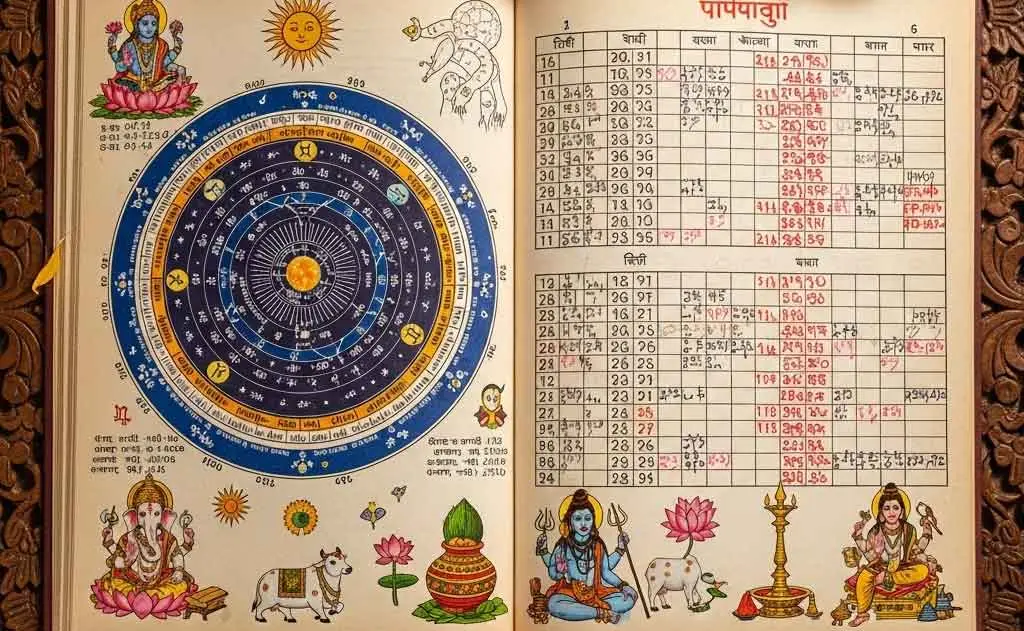
Diwali 2026 falls on Sunday, November 8, with the five-day festivities starting from Dhanteras on Friday, November 6 and concluding with Bhai Dooj on Wednesday, November 11, depending on regional calendars. The festival’s core, Lakshmi Puja, occurs on the Amavasya (new moon) night, transforming temples into radiant hubs adorned with diyas (oil lamps), rangolis (colorful floor designs), and fireworks. Temples serve as epicenters of devotion, blending ancient traditions with modern celebrations.
The History and Significance of Diwali in Indian Culture
Diwali’s origins are rooted in ancient Hindu scriptures, including the Ramayana and Mahabharata. The most popular narrative celebrates Lord Rama’s return to Ayodhya after 14 years of exile and his victory over the demon king Ravana. Devotees lit diyas to welcome him, a tradition that endures today. In southern India, Diwali is linked to Lord Krishna’s defeat of Narakasura, while in eastern regions, it honors Goddess Kali.
Spiritually, Diwali signifies inner enlightenment and prosperity. Goddess Lakshmi, the deity of wealth, is worshipped for abundance, alongside Lord Ganesha, who removes obstacles. In temples, these stories come alive through elaborate pujas (prayers), aartis (ritual offerings), and cultural programs. The Ram Mandir in Ayodhya, consecrated in 2024, continues to elevate celebrations, emphasizing national unity and heritage.
The festival spans five days, each with distinct rituals:
- Dhanteras (Friday, November 6, 2026): Dedicated to health and wealth, devotees purchase gold or utensils and pray to Lord Dhanvantari.
- Choti Diwali or Naraka Chaturdashi (November 7–8, 2026): Marks the cleansing of evil, with early morning oil baths (on the morning of November 8 in most of India; Kali Chaudas night is November 7) and evening diya lighting.
- Main Diwali or Lakshmi Puja (Sunday, November 8, 2026): The highlight, featuring grand pujas, fireworks, and family gatherings.
- Govardhan Puja (Tuesday, November 10, 2026): Honors Lord Krishna’s protection, with offerings of food (Annakut).
- Bhai Dooj (Wednesday, November 11, 2026): Celebrates sibling bonds through tilak ceremonies.
In temples, these days are marked by special decorations, bhajans (devotional songs), and community feasts, making Diwali 2026 a must-experience event.
How Indian Temples Celebrate Diwali: Common Rituals and Traditions
Indian temples transform into beacons of light and spirituality during Diwali. Common practices include:
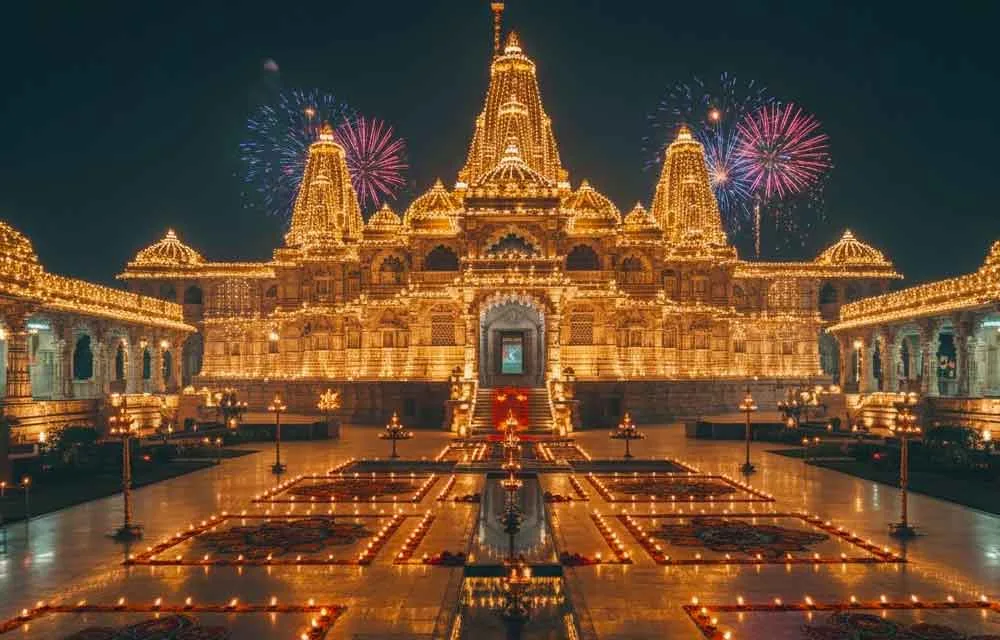
- Lighting of Diyas: Thousands of earthen lamps illuminate temple premises, symbolizing the dispelling of darkness.
- Rangoli and Decorations: Intricate patterns made from colored powders adorn entrances, often depicting deities or auspicious symbols.
- Pujas and Aartis: Special Lakshmi-Ganesha pujas are performed, with priests chanting mantras for prosperity.
- Cultural Programs: Dance performances, Ramleela (dramatizations of the Ramayana), and fireworks entertain devotees.
- Prasad Distribution: Sweet offerings like laddoos and halwa are shared, fostering community bonds.
Eco-friendly celebrations are gaining momentum, with many temples adopting LED lights and cow dung diyas to reduce environmental impact. Many temples host Annakut festivals, where mountains of food are offered to deities before being distributed as prasad.
Top Famous Indian Temples for Diwali Celebrations in 2026
India’s diverse temples offer unique Diwali experiences. Below is a detailed look at the most renowned ones, perfect for your 2026 itinerary.
1. Ram Mandir, Ayodhya – The Epicenter of Diwali Joy
Ayodhya, the birthplace of Lord Rama, hosts India’s grandest Diwali celebrations. The Ram Mandir is the focal point, with the Ayodhya Deepotsav traditionally featuring millions of diyas lighting up the Saryu River ghats. Expect laser shows, cultural tableaux from the Ramayana, and, as in recent years, attempts to set records for the most diyas lit simultaneously.
Devotees gather for reenactments of Rama’s homecoming, with the temple adorned in gold and flowers. Special pujas begin on Dhanteras, culminating in a midnight aarti on Diwali night, November 8. Recent Deepotsavs have lit over 25 lakh diyas, creating a breathtaking spectacle — check official Uttar Pradesh tourism announcements for 2026 plans.
2. Kashi Vishwanath Temple, Varanasi – Dev Deepawali Extravaganza
Varanasi’s Kashi Vishwanath Temple celebrates Diwali with “Dev Deepawali” on the full moon following the main festival (Tuesday, November 24, 2026). However, the main Diwali night sees the temple glowing with diyas along the Ganges. On Dev Deepawali, lakhs of eco-friendly diyas typically illuminate the ghats, often accompanied by laser shows depicting the Ganga’s descent and Lord Shiva’s stories.
The temple’s Shiva lingam is bathed in milk during pujas, and boat rides offer stunning views. Book boats and stays early, as the ghats draw a large influx of pilgrims seeking divine blessings.
3. Golden Temple (Harmandir Sahib), Amritsar – A Sikh Perspective on Diwali
The Golden Temple, a Sikh shrine, celebrates Diwali as Bandi Chhor Divas, observed alongside Diwali (expected on November 8, 2026 — confirm with the SGPC calendar), commemorating Guru Hargobind Sahib’s release from imprisonment. The temple is adorned with thousands of lights, reflecting in the sacred sarovar (pool). Fireworks and kirtans (hymns) create a festive atmosphere.
Visitors enjoy langar (community kitchen) meals, blending spirituality with service. The golden dome shines brighter under Diwali lights, attracting interfaith crowds.
4. Meenakshi Temple, Madurai – Southern Splendor
The Meenakshi Temple in Tamil Nadu dazzles during Diwali with rituals honoring Goddess Meenakshi (Parvati) and Lord Sundareswarar (Shiva). The temple’s towering gopurams (gateways) are decorated with lights and flowers, and special abhishekam (ritual bathing) occurs on Diwali day, November 8.
Cultural dances and processions enhance the festivity. Eco-friendly lighting and initiatives are increasingly common, making it a must-visit for southern Diwali vibes.
5. Tirupati Venkateswara Temple, Andhra Pradesh – Prosperity Prayers
Dedicated to Lord Venkateswara (Vishnu), this temple attracts massive crowds for Lakshmi Puja. Devotees offer gold and seek wealth blessings. The temple premises are adorned with diyas, and special sevas (services) are booked months in advance.
For Diwali 2026, check the temple trust (TTD) website for any extended darshan hours and cultural events; the festival here emphasizes devotion and charity.
6. Mahalakshmi Temple, Mumbai – Wealth and Devotion Hub
Mumbai’s ancient Mahalakshmi Temple is a hotspot for Lakshmi worshippers. During Diwali, the temple hosts grand pujas, with queues stretching for hours. The idol is adorned with gold jewelry, and aartis resonate through the night.
Community events like rangoli competitions and bhajans often enhance the experience, drawing urban devotees.
7. Ashtalakshmi Temple, Chennai – Unique Lakshmi Forms
This temple, dedicated to eight forms of Lakshmi, offers a unique Diwali celebration. Each shrine is lit individually, symbolizing different aspects of prosperity. Special homams (fire rituals) and music concerts mark the occasion.
For 2026, the temple’s seaside location adds a serene backdrop to the festivities.
8. Kalighat Temple, Kolkata – Kali Puja Focus
In West Bengal, Diwali aligns with Kali Puja on the Amavasya night — November 8, 2026 (confirm with your local panjika). The Kalighat Temple buzzes with symbolic sacrifices, midnight pujas, and pandal hopping. The temple’s fierce energy contrasts with Diwali’s light theme, offering a profound spiritual experience.
9. Belur Math and Dakshineswar Temple, Kolkata – Ramakrishna Legacy
These temples, associated with Swami Vivekananda, celebrate Diwali with Kali worship and philosophical discourses. Belur Math’s serene grounds host light displays and community gatherings, often including interfaith events promoting unity.
10. BAPS Swaminarayan Temples Across India – Modern Grandeur
BAPS temples, like those in Delhi and Ahmedabad, feature stunning Diwali displays with rangolis and diya arrangements. Cultural shows and vegetarian feasts are highlights, and BAPS celebrations worldwide share similar traditions.
Additional Notable Temples
- Jagannath Temple, Puri: Focuses on Lakshmi Puja with grand rath yatras.
- Vaishno Devi, Jammu: Pilgrims trek for blessings amid lighted paths.
- Somnath Temple, Gujarat: Coastal fireworks and Shiva aartis.
- Rameswaram Temple, Tamil Nadu: Sea-facing celebrations with Ramanathaswamy rituals.
- Dwarkadhish Temple, Dwarka: Krishna-centric Govardhan Puja.
Each temple adds regional flavors, from Tamil Nadu’s kolams to Bengal’s dhak drums.
Special Events and Preparations for Diwali 2026 in Temples
With Diwali on Sunday, November 8, 2026, temples typically prepare for large crowds. Many, including in Ayodhya, have promoted a “Green Diwali” with biodegradable diyas. Varanasi’s laser shows and Ganga aartis are often live-streamed. Many temples, like Tirupati, offer online bookings for sevas to manage crowds — check official websites for 2026 schedules.
Social media buzz reflects excitement, with posts about eco-diyas and community events. Global influences inspire Indian temples to blend tradition with modernity.
Tips for Visiting Indian Temples During Diwali 2026
Planning a temple visit? Here are practical tips:
- Book in Advance: Darshan slots fill quickly; use official apps for reservations.
- Dress Modestly: Wear traditional attire; cover shoulders and knees.
- Arrive Early: Avoid peak evening hours for shorter queues.
- Eco-Friendly Practices: Carry reusable bags; opt for cracker-free celebrations.
- Health Precautions: Wear masks if needed; stay hydrated amid crowds.
- Transportation: Use trains or buses; apps streamline travel to Ayodhya or Varanasi.
- Cultural Etiquette: Remove shoes, maintain silence during pujas.
- Budgeting: Entry is free, but donations and offerings add up.
- Photography: Check rules; some temples prohibit inside shots.
- Accommodations: Book hotels near temples; dharamshalas offer affordable stays.
Safety is key—follow any local health or crowd-safety advisories in place for 2026.
The Cultural and Spiritual Importance of Temple Diwali Celebrations
Temple Diwali fosters unity, transcending caste and regional boundaries. It promotes values like charity and forgiveness. Spiritually, it’s a time for self-reflection and renewal.
With India’s growing global diaspora, temple celebrations highlight cultural pride and boost tourism, contributing to the economy.
Conclusion: Embrace the Light of Diwali 2026 in Indian Temples
Diwali 2026 promises unforgettable experiences in Indian temples, from Ayodhya’s historic grandeur to Varanasi’s mystical ghats. As lights banish darkness, these celebrations embody hope and prosperity. Plan your visit to witness the magic firsthand, and carry the festival’s spirit year-round.
Whether seeking blessings or cultural immersion, Indian temples during Diwali 2026 offer something for everyone. Happy Diwali—may your year be filled with light!
Related 2026 guides
- Diwali 2026: dates, Lakshmi Puja muhurat & 5-day guide
- Lakshmi Puja muhurat 2026 in 30 Indian cities
- Lakshmi Puja vidhi 2026: step-by-step
- Dhanteras 2026
- Diwali 2026 5-day calendar at a glance
Frequently Asked Questions
When is Diwali 2026 celebrated in Indian temples?
Diwali 2026 falls on Sunday, 8 November, with Lakshmi Puja on the Amavasya night. In India the five days run from Dhanteras on Friday, 6 November to Bhai Dooj on Wednesday, 11 November, with Govardhan Puja on Tuesday, 10 November.
Which Indian temples are most famous for Diwali celebrations?
Popular choices include the Ram Mandir and Deepotsav in Ayodhya, Kashi Vishwanath in Varanasi, the Golden Temple in Amritsar for Bandi Chhor Divas, Meenakshi Temple in Madurai, Tirupati, Mahalakshmi Temple in Mumbai and Kalighat in Kolkata. Each adds its own regional rituals and decorations.
How do temples celebrate Diwali?
Temples light thousands of diyas, draw rangolis at entrances, and perform special Lakshmi-Ganesha pujas and aartis. Many also hold cultural programs, Annakut food offerings and prasad distribution, and more temples now use eco-friendly diyas and LED lighting.
When is Dev Deepawali in Varanasi in 2026?
Dev Deepawali is celebrated on Kartika Purnima, the full moon after Diwali, which falls on Tuesday, 24 November 2026. The Varanasi ghats are typically lit with lakhs of diyas, so book boats and stays early.
What should I know before visiting a temple during Diwali 2026?
Book darshan or seva slots in advance through official temple websites, dress modestly, arrive early to avoid peak evening queues and follow photography rules. NRIs travelling from abroad should confirm 2026 schedules with the temple trust before planning, as dates for Govardhan Puja and Bhai Dooj can differ by a day outside India.
You might also like
Gita Jayanti 2026 Prasad Recipes — Tulsi-Honoring Sweets, Krishna's Favourites & December 20 Bhog Plate
Shani Deva Temples Worldwide & Must-Performed Rituals — Complete Devotee's Guide
Maha Shivratri 2026 Vrat Recipes — Sabudana Khichdi, Singhada Halwa, Phalahara Foods Complete Fasting Guide