Magha Month 2026: A Practical Guide for Hindu Americans
Magha Month 2026: A Practical Guide for Hindu Americans Introduction to Magha Month Magha month holds profound spiritual significance in the Hindu calendar,…

Magha Month 2026: A Practical Guide for Hindu Americans Introduction to Magha Month Magha month holds profound spiritual significance in the Hindu calendar,…
Magha Month 2026: A Practical Guide for Hindu Americans
Introduction to Magha Month
Magha month holds profound spiritual significance in the Hindu calendar, marking one of the holiest periods for devotion, purification, and spiritual renewal. In 2026, Magha begins around early January and extends through early February. For Hindu Americans balancing traditional observances with contemporary life, this sacred month offers meaningful opportunities to deepen spiritual practice while adapting ancient traditions to the American context.
Named after the Magha nakshatra (constellation), this lunar month is considered supremely auspicious for performing charitable acts, spiritual practices, and ritualistic bathing. Whether you're a first-generation immigrant maintaining homeland traditions or an American-born Hindu exploring your heritage, Magha provides a framework for spiritual growth that transcends geography.
When Does Magha Month Begin in 2026?
Magha month in the Hindu lunar calendar begins with the Shukla Paksha (waxing phase) following Paush Purnima. In 2026, Magha month commences around January 4-5, 2026, depending on your time zone and regional calculation method. The month concludes around early February with Magha Purnima (full moon).
For Hindu Americans, it's helpful to consult local temple panchangs (almanacs) or reliable online Hindu calendar resources that account for North American time zones. Many temples and Hindu organizations publish observance dates adjusted for Eastern, Central, Mountain, and Pacific time zones.
The Spiritual Significance of Magha Month
Magha is revered as the month of purification and divine connection. According to Hindu scriptures, spiritual practices performed during Magha yield enhanced benefits, making it an ideal time for recommitting to your spiritual path or beginning new practices.
Key spiritual themes include:
Purification of Mind and Body: The emphasis on cleansing rituals symbolizes releasing negative patterns and accumulated stress from our fast-paced American lifestyle.
Enhanced Spiritual Merit: Acts of charity, prayer, and devotion performed during Magha are believed to have amplified spiritual effects, encouraging us to prioritize service and generosity.
Introspection and Renewal: As winter transitions toward spring, Magha represents a period of inner reflection—similar to how many Americans approach New Year's resolutions, but with deeper spiritual dimensions.
Community Connection: Magha observances offer opportunities to connect with local Hindu communities, strengthening cultural identity and passing traditions to younger generations.
Adapting Sacred Bathing Rituals for American Life
The tradition of ritualistic bathing (snan) forms the cornerstone of Magha observances. While bathing in sacred Indian rivers may not be feasible for most Hindu Americans, the spiritual essence of these practices can be meaningfully adapted.
Morning Ritual Baths at Home
Wake up early—ideally before sunrise—to take your ritual bath. The pre-dawn hours carry special spiritual significance regardless of location. While you may not have access to the Ganges, you can create a sacred bathing experience at home:
Set an intention (sankalpa) before bathing, acknowledging the spiritual purpose of your practice. Add a few tulsi (holy basil) leaves or flowers to your bath water if available. Face east while offering water, visualizing the rising sun and divine energy. Follow your bath with meditation, prayer, or mantra recitation.
Many Hindu Americans keep a small vessel specifically for ritual water offerings, performing a simplified arghya (water offering) facing a home altar or toward the east.
Visiting Natural Water Bodies
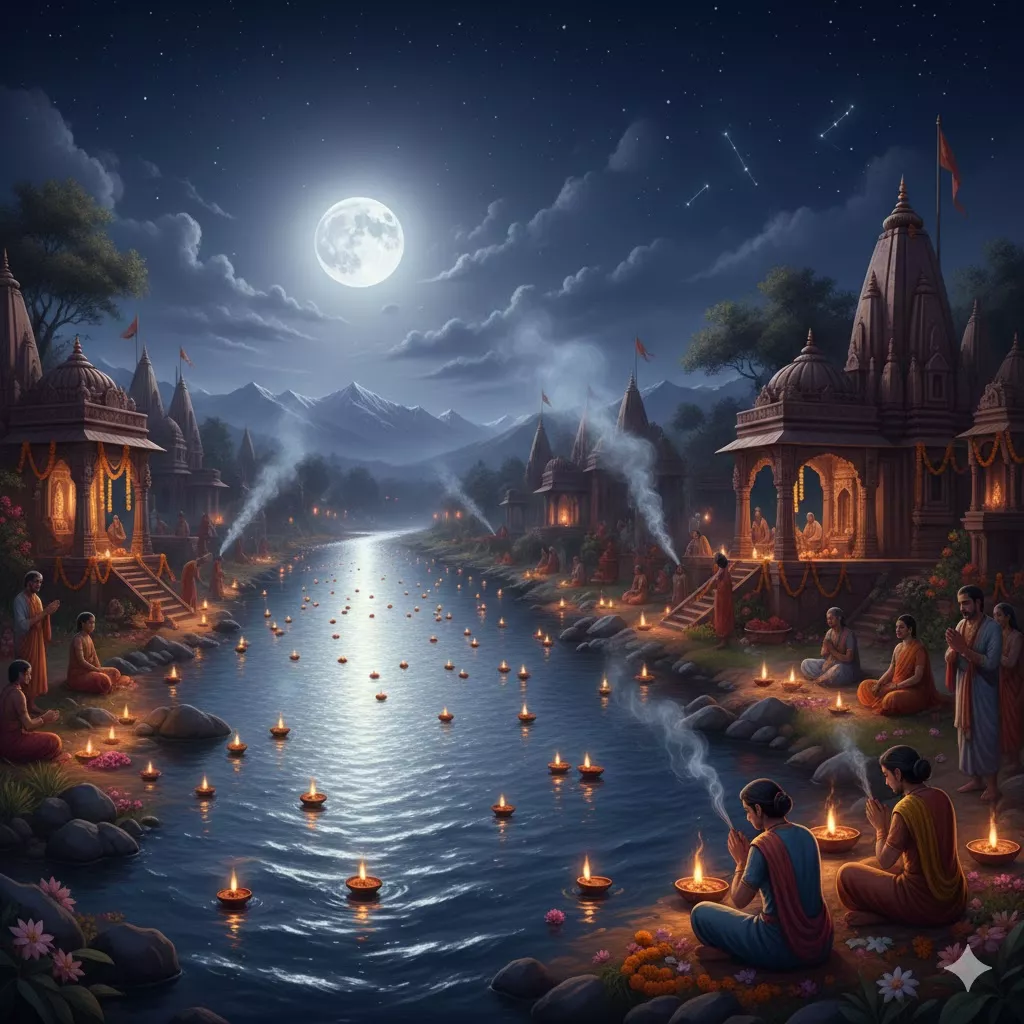
If you live near natural water bodies—rivers, lakes, or the ocean—consider visiting these locations for your Magha bathing ritual, weather permitting. While they may not carry the same traditional sanctity as Indian pilgrimage sites, all natural waters can serve as reminders of the divine presence in creation.
Some Hindu Americans organize group visits to local rivers or beaches on particularly auspicious days like Mauni Amavasya, combining the ritual bath with community fellowship. Always observe local regulations and safety guidelines, especially given winter weather conditions across much of the United States.
Temple Sacred Water
Many Hindu temples in America maintain small water features or provide sanctified water for devotees. Check with your local temple about Magha observances—some offer special early morning programs that include symbolic bathing rituals or abhishekam (ritual bathing of deities) that devotees can participate in.
Mauni Amavasya: The Sacred Day of Silence
Among all auspicious days in Magha, Mauni Amavasya stands supreme. This new moon day, falling in 2026 around January 29, is dedicated to silence, introspection, and intense spiritual practice.
Observing Mauna in Modern America
For Hindu Americans with work obligations, observing complete silence throughout the day may be challenging. Consider these practical adaptations:
Modified Silence: Maintain silence before work and after returning home. Limit speech during the workday to only essential professional communication, avoiding small talk and unnecessary conversation.
Silent Saturdays or Sundays: If Mauni Amavasya falls on a weekday, consider observing your silence practice on the nearest weekend day, when you have more control over your schedule.
Digital Silence: Extend your silence practice to include abstaining from social media, text messaging, and non-essential digital communication. This modern adaptation addresses our contemporary tendency toward constant connectivity.
Mindful Speech: If complete silence isn't feasible, practice extremely mindful, minimal speech—speaking only when necessary and with full awareness.
Rituals for Mauni Amavasya
Begin your day with an early morning bath and meditation. Perform puja to your chosen deities, particularly Lord Shiva and Lord Vishnu. Many Hindu Americans maintain home altars where they can conduct these rituals.
Donate to charitable causes—this can include online donations to Hindu temples, cultural organizations, or secular charities serving communities in need. Consider causes that resonate with Hindu values: hunger relief, education access, disaster relief, or environmental conservation.
Observe dietary restrictions according to your tradition and capacity. Many practitioners fast completely or consume only fruits, milk, and water. Others may adopt a simplified sattvic diet for the day.
Spiritual Practices
Use the silence to engage in extended meditation, japa (mantra repetition), or scripture study. Read from texts like the Bhagavad Gita, Upanishads, or devotional poetry. Many online resources offer guided meditations and spiritual discourses specifically for Mauni Amavasya.
The practice of silence offers a valuable counterpoint to American culture's emphasis on constant communication and productivity. It creates space for self-reflection and spiritual deepening that many find increasingly necessary in our information-saturated age.
Major Festivals During Magha 2026
Vasant Panchami
Falling during Magha, Vasant Panchami celebrates Goddess Saraswati, deity of knowledge, music, and arts. For Hindu American families, this festival provides an excellent opportunity to emphasize the value of education and cultural learning.
Many Hindu temples and cultural organizations host Saraswati Puja programs where children can participate in special ceremonies, often involving the blessing of books, musical instruments, or school supplies. This celebration resonates well with American educational values while maintaining Hindu cultural identity.
Consider having your children write their first letters or practice music on this day, introducing them to these traditions in age-appropriate ways.
Magha Purnima
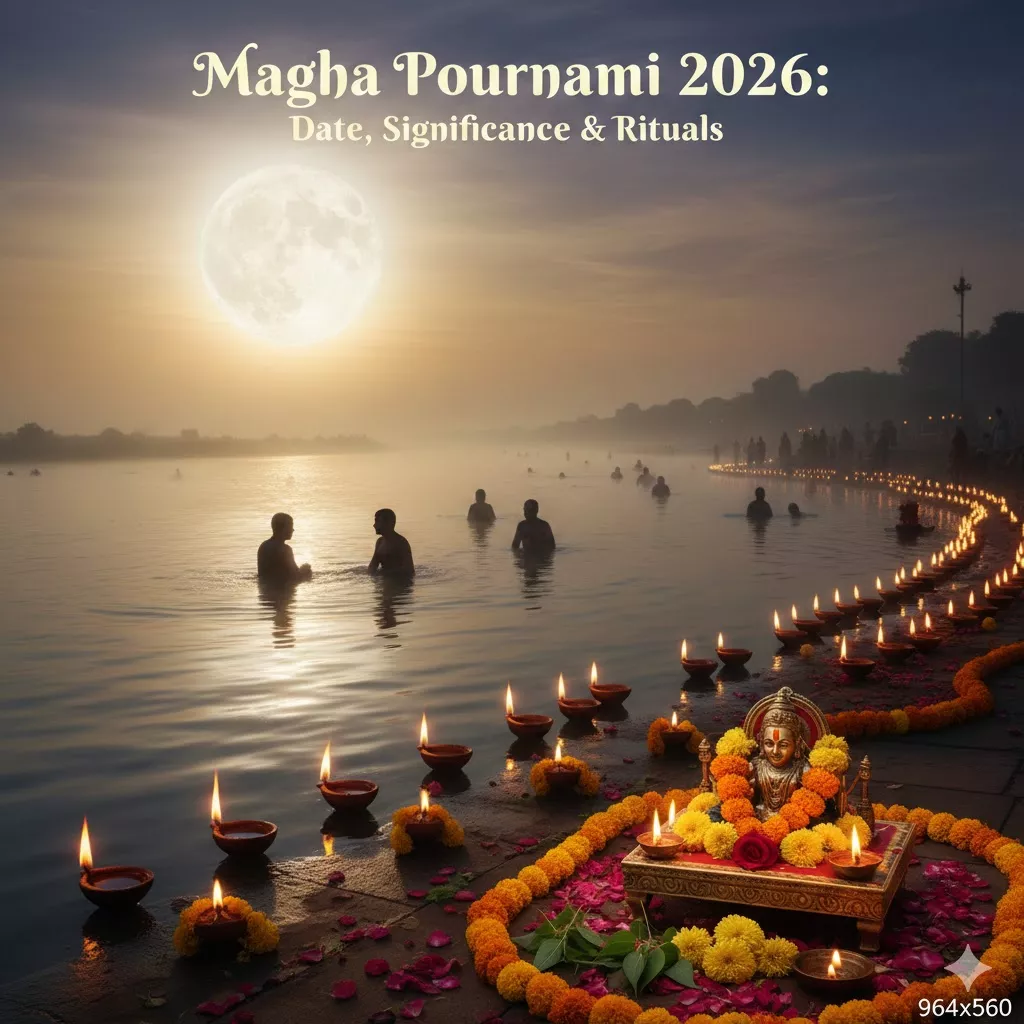
The full moon day of Magha, expected around February 3, 2026, concludes the month's spiritual disciplines. Many Hindu American communities organize special temple programs, group meditations, or charitable activities on this day.
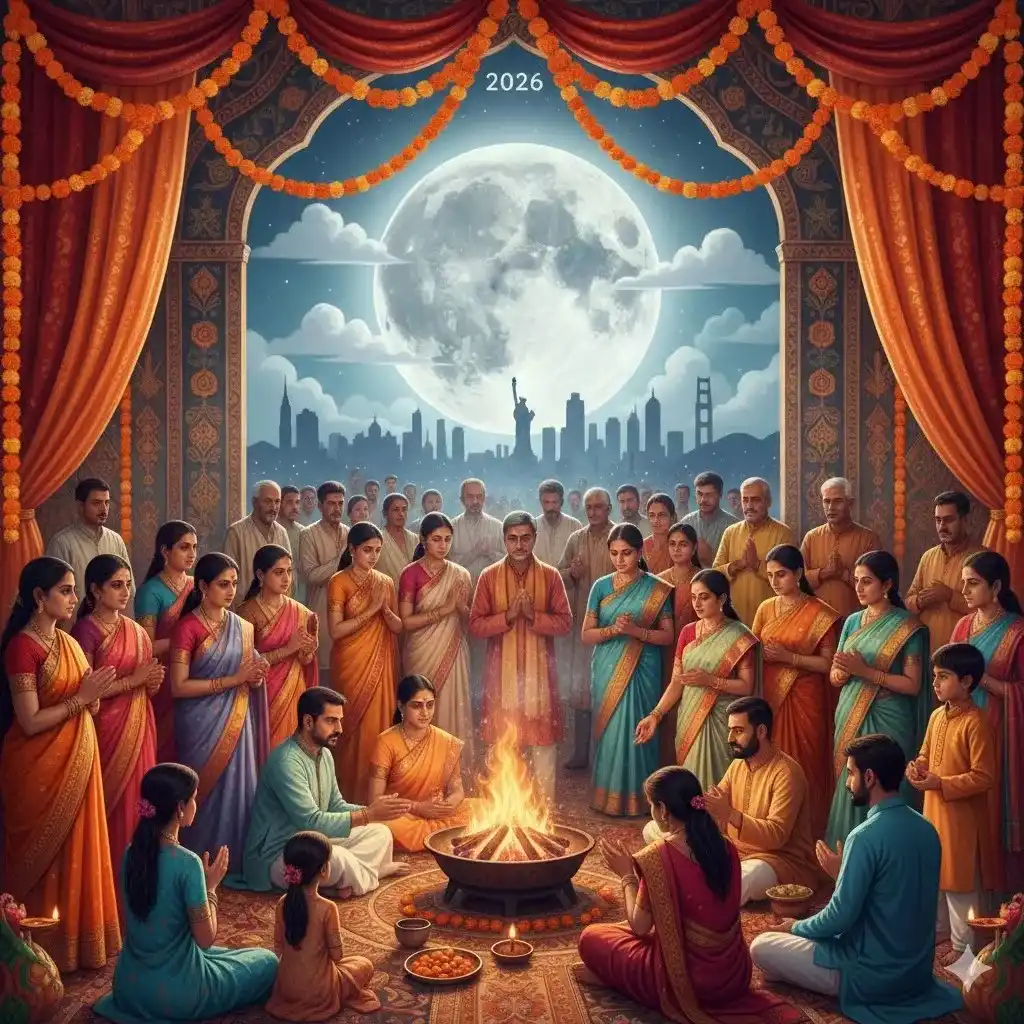
Consider attending your local temple's Magha Purnima celebration or organizing a home puja with family and friends. This gathering can include devotional singing (bhajans), shared meals, and collective charitable giving.
Ratha Saptami
This festival celebrating Surya (the sun god) typically falls in Magha. Given America's diverse climate, sun worship takes on particular significance—from the bright winter sun in California to the precious sunlight in northern states during short winter days.
Greet the sunrise with surya namaskar (sun salutations) and prayers, acknowledging the life-giving energy that transcends all geographical boundaries.
Making Magha Meaningful in American Life
Balancing Work and Spiritual Practice
Most Hindu Americans cannot take extended time off for Magha observances as some practitioners in India might. However, you can create a meaningful Magha experience within your regular schedule:
Wake up 30-45 minutes earlier than usual for morning rituals. Use lunch breaks for brief meditation or mantra recitation. Dedicate weekend mornings to more extended spiritual practices. Join online satsangs (spiritual gatherings) that accommodate American time zones.
Family Observances
For families with children, Magha offers opportunities to transmit Hindu values and practices:
Involve children in home pujas, explaining the meaning behind rituals in age-appropriate language. Create a family chart tracking daily spiritual practices, making it engaging for younger family members. Share stories from Hindu scriptures during evening family time. Encourage children to choose charitable causes for family donations.
Many second-generation Hindu Americans report that childhood participation in such practices, even when not fully understood at the time, became meaningful touchstones for their cultural and spiritual identity later in life.
Community Engagement
Connect with your local Hindu temple or cultural organization. Many temples offer special Magha programs including early morning pujas, scripture study groups, meditation sessions, and community service projects.
If your area lacks a Hindu temple, consider joining online communities. Numerous organizations offer virtual satsangs, guided meditations, and educational programs during Magha, allowing Hindu Americans across the country to participate regardless of local infrastructure.
Charitable Giving
Magha's emphasis on dana (charity) aligns well with American philanthropic traditions. Consider directing charitable giving during this month to:
Hindu temples and cultural organizations preserving traditions in America, educational initiatives supporting underprivileged students, hunger relief programs in your local community, disaster relief efforts in India or globally, environmental organizations (reflecting Hindu reverence for nature).
Many Hindu Americans also establish giving traditions during Magha, such as monthly donations that continue throughout the year, combining Hindu spiritual practice with sustained charitable impact.
Dietary Practices During Magha
Many observers follow special dietary guidelines during Magha. Adapt these according to your lifestyle and beliefs:
Sattvic Diet
Emphasize fresh fruits, vegetables, whole grains, dairy products (if consumed), nuts and legumes, and herbal teas. Avoid or minimize onion, garlic, processed foods, alcohol and intoxicants, and heavy or overly spicy foods.
This approach aligns well with current nutritional science emphasizing whole foods and plant-based eating, making it easier to maintain in the American food environment.
Fasting Practices
Some practitioners observe fasts on specific days, particularly Ekadashi (eleventh lunar day) and Amavasya. Fasting practices can range from complete abstinence from food to consuming only fruits, milk, and water, or eating one simple meal.
Always prioritize health and consult healthcare providers if you have medical conditions. Hindu traditions acknowledge that tapas (spiritual discipline) should be balanced with dharma (duty), including the duty to maintain health.
Pilgrimage Opportunities
While Hindu Americans cannot easily visit Indian pilgrimage sites during Magha, consider these alternatives:
Regional Temples
Many areas now have significant Hindu temples. Plan a special visit during Magha, perhaps timing it for Mauni Amavasya or Magha Purnima. Treat this visit with the reverence of a pilgrimage, preparing spiritually beforehand and engaging fully in temple activities.
Spiritual Retreats
Some Hindu organizations offer retreat programs during Magha, providing immersive spiritual experiences. These might include intensive meditation, yoga practice, scripture study, and guidance from experienced teachers.
Virtual Participation
Modern technology enables virtual participation in ceremonies at major Indian pilgrimage sites. During Magha, some temples stream their rituals, allowing Hindu Americans to witness and spiritually participate in sacred ceremonies at Varanasi, Haridwar, or Prayagraj.
Creating Sacred Space at Home
Transform a corner of your home into a dedicated sacred space for Magha. Set up an altar, keep it clean and adorned with flowers, light a lamp or candle daily, and use this space exclusively for spiritual practices during the month.
Teaching Magha Traditions to American-Born Children
Passing Hindu traditions to younger generations presents unique challenges and opportunities in America:
Making It Relevant
Connect Magha practices to values American children understand: discipline, self-improvement, helping others, and mindfulness. Explain how silence practices improve focus for schoolwork, how early rising builds character, and how charitable giving creates positive change.
Age-Appropriate Participation
Young children can offer flowers during puja, light (with supervision) diyas or candles, sing simple bhajans or mantras, and participate in age-appropriate fasting (perhaps skipping one meal or a favorite snack).
Teenagers might appreciate deeper philosophical discussions, opportunities to research and present on Hindu concepts, participation in community service projects, and independence in choosing their own spiritual practices.
Cultural Identity
For American-born Hindu youth navigating multiple cultural identities, Magha observances can provide grounding in their heritage without requiring full adoption of every traditional practice. Allow flexibility while maintaining core values, creating space for questions and doubts that may arise.
Addressing Common Challenges
Weather Considerations
Early morning cold-water bathing in American winters, especially in northern states, requires practical modifications. Ensure your home is adequately heated, have warm clothes ready immediately after bathing, and consider slightly warming the water while maintaining the ritual's spiritual intention—the practice is about discipline and purification, not suffering.
Work Schedule Conflicts
Many Hindu Americans work in demanding professions. Be realistic about what you can maintain. A consistent but modest practice performed with sincerity holds more spiritual value than ambitious commitments that lead to guilt when unfulfilled.
Family Dynamics
In interfaith families or families with varying levels of religious commitment, find inclusive ways to observe Magha. Focus on universal values like gratitude, silence, charitable giving, and family connection that resonate across backgrounds.
Isolation
Hindu Americans in areas without significant Hindu populations may feel isolated during religious observances. Leverage technology to connect with online communities, schedule video calls with family in India or other states, and consider this an opportunity to deepen personal practice without social pressure.
The Science Behind Magha Practices
Modern scientific research validates many Magha observances:
Cold Water Exposure: Studies show cold water immersion boosts immunity, improves circulation, enhances mood through endorphin release, and increases metabolic rate.
Early Rising: Aligning with circadian rhythms by waking before dawn improves sleep quality, hormonal balance, mental clarity, and overall wellbeing.
Intermittent Fasting: Research on fasting indicates benefits including cellular repair processes, improved insulin sensitivity, enhanced mental clarity, and longevity promotion.
Silence Practices: Psychological research on silence and reduced speech shows decreased stress and anxiety, improved self-awareness, enhanced emotional regulation, and better cognitive function.
Charitable Giving: Studies consistently demonstrate that generosity increases personal happiness, reduces stress, strengthens social bonds, and provides a sense of purpose.
Understanding the scientific basis for these practices can help Hindu Americans appreciate their wisdom while explaining their value to others unfamiliar with Hindu traditions.
Digital Resources for Magha Observance
Take advantage of resources designed for Hindu Americans:
Panchangs and Calendars: Websites and apps offering Hindu calendar dates adjusted for American time zones, with reminders for important observances.
Online Satsangs: Virtual spiritual gatherings hosted by various Hindu organizations across different American time zones.
Guided Meditations: YouTube channels and apps offering guided meditations in English, often specifically for Hindu festivals and observances.
Scripture Study: Online courses and discussion groups exploring Hindu texts, making ancient wisdom accessible to contemporary practitioners.
Temple Live Streams: Many American Hindu temples now stream their ceremonies, allowing participation from home.
Environmental Consciousness
Modern Magha observances can incorporate environmental awareness, reflecting Hindu principles of respecting nature:
Choose eco-friendly puja materials, minimize water waste during bathing rituals, donate to environmental causes, and use this month to reflect on sustainable living practices. This integration honors both ancient Hindu reverence for nature and contemporary understanding of environmental responsibility.
Conclusion: Embracing Magha in America
Magha month 2026 offers Hindu Americans a valuable opportunity to reconnect with spiritual roots while living fully in contemporary American society. The practices observed during this sacred month—ritual bathing, charitable giving, silence, fasting, and devotional activities—transcend cultural boundaries to address universal human needs for meaning, community, and inner peace.
You need not replicate every traditional practice exactly as performed in India. Instead, focus on the underlying principles: purification, discipline, generosity, introspection, and devotion. Adapt practices thoughtfully to your circumstances while maintaining their spiritual essence.
Whether you're a first-generation immigrant seeking to maintain homeland traditions, an American-born Hindu exploring your heritage, or someone from any background drawn to Hindu spiritual practices, Magha month welcomes you. Start with simple, sustainable practices. Perhaps commit to a daily morning meditation, weekly charitable giving, or observing silence on Mauni Amavasya. Let your Magha practice evolve naturally rather than overwhelming yourself with obligations.
Connect with your local Hindu community if possible, or find online sangha (spiritual community) to share this journey. Share your experiences with family and friends, helping younger generations understand these traditions' relevance.
May this Magha month bring you spiritual renewal, deeper connection to your heritage, and practical tools for navigating life's challenges with greater wisdom and peace. The sacred waters of Magha—whether in Indian rivers or American bathtubs, in temple fonts or natural lakes—await to wash away the old and welcome the new.
The beauty of Hindu dharma lies in its adaptability across time and place. Your sincere practice in America, modified thoughtfully for your context, carries the same spiritual validity as any traditional observance. Trust your intention, honor the traditions to the best of your ability, and let Magha month begin your journey toward greater spiritual fulfillment.
Om Shanti Shanti Shanti
🌸 For More Devotional Journey, Follow
- Temples
/temples/ - Tirumala Updates
/tirumala/ - Sabarimala Yatra
/category/sabarimala-yatra/ - Pooja, Slokas & Mantras
/pooja-slokas-and-mantras/ - Hindu Gods
/hindu-gods/
Frequently Asked Questions
When does Magha month begin in 2026?
Magha begins with the Shukla Paksha after Paush Purnima, around January 4-5, 2026, depending on time zone and regional calculation. It ends around early February with Magha Purnima.
How can Hindu Americans do the Magha ritual bath without the Ganges?
Bathe before sunrise at home after setting a sankalpa, add tulsi leaves or flowers if available, and face east offering water. Follow with meditation, prayer or mantra recitation.
When is Mauni Amavasya in 2026 and how is it observed?
It falls around January 29, 2026, and is dedicated to silence, introspection and spiritual practice. Observers bathe early, meditate, worship Lord Shiva and Lord Vishnu, donate to charity and eat a simple diet.
How can I observe Mauni Amavasya silence while working in the US?
Keep silence before work and after returning home, limit workday speech to essentials, or observe on the nearest weekend day. Digital silence, avoiding social media and texting, is another adaptation.
When is Magha Purnima in 2026?
The Magha full moon is expected around February 3, 2026, and concludes the month's spiritual disciplines. Temples organize programs, group meditations and charitable activities.
How do Hindu American families celebrate Vasant Panchami?
Vasant Panchami honors Goddess Saraswati, deity of knowledge, music and arts. Temples host Saraswati Puja where books, instruments or school supplies are blessed, and children may write first letters or practice music.