
Phalguna Maas 2026 Dates | North vs South Calendar Explained
Phalguna Maas 2026 Dates: When Does Phalgun Month Begin & End?

Phalguna Maas 2026 Dates: When Does Phalgun Month Begin & End?
Phalguna Maas 2026 Dates: When Does Phalgun Month Begin & End? North vs South Calendar Explained
Phalguna Maas, also known as Phalgun Maas or Falgun Month, holds profound spiritual significance in Hinduism as the twelfth and final month of the traditional Hindu lunar calendar. This sacred period bridges the end of winter and the vibrant arrival of spring (Vasanta Ritu), symbolizing renewal, joy, devotion, and the triumph of good over evil. Devotees across India observe numerous vratas (fasts), pujas, and festivals during this maas, making it a time of intense bhakti (devotion), purification, and celebration.
In 2026, Phalguna Maas aligns with key Gregorian dates in February and March, varying slightly based on regional calendar systems. The month is especially revered for major festivals like Mahashivratri (the great night of Lord Shiva) and Holi (the festival of colors), along with other observances such as Phalguna Amavasya, Holika Dahan, and various Ekadashis.
This comprehensive devotional guide explores the exact dates for Phalguna Maas 2026, the differences between North and South Indian calendars, the deep spiritual significance, important festivals, rituals, legends from scriptures, and ways to observe this holy month for blessings, karma cleansing, and divine grace. Whether you follow the Purnimanta or Amanta tradition, this article from www.hindutone.com aims to deepen your sadhana and connection to Sanatan Dharma.
Understanding the Hindu Lunar Calendar: Purnimanta vs Amanta Systems
The Hindu calendar (Panchang) is lunisolar, based on tithis (lunar days) and nakshatras. The key difference lies in how months are calculated:
- Purnimanta Calendar (followed in most of North India, including states like Uttar Pradesh, Bihar, Rajasthan, Madhya Pradesh, Haryana, Punjab, and parts of Odisha): The month begins on the day after Purnima (full moon) and ends on the next Purnima. This system emphasizes the bright fortnight (Shukla Paksha) leading to the full moon as the culmination.
- Amanta Calendar (prevalent in South India, Gujarat, Maharashtra, and parts of Andhra Pradesh, Karnataka, Kerala, and Telugu/Marathi regions): The month starts after Amavasya (new moon) and ends on the next Amavasya. Here, the dark fortnight (Krishna Paksha) concludes the month.
This variation causes a shift of about 15 days in month start/end dates between regions, though festivals tied to specific tithis (like Shivratri on Krishna Chaturdashi) remain consistent nationwide.
Phalguna Maas 2026 Dates: North India (Purnimanta) vs South India (Amanta)
According to reliable Hindu Panchang sources (including Prokerala, DrikPanchang, and regional calendars for Vikram Samvat 2082-2083):
North India (Purnimanta Calendar):
- Phalguna Maas begins: February 2, 2026 (or February 3 in some local variations, post-Magha Purnima).
- Phalguna Maas ends: March 3, 2026 (on Phalguna Purnima, coinciding with Holika Dahan and Holi celebrations).
South India (Amanta Calendar):
- Phalguna Maas begins: February 18, 2026 (post-Phalguna Amavasya in North's reckoning).
- Phalguna Maas ends: March 19, 2026 (on the next Amavasya).
These dates correspond to the lunar cycle in 2026, where Phalguna aligns with late winter transitioning to spring. Always consult a local Panchang or temple priest for precise muhurta, as minor regional adjustments occur based on sunrise/sunset and tithi endings.
Key 2026 dates within Phalguna (primarily North/Purnimanta view, widely referenced):
- Mahashivratri: February 15, 2026 (Sunday, Krishna Chaturdashi).
- Phalguna Amavasya: February 17, 2026 (Tuesday).
- Holika Dahan / Chhoti Holi: March 3, 2026 (Tuesday evening).
- Phalguna Purnima / Holi / Dola Purnima: March 3-4, 2026 (full moon marks the climax).
- Other observances: Vijaya Ekadashi (around February 13), Amalaki Ekadashi (late February), and various Pradosh Vrats.
This month in Vikram Samvat 2082-2083 brings immense punya (merit) through devotion to Lord Vishnu (as Kamadeva's story ties to spring) and Lord Shiva.
Spiritual Significance of Phalguna Maas
Phalguna Maas derives its name from Purva Phalguni and Uttara Phalguni nakshatras, associated with the full moon (Purnima). Scriptures like the Padma Purana, Skanda Purana, and Bhavishya Purana describe it as a time of divine play (leela), renewal, and liberation.
- Transition to Spring: It marks the end of harsh winter (Shishir Ritu) and the blooming of nature, symbolizing the awakening of life force (prana) and devotion.
- Karma Cleansing and Pitru Tarpan: Amavasya in Phalguna is ideal for ancestral rites, releasing karmic burdens.
- Bhakti and Joy: The month softens austerity (tapas) into loving devotion (bhakti), preparing for Chaitra's new beginnings.
- Association with Deities: Lord Shiva's marriage to Parvati, Vishnu's preservation energy, and Kamadeva's revival highlight love, sacrifice, and dharma.
Observing vratas here purifies the mind, body, and soul, granting health, prosperity, and moksha.
Major Festivals and Vrats in Phalguna Maas 2026
- Mahashivratri (February 15, 2026) The most auspicious night for Shiva bhakti. Devotees fast, perform night-long jagran, offer bilva leaves, milk, and chant "Om Namah Shivaya." It commemorates Shiva's tandava, Parvati's tapas to win Him, and the lingodbhava. Rituals include four-prahar puja and staying awake for divine darshan.
- Phalguna Amavasya (February 17, 2026) Ideal for Pitru shraddha, tarpan, and charity. Many observe fasts for ancestors' peace.
- Holika Dahan and Holi (March 3-4, 2026) Holika Dahan (bonfire) symbolizes burning evil (like Hiranyakashipu's sister Holika's attempt on Prahlada). Holi celebrates Prahlada's devotion, good's victory, and spring's arrival with colors, sweets, and forgiveness.
- Other Key Observances:
- Vijaya Ekadashi: For success and victory over obstacles.
- Amalaki Ekadashi: Worship of Tulsi and Vishnu.
- Pradosh Vrats: Shiva puja on trayodashi.
- Ratha Saptami (if aligned): Surya worship for health.
Rituals and Puja Vidhi for Phalguna Maas
- Daily: Chant Shiva mantras, Vishnu sahasranama, or Gayatri.
- Fasting: On Ekadashis, Shivratri, or full month for austerity.
- Charity: Donate food, clothes, and sesame to the needy.
- Home Puja: Light lamps, offer flowers, and perform aarti.
- Avoid: Non-vegetarian food, alcohol, and anger during key days.
Legends from Scriptures
- Mahashivratri Legend: Shiva drank poison during Samudra Manthan; devotees fast to honor His sacrifice.
- Holi Story: Prahlada's unshakeable faith protected him from Holika's fire, leading to Narasimha avatar.
- Kamadeva's Revival: Shiva burned Kamadeva for disturbing His tapas; Parvati's devotion revived him, symbolizing love's power.
Benefits of Observing Phalguna Maas
Regular sadhana in this month brings:
- Removal of sins and negative karma.
- Blessings for marital harmony and family joy.
- Health, wealth, and spiritual growth.
- Preparation for Hindu New Year (Chaitra Navratri).
Embrace Phalguna Maas 2026 with pure devotion. Visit Shiva temples on Shivratri, celebrate Holi with love, and perform ancestral rites on Amavasya. May Lord Shiva and Vishnu shower Their grace upon you.
For more devotional articles, Panchang updates, and spiritual guidance, visit www.hindutone.com. Jai Shri Ram! Har Har Mahadev!
Frequently Asked Questions
When does Phalguna Maas 2026 begin and end in North India?
In the Purnimanta calendar, Phalguna Maas begins on February 2, 2026 (February 3 in some local variations) and ends on March 3, 2026, Phalguna Purnima, which coincides with Holika Dahan and Holi.
When does Phalguna Maas 2026 begin and end in South India?
In the Amanta calendar, it begins on February 18, 2026 and ends on the next Amavasya, March 19, 2026. Check a local panchang or temple priest for precise timings.
Why do North and South India have different Phalguna dates?
Purnimanta calendars run from one full moon to the next, while Amanta calendars run from new moon to new moon. This shifts month start and end by about 15 days, though tithi-based festivals like Shivratri stay the same nationwide.
What are the main festival dates in Phalguna Maas 2026?
Mahashivratri is on February 15, Phalguna Amavasya on February 17, and Holika Dahan on March 3 with Holi on March 3-4, 2026. Vijaya and Amalaki Ekadashi also fall within the month.
How should I observe Phalguna Maas at home?
Chant Shiva mantras, Vishnu sahasranama or Gayatri, fast on Ekadashis or Shivratri, light lamps, offer flowers and perform aarti. Donate food, clothes and sesame, and avoid non-vegetarian food, alcohol and anger on key days.
What is Phalguna Amavasya observed for?
Phalguna Amavasya, on February 17, 2026, is considered ideal for Pitru shraddha, tarpan and charity. Many devotees also fast for the peace of their ancestors.
You might also like

Importance of Phalguna Maas in Hinduism 2026
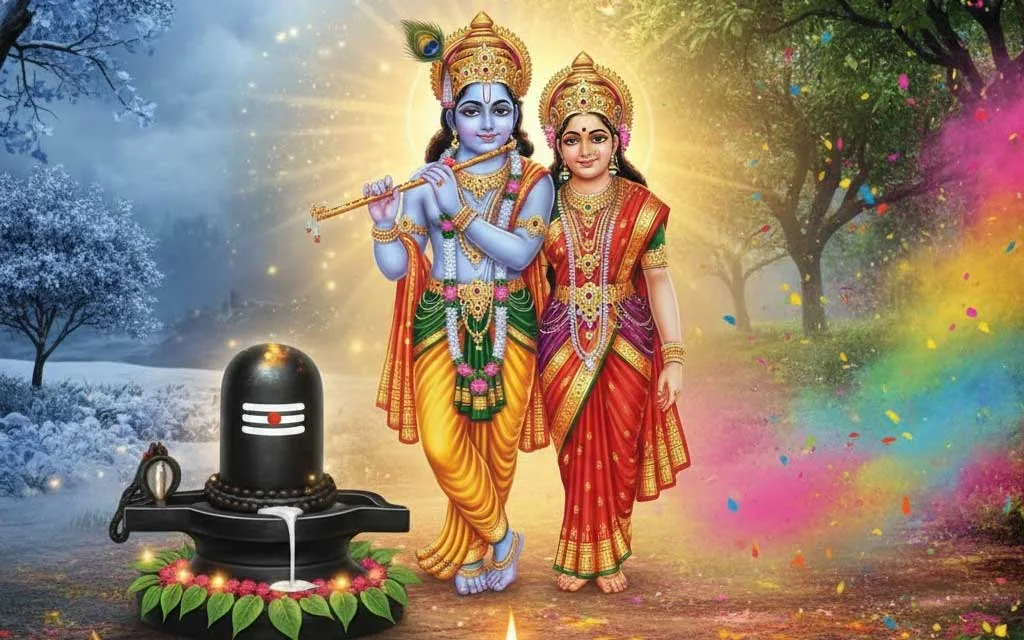
Phalguna Masam 2026: End Date, Start Date, Importance, Rituals & Festivals
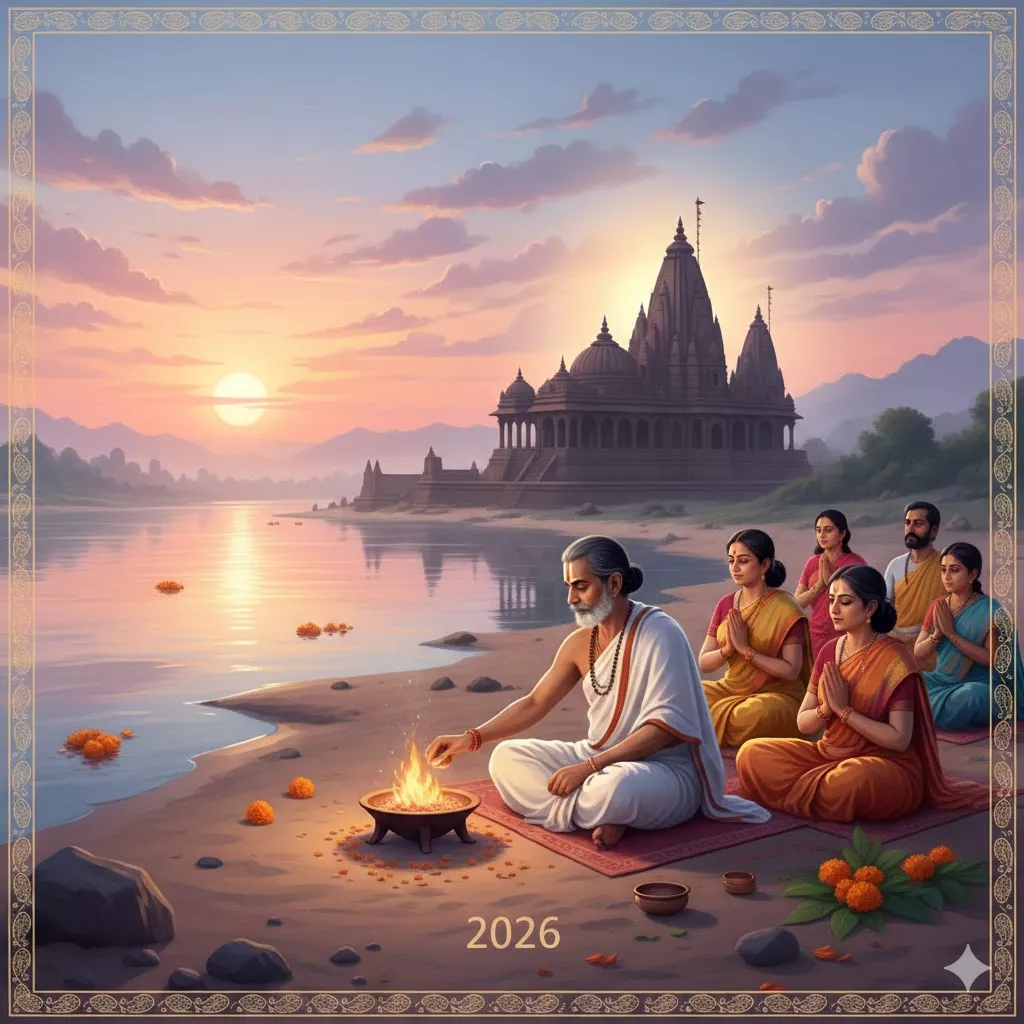
Phalguna Amavasya 2026: Importance, Pitra Puja Vidhi & Dos and Don’ts
