The Importance of Sanskrit Slokas in Child Development
Celebrating the Timeless Wisdom of Sanatana Dharma In Sanatana Dharma, Sanskrit is not just a language—it is Devavani, the divine speech of the gods.
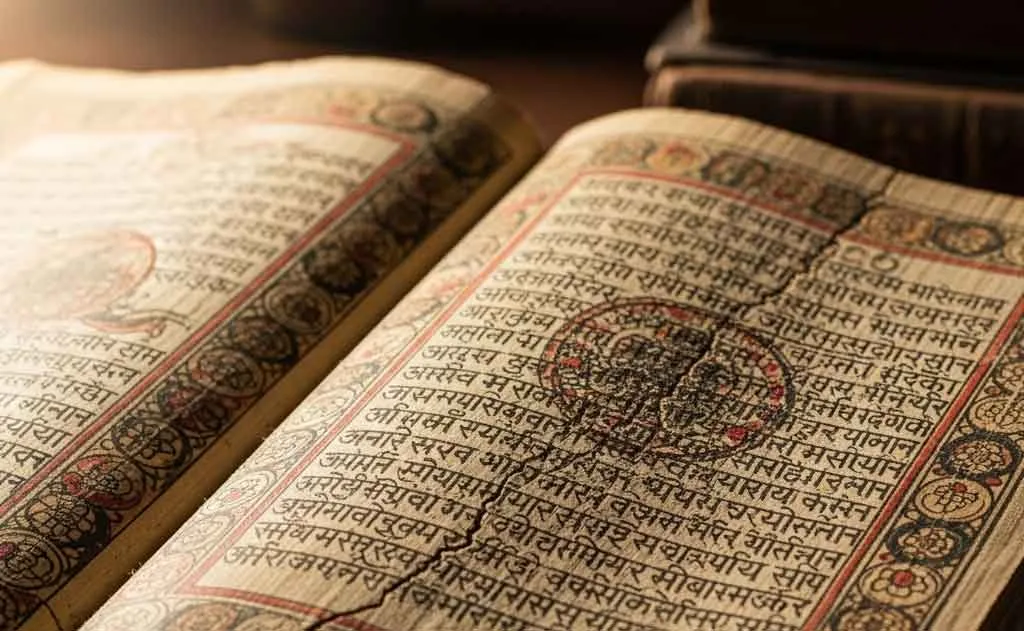
Celebrating the Timeless Wisdom of Sanatana Dharma In Sanatana Dharma, Sanskrit is not just a language—it is Devavani, the divine speech of the gods.
Celebrating the Timeless Wisdom of Sanatana Dharma
In Sanatana Dharma, Sanskrit is not just a language—it is Devavani, the divine speech of the gods. Every syllable carries vibrations that influence the mind, body, and soul. From ancient times, our Rishis (sages) have emphasized the recitation of Sanskrit slokas to shape a child’s character, intellect, and spiritual foundation. These slokas are not merely prayers; they are tools for mental clarity, memory enhancement, emotional stability, and the cultivation of virtues.
In today’s fast-paced and digital-driven life, teaching children the ancient treasure of Sanskrit slokas can be one of the most profound gifts parents can offer.
1. Why Sanskrit Slokas Are Important for Children
Children’s minds are like fresh clay—malleable, impressionable, and receptive to deep learning. Reciting Sanskrit slokas at an early age benefits them in multiple dimensions:
a) Enhances Memory and Concentration
The rhythmic chanting of slokas stimulates both hemispheres of the brain, improving memory retention and focus. Scientific research has shown that chanting in specific meters strengthens neural pathways related to learning.
b) Improves Pronunciation and Speech
Sanskrit, with its precise phonetics, improves a child’s articulation and clarity of speech. This also boosts confidence in communication.
c) Instills Moral and Spiritual Values
Slokas from sacred texts like the Bhagavad Gita, Ramayana, and Vedas are rich in moral lessons, teaching children the values of truth, respect, humility, and compassion.
d) Reduces Stress and Anxiety
Chanting creates soothing vibrations that calm the mind, even in children. This builds emotional resilience and inner peace.
e) Strengthens Cultural Roots
Learning slokas connects children with their spiritual heritage, fostering pride in Sanatana Dharma and reverence for Hindu traditions.
2. The Science Behind the Vibrations of Sanskrit
Our Rishis discovered that Sanskrit syllables produce vibrations that harmonize the energy centers (chakras) in the body. For example:
- The sound "Om" resonates with the crown chakra, promoting peace and spiritual connection.
- The syllable "Shreem" is associated with prosperity and mental clarity.
When children chant slokas daily, their subtle energy channels (nadis) are purified, creating a foundation for lifelong mental and spiritual well-being.
3. Ideal Time to Teach Slokas
- Morning Hours (Brahma Muhurta) are best for chanting—between 4:00 AM and 6:00 AM.
- Alternatively, chanting after bathing in the morning or before bed can help children absorb the vibrations deeply.
4. Easy Sanskrit Slokas for Children
Here are some beautiful, simple slokas that every child can learn. Parents can begin with short ones and gradually introduce longer verses.
a) For Wisdom and Knowledge
Saraswati Vandana
CopyEditया कुन्देन्दुतुषारहारधवला या शुभ्रवस्त्रावृता।
या वीणावरदण्डमण्डितकरा या श्वेतपद्मासना॥
या ब्रह्माच्युतशंकरप्रभृतिभिर्देवैः सदा वन्दिता।
सा मां पातु सरस्वती भगवती निःशेषजाड्यापहा॥
Meaning: O Goddess Saraswati, adorned with the veena and seated on a white lotus, you are revered by Brahma, Vishnu, and Shiva. Bless me with wisdom and remove my ignorance.
b) For Health and Protection
Mahāmṛtyuñjaya Mantra
CopyEditॐ त्र्यम्बकं यजामहे सुगन्धिं पुष्टिवर्धनम्।
उर्वारुकमिव बन्धनान् मृत्योर्मुक्षीय माऽमृतात्॥
Meaning: We worship the three-eyed Lord Shiva who nourishes us. May He liberate us from the bondage of death, like a cucumber separated from its stalk, granting us immortality.
c) For Peace
Shanti Mantra (Yajurveda)
CopyEditॐ सर्वे भवन्तु सुखिनः सर्वे सन्तु निरामयाः।
सर्वे भद्राणि पश्यन्तु मा कश्चिद्दुःखभाग्भवेत्॥
ॐ शान्तिः शान्तिः शान्तिः॥
Meaning: May all be happy, may all be healthy, may all see auspiciousness, and may none suffer. Peace, peace, peace.
d) For Daily Gratitude
Guru Mantra
CopyEditगुरुर्ब्रह्मा गुरुर्विष्णुः गुरुर्देवो महेश्वरः।
गुरुः साक्षात् परब्रह्म तस्मै श्रीगुरवे नमः॥
Meaning: The Guru is Brahma, Vishnu, and Maheshwara. The Guru is the Supreme Brahman. I bow to that revered Guru.
e) For Strength and Energy
Hanuman Chalisa Opening Verse (Short)
CopyEditजय हनुमान ज्ञान गुण सागर।
जय कपीस तिहुँ लोक उजागर॥
Meaning: Victory to Hanuman, the ocean of wisdom and virtue, who brings light to the three worlds.
5. Tips for Parents to Teach Slokas Effectively
- Start with Short Verses – Begin with two-line slokas before progressing to longer ones.
- Chant Together – Make it a family activity to increase bonding and consistency.
- Explain the Meaning – Children connect better when they understand the purpose of the sloka.
- Use Melody – Musical chanting makes learning fun and memorable.
- Daily Routine – Even 5–10 minutes a day builds a lifelong habit.
6. Long-Term Impact of Sloka Chanting
Children who grow up chanting slokas often show:
- Stronger focus in academics.
- Emotional stability during challenges.
- Respect for elders and cultural traditions.
- A compassionate and positive outlook towards life.
Conclusion
Teaching Sanskrit slokas to children is not just a religious act—it is an investment in their overall development. It nurtures their intellect, emotional strength, spiritual connection, and moral grounding. In a world filled with distractions, slokas act as a compass, guiding them towards dharma, self-discipline, and inner peace.
As parents, let us gift our children the eternal sound vibrations of Sanatana Dharma, so that the sacred wisdom of our ancestors continues to illuminate generations to come.
Frequently Asked Questions
What is the best time to teach children Sanskrit slokas?
Brahma Muhurta, between 4:00 AM and 6:00 AM, is considered best for chanting. Chanting after a morning bath or before bed also helps children absorb the vibrations.
Which easy slokas can a child start with?
Good starters are the Saraswati Vandana for wisdom, the Mahamrityunjaya Mantra for health and protection, a Shanti Mantra for peace, the Guru Mantra for gratitude, and the opening verse of the Hanuman Chalisa for strength.
How can parents teach slokas effectively?
Begin with two-line verses, chant together as a family, explain the meaning, and use a melody to make learning fun. Even 5 to 10 minutes a day builds a lasting habit.
How does chanting slokas help a child's speech and memory?
The rhythmic chanting is said to improve memory retention and focus, while Sanskrit's precise phonetics improves articulation and clarity of speech. This also boosts confidence in communication.
What values do slokas teach children?
Slokas from the Bhagavad Gita, Ramayana and Vedas carry lessons on truth, respect, humility and compassion. They also connect children with their spiritual heritage and Hindu traditions.
Can families living abroad teach slokas at home?
Yes. Slokas need only a short daily routine, so NRI parents can chant together at home, start with short verses and explain the meaning to keep children connected to their roots.
You might also like

Sanskrit Mantras: Unlocking the Power of Sound and Vibration
Understanding the Importance of Sanskrit in Hindu Mantras and Slokas

Powerful Mantras for Students & Parents Before Joining School