Prime Minister Narendra Modi Need to take a leading role in addressing the plight of Hindus in Bangladesh
Stopping attacks on Hindus in Bangladesh is a complex issue that requires a multifaceted approach involving diplomacy, regional cooperation, and internal…
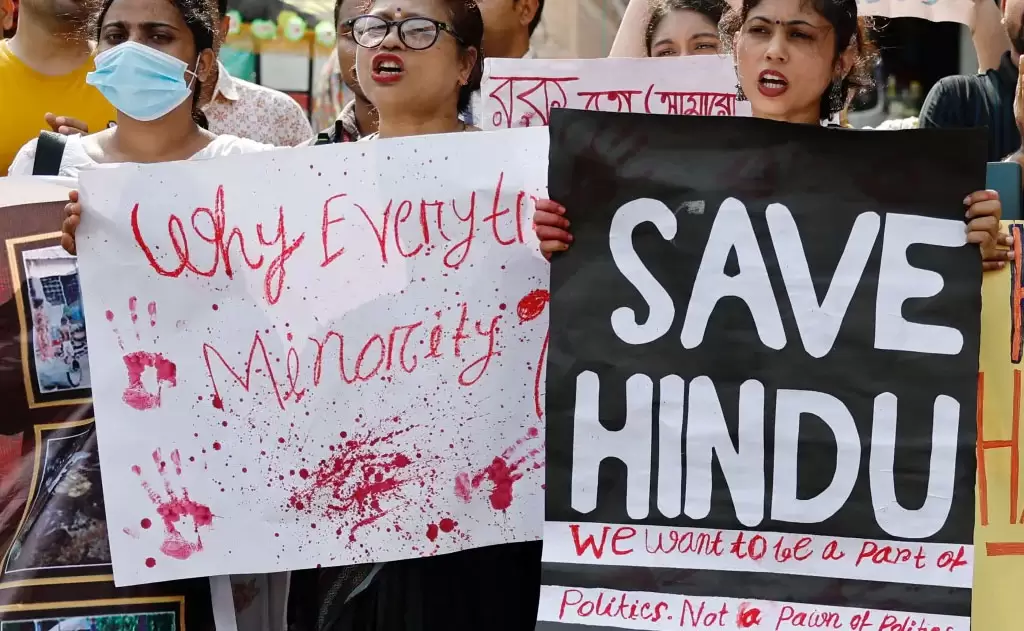
Stopping attacks on Hindus in Bangladesh is a complex issue that requires a multifaceted approach involving diplomacy, regional cooperation, and internal socio-political measures. Prime Minister Narendra Modi and India, as a key regional power, can adopt a combination of proactive and strategic steps to ensure the safety and well-being of Hindus in Bangladesh. Here's a detailed outline:
- Strengthening Diplomatic Channels Bilateral Talks with Bangladesh:
Engage with Bangladesh at the highest levels to emphasize the importance of protecting minorities, including Hindus, as a part of its constitutional commitment. Use platforms like the Joint Consultative Commission to raise concerns about specific incidents and urge strong action against perpetrators. Monitoring Mechanisms:
Propose the creation of a joint mechanism to monitor and address communal violence in Bangladesh, focusing on protecting minorities and upholding human rights. Leveraging SAARC and BIMSTEC:
Use regional platforms like SAARC and BIMSTEC to bring attention to the issue of minority safety and push for collective accountability in addressing communal violence.
2. International Pressure Human Rights Advocacy:
Highlight attacks on Hindus in Bangladesh in international forums such as the United Nations and its affiliated bodies, like the Human Rights Council (UNHRC), to generate global pressure on the Bangladeshi government. Strategic Allies:
Collaborate with allies like the United States, the European Union, and Japan to diplomatically nudge Bangladesh to ensure minority rights are upheld. Cultural Diplomacy:
Promote the cultural and historical contributions of Hindus in Bangladesh through international events to foster global awareness and support.
3. Providing Support to the Hindu Community in Bangladesh Economic and Social Assistance:
Provide financial aid through non-governmental organizations (NGOs) and international agencies for rebuilding temples, homes, and livelihoods destroyed in communal attacks. Offer scholarships or cultural exchanges to Bangladeshi Hindu students and professionals to empower the community. Cross-Border Rehabilitation:
Work on policies to support displaced Hindus who may seek temporary refuge in India due to violence, while encouraging their eventual safe return with dignity.
4. Enhancing Security Cooperation Information Sharing:
Share intelligence with Bangladeshi authorities regarding extremist groups or individuals targeting minorities, fostering a cooperative approach to counter threats. Border Vigilance:
Strengthen the India-Bangladesh border to prevent the influx of extremists and smuggling of arms that might contribute to communal unrest. Counter-Terrorism Support:
Provide training and resources to Bangladeshi security forces to counter extremist elements responsible for orchestrating attacks.
5. Promoting Moderate Voices in Bangladesh Engaging Civil Society:
Collaborate with Bangladeshi civil society organizations, moderate political leaders, and media to promote secularism and tolerance. Youth and Educational Outreach:
Encourage programs that educate Bangladeshi youth about pluralism, tolerance, and the importance of protecting minority rights. Religious Harmony Initiatives:
Support interfaith dialogues in Bangladesh involving Hindus, Muslims, Buddhists, and Christians to build communal harmony.
6. Leveraging Economic Ties Economic Diplomacy:
Bangladesh is highly dependent on India for trade and transit. India can use this leverage to pressurize the Bangladeshi government to act decisively against anti-Hindu violence. Conditional Aid:
Tie Indian developmental assistance to demonstrable improvements in minority safety and religious tolerance.
7. Domestic and Regional Messaging Public Support for Harmony:
Use platforms like the International Day for Tolerance or World Interfaith Harmony Week to call for an end to violence against minorities in South Asia. Discourage Communal Backlash in India:
Prevent any retaliatory communal violence in India, which could worsen the situation for Hindus in Bangladesh and harm India-Bangladesh relations.
8. Modi’s Leadership Role Public Statements:
PM Modi should make strong public statements against attacks on Hindus in Bangladesh, emphasizing India’s commitment to protecting minorities globally. Visits to Hindu Temples in Bangladesh:
During official visits, Modi can symbolically visit Hindu temples in Bangladesh to highlight the importance of protecting their heritage. Personal Engagement with Sheikh Hasina:
Develop a personal rapport with Bangladeshi PM Sheikh Hasina, encouraging her government to take stringent actions against radical elements. Challenges India Must Navigate Avoiding Interference Allegations:
India must be careful not to be seen as meddling in Bangladesh’s internal affairs, which could provoke anti-India sentiments. Preventing Polarization:
India must ensure that advocating for Hindus in Bangladesh does not inadvertently polarize communities within India or Bangladesh. Long-Term Trust Building:
While addressing specific incidents, India should focus on fostering long-term institutional changes in Bangladesh that benefit all minorities. Conclusion India and Prime Minister Narendra Modi can take a leading role in addressing the plight of Hindus in Bangladesh through a combination of diplomacy, international advocacy, and economic and security cooperation. By maintaining a firm yet balanced approach, India can safeguard the interests of Hindus in Bangladesh while strengthening bilateral ties and fostering regional stability.
Frequently Asked Questions
How can India use diplomacy to protect Hindus in Bangladesh?
India can raise minority protection in high-level bilateral talks and through the Joint Consultative Commission, and propose a joint mechanism to monitor communal violence. It can also use SAARC and BIMSTEC to push for collective accountability.
What role can international forums play for Hindus in Bangladesh?
Attacks on Hindus can be highlighted at the United Nations and the Human Rights Council to build global pressure. India can also work with allies such as the United States, the European Union and Japan to nudge Bangladesh to uphold minority rights.
How can economic ties help protect minorities in Bangladesh?
Bangladesh depends heavily on India for trade and transit, which gives India leverage. Indian developmental assistance can also be tied to demonstrable improvements in minority safety and religious tolerance.
What support can be given to Hindu victims of attacks in Bangladesh?
Financial aid through NGOs and international agencies can help rebuild temples, homes and livelihoods. Scholarships and cultural exchanges can empower Hindu students and professionals, and displaced Hindus seeking temporary refuge in India can be supported until a safe, dignified return.
What challenges must India avoid when speaking up for Bangladeshi Hindus?
India must avoid appearing to meddle in Bangladesh's internal affairs, which could provoke anti-India sentiment. It must also avoid polarizing communities in either country and prevent retaliatory communal violence in India, which could worsen the situation for Hindus in Bangladesh.
Share this with family and friends
Send it on WhatsApp, post it, or copy the link.
More from News
- Aurora Hindu Temple Shooting Plot Foiled: Illinois Teen Charged After Rifle Jammed, Police Say
- Hindu Temples Abroad News, October 2026: Neasden's 42-Foot Tapomurti, Maha Annakut, Paris Mandir Hosts UNESCO Diplomats, Abu Dhabi Prayers
- Hindu Temple News, October 2026: Tirumala Navaratri Brahmotsavam, Sabarimala Security, Kashi's New CEO and Puri Updates
- Hindu Festival News, October 2026: Kullu Dussehra, Bastar, Delhi Ramlila, Gujarat Garba, Bathukamma, Chhath and Ayodhya Deepotsav
- Festival Special Trains 2026: Dasara, Diwali and Chhath Specials Announced So Far, Route by Route
You might also like

The Kerala Story 2: Goes Beyond – Complete Review for Hindus
Even If Firms Lay Off 50% Workforce Due to AI, Business Will Increase: Says Microsoft VP – What It Means for India and Hindu Youth
TCS Nashik Employees Allegations: Sexual Harassment & Forced Conversion Claims Emerge at Tata Consultancy Services BPO