Janmashtami 2025: Date, Significance, Rituals, and Celebrations
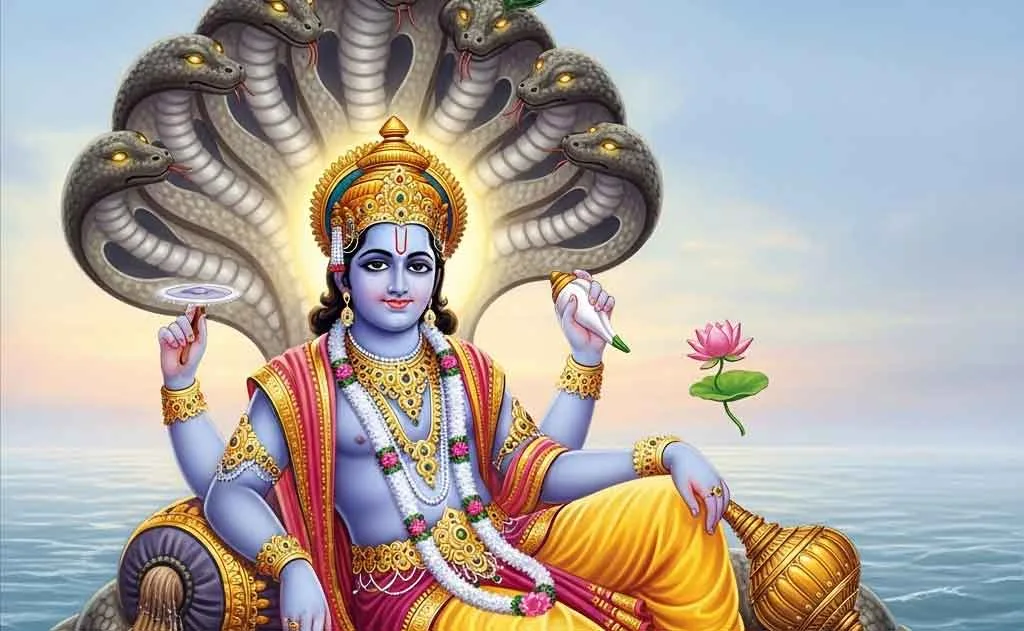
Krishna Janmashtami, one of the most revered Hindu festivals, celebrates the divine birth of Lord Krishna, the eighth incarnation of Lord Vishnu.

Krishna Janmashtami, one of the most revered Hindu festivals, celebrates the divine birth of Lord Krishna, the eighth incarnation of Lord Vishnu.
Krishna Janmashtami, one of the most revered Hindu festivals, celebrates the divine birth of Lord Krishna, the eighth incarnation of Lord Vishnu. This sacred occasion, also known as Gokulashtami, Krishnashtami, or Sri Jayanti, is marked by devotion, fasting, and vibrant celebrations across India and beyond. In 2025, Janmashtami will be a spiritually enriching event, offering devotees an opportunity to connect with Lord Krishna’s teachings of love, righteousness, and devotion. This comprehensive guide explores the Janmashtami 2025 date, Krishna Janmashtami significance, Janmashtami puja vidhi, fasting rules, and regional variations, including the differences between Smarta and Vaishnava traditions, to help you prepare for a divine celebration.
Janmashtami 2025 Date and Puja Muhurat
Krishna Janmashtami 2025 will be celebrated on August 15–16, 2025, as the festival often spans two days due to the lunar calendar and regional traditions. According to the Hindu Panchang, Janmashtami falls on the Ashtami Tithi (eighth day) of the Krishna Paksha (waning moon phase) in the Bhadrapada month. The Ashtami Tithi for 2025 is expected to begin at 11:49 PM on August 15, 2025, and end at 9:34 PM on August 16, 2025. The most auspicious time for performing the Janmashtami puja, known as Nishita Kaal (midnight hour), is when Lord Krishna is believed to have been born. The Nishita Puja Muhurat for Janmashtami 2025 is from 12:04 AM to 12:47 AM on August 16, 2025, lasting approximately 43 minutes.https://www.amarujala.com/photo-gallery/spirituality/festivals/krishna-janmashtami-2025-know-tithi-puja-vidhi-and-its-importance-in-hindi-2025-05-28
The Rohini Nakshatra, which enhances the spiritual significance of the festival, begins at 4:38 AM on August 17, 2025, and ends at 3:17 AM on August 18, 2025. The Parana (fast-breaking) time is after sunrise on August 17, 2025, once both Ashtami Tithi and Rohini Nakshatra have ended. If these do not conclude before sunset, devotees may break their fast when either condition is met.https://www.livehindustan.com/astrology/janmashtami-2025-date-when-is-krishna-janmashtami-in-2025-after-15-august-201724641817085.html
Why Two Dates for Janmashtami 2025?
Janmashtami is often listed on two consecutive days due to differences in the Smarta and Vaishnava traditions. The Smarta Sampradaya prioritizes the Nishita Kaal (midnight) and may observe Janmashtami on August 15, 2025, if Ashtami Tithi prevails during midnight, even if it falls on Saptami Tithi. The Vaishnava Sampradaya, including followers of ISKCON (International Society for Krishna Consciousness), strictly adheres to the Ashtami Tithi and Rohini Nakshatra, celebrating on August 16, 2025, and never on Saptami. In North India, the Vaishnava date, influenced by ISKCON, is widely followed, especially in regions like Mathura and Vrindavan.https://www.moneycontrol.com/religion/krishna-janmashtami-2025-date-when-is-krishna-janmashtami-this-year-article-13280348.html
Krishna Janmashtami Significance
Krishna Janmashtami commemorates the birth of Lord Krishna, born to Devaki and Vasudev in Mathura under divine circumstances to defeat the tyrant King Kansa and restore dharma (righteousness). As the eighth avatar of Lord Vishnu, Krishna’s life and teachings, particularly in the Bhagavad Gita, offer timeless guidance on duty, devotion, and living a righteous life. His playful childhood, profound wisdom, and divine leelas (pastimes) inspire millions to lead lives rooted in love, humility, and spiritual discipline.
The festival holds immense spiritual significance, as it is believed that observing the Janmashtami vrat (fast) and performing puja with devotion can purify the soul, remove negative karma, and attract Krishna’s blessings for peace, prosperity, and liberation. The alignment of Ashtami Tithi and Rohini Nakshatra in 2025 makes this celebration astrologically powerful for spiritual growth, emotional healing, and overcoming obstacles caused by planetary influences like a weak Moon or afflicted Jupiter.https://www.pawankaushik.com/janmashtami-2025-date-significance-and-rituals/
Janmashtami also symbolizes the triumph of good over evil, as Krishna’s birth marked the beginning of the end of Kansa’s tyranny. Devotees reflect on his teachings, which emphasize living with purpose, practicing self-discipline, and fostering a deep connection with the divine. The festival strengthens the bond between devotees and Krishna, encouraging them to embrace his qualities of compassion, wisdom, and playfulness.
Janmashtami Puja Vidhi
The Janmashtami puja vidhi is a sacred ritual performed to honor Lord Krishna, typically during the Nishita Kaal at midnight. The Shodashopachara Puja, a 16-step ceremonial worship, is followed by devotees to invoke Krishna’s blessings. Below is a detailed guide to performing the Janmashtami puja at home:
Preparation for Puja
- Cleanse the Home and Puja Space: Wake up early on August 15 or 16, 2025, take a holy bath, and clean your home, especially the puja room. Sprinkle Ganga water to purify the altar.https://www.indiatimes.com/events/masik-krishna-janmashtami-2025-know-dates-time-laddu-gopal-puja-vidhi-significance-aarti-vrat-katha-653113.html
- Decorate the Puja Area: Create a small cradle or jhula for Bal Gopal (baby Krishna) using a silver or brass cradle. Adorn the space with yellow flowers, peacock feathers, diyas (earthen lamps), and rangolis. Place the Krishna idol in the northeast direction (Ishan Kon) for positive energy.https://www.pawankaushik.com/janmashtami-2025-date-significance-and-rituals/
- Gather Puja Samagri: Collect essential items, including an idol or picture of Bal Gopal, Ganga water, panchamrit (milk, curd, ghee, honey, sugar), tulsi leaves, makhan (butter), mishri (sugar crystals), fruits, sweets, incense sticks, camphor, betel leaves, and a ghee diya.
Shodashopachara Puja Steps
- Dhyana (Meditation): Begin by meditating on Lord Krishna, visualizing his divine form.
- Aavahan (Invocation): Invite Lord Krishna to the puja with folded hands and chant “Om Namo Bhagavate Vasudevaya.”
- Aasan (Offering a Seat): Offer a seat to the deity symbolically.
- Padya (Washing Feet): Wash the idol’s feet with water.
- Arghya (Offering Water): Offer water mixed with sandalwood or flowers.
- Achaman (Sipping Water): Offer water for sipping to purify the deity.
- Snana (Bathing): Bathe the idol with panchamrit, followed by clean water.
- Vastra (Clothing): Adorn Bal Gopal with new clothes and jewelry.
- Yagnopaveet (Sacred Thread): Offer a sacred thread to the deity.
- Gandha (Sandalwood Paste): Apply sandalwood paste or tilak on the idol’s forehead.
- Pushpa (Flowers): Offer fresh flowers, especially tulsi leaves, which are dear to Krishna.
- Dhoop (Incense): Light incense sticks and wave them before the idol.
- Deepa (Lamp): Light a ghee diya and offer it to Krishna.
- Naivedya (Food Offerings): Offer makhan, mishri, kheer, fruits, and Chappan Bhog (56 dishes) as prasad.https://www.indiatimes.com/events/masik-krishna-janmashtami-2025-know-dates-time-laddu-gopal-puja-vidhi-significance-aarti-vrat-katha-653113.html
- Aarti: Perform the Krishna aarti, singing devotional songs like “Aarti Kunj Bihari Ki.”
- Pradakshina and Namaskara (Circumambulation and Salutation): Walk around the idol and bow in reverence.
Chanting Mantras
Chant the Hare Krishna Maha Mantra: “Hare Krishna, Hare Krishna, Krishna Krishna, Hare Hare, Hare Rama, Hare Rama, Rama Rama, Hare Hare.” Additionally, recite “Om Namo Bhagavate Vasudevaya” 108 times and verses from the Bhagavad Gita for spiritual elevation.https://www.pawankaushik.com/janmashtami-2025-date-significance-and-rituals/
Post-Puja Rituals
- At midnight, unveil the decorated Bal Gopal idol, symbolizing Krishna’s birth.
- Offer prasad to family and friends after the aarti.
- Break the fast after the Nishita Puja, consuming prasad, fruits, or sattvik foods like sabudana khichdi or makhana kheer.https://hinditerminal.com/en/festivals/janmashtami-2025-date-puja-timing-rituals-significance-celebrations-home/
Fasting Rules for Janmashtami 2025
Fasting is a key aspect of Janmashtami, symbolizing devotion and purification of the body and mind. Devotees undertake the Janmashtami vrat with a sankalpa (resolve) after morning rituals. Here are the fasting guidelines:
- Nirjala Vrat: Some devotees observe a strict waterless fast, abstaining from food and water until midnight.
- Phalahar Vrat: Others consume fruits, milk, and sattvik foods like sabudana khichdi, singhare ke atte ka halwa, or makhana kheer, avoiding grains, pulses, and salt.https://hinditerminal.com/en/festivals/janmashtami-2025-date-puja-timing-rituals-significance-celebrations-home/
- Single Meal Rule: Eat only one meal the day before Janmashtami to prepare for the fast.https://www.drikpanchang.com/dashavatara/lord-krishna/krishna-janmashtami-date-time.html?year=2025
- Sankalpa: Take a vow to fast after morning rituals, pledging to break it only after Ashtami Tithi and Rohini Nakshatra end, or when either condition is met.https://www.drikpanchang.com/iskcon/lord/krishna-janmashtami-date-time.html?year=2025
- Parana: Break the fast on August 17, 2025, after sunrise, ideally after 5:50 AM, once both Ashtami Tithi and Rohini Nakshatra have concluded. Offer Arghya to the Moon God before breaking the fast.https://timesofindia.indiatimes.com/religion/rituals-puja/masik-krishna-janmashtami-may-2025-date-puja-time-rituals-and-significance/articleshow/121219623.cms
Regional Variations: Smarta vs. Vaishnava Traditions
The celebration of Janmashtami varies between the Smarta and Vaishnava traditions, influencing the choice of date and rituals:
Smarta Sampradaya
- Date Preference: Smarta followers prioritize Nishita Kaal (midnight) and may celebrate on August 15, 2025, if Ashtami Tithi prevails during midnight, even on Saptami Tithi. They follow Vedic texts like Dharmasindhu and Nirnaysindhu for precise calculations.https://www.moneycontrol.com/religion/krishna-janmashtami-2025-date-when-is-krishna-janmashtami-this-year-article-13280348.html
- Rituals: Smarta rituals emphasize traditional practices, with a focus on midnight puja and simpler celebrations. They may not strictly require Rohini Nakshatra.
Vaishnava Sampradaya
- Date Preference: Vaishnavas, including ISKCON followers, celebrate on August 16, 2025, prioritizing Ashtami Tithi and Rohini Nakshatra, never observing Janmashtami on Saptami.https://www.moneycontrol.com/religion/krishna-janmashtami-2025-date-when-is-krishna-janmashtami-this-year-article-13280348.html
- Rituals: Vaishnava celebrations are elaborate, with grand temple festivities, kirtans, and Raslila performances. ISKCON temples worldwide organize vibrant events, attracting devotees globally.https://hinditerminal.com/en/festivals/janmashtami-2025-date-puja-timing-rituals-significance-celebrations-home/
In North India, particularly in the Braj region (Mathura and Vrindavan), the Vaishnava date is widely followed due to ISKCON’s influence. However, Smarta followers adhere to traditional Vedic rules, creating a distinction in observance.https://www.drikpanchang.com/dashavatara/lord-krishna/krishna-janmashtami-date-time.html?year=2025
Regional Celebrations Across India
Janmashtami is celebrated with unique traditions across India, reflecting regional diversity:
- Mathura and Vrindavan (Uttar Pradesh): As Krishna’s birthplace, these cities host grand celebrations with Raslila performances, temple processions, and jhankis depicting Krishna’s leelas. Devotees throng the Shri Krishna Janmabhoomi Temple.https://stablemoney.in/blog/krishna-janmashtami
- Maharashtra: The Dahi Handi ritual, where young men form human pyramids to break a pot of curd or butter, symbolizes Krishna’s love for dairy. Gopalkala, a dish made of poha, curd, and spices, is a traditional offering.https://hinditerminal.com/en/festivals/janmashtami-2025-date-puja-timing-rituals-significance-celebrations-home/
- Tamil Nadu: Devotees create colorful kolams (rangolis) and offer payasam (rice pudding) to Krishna. The festival is known as Sri Jayanti or Ashtami Rohini.https://stablemoney.in/blog/krishna-janmashtami
- West Bengal: Bengalis fast, offer sweets like rasgulla and sandesh, and participate in devotional gatherings.https://stablemoney.in/blog/krishna-janmashtami
- Manipur: The Manipuri Ras, a classical dance form depicting Krishna-Radha leelas, is performed with devotion. Children play games like Likol Sannaba.https://www.rudraksha-ratna.com/articles/janmashtami
- Odisha: Known as Sri Jayanti, celebrations in Puri include puja at the Jagannath Temple and community prayers at Namghars.https://www.rudraksha-ratna.com/articles/janmashtami
Tips for a Memorable Janmashtami 2025 Celebration
- Decorate Your Home: Use eco-friendly decorations like flowers, diyas, and rangolis. Paint tiny footprints from the entrance to the puja room to symbolize Krishna’s arrival.https://www.rudraksha-ratna.com/articles/janmashtami
- Engage Children: Dress kids as Krishna or Radha, organize skits based on Krishna’s childhood, or create peacock feather crafts.https://hinditerminal.com/en/festivals/janmashtami-2025-date-puja-timing-rituals-significance-celebrations-home/
- Chant and Sing: Participate in bhajans, kirtans, or Raslila performances. Recite the Bhagavad Gita or Krishna Chalisa for spiritual upliftment.https://www.drikpanchang.com/iskcon/lord/krishna-janmashtami-date-time.html?year=2025
- Visit Sacred Sites: If possible, travel to Mathura, Vrindavan, or Dwarka for grand celebrations. ISKCON temples worldwide also host vibrant events.https://hinditerminal.com/en/festivals/janmashtami-2025-date-puja-timing-rituals-significance-celebrations-home/
- Eco-Friendly Practices: Use sustainable decorations and avoid plastic to align with Krishna’s love for nature.https://stablemoney.in/blog/krishna-janmashtami
- Share Prasad: Distribute makhan, mishri, and sattvik dishes like Gopalkala to spread joy and blessings.https://hinditerminal.com/en/festivals/janmashtami-2025-date-puja-timing-rituals-significance-celebrations-home/
Conclusion
Krishna Janmashtami 2025, celebrated on August 15–16, 2025, is a divine opportunity to immerse in Lord Krishna’s teachings and celebrate his birth with devotion. By understanding the Janmashtami 2025 date, puja muhurat, fasting rules, and regional variations like Smarta and Vaishnava traditions, devotees can plan a spiritually fulfilling celebration. Whether you perform the Janmashtami puja vidhi at home, participate in Dahi Handi, or visit sacred sites like Mathura, let this festival deepen your connection with Krishna’s eternal wisdom. May Lord Krishna bless you with love, peace, and prosperity this Janmashtami!
Celebrate Janmashtami 2025 with devotion and joy at www.hindutone.com, your guide to Hindu festivals and spiritual practices.
Frequently Asked Questions
What is Janmashtami?
Krishna Janmashtami, one of the most revered Hindu festivals, celebrates the divine birth of Lord Krishna, the eighth incarnation of Lord Vishnu. This sacred occasion, also known as Gokulashtami, Krishnashtami, or Sri Jayanti, is marked by devotion, fasting, and vibrant celebrations across India and beyond.
What are the key points about Janmashtami?
In 2025, Janmashtami will be a spiritually enriching event, offering devotees an opportunity to connect with Lord Krishna’s teachings of love, righteousness, and devotion. This comprehensive guide explores the Janmashtami 2025 date , Krishna Janmashtami significance , Janmashtami puja vidhi , fasting rules, and regional variations, includ
Why does Janmashtami matter in Hinduism?
It reflects core values of Sanatana Dharma and offers practical and spiritual guidance that remains relevant across generations.
How can devotees apply Janmashtami in daily life?
By reflecting on its teaching, incorporating the related practices or observances into daily routine, and approaching it with sincere devotion and understanding.
You might also like
The Resolve of a Monk – A Divine Incident Showcasing Kanchi Paramacharya’s Compassion
Sri Medha Dakshinamurthy Swami Dhyanam | Meditation Sloka for Intelligence, Eloquence & Self-Realization
Devshayani Ekadashi 2026: Chaturmas Begins — Date & Significance (July 25)