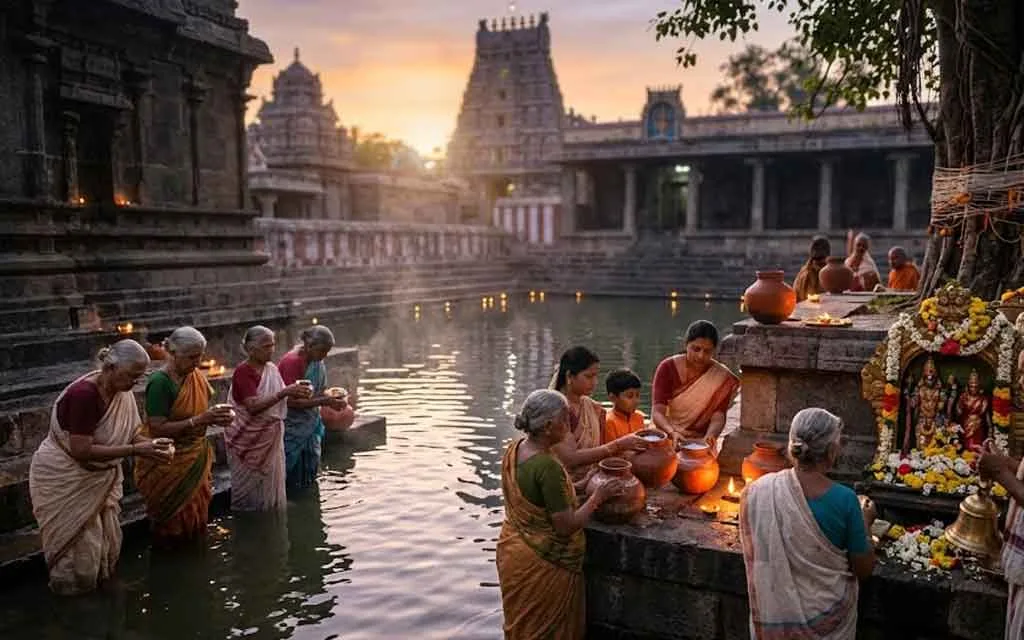
Shivaya Namaha – A Soulful Surrender to Mahadev: The Embodiment of Moksha and Cosmic Wisdom
In the tranquil stillness of dawn, when the heart whispers sacred hymns and the soul seeks silence, the chant of "Shivaya Namaha" rises like a prayer etched in…
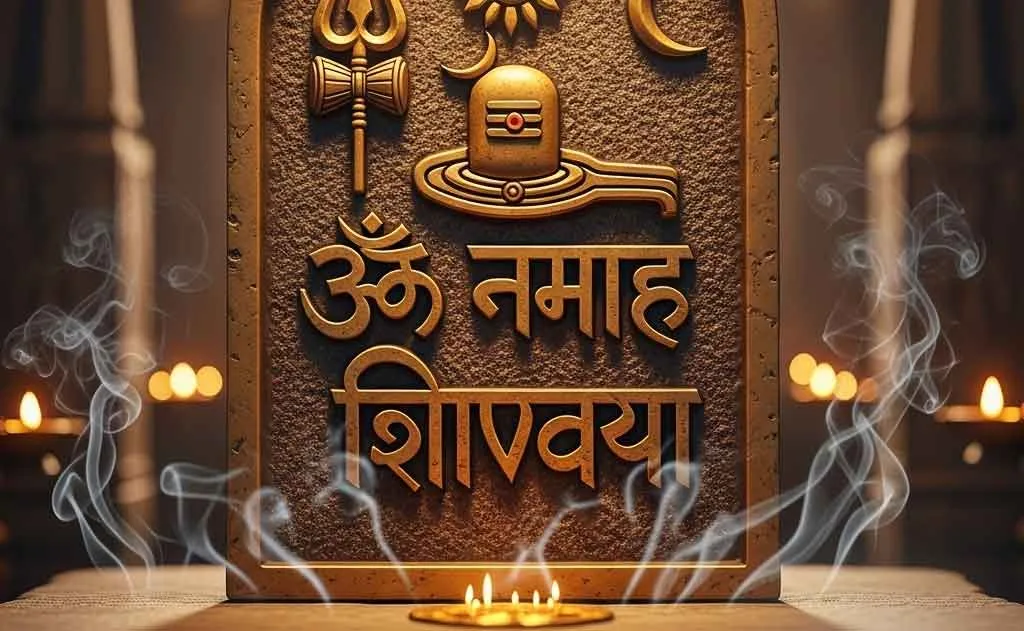
In the tranquil stillness of dawn, when the heart whispers sacred hymns and the soul seeks silence, the chant of "Shivaya Namaha" rises like a prayer etched in…
In the tranquil stillness of dawn, when the heart whispers sacred hymns and the soul seeks silence, the chant of "Shivaya Namaha" rises like a prayer etched in time.
It is not merely a mantra—it is a cosmic call to the eternal, the indestructible, the supreme consciousness that dwells beyond time and form.
On this sacred day, let us immerse ourselves in the glory of Lord Shiva, the embodiment of Moksha, and reflect on the deep meaning behind the powerful Vedic chant:
Tatpurushaya Vidmahe
Mahadevaya Dhimahi
Tanno Rudrah Prachodayat
This divine mantra from the Shiva Gayatri holds profound significance—it illuminates the path of liberation and guides the seeker toward spiritual awakening. It is the soul’s surrender to the cosmic force that dissolves ignorance and grants freedom.
The Essence of "Shivaya Namaha"
“Shivaya Namaha” means I bow to Shiva, the auspicious one. But this simple chant conceals layers of deep meaning:
- Shiva is not just a deity—He is pure consciousness, untouched by birth or death.
- Namaha signifies total surrender, the dissolution of ego.
- Chanting “Shivaya Namaha” aligns our mind, body, and soul with Shiva’s infinite energy, invoking peace, detachment, and transformation.
It is said in the scriptures that even a single, heartfelt chant of Namah Shivaya purifies lifetimes of karma.
Tatpurushaya Vidmahe: The Meaning Behind the Shiva Gayatri
Let’s break down the Shiva Gayatri mantra:
- Tatpurushaya Vidmahe – We meditate upon the Supreme Being who is the Cosmic Purusha (eternal soul).
- Mahadevaya Dhimahi – We focus on Mahadev, the great God beyond all limitations.
- Tanno Rudrah Prachodayat – May that fierce Rudra enlighten and inspire our intellect.
This mantra is an invocation to awaken our inner Shiva—the silence within that exists beyond desires, thoughts, and worldly bondage.
Mahadev: The Lord of Moksha
Mahadev, the “Greatest of the Gods,” is revered not for riches or power, but for his detachment and stillness.
He wears the crescent moon, the flowing Ganga, and serpents—not as symbols of fear, but as expressions of divine balance and fearlessness.
He sits atop Mount Kailash, unmoved by the chaos of the world.
He dances as Nataraja, orchestrating creation and destruction in divine rhythm.
He drinks poison to save the universe, earning the name Neelkanth.
Yet, what sets Shiva apart is His role as the giver of Moksha. He is the Adiyogi, the original teacher, who guides every seeker toward liberation from samsara—the endless cycle of birth and death.
Shiva in Our Hearts: A Modern Devotee’s Perspective
In today’s material world, Mahadev’s essence teaches us the value of:
- Silence in chaos
- Renunciation in abundance
- Compassion in strength
- Wisdom in stillness
When we chant “Om Namah Shivaya” or meditate on the Shiva Gayatri, we open ourselves to:
- Inner peace
- Clarity of thought
- Emotional healing
- Detachment from ego
Even in the busiest cities or the quietest temples, Mahadev is ever-present in the heart of the one who seeks Him with devotion.
How to Honor Shiva Daily
Here are a few simple ways to connect with Lord Shiva:
- Chant: Recite “Om Namah Shivaya” 108 times with a Rudraksha mala.
- Offer: Place Belpatra, water, and milk on a Shivling.
- Meditate: Focus on your breath, visualizing a calm Shiva within your heart.
- Read: Study verses from the Shiva Purana or Rudram Chamakam.
- Serve: Help others silently, embodying Shiva’s compassion.
A Sacred Reminder
“Shiva is not a God you believe in; He is a force you awaken within.” – Ancient Vedic Wisdom
Every time you bow with Namah Shivaya, you step closer to your highest self. You step into the presence of Mahadev, the formless, timeless guardian of truth and light.
Let today be your invitation to deepen your devotion and walk the sacred path of Shiva.
Har Har Mahadev!
Join the Devotion at www.hindutone.com
Explore more such soulful articles, temple insights, sacred chants, and stories of Hindu Dharma. Let the voice of Sanatana Dharma echo in your life through the timeless presence of Shiva.
Shivaya Namaha
Tatpurushaya Vidmahe
Mahadevaya Dhimahi
Tanno Rudrah Prachodayat
Follow the divine. Live the truth. Surrender in Shiva.
Only on www.hindutone.com
Frequently Asked Questions
What does Shivaya Namaha mean?
It means "I bow to Shiva, the auspicious one." Namaha signifies total surrender and the dissolution of ego.
What is the Shiva Gayatri mantra?
It is "Tatpurushaya Vidmahe, Mahadevaya Dhimahi, Tanno Rudrah Prachodayat". It means we meditate on the Supreme Being, focus on Mahadev, and ask Rudra to enlighten our intellect.
How many times should Om Namah Shivaya be chanted?
A simple daily practice is to recite Om Namah Shivaya 108 times with a Rudraksha mala.
How can I worship Shiva at home every day?
Chant with a Rudraksha mala, place Belpatra, water and milk on a Shivling, and meditate on your breath. You can also read the Shiva Purana or Rudram Chamakam and serve others silently.
Why is Shiva called Neelkanth?
As commonly told, Shiva drank poison to save the universe, which earned him the name Neelkanth.
Can Shiva mantras be chanted by devotees living in busy cities abroad?
Yes. Mahadev is said to be present in the heart of one who seeks Him with devotion, even in the busiest cities. The chant needs only sincerity, a mala and a few quiet minutes.
You might also like

Mandukya Upanishad: The Shortest Path to Liberation (Moksha) in Advaita Vedanta | HinduTone

108 Shakti Peethas: The Divine Geography of the Goddess — Complete Guide
Purushottam Maas 2026: Lord Vishnu's Sacred Gift of Spiritual Multiplication & Divine Grace