
Sahasranamam
A Sahasranamam is a hymn of a thousand names of a deity, each name describing a quality, form or story of the divine. The best known are the Vishnu Sahasranamam, which the Mahabharata places in the mouth of Bhishma, and the Lalitha Sahasranamam from the Brahmanda Purana, but there are also Sahasranamams of Shiva, Ganesha, Subrahmanya, Hanuman and other deities.
Many families chant a Sahasranamam daily or weekly, often together, and devotees traditionally regard the practice as a way of keeping the mind absorbed in the divine. Because each name carries meaning, studying the names one by one has become a rich devotional and philosophical exercise, with commentaries by Adi Shankaracharya, Bhaskararaya and others.
On this page you will find Sahasranamam texts in readable transliteration, name-by-name meanings, explanations of the dhyana shlokas and phala shruti, and practical guidance for chanting at home or in groups. Related reading includes our dedicated Vishnu Sahasranamam and Lalitha Sahasranamam pages and the shorter Ashtottaram hymns of a hundred and eight names.
Latest Articles
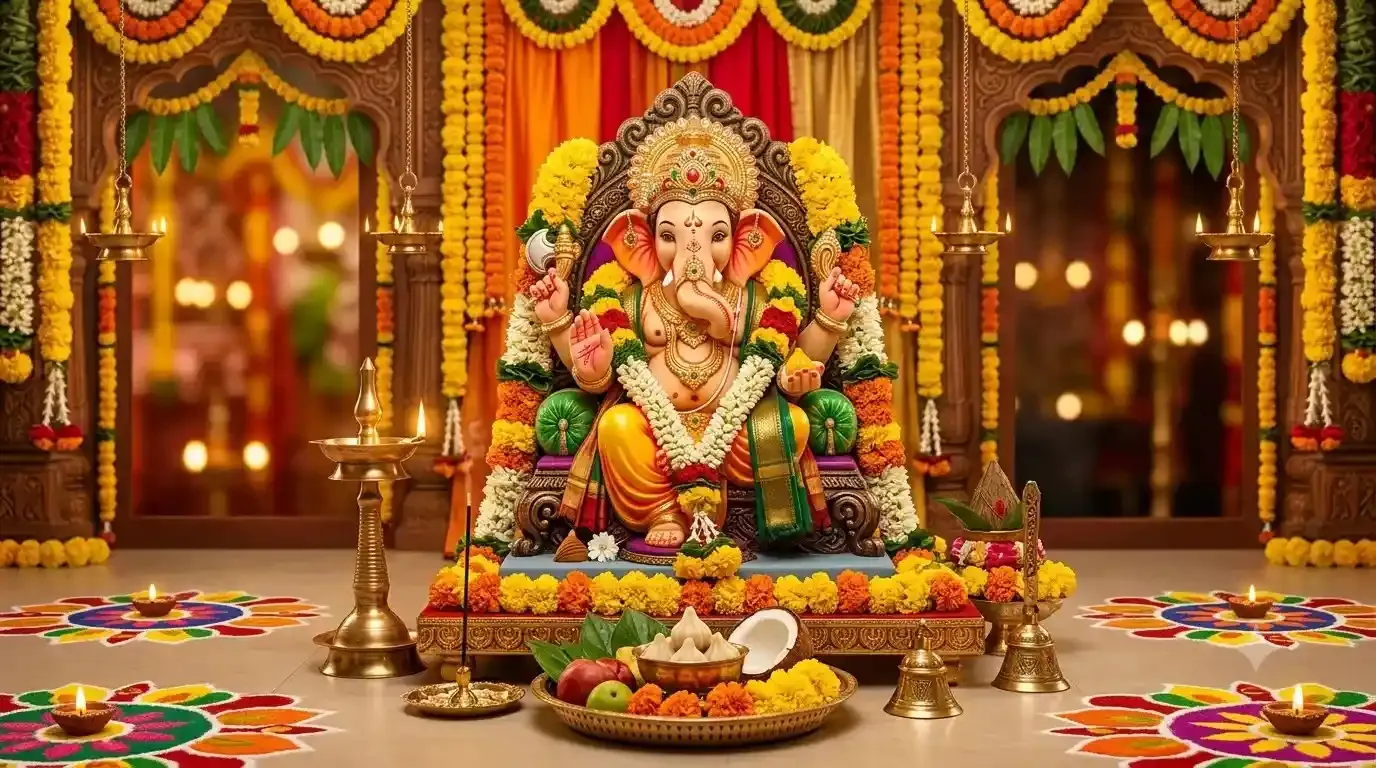
Ganesha Sahasranama: The Thousand Names of Ganesha Explained

Ganapati Sahasranama Serpent Names for Rahu Dosha Relief – Spiritual Significance

Lalita Sahasranama — Complete Guide to the 1000 Names of Devi Lalita Tripura Sundari, Sri Vidya Tradition, Friday Practice & 30-Day NRI Guide for 2026

Vishnu Sahasranama — Complete Guide to the 1000 Names of Vishnu, Origin, Selected Verses, Sunday Practice & 30-Day NRI Plan for 2026
FAQs
What is a Sahasranamam?
A Sahasranamam is a hymn listing a thousand names of a deity, each name describing a quality, story or form. The best known are the Vishnu Sahasranamam from the Mahabharata and the Lalitha Sahasranamam from the Brahmanda Purana. Sahasranamams also exist for Shiva, Ganesha, Subrahmanya and other deities.
How should Sahasranamam be chanted?
Devotees usually chant after bathing, sitting before a lamp, beginning with the traditional dhyana verses and ending with the phalashruti. Learning pronunciation from a teacher or reliable audio helps. Many recite it daily or on special days, such as Ekadashi for Vishnu or Fridays for Lalitha.
Where can I find Sahasranamam with meaning?
Look for editions published by established mathas, Gita Press, TTD or respected scholars, which give the text with word-by-word meaning and commentary. Adi Shankaracharya's commentary on the Vishnu Sahasranamam and Bhaskararaya's on the Lalitha Sahasranamam are classic references.