
Ashtottara Shatanamavali
An Ashtottara Shatanamavali, often shortened to Ashtottaram, is a garland of one hundred and eight names of a deity, each name ending in namah and offered with a flower, a pinch of kumkum or a grain of akshata. The number 108 is considered sacred across Hindu traditions, and reciting the names is traditionally regarded as a complete archana in itself.
Each name opens a small window onto the deity's qualities, deeds and stories, which is why many families like to read the meaning alongside the Sanskrit. Ashtottarams are recited during daily puja, on festival days and at temples, and they are a natural step for those not yet ready for the longer Sahasranamams.
On this page HinduTone brings together Ashtottara Shatanamavalis of Shiva, Lakshmi, Ganesha, Saraswati, Venkateswara and many other deities, with text, transliteration, meanings and notes on using them in home puja. See also Sahasranamam, Stotram and Slokas and Puja Vidhi.
Latest Articles

Tulasi Ashtottara Shatanamavali: the 108 Names of Tulasi Devi with Meaning
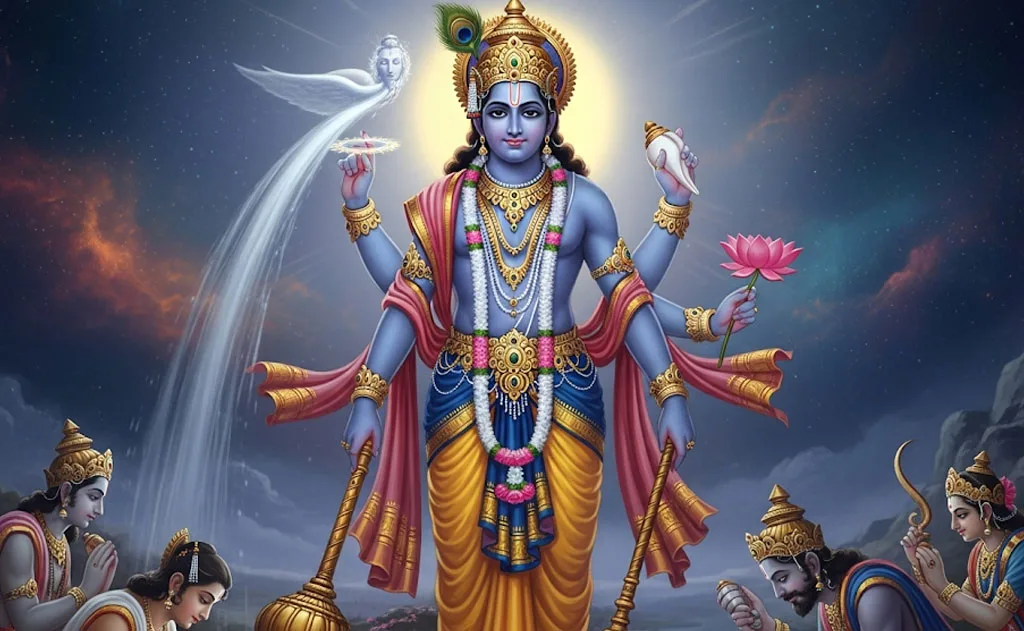
Vishnu Ashtottara Shatanamavali: 108 Names of Lord Vishnu with Meaning
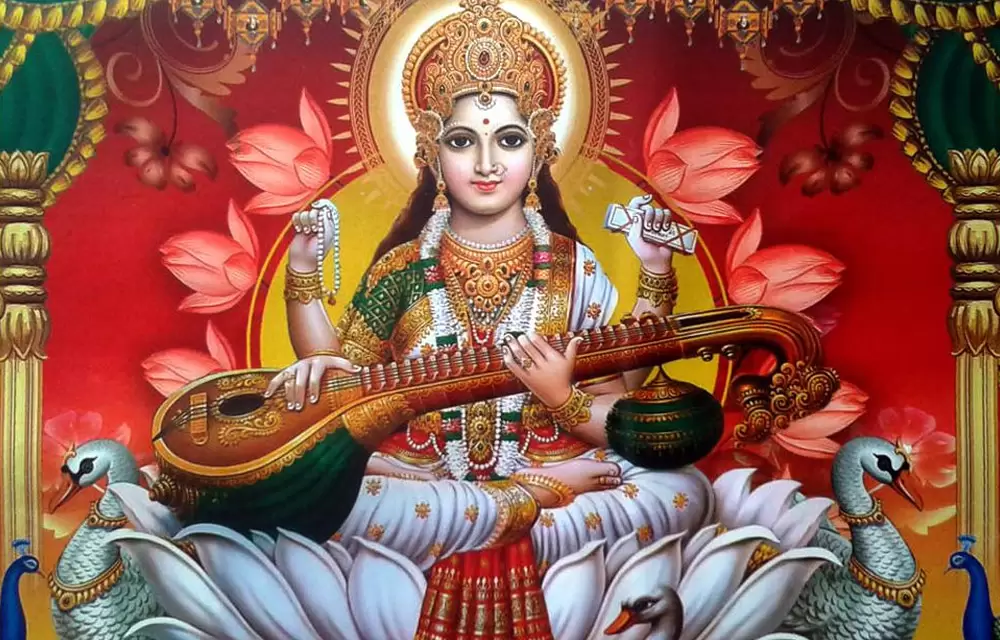
Saraswati Ashtottara Shatanamavali: 108 Names of Goddess Saraswati with Meaning
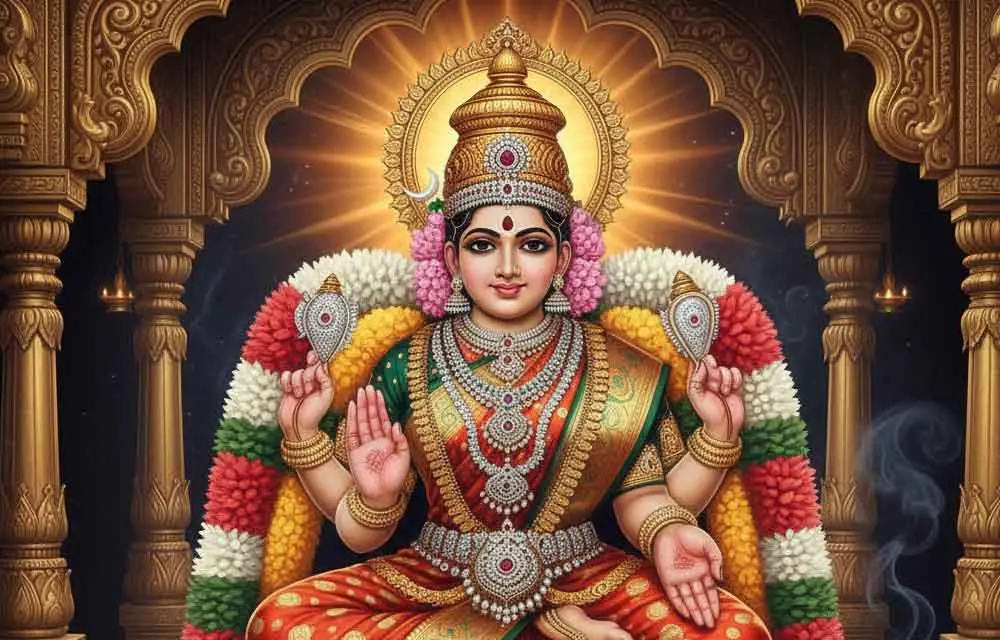
Lalita Ashtottara Shatanamavali: 108 Names of Goddess Lalita (Rajatachala Shringagra) with Meaning
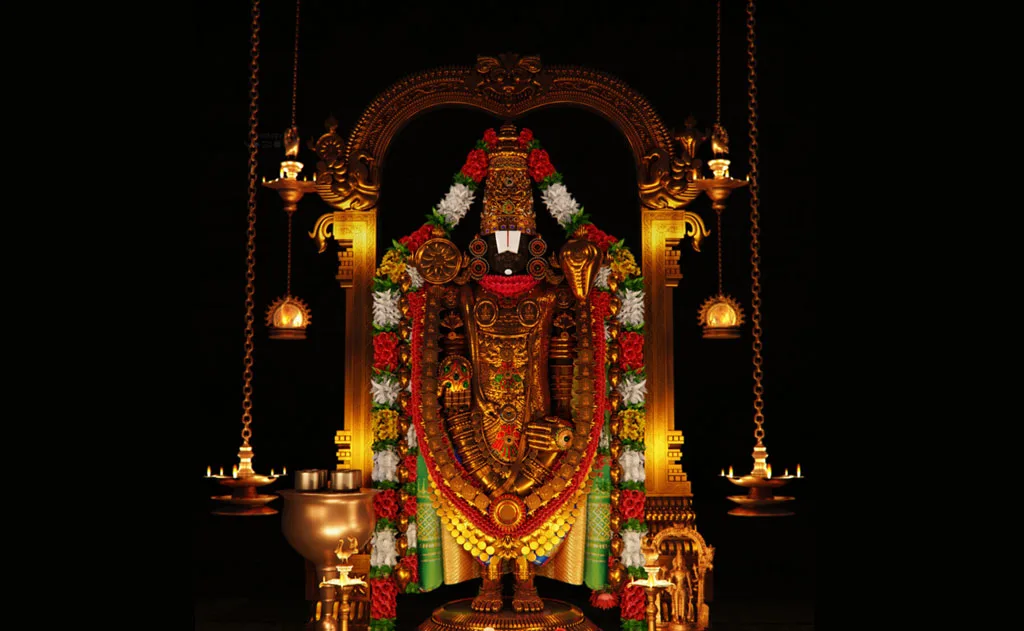
Venkateswara Ashtottaram: 108 Names of Lord Venkateswara (Srinivasa) with Meaning
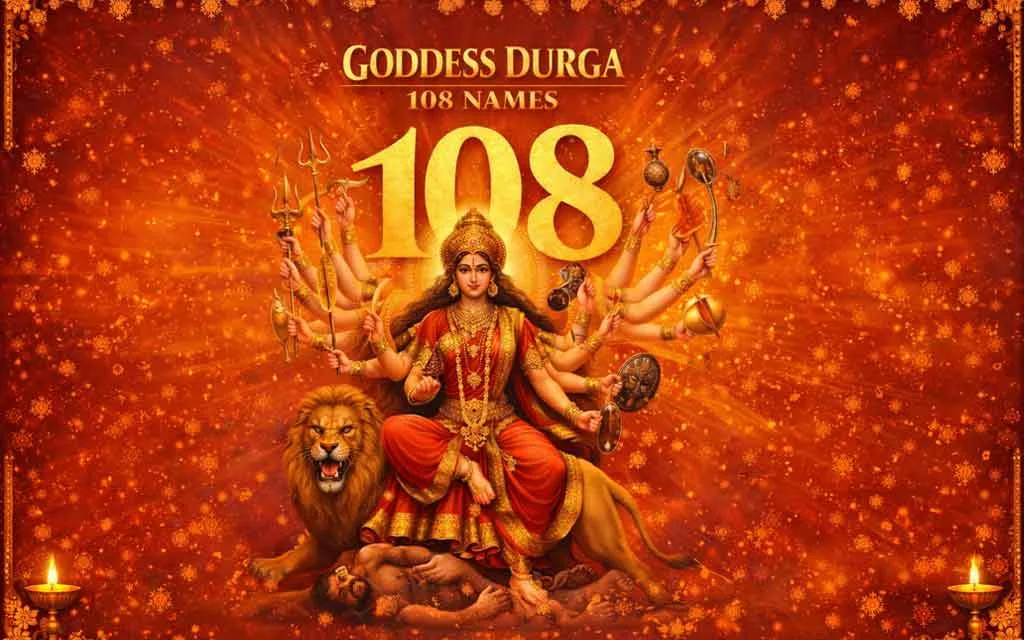
108 Names of Maa Durga (Durga Ashtottara Shatanamavali) with Meaning for Navratri 2026
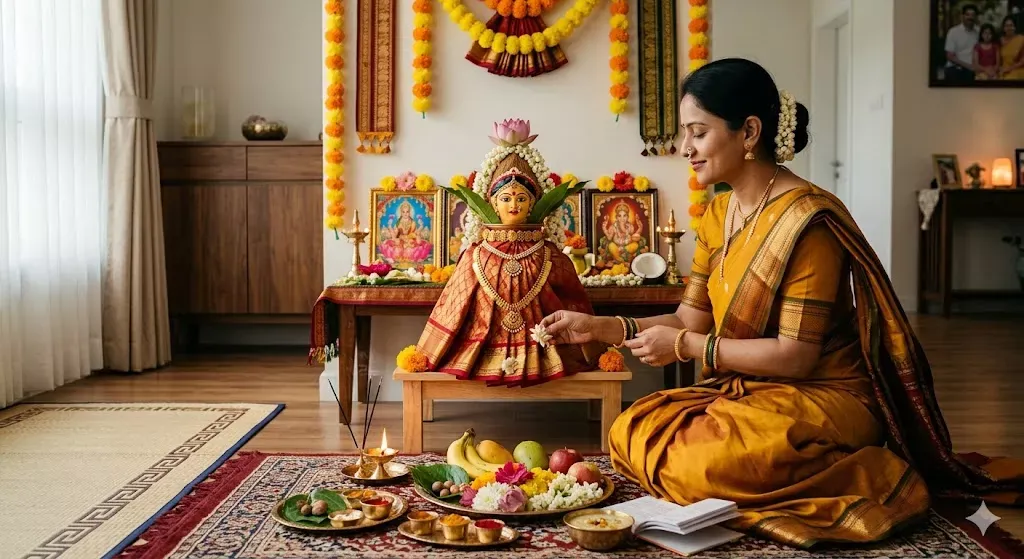
Lakshmi Ashtottara Shatanamavali: 108 Names of Lakshmi in Sanskrit with IAST and Meaning
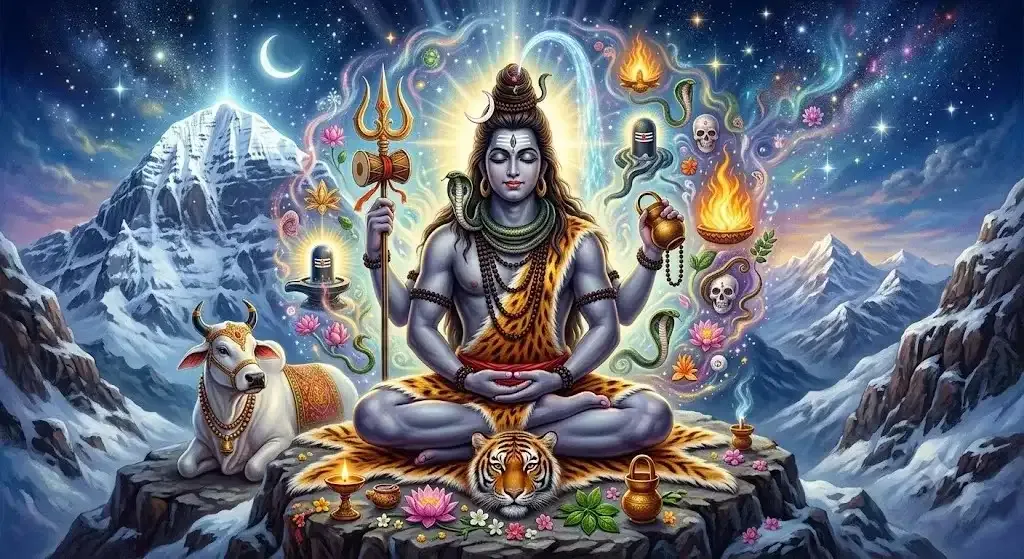
Shiva Ashtottara Shatanamavali — 108 Names of Lord Shiva (with Meanings)

Ganesha Ashtottara Shatanamavali (108 Names) + Vakratunda Mantra
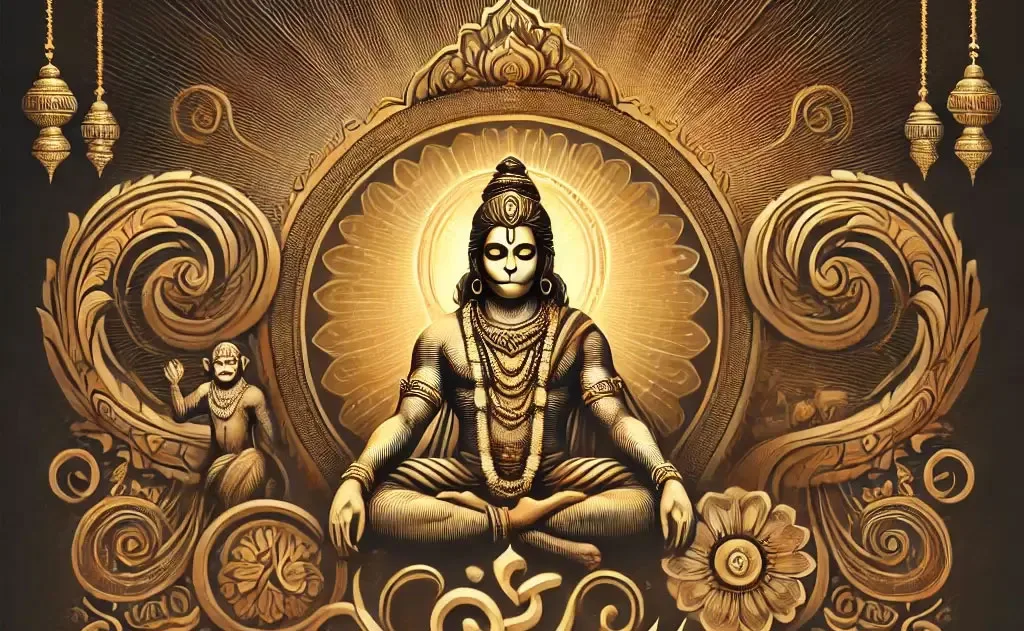
108 Names of Lord Hanuman (Hanuman Ashtottara Shatanamavali) in Sanskrit with Meanings
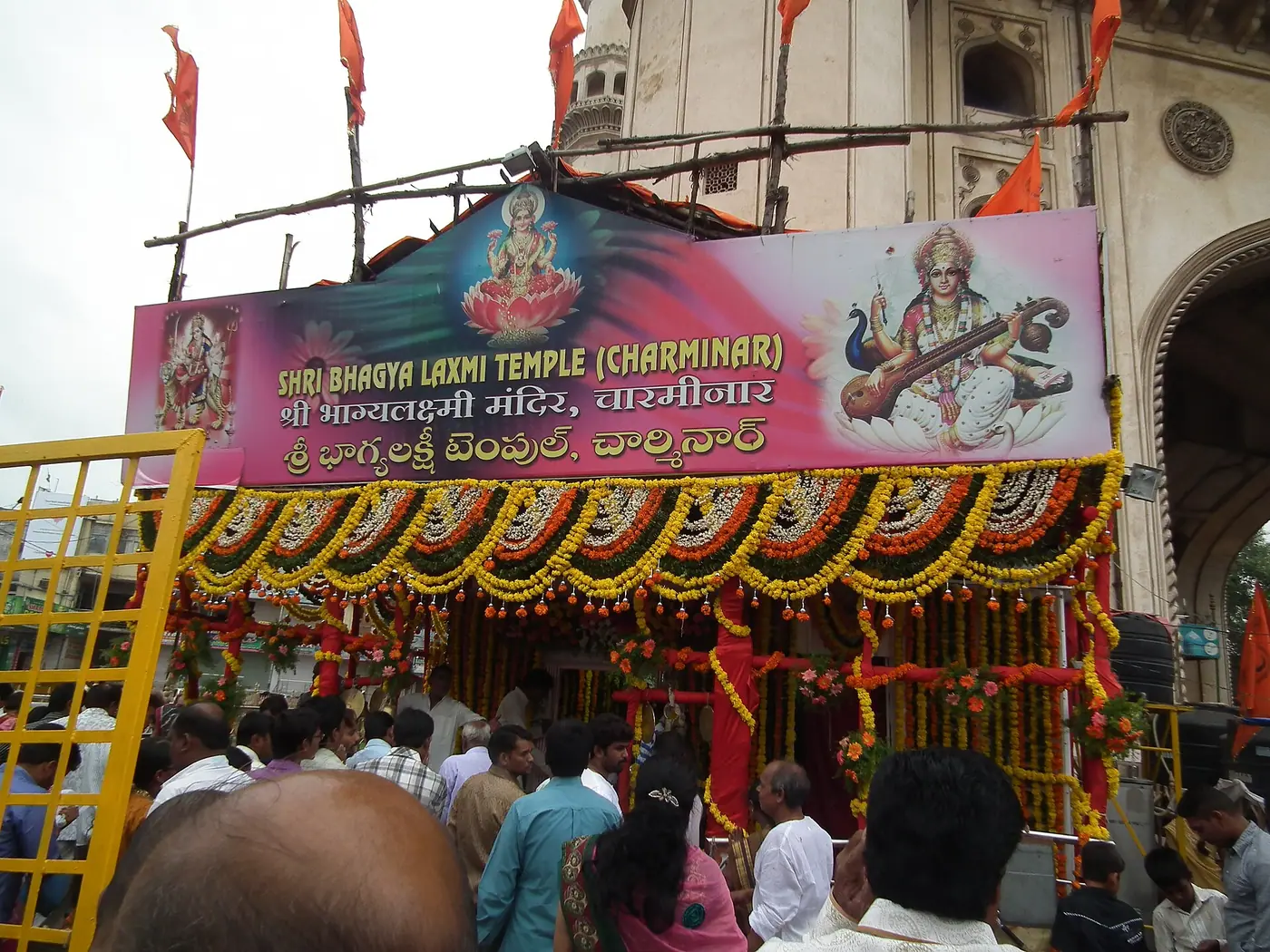
108 Names of Lord Kubera — Kubera Ashtottara Shatanamavali with Meaning & Benefits
Ayyappa Swamy 108 Names - Ashtottara Shatanamavali

108 Names of Lord Shiva: The Sacred Ashtottara Shatanamavali for Monday Worship

108 Names of Lord Krishna (Shri Krishna Ashtottara Shatanamavali)
FAQs
What is Ashtottara Shatanamavali?
Ashtottara Shatanamavali is a list of 108 names of a deity, each recited with Om at the start and Namah at the end, such as Om Keshavaya Namah. Each name describes a quality or story of the deity. Most major deities, including Ganesha, Shiva, Lakshmi and Venkateswara, have their own ashtottaram.
How is ashtottaram used in puja?
During archana, a flower, kumkum or akshata is offered at the deity's feet with each of the 108 names. It is a common part of daily puja, vratas and temple archanas. Even reciting the names without offerings is considered a meaningful act of devotion.
What is the difference between ashtottaram and sahasranamam?
Ashtottaram has 108 names, while sahasranamam has a thousand. Ashtottaram is shorter and suits daily puja or busy schedules; sahasranamam recitation, such as Vishnu or Lalitha Sahasranamam, is often done on special days or as a regular parayanam.
Why are there 108 names?
The number 108 is considered sacred in Hindu tradition and appears in malas, pradakshinas and many rituals. Various symbolic explanations are given in different traditions. In practice, it provides a complete, rhythmic round of praise in a manageable length.