
Stotram and Slokas
A stotram is a hymn of praise, usually composed in Sanskrit verse, and a sloka is a single verse that may be recited on its own. Together they form a vast treasury of devotional poetry, from the Vedic-era Sri Suktam and the epic-age Aditya Hrudayam to the ashtakams of Adi Shankaracharya and the sahasranamams that list the thousand names of a deity.
For Hindu families, stotras are living prayers rather than texts to be studied from a distance. Children often learn a few slokas before meals or at bedtime; adults recite favourite hymns during the daily puja, on particular weekdays or during festivals. Devotees believe that chanting with understanding and devotion matters more than speed or perfection.
On this page you will find stotras and slokas with lyrics, word meanings and simple explanations, introductions to their authors and the stories behind them, guidance on pronunciation for beginners, and collections arranged by deity. Related reading covers mantras, ashtottaram, sahasranamam, the Aditya Hrudayam and the Kanakadhara Stotram.
Latest Articles
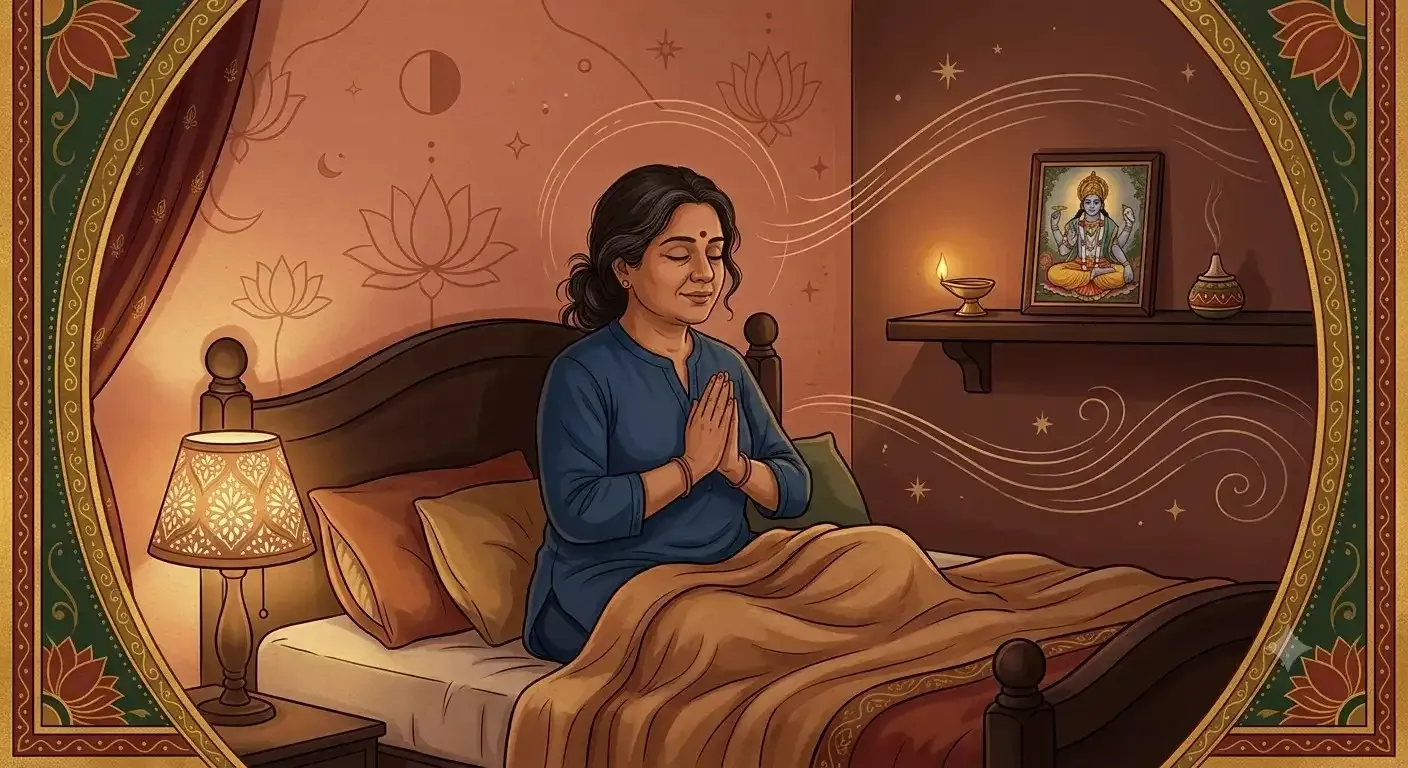
Slokas to Say Before Sleep: Ramam Skandam, Aparadha Sahasrani and Karacharana Kritam Va

Sri Durga Parameshwari Stotram: Sanskrit Verses, Meaning and Devotional Significance

Akhuratha Sankashti Chaturthi 2026: Date (Saturday 26 December), Moonrise Time by City, Vrat Vidhi and Sankatanashana Stotram
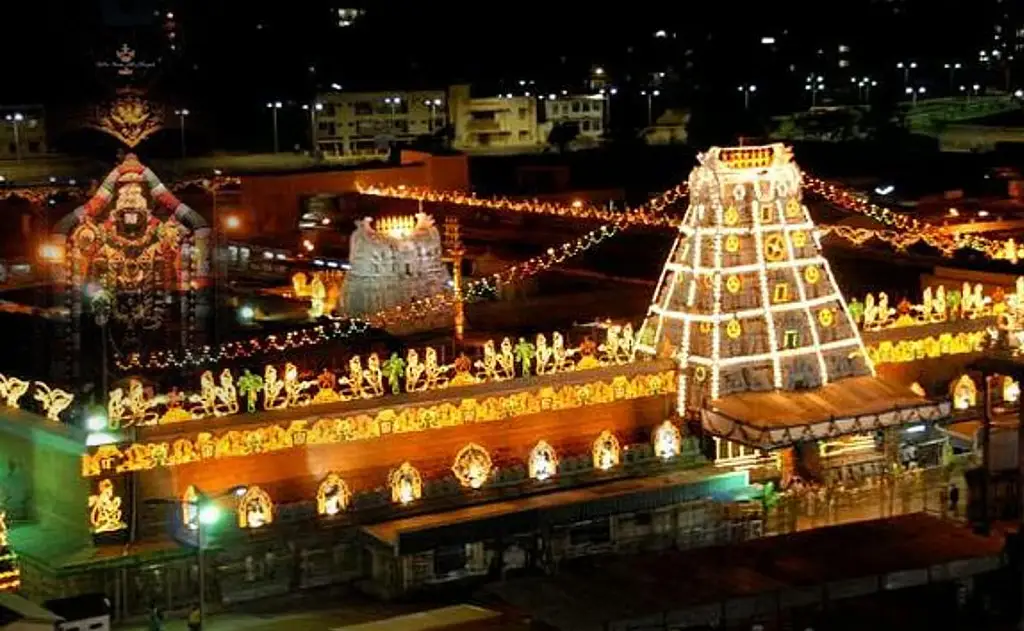
Sri Venkatesa Vijayarya Saptavibhakti Stotram: Full Text in Telugu, Sanskrit and IAST with Meaning
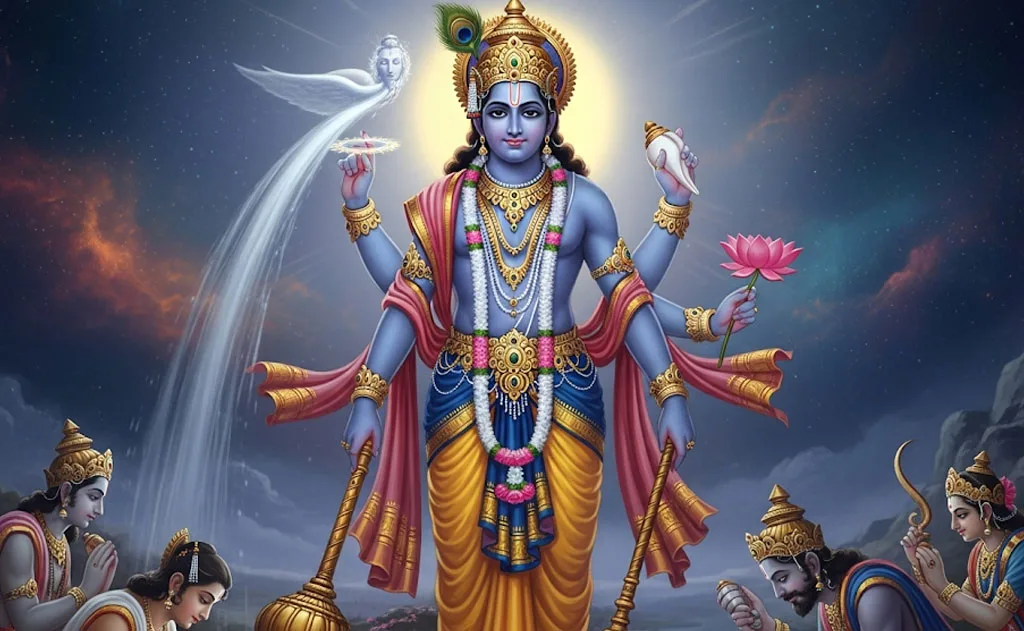
Hari Stotram (Jagajjalapalam) by Swami Brahmananda: Full Text in Sanskrit with Meaning
Shatpadi Stotram (Vishnu Shatpadi, Avinayam Apanaya Vishno) by Adi Shankaracharya: Full Text with Meaning
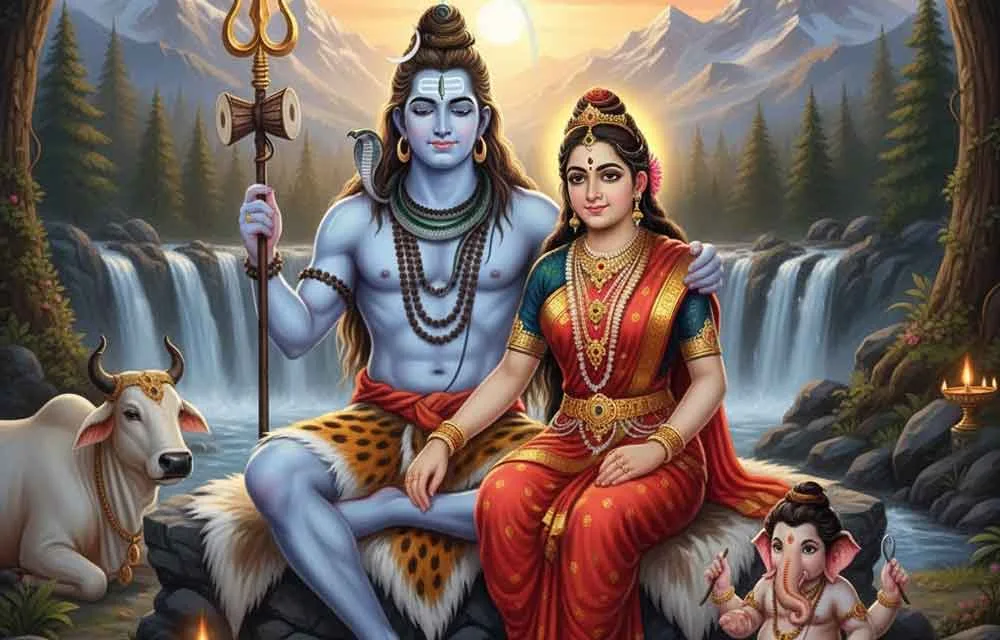
Ardhanarishvara Stotram (Champeya Gaurardha Sharirakayai) by Adi Shankaracharya: Full Text with Meaning

Ganga Stotram (Devi Sureshvari Bhagavati Gange) by Adi Shankaracharya: Full Text with Meaning
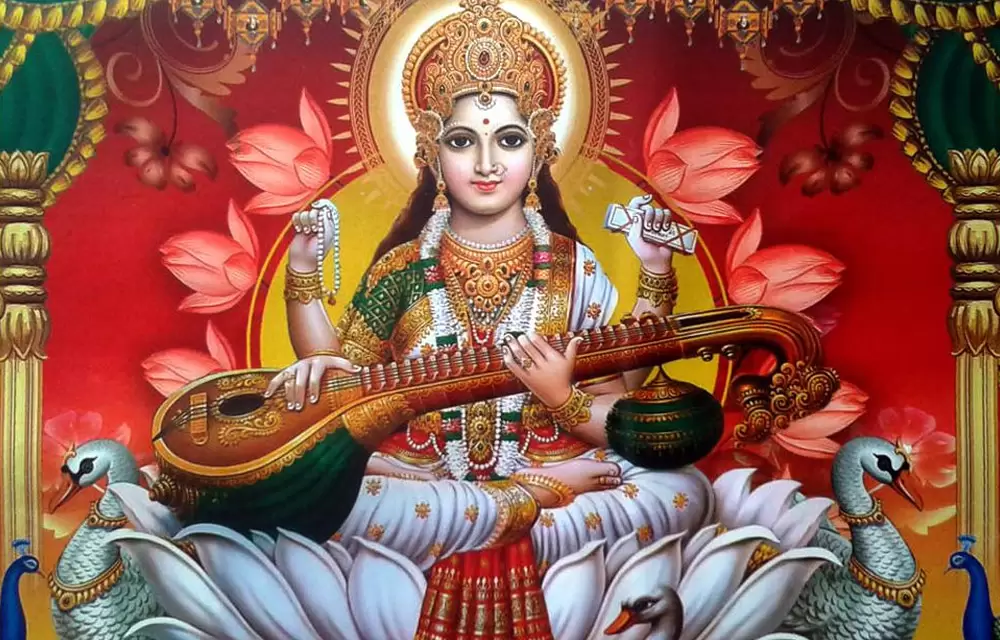
Saraswati Ashtottara Shatanamavali: 108 Names of Goddess Saraswati with Meaning
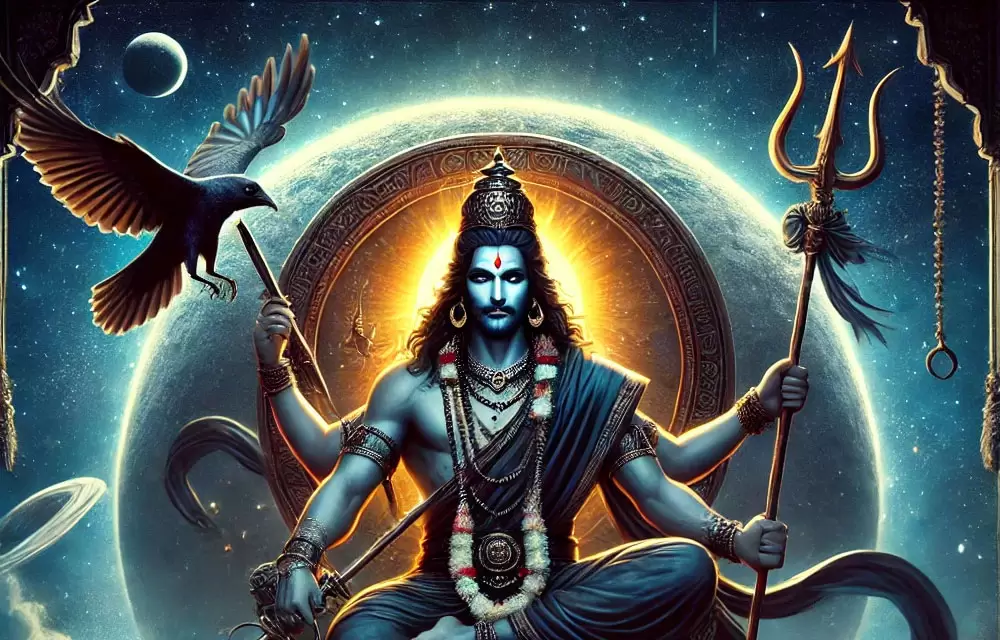
Dasharatha Shani Stotram (Namah Krishnaya Nilaya): Full Text with Meaning
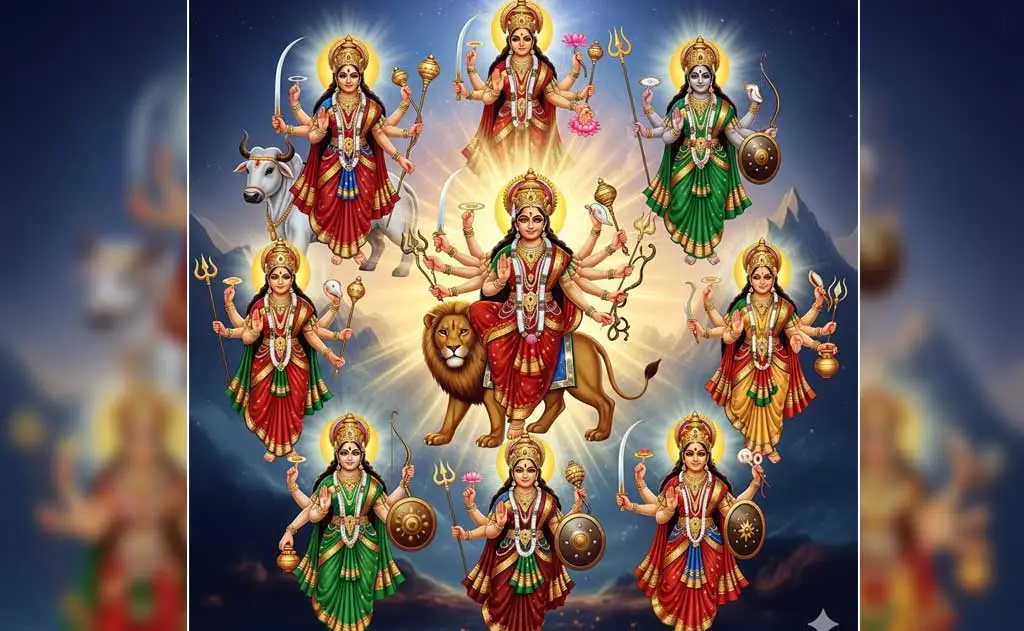
Keelaka Stotram (Kilakam) of the Durga Saptashati: Full Text with Meaning
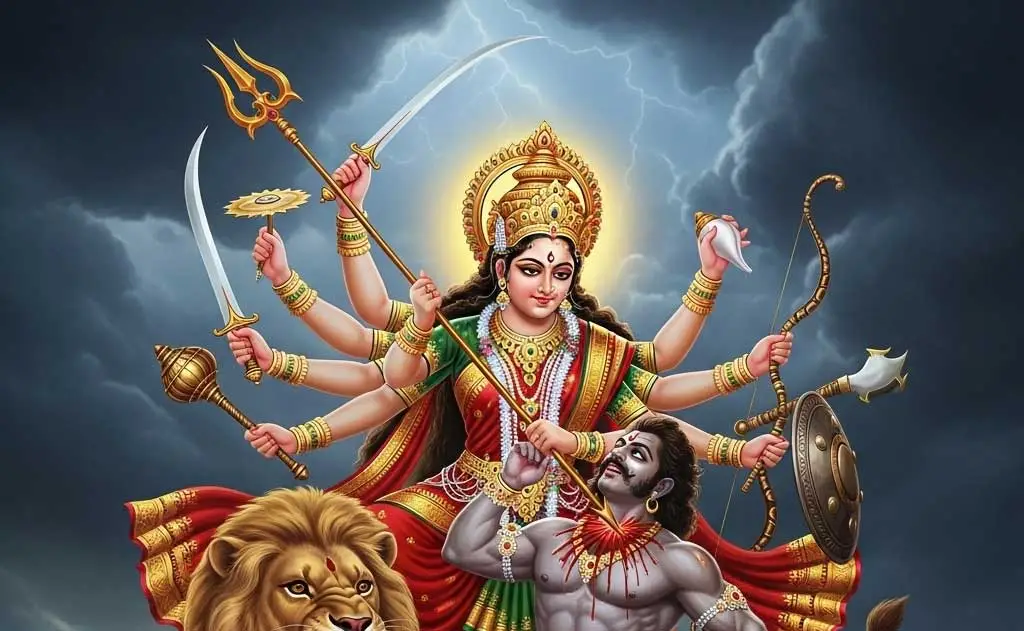
Devi Aparadha Kshamapana Stotram (Na Mantram No Yantram): Full Text with Meaning
Gajendra Moksha Stotram (Srimad Bhagavatam 8.3): Full Text with Meaning
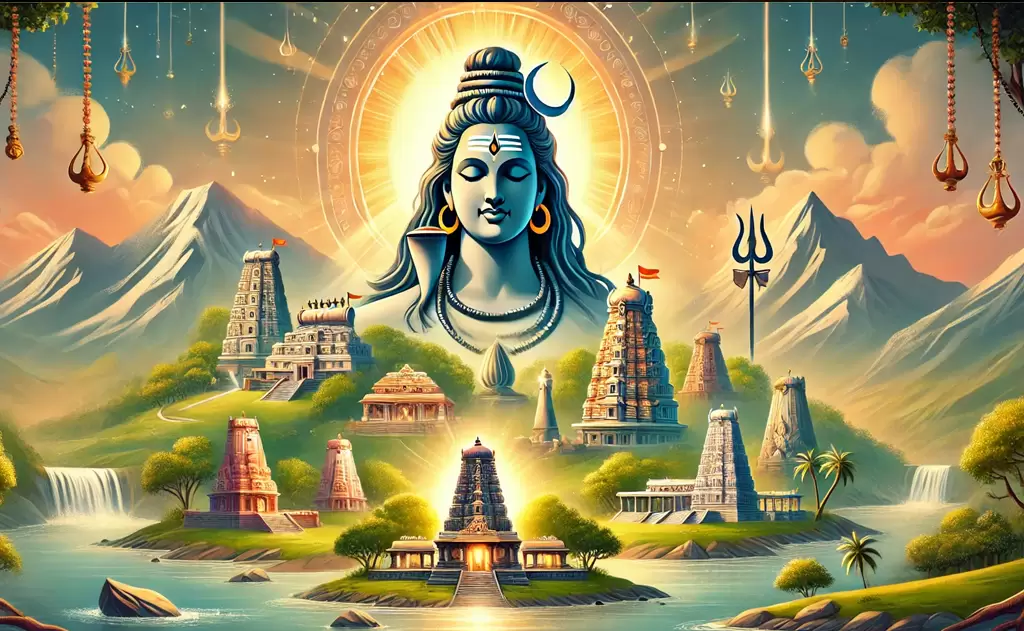
Dwadasa Jyotirlinga Stotram (Adi Shankaracharya): Full Text with Meaning
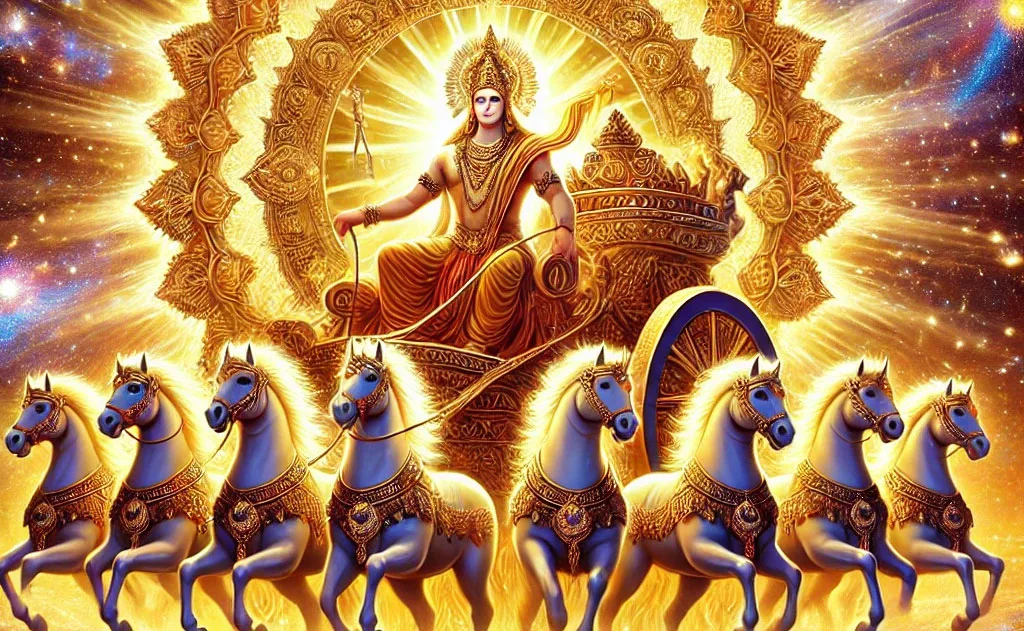
Surya Kavacham (Yajnavalkya): Full Text with Meaning
Devi Kavacham (Durga Saptashati): Full Text with Meaning
Argala Stotram (Durga Saptashati): Full Text with Meaning
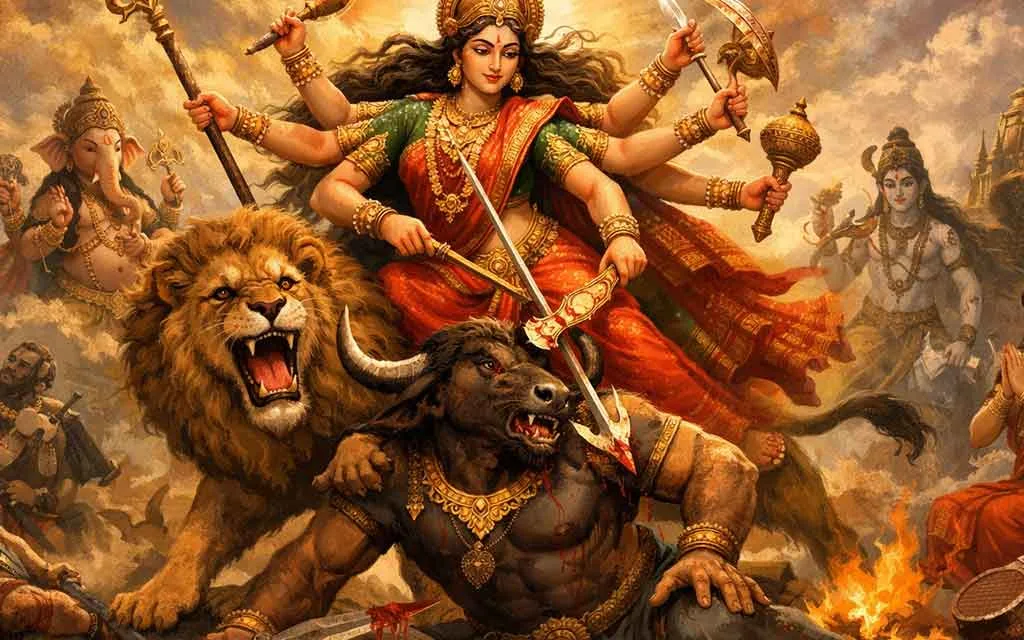
Siddha Kunjika Stotram: Full Text with Meaning, as in the Source
Sankatanashana Ganesha Stotram (Pranamya Shirasa Devam): Full Text with Meaning
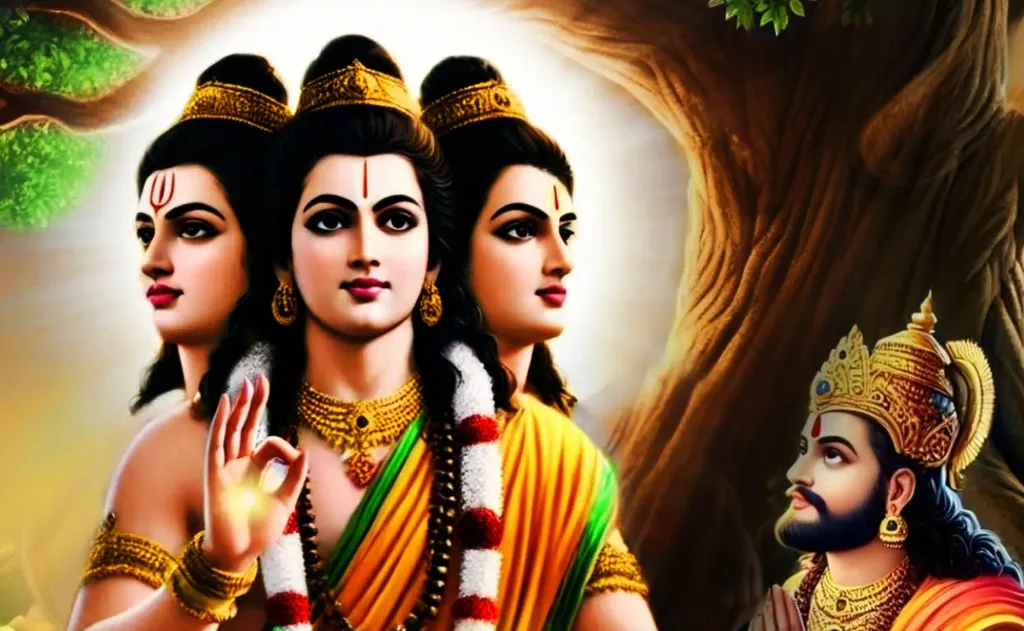
Dattatreya Stotram (Jatadharam Pandurangam), Narada Purana: Full Text with Meaning
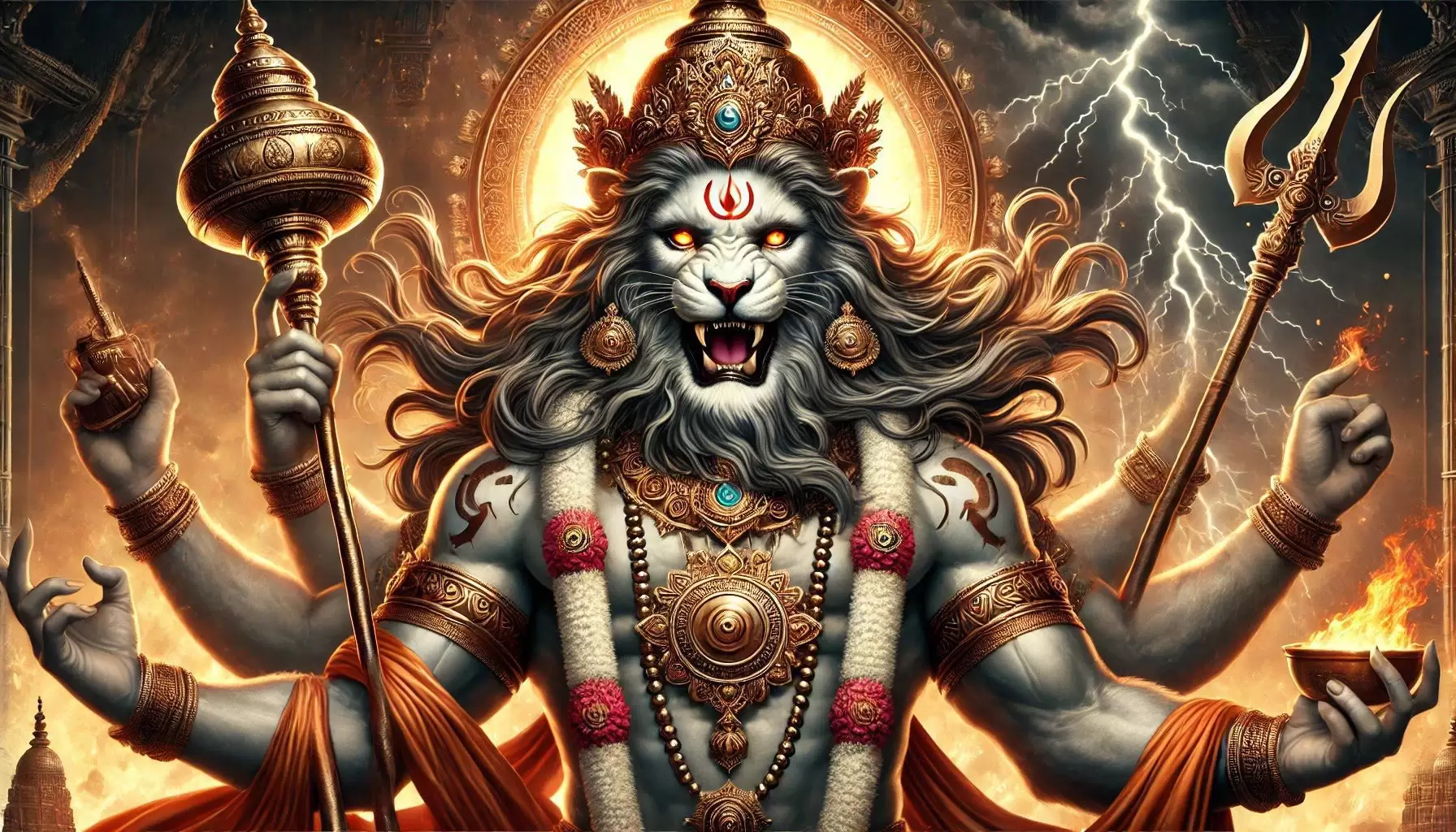
Lakshmi Narasimha Karavalamba Stotram (Adi Shankaracharya): Full Text with Meaning

Tulasi Stotram (Jagaddhatri Namastubhyam): Full Text with Meaning, for Kartik and Tulsi Vivah

Shiva Mahimna Stotram (Pushpadanta): Full Lyrics with Meaning
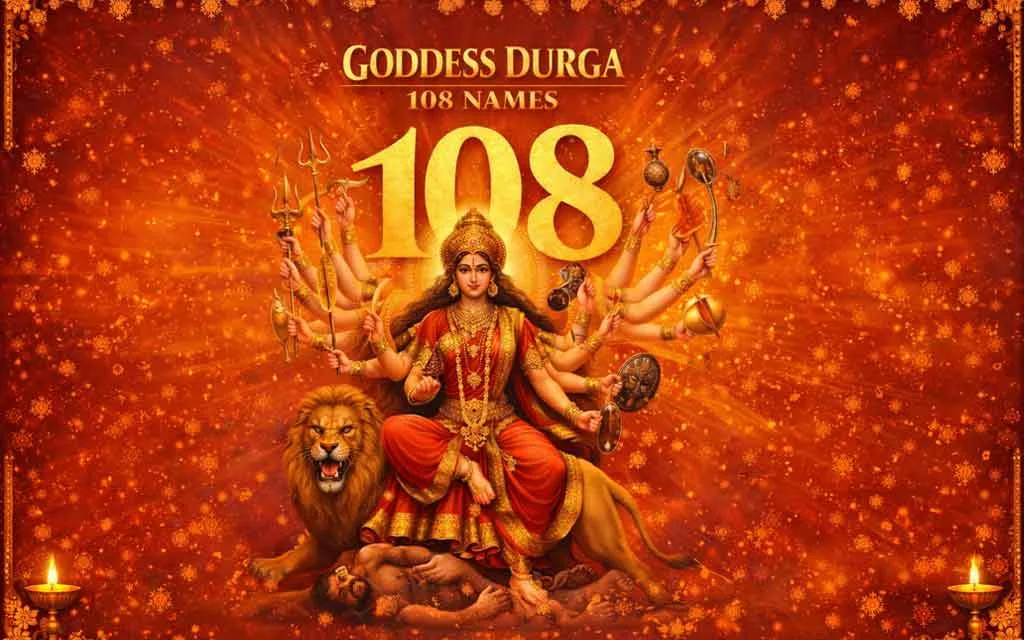
108 Names of Maa Durga (Durga Ashtottara Shatanamavali) with Meaning for Navratri 2026
FAQs
What is a stotram?
A stotram is a hymn of praise to a deity, usually composed in Sanskrit verse, describing the deity's form, qualities and deeds. Well-known examples include Vishnu Sahasranamam, Lalitha Sahasranamam, Aditya Hrudayam, Kanakadhara Stotram and the many hymns attributed to Adi Shankaracharya.
What is the difference between a mantra, stotram and sloka?
A mantra is a short sacred formula chanted repeatedly, often given by a guru. A stotram is a longer hymn of praise made of several verses. A sloka is a single verse, often in the anushtubh metre, and many stotrams are made up of slokas.
Where can I find stotram lyrics with meaning?
Our stotra pages present popular hymns with lyrics and simple explanations in English, Hindi and Telugu. For chanting, many devotees also use editions from established publishers or learn pronunciation from a teacher, since correct sound is traditionally emphasised.
When should stotras be recited?
Most people recite stotras during morning or evening prayers. Some hymns are traditionally linked with particular days, such as Shiva stotras on Mondays or Lalitha Sahasranamam on Fridays, but devotees may chant any stotram whenever they feel devotion.