Sri Venkatesa Vijayarya Saptavibhakti Stotram: Full Text in Telugu, Sanskrit and IAST with Meaning
A Sanskrit hymn to Sri Venkateswara, the Kaliyuga Daivam, in which each verse praises the Lord through one of the seven cases (vibhaktis) of Sanskrit grammar. Here are all 9 verses in Telugu script, Devanagari and IAST from the verified sanskritdocuments.org text, with the meaning of every verse.
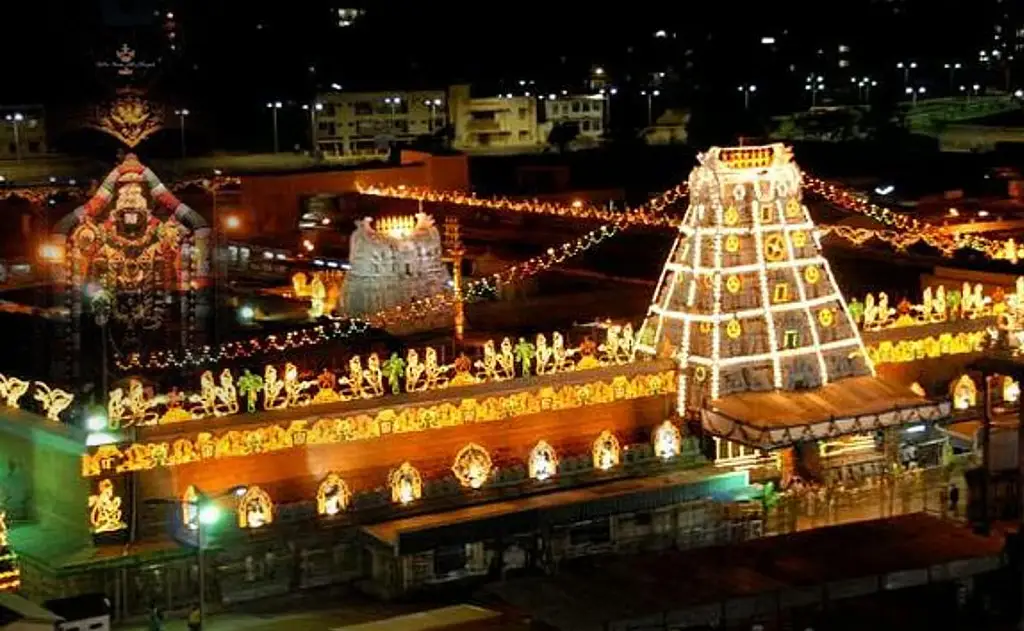
Kaliyuga Daivam Sri Venkateswara Swamy: a divine stotram.
This is a distinctive Sanskrit stotram that praises the divine, auspicious form of Sri Venkateswara Swamy, his boundless compassion and his endless glory. It was composed by Sri Annan Swami, who bore the title 'Vadeendra Bheekara'.
What makes this stotram special is that it praises the Lord using the seven vibhaktis (cases) of Sanskrit grammar. The first verse is in the prathama vibhakti, the second in the sambodhana (vocative), and verses three to eight are in the dvitiya, tritiya, chaturthi, panchami, shashthi and saptami vibhaktis in turn. The ninth verse describes the composition itself.
About the text: The verses below are the text published by sanskritdocuments.org, shown in Telugu script, then Devanagari, then IAST transliteration, all converted by software from the source with no letter typed by hand. The meaning follows each verse.
The seven vibhaktis at a glance
| Verse | Vibhakti (case) | Theme |
|---|---|---|
| 1 | Prathama (nominative) | the Lord's glory |
| 2 | Sambodhana (vocative) | a prayer for his victory |
| 3 | Dvitiya (accusative) | darshan of his auspicious form |
| 4 | Tritiya (instrumental) | his divine radiance |
| 5 | Chaturthi (dative) | salutations to the Lord |
| 6 | Panchami (ablative) | none is greater than him |
| 7 | Shashthi (genitive) | the wish-fulfilling tree |
| 8 | Saptami (locative) | complete surrender |
| 9 | - | about the composition |
Sri Venkatesa Vijayarya Saptavibhakti Stotram: full text with meaning
1. Prathama vibhakti (nominative): the glory of the Lord
శ్రీవేంకటాద్రిధామా భూమా భూమాప్రియః కృపాసీమా ।
నిరవధికనిత్యమహిమా భవతు జయీ ప్రణతదర్శితప్రేమా ॥ 1॥
श्रीवेङ्कटाद्रिधामा भूमा भूमाप्रियः कृपासीमा ।
निरवधिकनित्यमहिमा भवतु जयी प्रणतदर्शितप्रेमा ॥ १॥
śrīveṅkaṭādridhāmā bhūmā bhūmāpriyaḥ kṛpāsīmā |
niravadhikanityamahimā bhavatu jayī praṇatadarśitapremā || 1||
Meaning: May Srinivasa, who has made the Venkata hill his dwelling, whose glory is boundless, who is dear to Bhudevi, who is the very form of limitless compassion, and who shows his love to the devotees who seek refuge in him, be ever victorious!
2. Sambodhana (vocative): a prayer for the Lord's victory
జయ జనతా విమళీకృతిసఫలీకృతసకలమంగలాకార ।
విజయీ భవ విజయీ భవ విజయీ భవ వేంకటాచలాధీశ ॥ 2॥
जय जनता विमळीकृतिसफलीकृतसकलमङ्गलाकार ।
विजयी भव विजयी भव विजयी भव वेङ्कटाचलाधीश ॥ २॥
jaya janatā vimaḻīkṛtisaphalīkṛtasakalamaṅgalākāra |
vijayī bhava vijayī bhava vijayī bhava veṅkaṭācalādhīśa || 2||
Meaning: O Lord of the Venkatachala hill, who makes your devotees pure and brings every auspicious blessing into their lives! Victory to you! Victory to you! Victory to you!
3. Dvitiya vibhakti (accusative): darshan of the divine auspicious form
కనీయమందహసితం కంచన కందర్పకోటిలావణ్యమ్ ।
పశ్యేయమంజనాద్రౌ పుంసాం పూర్వతనపుణ్యపరిపాకమ్ ॥ 3॥
कनीयमन्दहसितं कञ्चन कन्दर्पकोटिलावण्यम् ।
पश्येयमञ्जनाद्रौ पुंसां पूर्वतनपुण्यपरिपाकम् ॥ ३॥
kanīyamandahasitaṃ kañcana kandarpakoṭilāvaṇyam |
paśyeyamañjanādrau puṃsāṃ pūrvatanapuṇyaparipākam || 3||
Meaning: May I be blessed to see the divine, auspicious form of the Lord who shines on the Anjanadri hill, with his lovely gentle smile and a beauty greater than that of millions of Manmathas (Kamadevas)!
4. Tritiya vibhakti (instrumental): the divine radiance
మరతకమేచకరుచినా మదనాజ్ఞాగంధిమధ్యహృదయేన ।
వృషశైలమౌలిసుహృదా మహసా కేనాపి వాసితం జ్ఞేయమ్ ॥ 4॥
मरतकमेचकरुचिना मदनाज्ञागन्धिमध्यहृदयेन ।
वृषशैलमौलिसुहृदा महसा केनापि वासितं ज्ञेयम् ॥ ४॥
maratakamecakarucinā madanājñāgandhimadhyahṛdayena |
vṛṣaśailamaulisuhṛdā mahasā kenāpi vāsitaṃ jñeyam || 4||
Meaning: Know that this world is filled with a dark radiance like that of the emerald, a charming divine splendour. This verse describes the Lord's matchless radiance.
5. Chaturthi vibhakti (dative): salutations to the Lord
పత్యై నమో వృషాద్రేః కరయుగపరికర్మశంఖచక్రాయ ।
ఇతరకరకమలయుగలీదర్శితకటిబంధదానముద్రాయ ॥ 5॥
पत्यै नमो वृषाद्रेः करयुगपरिकर्मशङ्खचक्राय ।
इतरकरकमलयुगलीदर्शितकटिबन्धदानमुद्राय ॥ ५॥
patyai namo vṛṣādreḥ karayugaparikarmaśaṅkhacakrāya |
itarakarakamalayugalīdarśitakaṭibandhadānamudrāya || 5||
Meaning: Salutations to Sri Venkateswara, Lord of the Vrishadri hill, who gives darshan holding the conch and the discus in two hands, while with the other two hands he points to his waist and shows the boon-giving gesture (varada mudra).
6. Panchami vibhakti (ablative): none is greater than the Lord
సామ్రాజ్యపిశునమకుటీసుఘటలలాటాత్ సుమంగలా పాంగాత్ ।
స్మితరుచిఫుల్లకపోలాదపరో న పరోఽస్తి వేంకటాద్రీశాత్ ॥ 6॥
साम्राज्यपिशुनमकुटीसुघटललाटात् सुमङ्गला पाङ्गात् ।
स्मितरुचिफुल्लकपोलादपरो न परोऽस्ति वेङ्कटाद्रीशात् ॥ ६॥
sāmrājyapiśunamakuṭīsughaṭalalāṭāt sumaṅgalā pāṅgāt |
smitaruciphullakapolādaparo na paro'sti veṅkaṭādrīśāt || 6||
Meaning: There is no other God greater than the Lord of the Venkata hill, whose forehead shines beneath a crown that proclaims his sovereignty, whose sidelong glances are auspicious, and whose cheeks bloom with a smile.
7. Shashthi vibhakti (genitive): a comparison with the wish-fulfilling tree
సర్వాభరణవిభూషితదివ్యావయవస్య వేంకటాద్రిపతేః ।
పల్లవపుష్పవిభూషితకల్పతరోశ్చాపి కా భిదా దృష్టా ॥ 7॥
सर्वाभरणविभूषितदिव्यावयवस्य वेङ्कटाद्रिपतेः ।
पल्लवपुष्पविभूषितकल्पतरोश्चापि का भिदा दृष्टा ॥ ७॥
sarvābharaṇavibhūṣitadivyāvayavasya veṅkaṭādripateḥ |
pallavapuṣpavibhūṣitakalpataroścāpi kā bhidā dṛṣṭā || 7||
Meaning: What difference is there between the Lord of the Venkata hill, adorned with every ornament, and the Kalpavriksha (wish-fulfilling tree), adorned with tender shoots and flowers? The Lord is compared to the Kalpavriksha, which grants devotees the blessings they seek.
8. Saptami vibhakti (locative): complete surrender (sharanagati)
లక్ష్మీలలితపదాంబుజలాక్షారసరంజితాయతోరస్కే ।
శ్రీవేంకటాద్రినాథే నాథే మమ నిత్యమర్పితో భారః ॥ 8॥
लक्ष्मीललितपदाम्बुजलाक्षारसरञ्जितायतोरस्के ।
श्रीवेङ्कटाद्रिनाथे नाथे मम नित्यमर्पितो भारः ॥ ८॥
lakṣmīlalitapadāmbujalākṣārasarañjitāyatoraske |
śrīveṅkaṭādrināthe nāthe mama nityamarpito bhāraḥ || 8||
Meaning: In my Lord Sri Venkatadrinatha, whose broad chest shines with the red lac (laksha) from Goddess Lakshmi's lotus feet, the whole burden of my life is ever surrendered.
9. About the composition
ఆర్యావృత్తసమేతా సప్తవిభక్తిర్వృషాద్రినాథస్య ।
వాదీంద్రభీకృదాఖ్యైరార్యై రచితా జయత్వియం సతతమ్ ॥ 9॥
आर्यावृत्तसमेता सप्तविभक्तिर्वृषाद्रिनाथस्य ।
वादीन्द्रभीकृदाख्यैरार्यै रचिता जयत्वियं सततम् ॥ ९॥
āryāvṛttasametā saptavibhaktirvṛṣādrināthasya |
vādīndrabhīkṛdākhyairāryai racitā jayatviyaṃ satatam || 9||
Meaning: May this hymn, composed in the Arya metre by the revered one known as Vadeendra Bheekara, praising Sri Venkateswara, the Lord of the Vrishadri hill, through the seven vibhaktis, be ever victorious!
Closing line of the source
॥ ఇతి శ్రీవేంకటేశవిజయార్యాసప్తవిభక్తిస్తోత్రం సంపూర్ణమ్ ॥
॥ इति श्रीवेङ्कटेशविजयार्यासप्तविभक्तिस्तोत्रं संपूर्णम् ॥
|| iti śrīveṅkaṭeśavijayāryāsaptavibhaktistotraṃ saṃpūrṇam ||
Meaning: Thus ends the Sri Venkatesa Vijayarya Saptavibhakti Stotram.
Spiritual message
To remember the divine, auspicious form of Sri Venkateswara Swamy, to sing of his boundless compassion and to surrender the burden of our lives to him: this is the main message of this stotram. Reciting it with devotion and faith, while reflecting on the meaning of the verses, helps the mind become focused.
Govinda! Govinda!! Srinivasa! Sharanam prapadye!!
How to recite it at home
- Light a lamp before an image of Sri Venkateswara and offer a flower or tulsi leaf.
- Read the meaning of a verse first, then recite the verse slowly; the Telugu-script and IAST lines help family members who do not read Devanagari.
- Recite all nine verses, then the closing line, and end with 'Govinda, Govinda'.
- On a longer day, add the 108 names of Sri Venkateswara or the mantra Om Namo Venkatesaya.
Frequently asked questions
What does 'Saptavibhakti' mean?
'Sapta' means seven and 'vibhakti' is a grammatical case of Sanskrit nouns. In this hymn the Lord is praised in each case in turn: verse 1 in the nominative (prathama), verse 2 in the vocative (sambodhana), and verses 3 to 8 in the accusative, instrumental, dative, ablative, genitive and locative. Verse 9 describes the composition.
Who composed this stotram?
It is credited to Sri Annan Swami, who bore the title 'Vadeendra Bheekara' (terror of the great debaters). Verse 9 itself says it was composed by the revered one known as Vadeendra Bheekara (vādīndrabhīkṛt). The source text does not give more detail about the composer, so we add none.
What metre is it in?
The Arya metre (arya vrittam), as verse 9 says. Arya is measured in morae (matras) rather than syllables; each verse has two lines.
Where does the Sanskrit text on this page come from?
From sanskritdocuments.org (encoded and proofread by Malleswara Rao Yellapragada from the Telugu book Venkatesha Kavyakalapa). The Devanagari and IAST are converted by software from that file and the Telugu script from the Devanagari; no letter is typed by hand.
What is the benefit of reciting it?
Reciting it with devotion while reflecting on the meaning of each verse helps the mind become focused (ekagra). It is an act of devotion, not a guarantee of any particular result.
When can it be recited?
At any time of daily prayer before an image of Sri Venkateswara, and especially on Saturdays, which many families keep for the Lord of Tirumala. It takes only a few minutes.
Editor's note (25 October 2026)
This page is published from a Telugu post contributed to HinduTone; the introduction, verse headings, meanings and message are the contributor's, and this English page renders them faithfully. The Sanskrit is the text of Sri Venkatesha Vijayarya Saptavibhakti Stotram on sanskritdocuments.org (file shrIveMkaTeshavijayAryAsaptavibhaktistotram.itx, from the Telugu book Venkatesha Kavyakalapa). Where the contributed copy differed from the source, the source is printed: in verse 3 the source reads 'kanīyamandahasitaṃ', while the contributed copy reads 'kamanīyamandahasitaṃ' (lovely gentle smile), which the Arya metre also suggests; in verse 4 the source reads 'marataka' and the contributed copy 'marakata' (both mean emerald); in verses 2 and 5 the source spells 'vimaḷī-', 'maṅgalā-' and 'yugalī'. In verse 6 the source, like the contributed copy, prints 'sumaṅgalā pāṅgāt' with a space; it is read as one compound, sumaṅgala-apāṅgāt, the auspicious sidelong glance. The Telugu-script lines write a nasal before a consonant as anusvara (ం), as Telugu books usually do.
Also read
Share this with family and friends
Send it on WhatsApp, post it, or copy the link.
More from Pooja, Slokas and Mantras
- Narmadashtakam (Sabindu Sindhu) by Adi Shankaracharya: Full Text in Sanskrit with Meaning
- Ganeshashtakam (Yato Anantashakteh) from the Ganesha Purana: Full Text with Meaning
- Kashi Vishwanath Ashtakam (Gangataranga Ramaniya Jatakalapam): Full Text with Meaning
- Shivashtakam (Prabhum Prananatham Vibhum Vishvanatham): Full Text with Meaning
- Vishnu Ashtottara Shatanamavali: 108 Names of Lord Vishnu with Meaning
You might also like
Hari Stotram (Jagajjalapalam) by Swami Brahmananda: Full Text in Sanskrit with Meaning
Ardhanarishvara Stotram (Champeya Gaurardha Sharirakayai) by Adi Shankaracharya: Full Text with Meaning
Shatpadi Stotram (Vishnu Shatpadi, Avinayam Apanaya Vishno) by Adi Shankaracharya: Full Text with Meaning