
Skanda Shashti
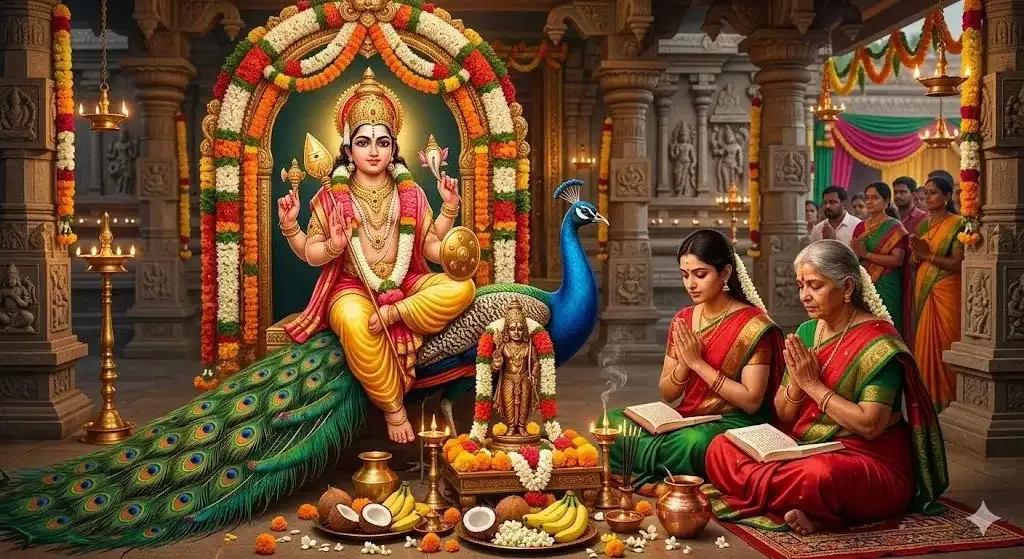
Skanda Shashti, known in the Telugu states as Subramanya Shashti, honours Lord Murugan, also called Kartikeya, Skanda and Subrahmanya. It commemorates the Lord's victory over the demon Surapadman, a story enacted with great devotion at Murugan temples in Tamil Nadu as the Soorasamharam festival.
Many devotees keep a vrat during the festival period, reciting the Kanda Shashti Kavacham and other hymns. In Andhra Pradesh, Telangana and Karnataka the observance often centres on worship of Subrahmanya in serpent form, which is why families associate it with prayers for children and household wellbeing. The festival is linked with the Margashirsha Month for many families and is often spoken of alongside Thaipusam, another major Murugan festival.
Here you will find guides to observing the vrat at home, explanations of the Soorasamharam story, kavacham and stotra texts with meaning, temple guides for the six abodes of Murugan and articles for Tamil and Telugu families abroad.
Latest Articles
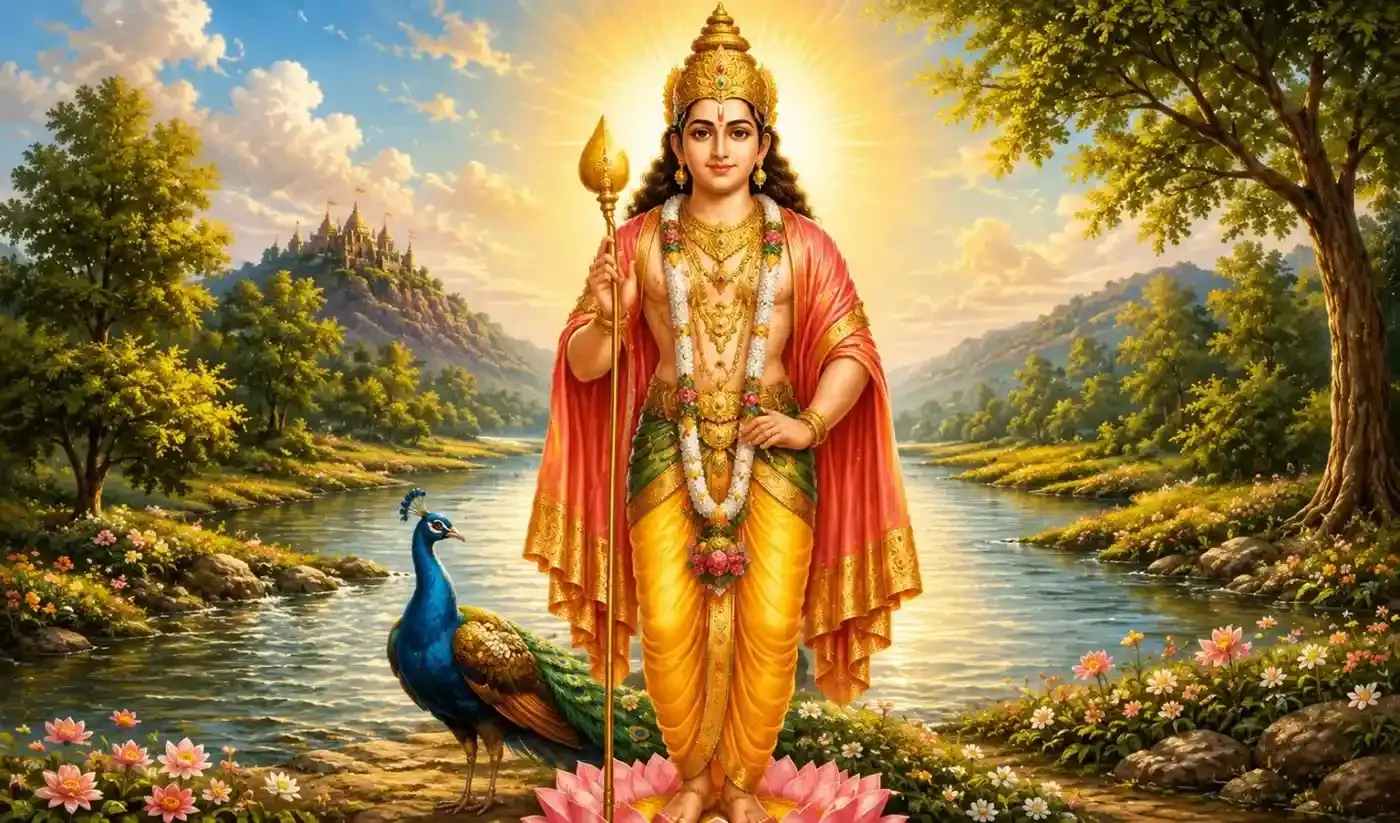
Kumbakonam: Thousands Gather at Swamimalai, Lord Murugan's Fourth Abode, for Kanda Sashti 2026
Jejuri Khandoba Temple Guide: History, the Hill and Steps, Bhandara, Somvati Amavasya, Champa Shashti and How to Reach
Khandoba and the Demons Mani and Malla: The Champa Shashti Story, Its Versions and Its Meaning
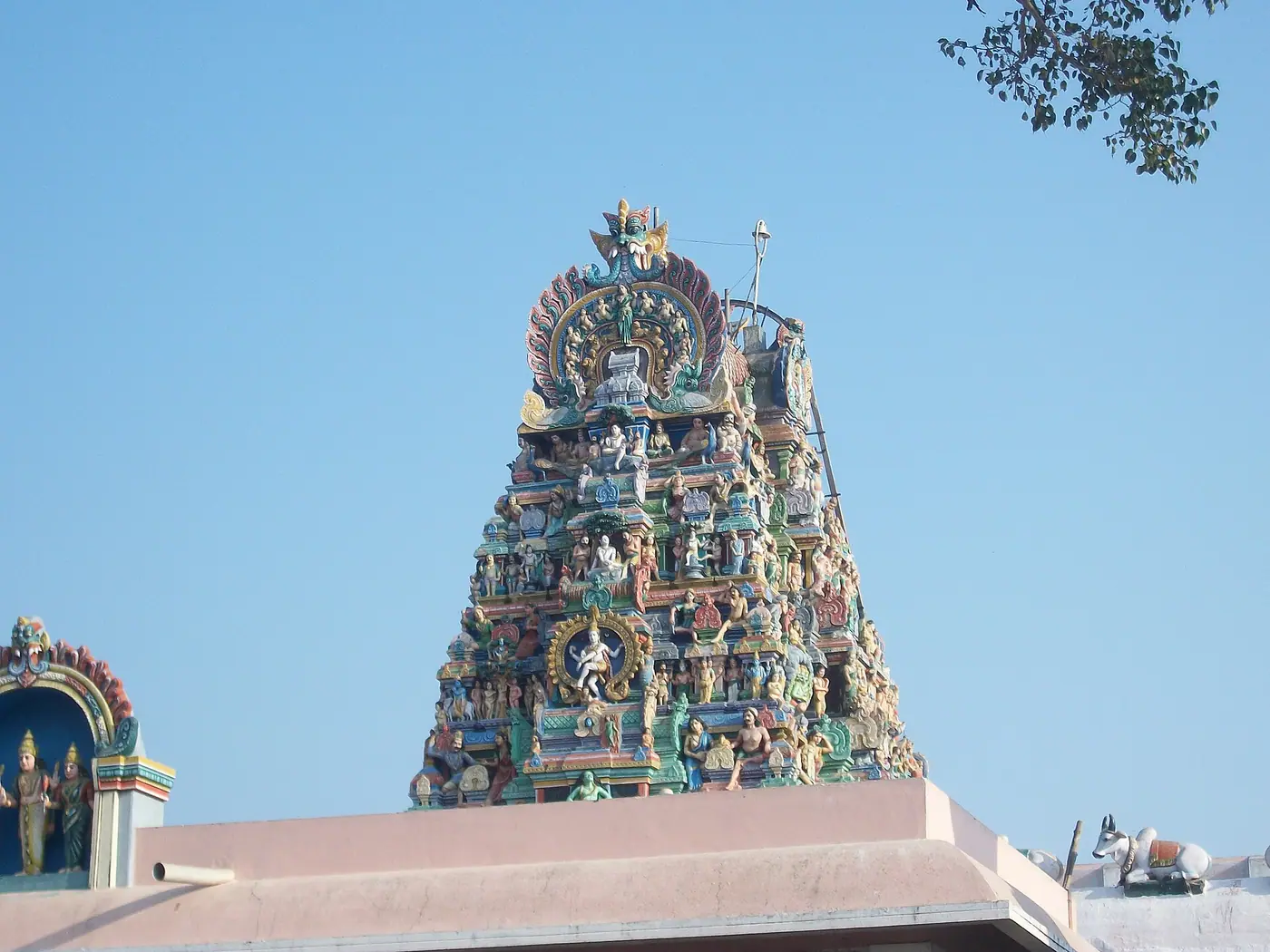
Soorasamharam Story: Murugan, the Vel, Surapadman, the Peacock and the Rooster
Skanda Shashti Vratham: The Six-Day Fast Day by Day, Fasting Rules, Home Puja and What to Recite
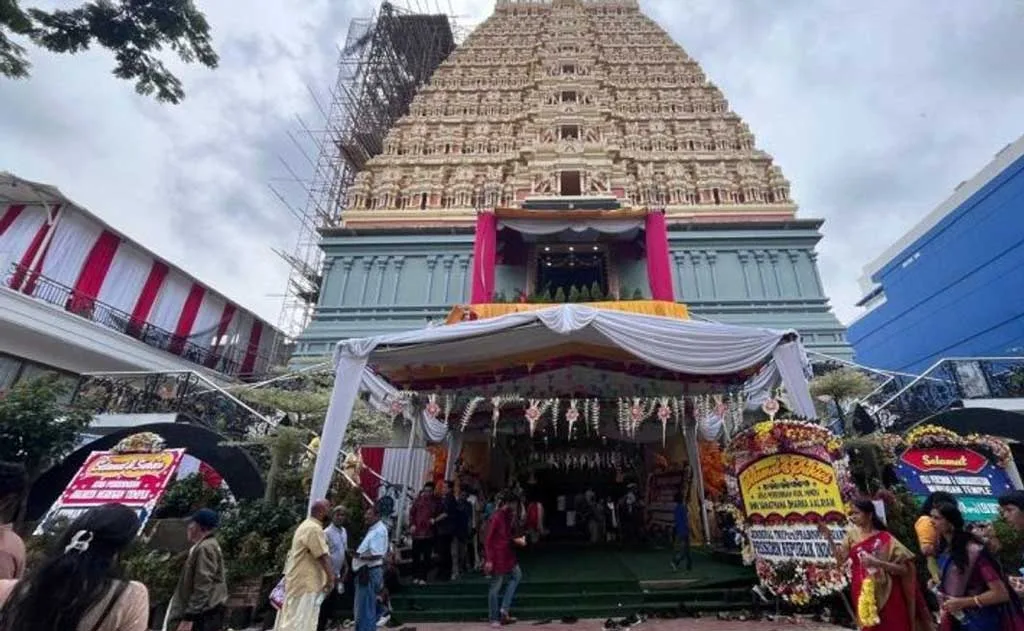
Skanda Sashti 2026 in the UAE and the Gulf: Soora Samharam on Sunday 15 November, Shashti Times by City and a Home Vratam
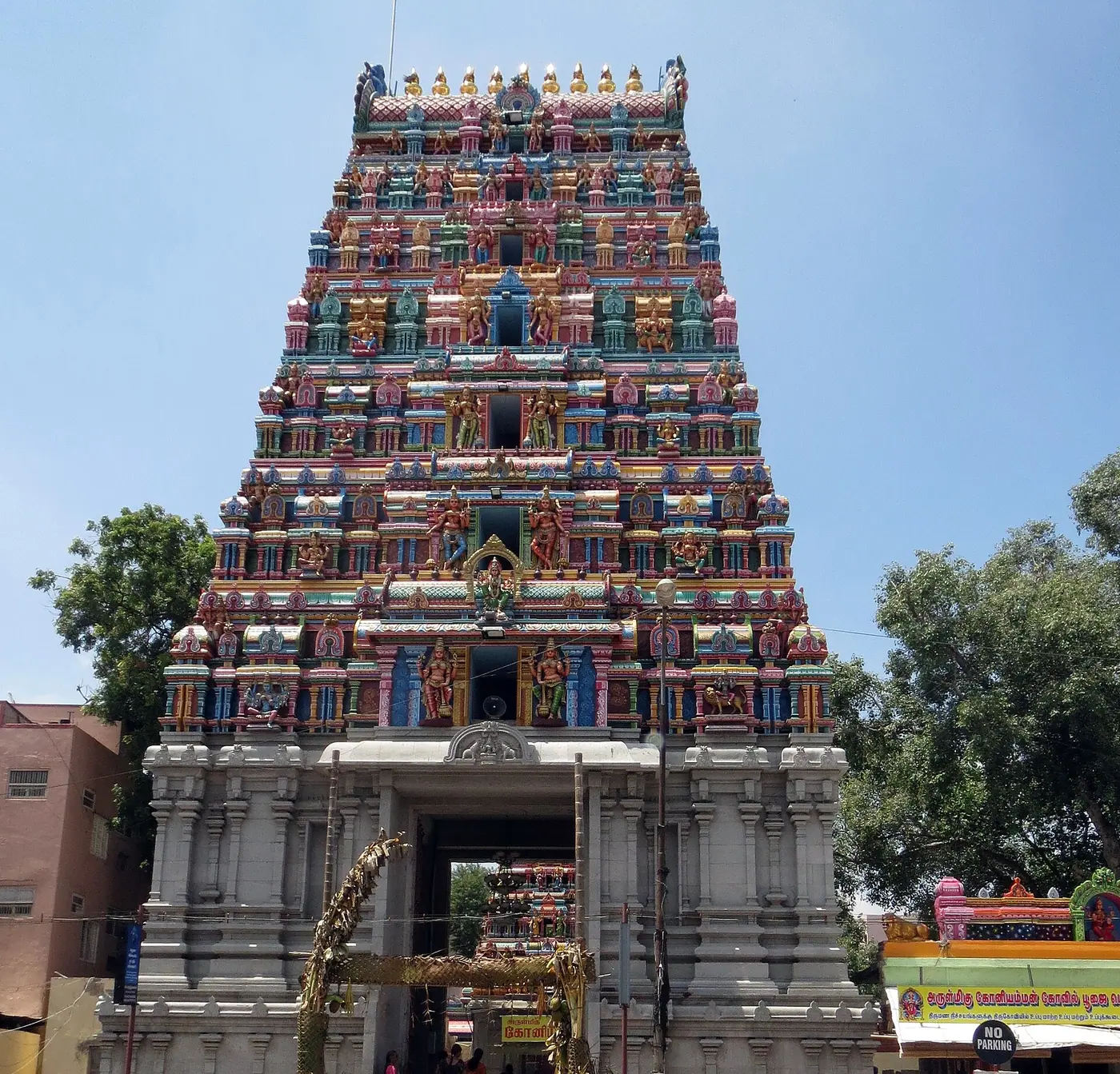
Diwali 2026 in Coimbatore: Deepavali Oil Bath, Lakshmi Puja Muhurat, Cracker Timings, Temples and Kanda Sashti
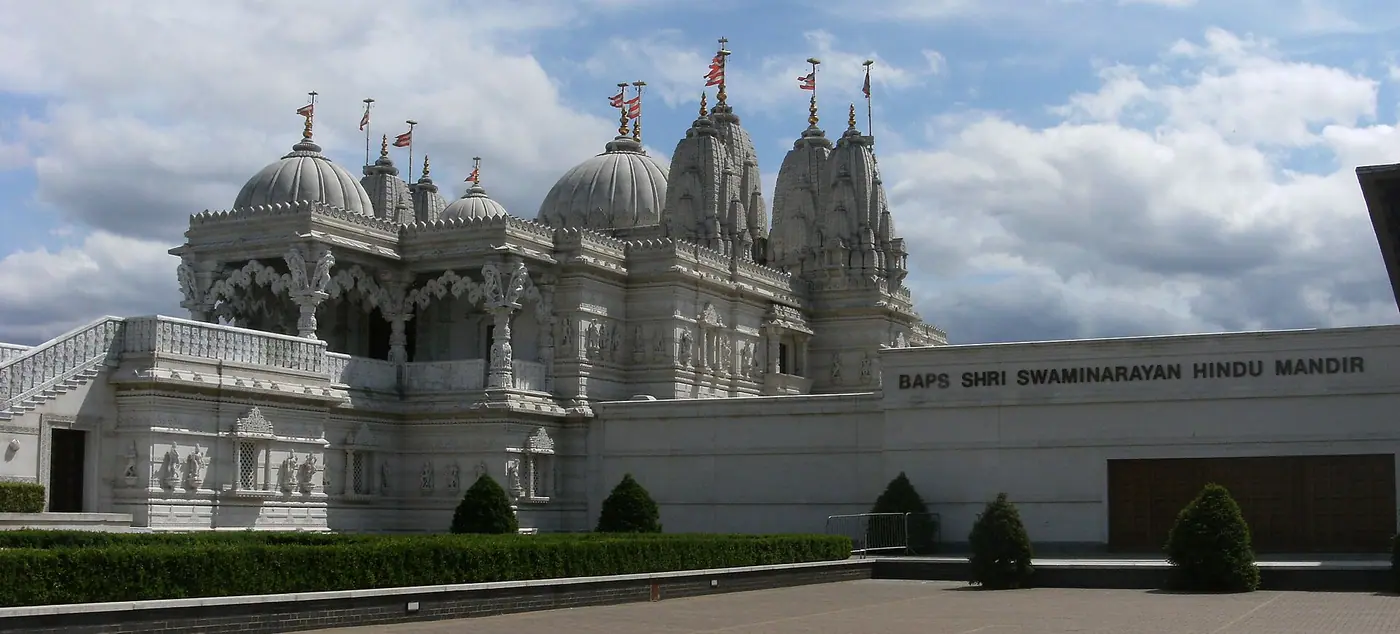
Hindu Temple Events in the UK, November 2026: Diwali, Annakut, Skanda Sashti and Kalyanam at Official Temple Calendars
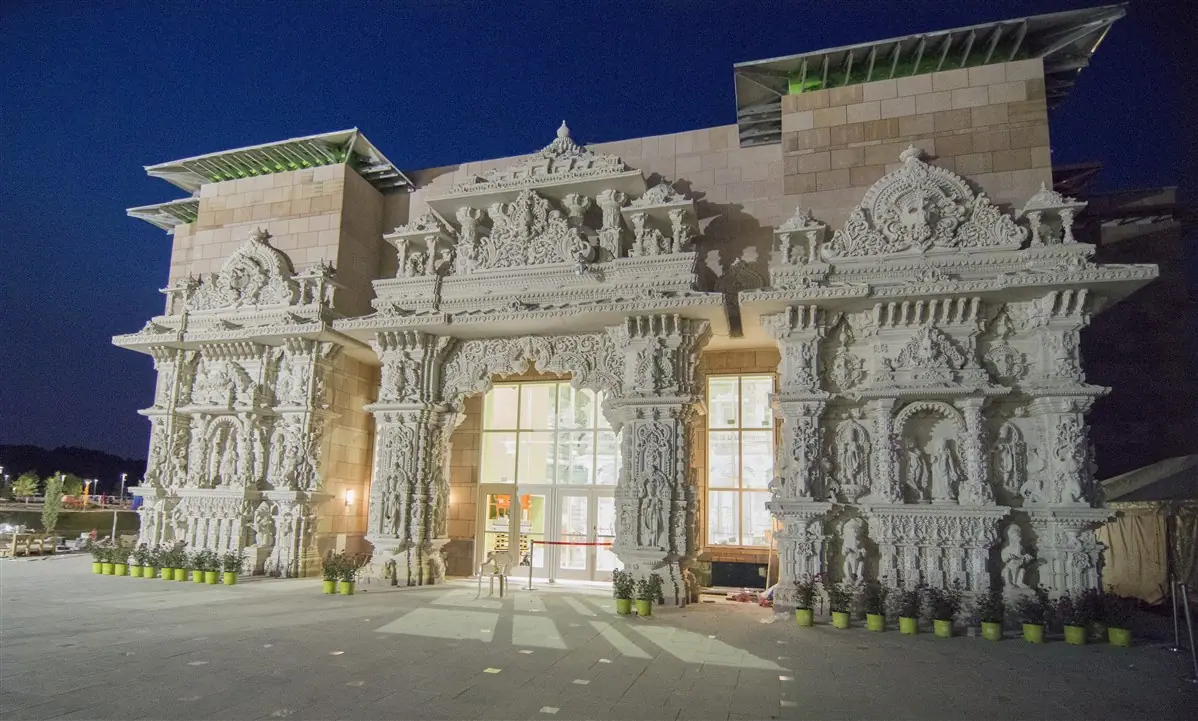
Hindu Temple Events in the USA, November 2026: Diwali, Annakut, Skanda Shashti and Karthika at Official Temple Calendars
Subrahmanya Bhujangam (Adi Shankaracharya): Full Text with Meaning, for Skanda Sashti
Panchangam 15 December 2026, Tuesday: Champa Shashthi and Skanda Sashti (Subrahmanya Shashti), Tithi, Nakshatra and Puja Vidhi
Panchangam 15 November 2026, Sunday: Skanda Sashti, Soora Samharam and Chhath Puja Sandhya Arghya (Hyderabad)
Panchangam 16 October 2026 (Friday): Skanda Sashti, Akal Bodhon, Bilva Nimantran, Saraswati Avahan and Navratri Day 6 (Maa Katyayani)
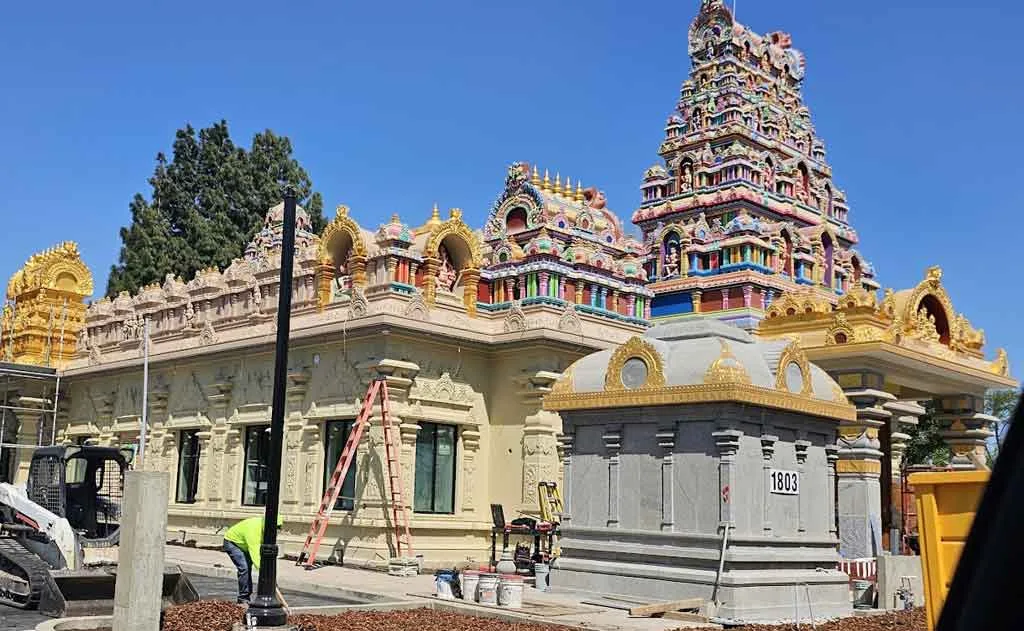
Skanda Sashti 2026 in the USA, Canada, UK and Australia: Soora Samharam Date by Country and How to Observe
Skanda Sashti 2026 in Singapore and Malaysia: Soora Samharam on 15 November, Six-Day Vratam and Murugan Temples
Champa Shashti 2026: Date (15 December), Khandoba of Jejuri, the Six-Day Festival and Kukke Subramanya

December 2026 Festivals State-Wise in India: Champa Shashti, Vaikuntha Ekadashi, Gita Jayanti, Datta Jayanti and More
Skanda Sashti 2026 (Kanda Sashti): Soora Samharam Date 15 November, Shashthi Tithi by City, Six-Day Vratam, Story and Tiruchendur
Subrahmanya Shashti 2026 (Subbaraya Shashti, Margashirsha Skanda Shashti): Date, Shashthi Tithi, Dates Abroad, Vrat and Puja
Murugan Days July 2026: Masik Karthigai & Skanda Sashti
FAQs
What is Skanda Shashti?
Skanda Shashti honours Lord Murugan, also called Skanda, Kartikeya or Subramanya, and his victory over the demon Surapadman. In Tamil Nadu the main festival lasts six days and ends with Soorasamharam, a dramatic re-enactment of the battle at temples such as Tiruchendur. Many devotees fast throughout.
When is Skanda Shashti celebrated?
The Tamil Skanda Shashti festival is held in the month of Aippasi, usually October–November, ending on the sixth day of the bright fortnight. In Andhra Pradesh, Telangana and Karnataka, Subramanya Shashti is observed in Margashirsha, usually November–December. Every month's Shukla Shashti is also sacred to Murugan. Check our panchang for dates.
How do devotees observe the Skanda Shashti fast?
Devotees may keep a full or partial fast for the six days, eating once a day or only fruits and milk, and recite Murugan hymns such as Kanda Sashti Kavasam. The fast is usually broken after Soorasamharam or the next day's Thirukalyanam. Anyone with health conditions should choose a gentle form of fasting.