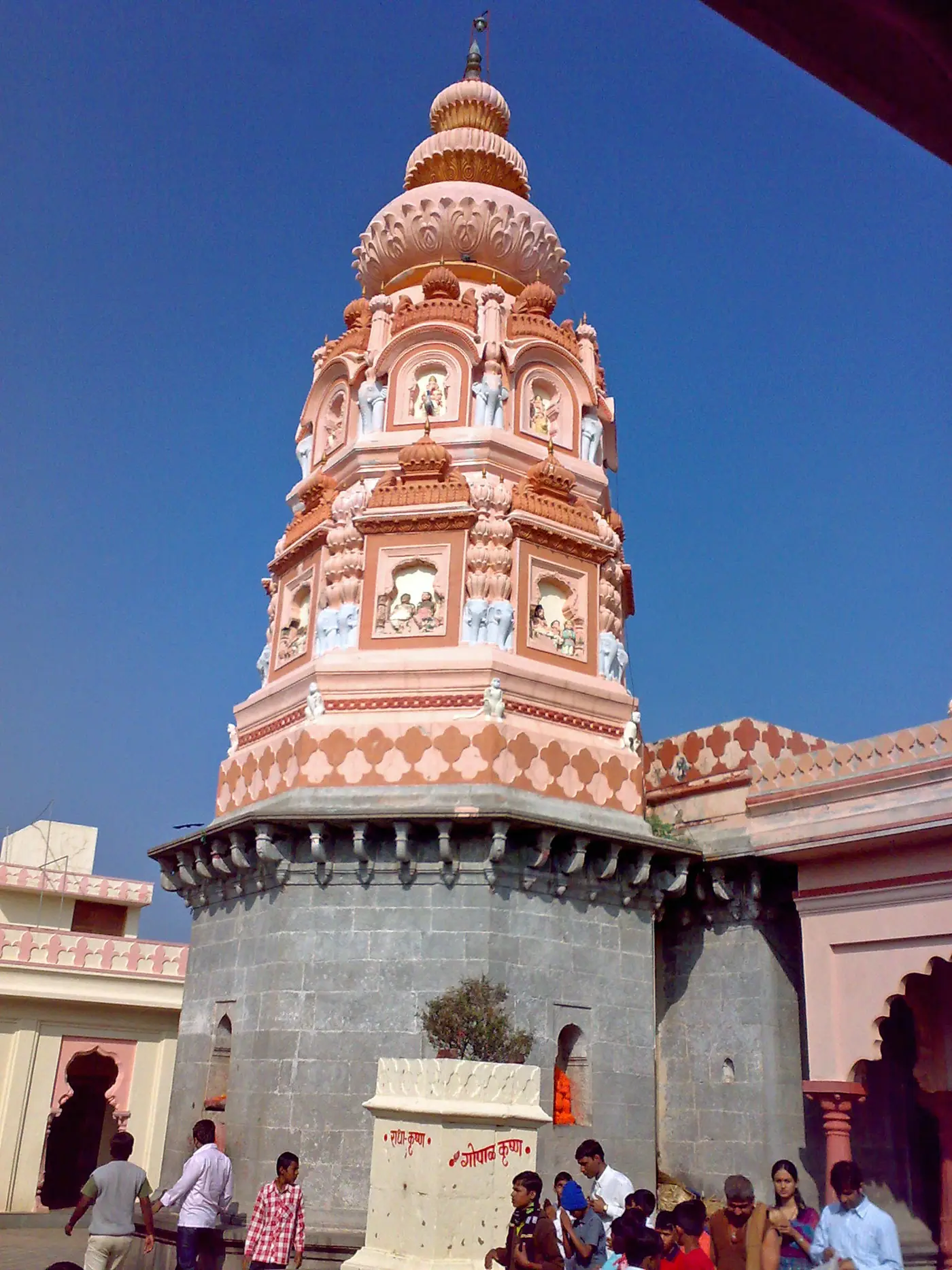
Shri Mayureshwar Temple, Morgaon
श्री मोरेश्वर मंदीर
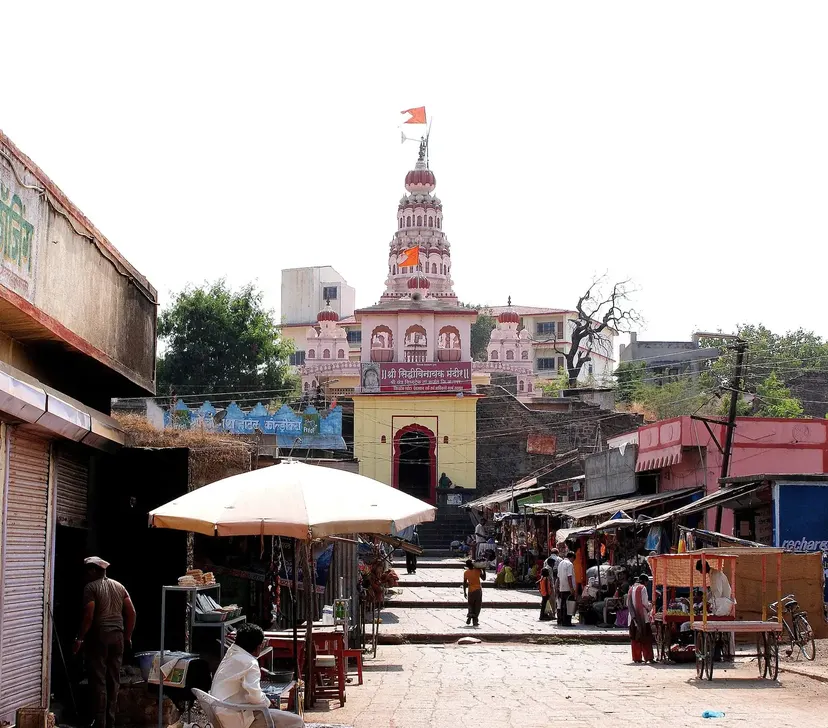
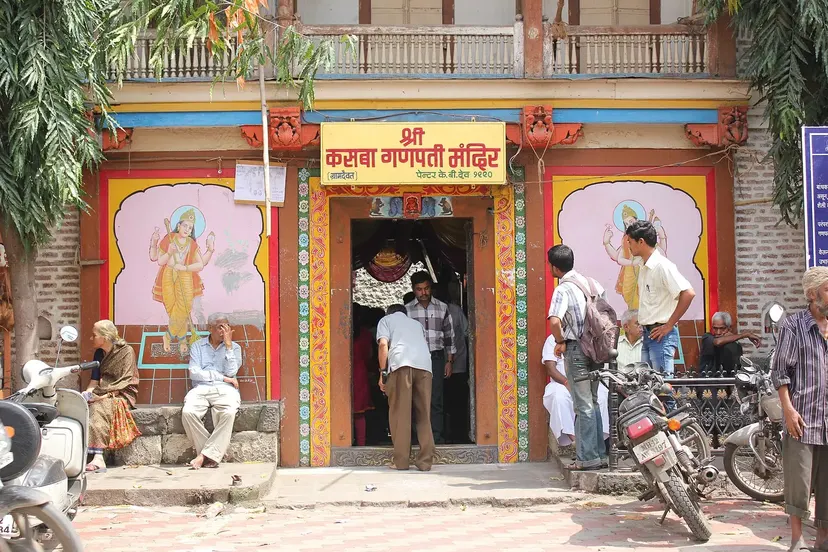
Ganesha (Mayureshwar) temple · Morgaon, Pune, Maharashtra, India
Photo: Redtigerxyz · CC BY-SA 3.0 · via Wikimedia Commons
Shri Mayureshwar Temple, also called Moreshwar, is a temple of Ganesha in Morgaon village in Pune district, Maharashtra. Ganesha is worshipped here as Mayureshwar, the lord who rides a peacock. Maharashtra Tourism describes it as the most important temple of the Ashtavinayak circuit, the pilgrimage to eight Ganesha shrines, and as both the first and the last stop of that yatra.
The image in the sanctum is regarded as swayambhu (self-manifested). Pune district administration lists Morgaon among the six Ashtavinayak temples that lie within the district, alongside Theur, Ranjangaon, Ozar, Lenyadri and Siddhatek.
Faith & Tradition
Religious Significance of Shri Mayureshwar Temple, Morgaon
Maharashtra Tourism calls Morgaon the spiritual headquarters of the Ganapatya tradition, the devotees who worship Ganesha as the Supreme Being. Because the Ashtavinayak yatra traditionally starts and ends here, many pilgrims treat a visit to Morgaon as the frame for the whole circuit.
According to tradition, Ganesha took the form of Mayureshwar, mounted on a peacock, to defeat the demon Sindhu, and this battle is placed at Morgaon. The village name is popularly linked to 'mora', the peacock. These are devotional accounts rather than historical records.
The temple also has a long link with the Ganapatya saint Moroba (Moraya) Gosavi. The 1885 Poona District Gazetteer records that he, the founder of the Dev family of Chinchwad, used to worship his favourite deity at Morgaon before the worship was moved to Chinchwad. The Pune district's older heritage page notes that the deity's palanquin (palkhi) travels from Chinchwad on the Magha and Bhadrapada Shukla Chaturthi festivals.
Heritage
History of Shri Mayureshwar Temple, Morgaon
No reliable founding date for the temple was found in the sources checked. The Poona District Gazetteer, compiled in 1885 and reprinted by the Government of Maharashtra, describes Morgaon as a large market town on the left bank of the Karha river with 'a large handsome temple of Ganpati'. It notes that the floor stones of the temple are laid out in the shape of a large tortoise.
The same gazetteer records an ornamented square rest-house with a dome near the temple, built in 1792 and described as unusually fine work. It also cites Captain Moor, who in 1792 described Morgaon as a large town with a fairly good market, a handsome temple and a rest-house then under construction. A yearly fair was then held at the temple from Ganesh Chaturthi in Bhadrapada until the tenth day of the bright half of Ashvin.
Architecture and sacred features
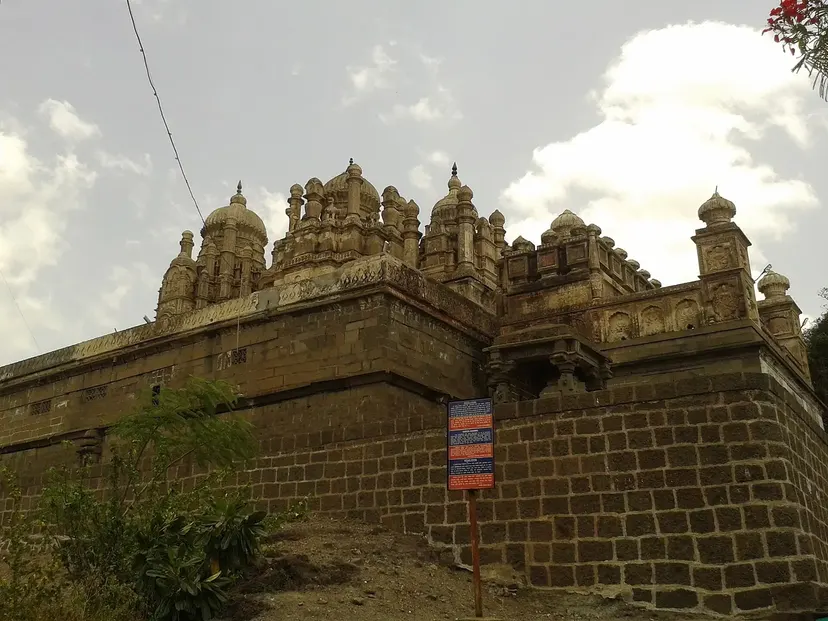
Maharashtra Tourism describes the temple as built of black basalt and enclosed by four tall corner towers, which it calls minarets. A Nandi (bull) figure stands at the temple, which is unusual for a Ganesha shrine. Inside, the east-facing swayambhu image of Mayureshwar is flanked by images of Riddhi and Siddhi, and the roof of the sanctum carries carvings of the ashtadikpalas, the guardians of the eight directions.
Pune district's heritage page describes the image as having a serpent above its head and records eight Ganesha images placed in the eight corners of the temple: Ekadanta, Mahodara, Gajanana, Lambodara, Vikata, Nataraja, Dhumravarna and Vakratunda.
Plan Your Visit
Darshan and Visitor Information
Maharashtra Tourism notes that devotees here are allowed to perform abhishekam (ritual bathing) directly on the image, unlike many temples where worship happens from a distance, and that parking is available near the temple. Ritual arrangements can change, so confirm current arrangements with the temple management before travelling.
Timings and arrangements change with seasons and festivals. Confirm current details with the temple administration before travelling. Last reviewed 5 October 2026.
Sacred Calendar
Festivals at Shri Mayureshwar Temple, Morgaon
Ganesh Chaturthi
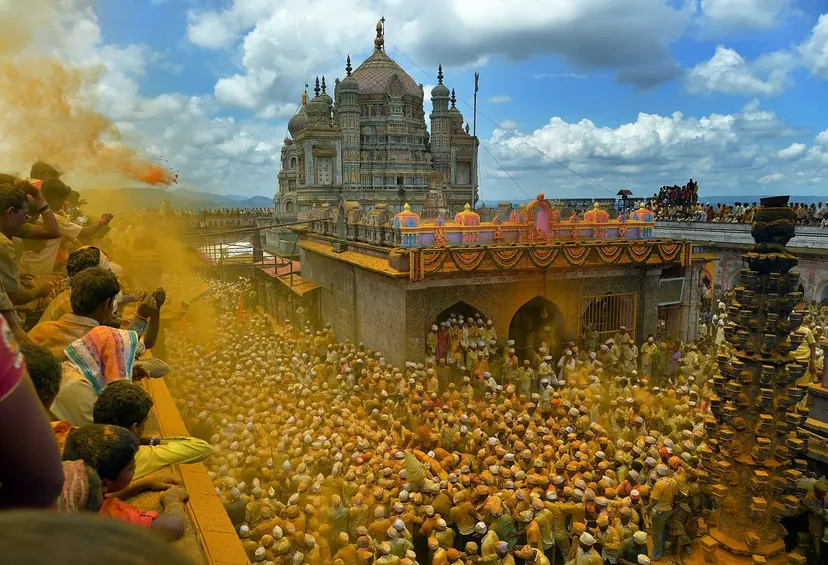
Maharashtra Tourism calls it the temple's grandest festival, with abhishek, maha-aarti and bhajans. The 1885 gazetteer records a yearly fair from this day until the tenth of the bright half of Ashvin.
Maghi Ganesh Jayanti
Ganesha's birth is marked with special pujas, recitation of Ganesh stotras and the lighting of lamps. The deity's palkhi from Chinchwad is linked with this Chaturthi.
Shashti palanquin procession
On the sixth lunar day of these months, the deity is carried through Morgaon village in a silver palanquin, according to Maharashtra Tourism.
Sankashti Chaturthi
Devotees fast until moonrise and offer modaks to Mayureshwar.
Vijayadashami
Pune district's heritage page lists Vijayadashami among the occasions when fairs and celebrations are held at Morgaon.
Location
How to Reach Shri Mayureshwar Temple, Morgaon
According to Maharashtra Tourism, Morgaon is about 80 km from Pune by road, and state transport buses run between Pune's Swargate bus stand and Morgaon. The nearest railway station is Jejuri, about 17 km away, and the nearest airport is Pune International Airport, about 80 km away. Taxis are available from both.
Location: Morgaon, Pune, Maharashtra, India
Nearest airport: Pune International Airport (about 80 km)
Nearest railway station: Jejuri (about 17 km)
More in Hindu temples in Maharashtra · Ganesha (Mayureshwar) temples · Temples in Morgaon · Temples in Baramati Taluka · Temples in Pune District
Questions
Shri Mayureshwar Temple, Morgaon: Frequently Asked Questions
Is the Morgaon temple the first Ashtavinayak temple?
Yes. Maharashtra Tourism describes Shri Mayureshwar at Morgaon as the first and last stop of the Ashtavinayak yatra and the most significant temple of the circuit.
Why is Ganesha called Mayureshwar at Morgaon?
Mayureshwar means lord of the peacock. According to tradition, Ganesha rode a peacock to defeat the demon Sindhu at this place.
Which district is Morgaon in?
Morgaon is in Pune district, Maharashtra. Pune district administration lists it as one of the six Ashtavinayak temples within the district.
What is unusual about the temple?
It has a Nandi figure, which is normally found at Shiva temples, and four tall corner towers. The 1885 gazetteer also notes that its floor stones are laid out in the shape of a large tortoise.
How do I reach Morgaon from Pune?
Maharashtra Tourism puts Morgaon about 80 km from Pune by road, with state transport buses from Swargate. Jejuri, about 17 km away, is the nearest railway station.
What is the connection between Morgaon and Chinchwad?
The 1885 Poona District Gazetteer records that Moroba Gosavi, founder of the Dev family of Chinchwad, worshipped at Morgaon before the worship moved to Chinchwad. The deity's palkhi travels from Chinchwad during the Magha and Bhadrapada Chaturthi festivals.
Sources and attribution
- © OpenStreetMap contributors — location data © OpenStreetMap contributors (ODbL)
- Wikidata Q6912006 — structured data (CC0)
- Wikipedia — Ganesha_Temple,_Morgaon — text facts from Wikipedia, licensed CC BY-SA 4.0
- Department of Tourism, Government of Maharashtra — Morgaon (Ashtavinayak)
- District Administration, Pune — Religious Places (Ashtavinayak temples in Pune district)
- The Gazetteers Department, Government of Maharashtra — Poona District Gazetteer: Places – Morgaon (1885, reprint 2006)
- National Informatics Centre, District Office Pune — Historical Monuments (Pune): Moreshwar or Mayureshwar
- Wikipedia — Ganesha Temple, Morgaon (used as a pointer to sources only)
Further reading: Shri Mayureshwar Temple, Morgaon on Wikipedia (CC BY-SA 4.0).
Spotted an error? Write to info@hindutone.com — see our editorial policy.