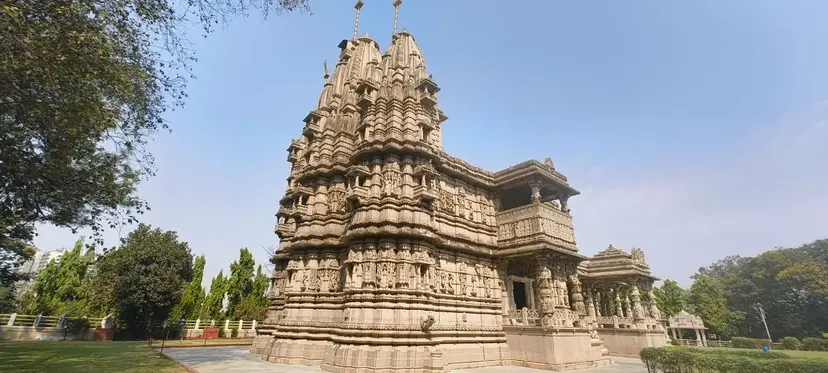
Walkeshwar Temple
Shiva (Walkeshwar) temple · Mumbai, Mumbai City, Maharashtra, India
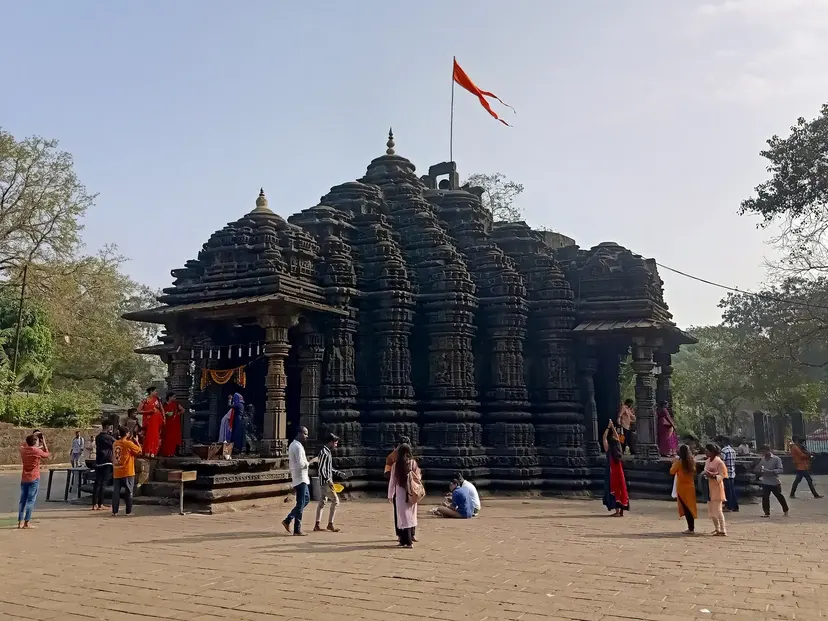
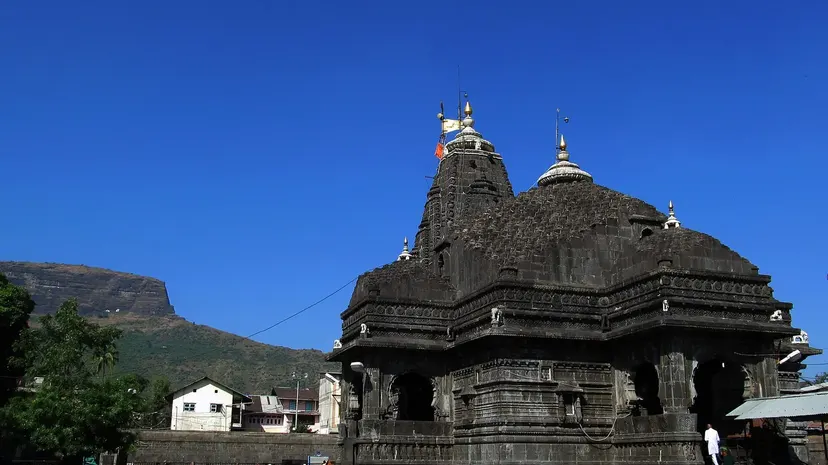
Walkeshwar Temple is a Shiva temple at Walkeshwar on Malabar Hill in South Mumbai, Maharashtra. The British Library describes Malabar Hill as the highest point of old Bombay. The temple's name is linked to a linga of sand, and its complex includes the Banganga Tank, which the Free Press Journal describes as a heritage temple tank nearly nine centuries old.
The temple and tank are owned by the Goud Saraswat Brahmin (GSB) Temple Trust, according to the Free Press Journal, and the complex is surrounded by smaller shrines and maths.
Faith & Tradition
Religious Significance of Walkeshwar Temple
According to tradition, Rama stopped here on his way to Lanka in search of Sita. While a linga was being fetched for worship, he made one of sand, and the shrine came to be called Walukeshwar, the Lord of Sand. The Mumbai pages hosted by TIFR trace the name to the Sanskrit Valuka Ishwar, an idol made of sand.
The Banganga Tank has its own legend: an arrow (baan) shot into the ground is said to have brought forth Ganga water. Versions differ on who shot it. The GSB Temple Trust and the Mumbai City district administration name Lakshmana, other tellings name Rama, and the TIFR pages also record a version that credits Parashurama. The tank is spring-fed, and its water stays fresh even though it lies only a short distance from the sea.
Heritage
History of Walkeshwar Temple
According to the Mumbai City district administration and trust members quoted by the Free Press Journal, the original temple and tank were built in 1127 CE by Lakshman Prabhu, a minister at the court of the Silhara kings of Thane. The British Library likewise credits the Silhara dynasty with founding the original temple.
The British Library records that the temple was destroyed during Portuguese rule and rebuilt in 1715, with funds from Rama Kamath. By 1860 the site had attracted 10 to 20 other temples and about 50 dharamshalas around it, and fairs were held nearby.
The main temple has since been rebuilt again and is now a reinforced concrete structure, according to the TIFR Mumbai pages and the trust. Older structures in the complex include a Peshwa-era Venkateshwar Balaji shrine dated to 1789 and a Rameshwar temple probably built in 1825.
Architecture and sacred features
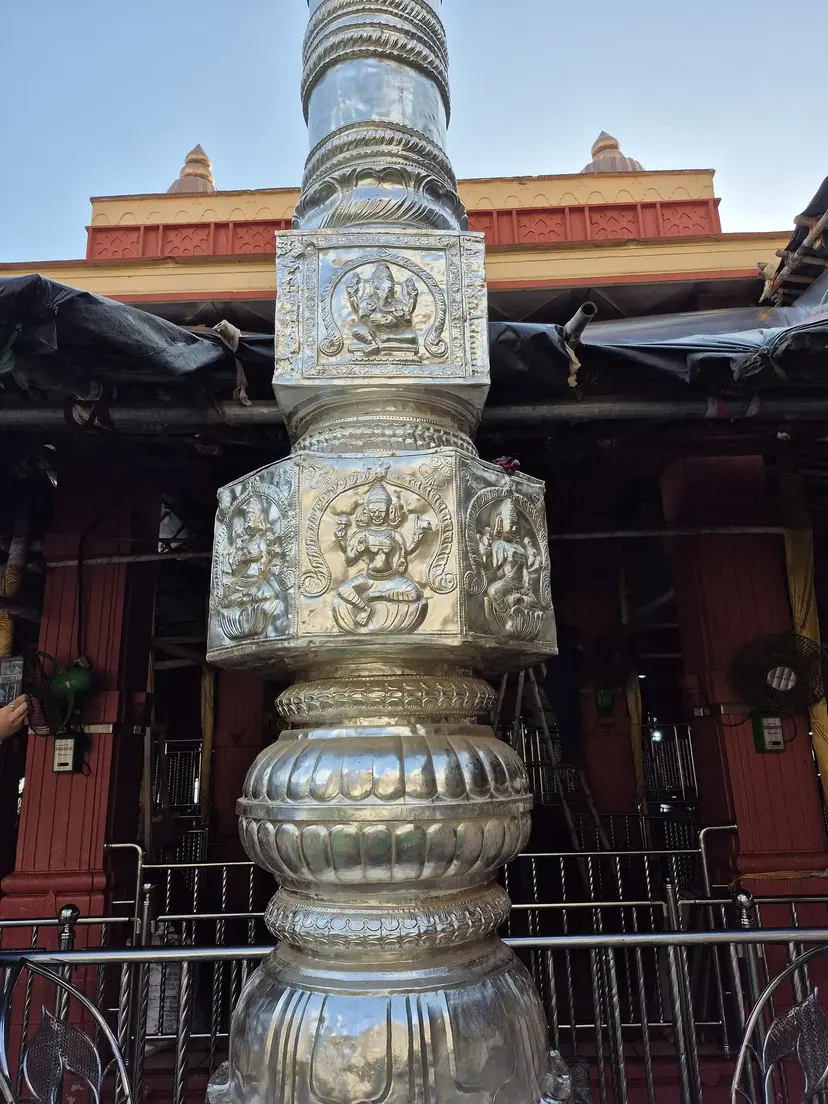
The Banganga Tank is rectangular, with steps on all four sides and large deepa-sthambhas (lamp pillars) at the entrance, as described by the Free Press Journal. The Kashi Math and Kaivalya Math of the Goud Saraswat community stand nearby, along with samadhi shrines of several Advaita teachers, including Nisargadatta Maharaj.
Plan Your Visit
Darshan and Visitor Information
Walkeshwar is an active place of worship within a residential neighbourhood. Dress modestly and keep noise low around the tank and the samadhi shrines. Confirm current arrangements with the GSB Temple Trust before visiting during festivals.
Timings and arrangements change with seasons and festivals. Confirm current details with GSB Temple Trust (owner of the main temple and Banganga Tank) before travelling. Last reviewed 5 October 2026.
Sacred Calendar
Festivals at Walkeshwar Temple
Tripurari Purnima (Dev Diwali) at Banganga
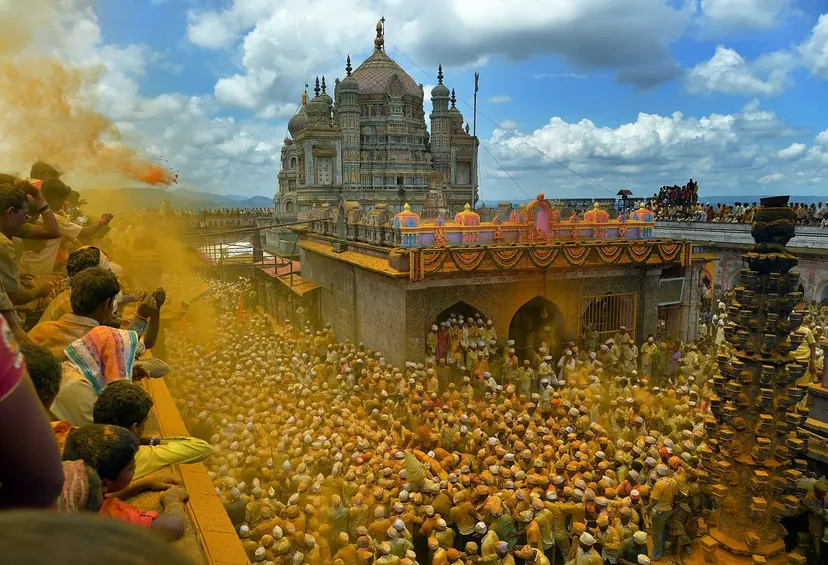
Thousands of lamps are lit on the steps of the Banganga Tank and an aarti is performed. The GSB Temple Trust organises the event.
Location
How to Reach Walkeshwar Temple
The temple lies at Walkeshwar on Malabar Hill in South Mumbai, within Mumbai City district, and can be reached using the city's road transport. Visitors from outside Mumbai arrive through the city's international airport or its main railway termini and then travel on by road.
Location: Mumbai, Mumbai City, Maharashtra, India
Nearest airport: Mumbai
Nearest railway station: Mumbai
More in Hindu temples in Maharashtra · Shiva (Walkeshwar) temples · Temples in Mumbai City District
Questions
Walkeshwar Temple: Frequently Asked Questions
What does the name Walkeshwar mean?
It comes from Valuka Ishwar, 'Lord of Sand', after the tradition that Rama made a linga of sand here.
Who built the Walkeshwar Temple?
Sources say the original was built in 1127 CE by Lakshman Prabhu, a minister of the Silhara kings. It was destroyed under Portuguese rule and rebuilt in 1715 with funds from Rama Kamath.
Is the present temple building old?
No. The main shrine has been rebuilt several times and is now a reinforced concrete structure. Some smaller shrines around the tank date from the late 18th and early 19th centuries.
Why is the Banganga Tank's water fresh so close to the sea?
The tank is fed by a spring, which is why its water stays fresh. Devotees link this to the legend of an arrow bringing forth Ganga water.
Who manages Walkeshwar Temple?
The Free Press Journal reports that the GSB Temple Trust owns the main Walkeshwar Temple and the Banganga Tank.
Is the Banganga music festival still held?
The Banganga Festival of classical music was once held here, but a local resident quoted by the Free Press Journal in 2023 described it as a thing of the past.
Sources and attribution
- © OpenStreetMap contributors — location data © OpenStreetMap contributors (ODbL)
- Wikidata Q7962402 — structured data (CC0)
- Wikipedia — Walkeshwar Temple — text facts from Wikipedia, licensed CC BY-SA 4.0
- The British Library — Village of Walkeshwar, Malabar Point, Bombay (archived)
- The British Library — Malabar Hill, Bombay – Views in the island of Bombay (archived)
- Mumbai City District Administration, Government of Maharashtra — Culture & Heritage – Banganga Tank
- Mumbai/Bombay pages, Tata Institute of Fundamental Research — The Walkeshwar Temple / The Banganga Tank
- Free Press Journal — Dev Diwali 2023: Banganga In South Mumbai To Light Up For Tripurari Purnima
Further reading: Walkeshwar Temple on Wikipedia (CC BY-SA 4.0).
Spotted an error? Write to info@hindutone.com — see our editorial policy.