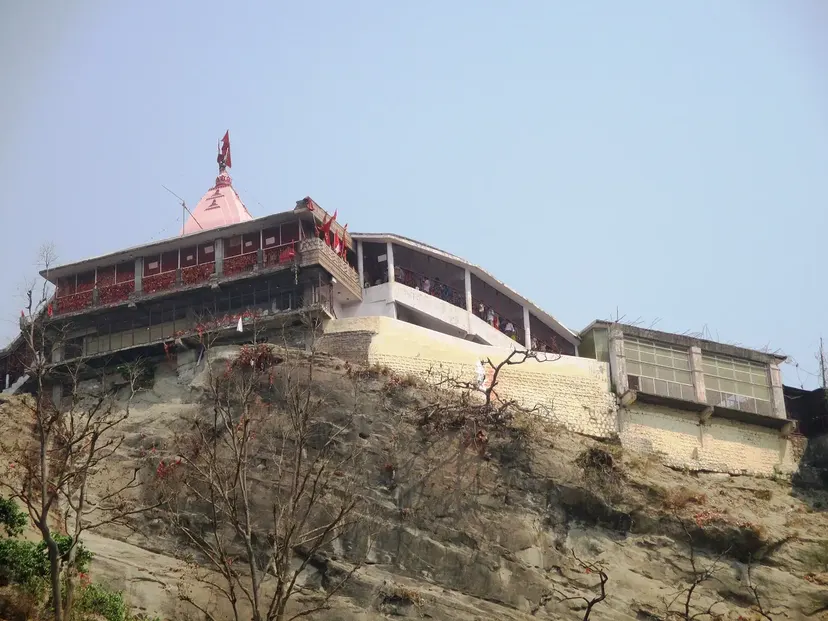
Neelkanth Mahadev Temple
Shiva as Neelkanth (the blue-throated one), worshipped as a Shivalinga temple · Neelkanth, near Rishikesh, Pauri Garhwal, Uttarakhand, India
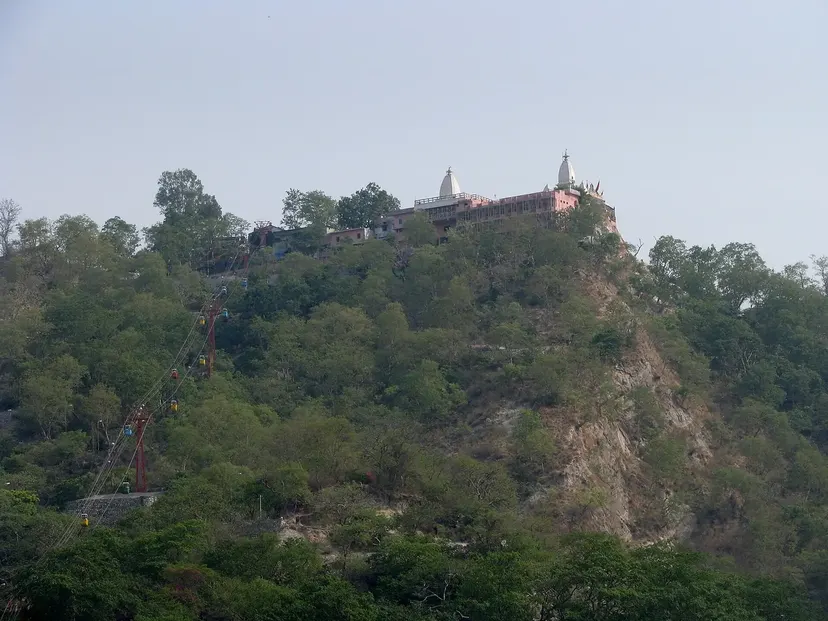
Neelkanth Mahadev Temple is a Shiva temple in the forested hills of Pauri Garhwal district, Uttarakhand, reached from Rishikesh across the Ganga. The Pauri Garhwal district administration places it at an altitude of 926 metres, set among three valleys known as Vishnukoot, Brahmakoot and Manikoot, at the meeting point of two streams, the Madhumati and the Pankaja.
The temple takes its name from the epithet Neelkanth, 'the blue-throated one'. According to tradition, this is where Shiva drank the poison that rose from the churning of the ocean, and the shrine is one of the main destinations of the Kanwar pilgrims who arrive in the month of Shravan. Incredible India, the Ministry of Tourism's portal, lists it among the much-visited spiritual sites of Rishikesh.
Faith & Tradition
Religious Significance of Neelkanth Mahadev Temple
The temple's importance rests on a story from the Puranas. When the gods and demons churned the ocean for amrita, a deadly poison (called Halahala or Kalkut) emerged before the nectar. According to the legend, Shiva drank it to save the world, and it turned his throat blue. Both the Pauri district administration and Wikipedia record the local belief that this happened at the site of the present temple, which is how the place came to be called Neelkanth.
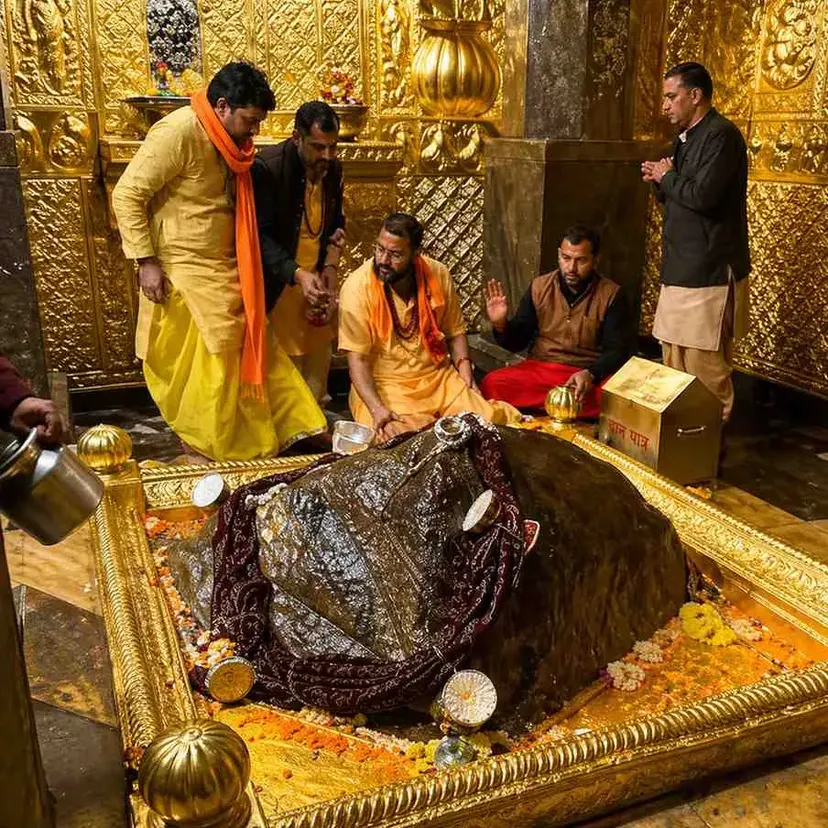
Wikipedia adds a further tradition: that Shiva meditated here for a very long time to calm the effect of the poison, beneath a tree at the confluence of the Pankaja and Madhumati, and that the sanctum stands at that spot. The presiding deity is worshipped as a Shivalinga. These accounts are matters of belief and are presented here as such.
For many devotees, the walk to Neelkanth is part of the Kanwar pilgrimage. In July 2026 the news agency ANI, as carried by Republic World, reported thousands of devotees arriving on foot from Rishikesh by way of Lakshman Jhula, Ram Jhula and the Ganga banks to offer jalabhishek (pouring of holy water on the linga) during Shravan, with some pilgrims completing the journey by repeated prostration as a vow.
Heritage
History of Neelkanth Mahadev Temple
Reliable published sources say little about when the temple was founded. The Pauri district administration describes the temples here as centuries old but gives no date, and no archaeological dating of the present structure was found. The page therefore does not state a founding date.
What is well documented is the temple's role as a pilgrimage centre. Wikipedia records two annual fairs, on Maha Shivaratri and on the Shivaratri of Shravan, during which Kanwar pilgrims trek to the temple from Haridwar. The ANI report of July 2026 describes the annual Kanwar Yatra as drawing lakhs of devotees from across the country during Shravan, with Neelkanth among the shrines they head for.
Architecture and sacred features
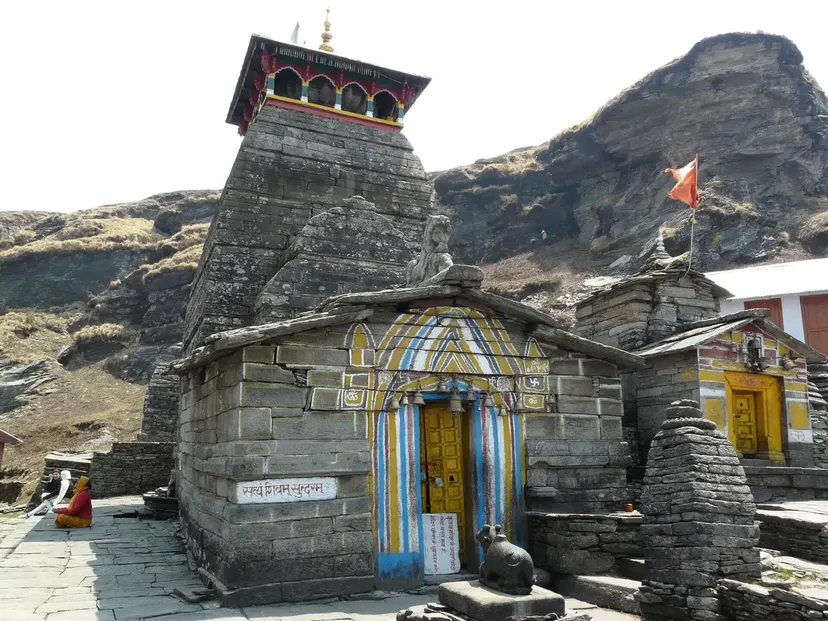
Unlike most temples of the Garhwal hills, Neelkanth Mahadev has a tall gateway tower of South Indian type. Wikipedia describes the tower as built in tiers rising like a pyramid, with carved motifs and friezes, and with sculptures of gods and demons that depict the churning of the ocean. The main deity is a Shivalinga in the sanctum.
The complex also has a natural spring, and Wikipedia notes that devotees usually bathe there before entering the temple. Incredible India describes the shrine as standing on a hilltop across the Ganges and notes its architecture.
Plan Your Visit
Darshan and Visitor Information
The temple is very crowded during Shravan and on Maha Shivaratri, when the roads and footpaths from Rishikesh are heavily used by pilgrims. The forest walking route is steep in places, so carry water and start early. Respect the rules of the temple on offerings and photography. Confirm current timings, road conditions and arrangements locally or with the Pauri Garhwal district administration before visiting.
Timings and arrangements change with seasons and festivals. Confirm current details with the temple administration before travelling. Last reviewed 1 November 2026.
Sacred Calendar
Festivals at Neelkanth Mahadev Temple
Shravan Kanwar Mela
Kanwar pilgrims walk from Haridwar and Rishikesh to offer jalabhishek to Neelkanth Mahadev; Wikipedia records a fair on the Shivaratri of Shravan.
Maha Shivaratri
Wikipedia describes Maha Shivaratri as the temple's most prominent festival, with an annual fair.
Location
How to Reach Neelkanth Mahadev Temple
According to the Pauri Garhwal district administration, the temple is 32 km from Rishikesh by road via the barrage and 22 km via Ram Jhula, and 22 km from Swargashram. There is also a walking route of about 12 km through dense forest, which many pilgrims use, especially during Shravan.
Rishikesh is the usual base for the journey. The district administration notes that accommodation is available at the irrigation and forest rest houses near the temple; confirm current availability before travelling.
Location: Neelkanth, near Rishikesh, Pauri Garhwal, Uttarakhand, India
More in Hindu temples in Uttarakhand · Shiva as Neelkanth (the blue-throated one), worshipped as a Shivalinga temples · Temples in Pundrasu · Temples in Yamkeshwar Tehsil · Temples in Pauri Garhwal District
Questions
Neelkanth Mahadev Temple: Frequently Asked Questions
Where is Neelkanth Mahadev Temple?
It is in Pauri Garhwal district of Uttarakhand, in the hills across the Ganga from Rishikesh, at an altitude of 926 m according to the district administration.
Why is the temple called Neelkanth?
According to legend, Shiva drank the poison that emerged from the churning of the ocean at this spot, and it turned his throat blue. Neelkanth means 'the blue-throated one'.
How far is Neelkanth Mahadev from Rishikesh?
The Pauri Garhwal district administration gives 32 km by road via the barrage and 22 km via Ram Jhula. There is also a forest walking route of about 12 km.
When is the temple most crowded?
During Shravan (July–August), when Kanwar pilgrims arrive to offer jalabhishek, and on Maha Shivaratri.
What is unusual about the temple's architecture?
It has a tiered gateway tower in the South Indian style, decorated with sculptures of gods and demons churning the ocean, according to Wikipedia.
How old is Neelkanth Mahadev Temple?
No reliable founding date has been published. The district administration calls the temples here centuries old but does not date them.
Sources and attribution
- District Pauri Garhwal, Government of Uttarakhand — Neelkanth Mahadev Temple
- Ministry of Tourism, Government of India (Incredible India) — Spiritual sites to see in Rishikesh
- Wikipedia — Nilkanth Mahadev
- Republic World (ANI) — Kanwar Yatra 2026: Devotees Throng Neelkanth Mahadev Temple During Sawan (31 Jul 2026)
Further reading: Neelkanth Mahadev Temple on Wikipedia (CC BY-SA 4.0).
Spotted an error? Write to info@hindutone.com — see our editorial policy.