Must-Visit Hindu Temples in Singapore for Diwali Celebrations
Deepavali, known as Diwali in many parts of India, is Singapore's most vibrant Hindu festival and the only Hindu religious public holiday in the nation.
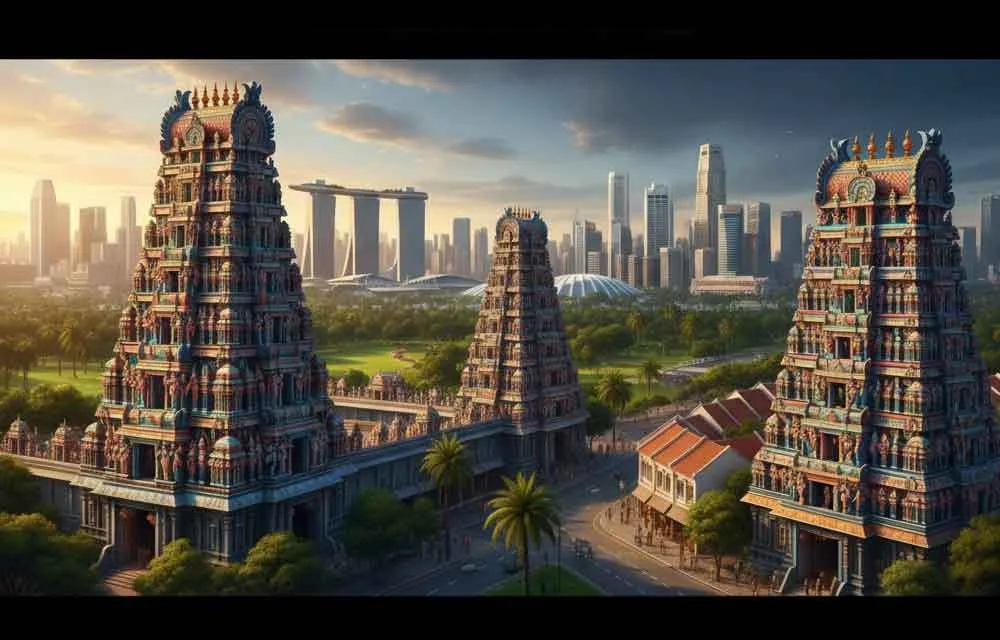
Deepavali, known as Diwali in many parts of India, is Singapore's most vibrant Hindu festival and the only Hindu religious public holiday in the nation.
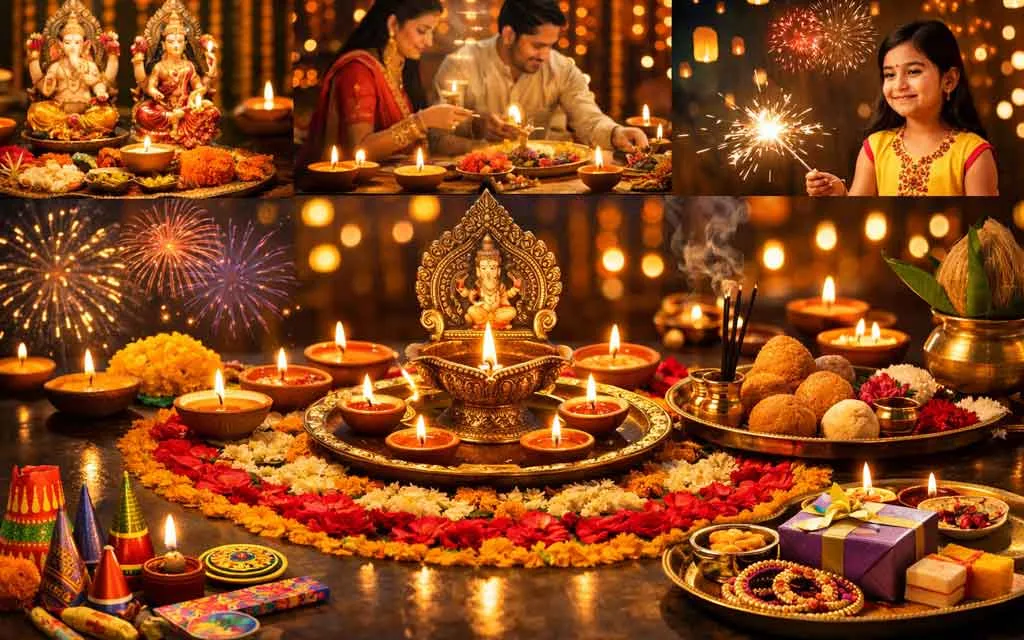
Deepavali, known as Diwali in many parts of India, is Singapore's most vibrant Hindu festival and the only Hindu religious public holiday in the nation. The Lion City transforms into a spectacular celebration of lights, with Little India becoming an exotic wonderland of colors, twinkling lights, and larger-than-life decorations. Whether you're seeking spiritual blessings or cultural immersion, these historic temples offer unforgettable Diwali experiences.
Why Celebrate Diwali in Singapore?
Singapore's multicultural fabric creates a unique Diwali atmosphere where ancient Hindu traditions blend seamlessly with modern urban life. Little India becomes the epicenter of festivities, with bustling streets transformed into a visual spectacle that attracts devotees and visitors from all backgrounds.
The Must-Visit Temples for Diwali
1. Sri Veeramakaliamman Temple
Location: Serangoon Road, Little India
Established: 1855
Deity: Goddess Kali (Hindu Goddess of Power)
Historical Significance: Originally known as Soonambu Kambam Kovil, this temple began as a humble shrine dedicated to Hindu goddesses Kali and Parvati. The formal temple structure was constructed by Bengali pioneers in 1881, making it one of Singapore's oldest Hindu temples.
Architectural Marvel: The temple's interior is filled with intricate carvings and bright statues showcasing classic South Indian architectural style. Every detail tells a story, and visitors can spend hours admiring the craftsmanship.
Diwali Experience: During Deepavali, Sri Veeramakaliamman Temple comes alive with vibrant festivities that attract devotees and visitors from all walks of life. The temple is adorned with colorful decorations, and special pujas are conducted throughout the festival. As the jewel of Little India's crown, this awe-inspiring temple becomes a center of devotion where the spiritual energy is palpable.
Why Visit: Being at the heart of Little India's Deepavali celebrations, this temple offers the most immersive festive experience, combining spiritual worship with the surrounding street festivities.
Address: 141 Serangoon Road, Singapore 218042
2. Sri Mariamman Temple
Location: Chinatown
Established: 1827
Deity: Goddess Mariamman
Historical Significance: Sri Mariamman Temple holds the prestigious distinction of being Singapore's oldest and largest Hindu temple. Founded by Indian pioneer Naraina Pillai, a government clerk from Penang who accompanied Sir Stamford Raffles on his second visit to Singapore in 1819, this temple represents the very foundation of Hindu worship in the nation.
Architectural Heritage: Built initially as a wood and attap structure in 1827, the temple was constructed for worship by immigrants from the Nagapatnam and Cuddalore districts of South India. It features classic Dravidian style architecture with an impressive gopuram (tower) that dominates the Chinatown skyline.
Temple Significance: Also known as Sithi Vinayagar Gothanda Ramaswamy Mariamman Kovil, the temple has sanctums dedicated to multiple deities including Sri Mariamman, Sri Vinayagar (Ganesha), Sri Subramaniyar (Murugan), and Sri Ramar (Ram), representing different Hindu traditions (Shakta, Ganapatya, Kaumara, and Vaishnava).
Diwali Celebrations: As one of the most iconic and renowned temples in Singapore, Sri Mariamman Temple holds immense significance for local Tamilians and Hindu believers. During Diwali, the temple becomes a hub of activity with traditional rituals, elaborate decorations, and continuous prayers. The temple's grandeur and rich history create a deeply spiritual atmosphere for festival celebrations.
Cultural Importance: This temple's location in Chinatown symbolizes Singapore's multicultural harmony, making it a unique destination where Hindu traditions flourish in a predominantly Chinese neighborhood.
Address: 244 South Bridge Road, Singapore 058793
Contact: +65 6223 4064
3. Sri Srinivasa Perumal Temple
Location: Serangoon Road, Little India
Established: 1855
Deity: Sri Perumal (Lord Vishnu)
Historical Legacy: Formerly known as Sri Narasimha Perumal Temple, this is Singapore's first Hindu temple dedicated to Sri Perumal (Vishnu). The temple's history dates back to the late 1800s when influential community leaders—including Mr. Arunachala Pillay, Mr. Cootaperumal Pillay, and others with close working links to the East India Company—purchased land for Vaishnavite worship in 1851.
Architectural Evolution: While the impressive structure standing today was built in the 1960s, the temple is one of Singapore's oldest, with its origins in 1855. The temple is sited on three adjoining plots of land acquired between 1855 and 1912, reflecting the growing Hindu community's expansion.
Diwali Prominence: Sri Srinivasa Perumal Temple is one of the two most prominent Hindu temples in Singapore during Deepavali. Devotees from all over the island and beyond visit to offer prayers, making it a major center of devotion during the festival. The temple conducts special Vishnu pujas and abhishekams that attract thousands of devotees seeking blessings for prosperity and spiritual growth.
Festival Atmosphere: The temple's location on Serangoon Road places it at the heart of Little India's Deepavali celebrations, allowing visitors to combine temple worship with the vibrant street festivities happening all around.
Thaipusam Connection: This temple is also the starting point for Singapore's famous Thaipusam procession, making it a significant spiritual center year-round.
Address: 397 Serangoon Road, Singapore 218123
Contact: +65 6298 5771
Email: sspt@heb.org.sg
4. Sri Sivan Temple
Affiliation: Hindu Endowments Board (HEB)
Deity: Lord Shiva
Significance: Part of the prestigious Hindu Endowments Board network, Sri Sivan Temple serves the Shaivite community in Singapore. The temple is dedicated to Lord Shiva, one of the principal deities of Hinduism.
Diwali Observance: The temple conducts special Shiva pujas during Diwali, offering devotees the opportunity to seek blessings from Lord Shiva for the destruction of negativity and the beginning of new spiritual journeys. Traditional abhishekam ceremonies and aarti services mark the festival celebrations.
Contact: For temple timings and Diwali schedules, contact through the Hindu Endowments Board network.
5. Sri Vairavimada Kaliamman Temple
Affiliation: Hindu Endowments Board (HEB)
Deity: Goddess Kali
Temple Character: Another significant temple dedicated to Goddess Kali, Sri Vairavimada Kaliamman Temple serves devotees seeking the blessings of the fierce yet protective mother goddess.
Diwali Programs: The temple hosts traditional Kali puja ceremonies during Deepavali, with devotees offering prayers for protection, strength, and the removal of obstacles. The festival atmosphere includes traditional decorations, lamp lighting, and prasad distribution.
The Little India Experience During Diwali
Street Festivities
While Diwali celebrations primarily take place in homes, Little India is the undisputed hub of public Deepavali festivities in Singapore. The neighborhood undergoes a festive transformation with:
- Stunning Light Displays: Miles of twinkling lights and elaborate illuminated arches
- Vibrant Decorations: Larger-than-life installations and colorful rangoli patterns
- Bustling Markets: Street vendors selling traditional clothes, jewelry, sweets, and Diwali items
- Cultural Performances: Traditional music and dance performances throughout the festival period
- Authentic Cuisine: Aromatic Indian delicacies and festival sweets available at every corner
Temple Hopping Route
Create your perfect Diwali temple trail:
- Start at Sri Veeramakaliamman Temple (Serangoon Road) - Experience the heart of Little India's festivities
- Walk to Sri Srinivasa Perumal Temple (also on Serangoon Road) - Continue the spiritual journey
- Travel to Sri Mariamman Temple (Chinatown) - End with Singapore's oldest temple for a complete historical and spiritual experience
What to Expect During Diwali at Singapore Temples
Traditional Rituals
- Special Deepavali Pujas: Extended puja timings with elaborate rituals
- Lamp Lighting Ceremonies: Thousands of oil lamps (diyas) illuminating the temples
- Abhishekam: Sacred bathing ceremonies for the deities
- Aarti Services: Multiple daily aarti sessions with devotional singing
- Prasad Distribution: Blessed food offerings for all devotees
Cultural Elements
- Traditional Music: Devotional bhajans and classical music performances
- Temple Decorations: Elaborate flower arrangements and colorful kolam (rangoli) designs
- Community Gathering: A warm, inclusive atmosphere welcoming people from all backgrounds
Essential Tips for Temple Visits
Before You Visit
- Check Timings: Contact temples in advance as Diwali schedules may differ from regular hours
- Plan Your Route: Little India's temples are walkable; Chinatown requires separate transport
- Arrive Early: Popular times (morning and evening aartis) see larger crowds
- Dress Code: Modest clothing is required; traditional Indian attire is appreciated but not mandatory
At the Temple
- Remove Footwear: All temples require shoes to be removed before entry
- Photography: Ask permission before photographing; some areas may be restricted
- Offerings: Flowers, fruits, or sweets are traditional offerings (check specific temple guidelines)
- Respect Rituals: Observe quietly during prayers and ceremonies
- Prasad Etiquette: Accept prasad with both hands as a sign of respect
Cultural Sensitivity
- Follow temple staff guidance
- Avoid pointing feet toward deities
- Keep mobile phones on silent
- Maintain a respectful demeanor
Beyond the Temples: Diwali in Singapore
Cultural Significance
Deepavali being a public holiday in Singapore reflects the nation's respect for its Hindu community and multicultural values. The festival brings together not just the Indian diaspora but people of all ethnicities who participate in the joyous celebrations.
Hindu Endowments Board (HEB)
Most major temples in Singapore, including Sri Mariamman, Sri Srinivasa Perumal, Sri Sivan, and Sri Vairavimada Kaliamman temples, are managed by the Hindu Endowments Board, ensuring proper maintenance, authentic rituals, and community service.
Diwali Shopping
Little India's Tekka Centre and surrounding streets become shopping paradises during Diwali season, offering:
- Traditional Indian clothing (sarees, salwar kameez, kurtas)
- Gold and silver jewelry
- Decorative items and diyas
- Traditional sweets and snacks
- Henna (mehndi) services
Festive Foods
Don't miss the culinary delights:
- Murukku and other savories
- Traditional sweets: Ladoo, jalebi, gulab jamun, mysore pak
- Banana leaf meals at authentic restaurants
- Masala chai and filter coffee
- Fresh flower garlands from street vendors
Planning Your Diwali Temple Journey in Singapore
Best Time to Visit
- Morning (6:00 AM - 9:00 AM): Peaceful atmosphere, morning pujas
- Evening (6:00 PM - 9:00 PM): Most vibrant time with evening aartis and full street festivities
- Diwali Day: Expect maximum crowds but the most festive atmosphere
Transportation
- MRT: Little India station (NE7/DT12) for Serangoon Road temples; Chinatown station (NE4/DT19) for Sri Mariamman Temple
- Bus: Multiple bus routes serve Little India and Chinatown
- Walking: Temples on Serangoon Road are within walking distance of each other
Duration
- Allow 1-2 hours per temple for a meaningful visit
- Plan 4-6 hours for a complete Little India temple and street festival experience
The Spiritual Heart of Singapore
Singapore's Hindu temples during Diwali offer more than just religious observance—they provide a window into centuries-old traditions thriving in a modern, cosmopolitan city. From the ancient walls of Sri Mariamman Temple to the vibrant energy of Sri Veeramakaliamman Temple, each sacred space tells a story of faith, community, and cultural preservation.
This Diwali, whether you're a devout Hindu seeking blessings, a cultural enthusiast exploring traditions, or a curious traveler experiencing something new, Singapore's temples welcome you with open arms and divine grace. The Festival of Lights illuminates not just the temples and streets, but the very spirit of multicultural harmony that defines Singapore.
Happy Deepavali! May the divine light bring prosperity, joy, and peace to all!
Quick Reference Guide
Temple Contact Information Summary
For the latest Diwali celebration schedules, puja timings, and special programs, contact temples directly or visit their official websites. Most temples are managed by the Hindu Endowments Board (HEB) at heb.org.sg.
Share the Diwali 2026 blessing
As Little India glows and temple bells ring along Serangoon Road, Deepavali in Singapore reminds us that every lamp we light is a small reflection of the inner light within. With Maa Lakshmi's grace entering clean and loving homes, and light overcoming darkness as the old stories tell, this is a season to bless one another. Share one of these Diwali 2026 blessings with your family, whether they are here in the Lion City or far away, and let the light travel.
Deepa shloka: the lamp prayer
शुभं करोति कल्याणम् आरोग्यं धनसम्पदा। शत्रुबुद्धिविनाशाय दीपज्योतिर्नमोऽस्तु ते॥
Shubham karoti kalyanam arogyam dhana-sampada, shatru-buddhi-vinashaya deepa-jyotir namostu te.
Meaning: I bow to the light of the lamp, which brings what is auspicious and good, health and prosperity, and destroys ill-will. Many families recite it as they light the evening diya.
Lakshmi mantra for Diwali
ॐ श्रीं महालक्ष्म्यै नमः॥
Om Shreem Mahalakshmyai Namah.
Meaning: Salutations to Mahalakshmi. Shreem is the seed syllable traditionally associated with Lakshmi.
Diwali 2026 messages to share
🪔 Happy Deepavali to our whole family! May the lamps of Little India light up our home in Singapore with love, peace and togetherness this Diwali 2026. ✨ Share on WhatsApp
🙏 To Amma and Appa, and all our elders: your blessings are the brightest lamp in our lives. Wishing you good health and a joyful, peaceful Deepavali. 🪔 Share on WhatsApp
✨ Happy Deepavali, dear friend! From the temple visits to the sweets we share, may this festival of lights fill your days in Singapore with laughter and warmth. 🌸 Share on WhatsApp
🪔 Warm Deepavali wishes to you and your team. May the festival of lights bring clarity, good health and steady success to our work together. ✨ Share on WhatsApp
🌸 May Maa Lakshmi enter every Hindu home in Singapore with grace, harmony and contentment. Wishing you a blessed Lakshmi Puja and a bright Deepavali. 🪔🙏 Share on WhatsApp
🙏 As Lord Rama returned to Ayodhya and the city glowed with lamps, may his light guide your family home to joy and righteousness. Happy Deepavali from Singapore! 🪔 Share on WhatsApp
A short Diwali prayer
Maa Lakshmi, Lord Ganesha, I bow before you with folded hands this Deepavali. Remove the obstacles in my heart and light a lamp of wisdom within me. Bless my family with good health and harmony, wherever we live. Teach me gratitude for what I have and the patience to work honestly. Let my home be a place of kindness, and let my small light help others find their way. 🙏
Use the share buttons on this page to send these blessings to your family and friends.
Frequently Asked Questions
Where is Must located?
Deepavali , known as Diwali in many parts of India, is Singapore's most vibrant Hindu festival and the only Hindu religious public holiday in the nation. The Lion City transforms into a spectacular celebration of lights, with Little India becoming an exotic wonderland of colors, twinkling lights, and larger-than-life decorations.
Who is the presiding deity of Must?
The temple's presiding deity and its significance are described in the guide above.
What are the timings and how do I reach Must?
Temples typically open early morning and evening; confirm current darshan timings before visiting. The nearest airport, railway station and road routes are covered in the guide above.
What is the best time to visit Must?
Major festival days and the cooler months are popular, though weekday mornings offer a calmer darshan. Plan around the temple's key festivals for the most vibrant experience.
You might also like
Diwali 2026 Celebrations in Dubai: Complete Guide to Events, Temples, Fireworks & Festivities in the Desert City
Shani Deva Temples Worldwide & Must-Performed Rituals — Complete Devotee's Guide
How Hindus Should Celebrate Dussehra and Diwali 2026