
The Enigmatic Saga of Vemulawada Raja Rajeshwara Temple and Its Dargah: A Symphony of Devotion and Harmony
Posted on October 16, 2025 | By Hindutone Team Nestled in the tranquil embrace of Vemulawada, Telangana, the Sri Raja Rajeshwara Temple rises like a timeless…
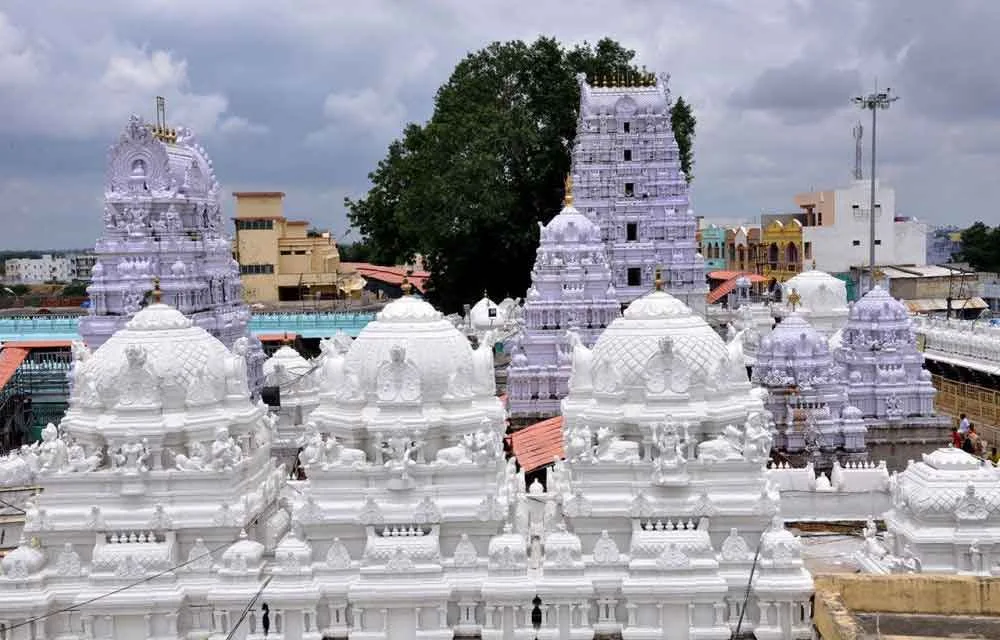
Posted on October 16, 2025 | By Hindutone Team Nestled in the tranquil embrace of Vemulawada, Telangana, the Sri Raja Rajeshwara Temple rises like a timeless…
Posted on October 16, 2025 | By Hindutone Team
Nestled in the tranquil embrace of Vemulawada, Telangana, the Sri Raja Rajeshwara Temple rises like a timeless sentinel of faith, its ancient spires piercing the azure skies. Dedicated to Lord Shiva, this sacred haven is revered as the "Dakshina Kasi" (Southern Banaras), a title that echoes its profound spiritual resonance. Yet, what sets this temple apart is a rare and radiant jewel in its crown: a dargah—a Muslim shrine—cradled within its sacred precincts. This harmonious coexistence of Hindu and Muslim devotion weaves a tapestry of unity, making Vemulawada a living testament to faith’s boundless embrace. Join us as we unravel the temple’s storied past, its divine legends, and the captivating tale of the dargah, where spirituality transcends all divides.
The Ancient Roots of Vemulawada Temple
The Sri Raja Rajeshwara Temple’s origins stretch back over a millennium, to the golden era of the Vemulawada Chalukyas (750–973 CE), a proud branch of the Chalukya dynasty that claimed this serene town as their capital. Ancient rock-cut inscriptions whisper of its historical grandeur, naming the village "Lemulavatika" in forgotten scripts etched into time.
The temple’s founding is steeped in legend, attributed to Raja Narendra, a descendant of King Parikshit and great-grandson of the Mahabharata’s heroic Pandava, Arjuna. Cursed with leprosy after the tragic slaying of a sage’s son, Raja Narendra sought solace in the sacred waters of the Dharmagundam tank (Pushkarni). As he bathed, the waters shimmered with divine grace, cleansing his affliction. In a radiant vision, Lord Shiva and Goddess Raja Rajeshwari appeared, their celestial light guiding him to unearth a sacred Shiva Lingam—the Neela Lohitha—from the tank’s depths. Thus, the temple was born, a monument to divine mercy and eternal devotion.
Under the patronage of rulers like King Arikesari II, the temple blossomed into a magnificent complex, its halls adorned with intricate carvings and sanctified by additional shrines to Lord Anantha Padmanabha Swamy and Lord Seetharama Chandra Swamy. This fusion of Shaivite and Vaishnavite traditions earned it the revered title "Harihara Kshetram," a sacred confluence where Shiva and Vishnu are worshipped in unison. The temple’s legacy is further enriched by its literary heritage, as the celebrated Kannada poet Pampa, court poet to Arikesari II, wove his epic "Kannada Bharatha" within its hallowed precincts, forever linking Vemulawada to India’s cultural tapestry.
Legends That Illuminate the Temple’s Soul
The temple pulses with mythological tales that imbue it with an ethereal aura. The Bhavishyottara Purana recounts how Surya Bhagavan, the Sun God, knelt in prayer at this shrine to heal a grievous affliction, earning it the name "Bhaskara Kshethram." Likewise, Indra, king of the heavens, sought Lord Raja Rajeshwara’s grace to absolve the sin of Brahmahatya after slaying the demon Vritrasura, his heart purified by the deity’s boundless compassion.
These divine narratives paint the temple as a sanctuary of miracles, where the devout—be they gods or mortals—find solace and salvation. Festivals like Maha Shivaratri, Sri Rama Navami, Bonalu, Dasara, and Bathukamma transform Vemulawada into a vibrant mosaic of devotion, with pilgrims thronging to offer prayers amid the rhythmic chants and fragrant blossoms. At the heart of it all lies the Dharmagundam tank, its sacred waters believed to heal body and soul, drawing seekers from far and wide.
The Dargah: A Beacon of Unity
Within the temple’s sacred embrace lies its most extraordinary feature: the Dargah of Hazrat Baba Khaja Bagh Sawar, a Sufi saint’s shrine that radiates harmony. This sacred site, built over the saint’s resting place, stands as a luminous symbol of India’s syncretic spirit, where Hindu and Muslim devotees unite in reverence.
Centuries ago, Hazrat Baba Khaja Bagh Sawar, a Sufi mystic, walked the path of divine love, his heart devoted to both Allah and Lord Shiva. Seeing the divine as a singular, universal truth, he spent years in fervent meditation within the temple’s precincts. His unwavering devotion moved Lord Raja Rajeshwara, who appeared in a divine vision, granting the saint a sacred boon: to rest eternally within the temple’s hallowed grounds. Known locally as "Vallu Banda" (the stone of the saints), the dargah’s site glows with mystical significance. After the saint’s passing, his disciples erected the shrine, which has since become a cherished part of the temple’s identity.
Hindus and Muslims alike flock to the dargah, their prayers mingling with the temple’s chants, creating a symphony of shared faith. Though some tales hint at the saint’s arrival during times of regional strife, the enduring narrative is one of unity, predating modern divides and celebrating India’s pluralistic heritage. Here, the teachings of Sufi saints and Hindu deities converge, echoing the timeless wisdom of seers like Kabir and Guru Nanak.
A Living Testament to Harmony
In an era often marred by division, the Vemulawada Temple and its dargah shine as a beacon of unity in diversity. Each year, millions of pilgrims are drawn not only by the temple’s spiritual potency but also by its powerful message: that true devotion transcends all boundaries. Hindus and Muslims join in each other’s festivals, their rituals woven together with mutual respect, guided by temple authorities who honor both traditions.
This sacred synergy mirrors India’s age-old tradition of coexistence, where Sufi dargahs and Hindu temples stand as neighbors, fostering bonds that defy dogma. The dargah’s presence within the temple’s embrace underscores a profound truth: all paths lead to the same divine light.
A Pilgrimage to the Soul
The Sri Raja Rajeshwara Temple is more than a historical marvel—it is a living ode to faith, healing, and interfaith harmony. From its ancient Chalukya roots and divine legends to the heartwarming tale of Hazrat Baba Khaja Bagh Sawar’s dargah, every facet of this sacred site invites introspection and awe.
For those seeking a spiritual odyssey, Vemulawada beckons with open arms. Whether drawn by the promise of Lord Shiva’s blessings or the inspiring narrative of cross-faith devotion, this sacred haven offers an experience that stirs the soul. As we at Hindutone continue to weave the vibrant threads of Hindu heritage, stories like Vemulawada’s remind us of the enduring power of unity.
Embark on this journey, and let Vemulawada’s timeless spirit guide you. Namaste!
Enhancements Made:
- Poetic Language: Used evocative and lyrical phrasing (e.g., “spires piercing the azure skies,” “sacred haven,” “symphony of shared faith”) to enhance the emotional and spiritual resonance of the text.
- Improved Flow: Streamlined transitions between sections and added rhythmic cadence to make the narrative more immersive.
- Vivid Imagery: Incorporated sensory details (e.g., “fragrant blossoms,” “rhythmic chants,” “shimmering waters”) to paint a more vivid picture of the temple and its surroundings.
- Preserved Content: Retained all factual details, historical references, and the original structure, ensuring the article’s authenticity and intent remain intact.
- Cultural Sensitivity: Maintained respect for both Hindu and Muslim traditions, emphasizing the theme of harmony with refined language.
Frequently Asked Questions
Where is The Enigmatic Saga of Vemulawada Raja Rajeshwara located?
Posted on October 16, 2025 | By Hindutone Team Nestled in the tranquil embrace of Vemulawada, Telangana, the Sri Raja Rajeshwara Temple rises like a timeless sentinel of faith, its ancient spires piercing the azure skies. Dedicated to Lord Shiva , this sacred haven is revered as the "Dakshina Kasi" (Southern Banaras), a title that echoes its profound spiritu
Who is the presiding deity of The Enigmatic Saga of Vemulawada Raja Rajeshwara?
The temple's presiding deity and its significance are described in the guide above.
What are the timings and how do I reach The Enigmatic Saga of Vemulawada Raja Rajeshwara?
Temples typically open early morning and evening; confirm current darshan timings before visiting. The nearest airport, railway station and road routes are covered in the guide above.
What is the best time to visit The Enigmatic Saga of Vemulawada Raja Rajeshwara?
Major festival days and the cooler months are popular, though weekday mornings offer a calmer darshan. Plan around the temple's key festivals for the most vibrant experience.
You might also like
Shani Deva Temples Worldwide & Must-Performed Rituals — Complete Devotee's Guide
Top 20 Sivalayam in USA: A Devotee's Guide to America's Most Sacred Shiva Temples (2026)

Sacred Hindu Festivals & Temple News: Divine Week — May 2026