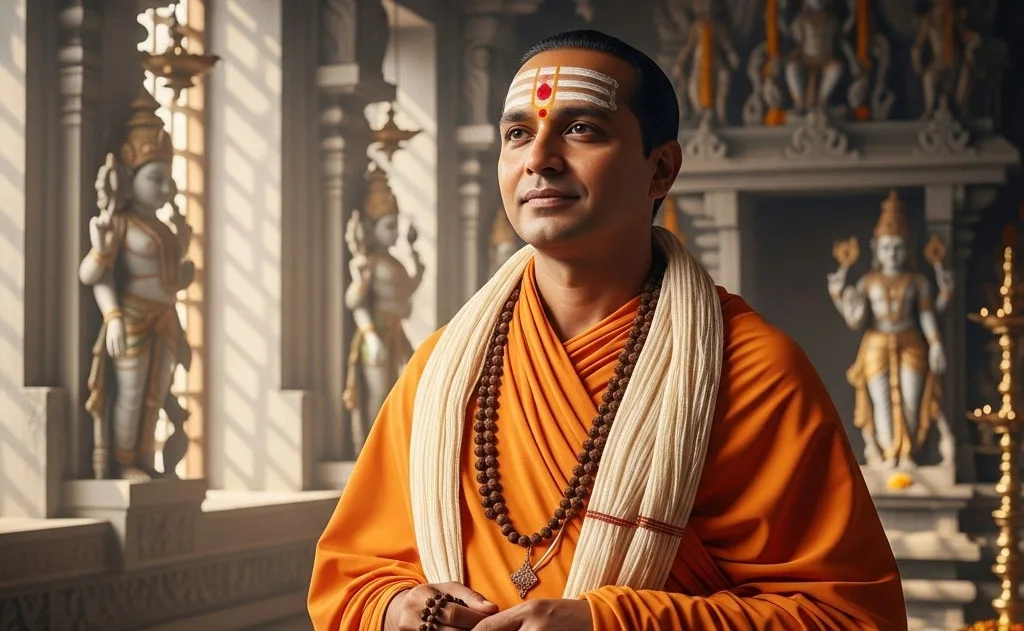
TTD Digital Archakas Project: Robot Hands for Abhishekam at Tirupati? Ethics and Public Opinion
The Tirumala Tirupati Devasthanams (TTD) is reportedly exploring a futuristic proposal under its "Digital Archakas Project"—using robotic hands to perform…

The Tirumala Tirupati Devasthanams (TTD) is reportedly exploring a futuristic proposal under its "Digital Archakas Project"—using robotic hands to perform abhishekam, the sacred bathing ritual of Lord Venkateswara. While TTD has not made an official announcement, the possibility has ignited a widespread debate on the ethics of automation in Hindu rituals, tradition versus technology, and public sentiment.
Should robots perform one of the most spiritually significant temple duties? At www.hindutone.com, we examine this controversial topic from multiple angles, including cultural implications, spiritual concerns, and community voices.
What is the Digital Archakas Project?
The Digital Archakas Project is part of TTD’s broader modernization strategy, which includes initiatives like:
- Upgrading Annaprasadam kitchens for better hygiene and taste.
- Implementing eco-friendly practices like biogas generation.
- Digital ticketing and crowd management systems.
Now, the proposal to deploy robotic arms for abhishekam at Tirumala temple marks a potential turning point in temple innovation. These machines, guided by precision programming, would mimic the actions of trained priests during sacred bathing rituals—traditionally performed with intense devotion, mantras, and spiritual intent.
Technology vs. Tradition: The Ethical Dilemma
1. Can Robots Replace Devotion?
The abhishekam ritual is not just physical; it’s a spiritual offering. It involves deep emotion, mantra recitation, and bhakti. Critics argue that a machine cannot replicate spiritual energy, no matter how precise it is.
2. Impact on Priestly Livelihoods
Introducing automation in religious practices raises concerns about job displacement for traditional priests (archakas). Leaders like Dr. Chinta Mohan have already voiced the need to protect TTD archakas’ roles and incomes, urging that modernization should not come at the cost of human dignity.
3. Preserving Sanctity vs. Embracing Efficiency
Supporters believe that robotic arms can improve consistency and hygiene, especially during peak pilgrim seasons. They also suggest that priests can focus on mantras and guidance, while machines handle the physical aspects. But critics see it as a threat to ritual authenticity and spiritual ambiance.
What Do Devotees Think? Public Sentiment Analysis
Public reaction to robotic abhishekam at Tirupati is sharply divided:
👍 Supporters Say:
- It’s the next logical step in TTD’s smart temple journey.
- Automation ensures cleanliness and consistency.
- Tech-savvy devotees view it as efficiency without loss of essence.
👎 Opponents Say:
- The divine energy (prana) invoked by human priests cannot be emulated by machines.
- Rituals without emotion are mechanical, not spiritual.
- Risk of alienating traditional devotees and elders.
💬 Social Media Poll: Should TTD introduce robotic hands for abhishekam?
Yes – It’s futuristic and efficient. No – Rituals need human bhakti. Maybe – Only if guided by priests.
Cast your vote at www.hindutone.com/polls
Recent TTD Developments: A Modernizing Devasthanam
TTD is no stranger to innovation:
- 🍛 Annaprasadam Upgrades: Masala vadas and hygienic serving by partnering with TVS Sri Chakra.
- 🌱 Biogas Plant: Collaboration with IOCL for sustainable temple energy.
- 🐱 Civet Cat Conservation: ₹1.97 crore budget for the animals whose oil is used in abhishekam.
These efforts show that TTD’s modernization is thoughtful and gradual. However, unlike food or waste management, rituals like robotic abhishekam touch the spiritual core, which demands deeper scrutiny.
Finding a Middle Path: Balancing Bhakti and Bytes
As temples across India explore digitization and AI, Tirumala could set a national precedent. Here are possible compromises:
- Use robots only under the supervision of priests.
- Limit their role to non-sacred physical tasks like arranging utensils or washing.
- Launch pilot projects in smaller temples first, followed by feedback loops.
- Involve spiritual leaders, scholars, and devotees in the decision-making process.
Temples must ask: Is it modernization or mechanization? Can AI serve without eroding “Aatma Bhava”?
Join the Conversation
📣 What’s your opinion on robotic abhishekam at Tirupati?
Should TTD preserve age-old rituals as human-led sacred duties, or embrace tech for operational convenience? Your voice matters in this evolving conversation.
Drop a comment, vote in our poll, or share your thoughts on our Facebook page, Instagram, or X (Twitter).
Conclusion
The TTD Digital Archakas Project has opened the floodgates to a larger philosophical and spiritual debate: Can machines ever replace mantras? Can metal mimic bhakti?
As India's most visited temple, Tirumala must tread this path with caution, compassion, and consensus. Whether it chooses technology or tradition, the decision must honor the sanctity of Lord Venkateswara's darbar and the faith of millions.
At HinduTone, we continue to track this story and invite all devotees to share their perspectives.
Frequently Asked Questions
What is the Digital Archakas Project at Tirumala?
It is a reported TTD proposal to use robotic arms to perform abhishekam, the sacred bathing ritual of Lord Venkateswara. TTD has not made an official announcement about it.
Why are people opposed to robotic abhishekam?
Opponents say the divine energy invoked by human priests cannot be emulated by machines, and that rituals without emotion are mechanical rather than spiritual. Others fear alienating traditional devotees and elders.
How could robots affect the jobs of TTD archakas?
Automation raises concerns about job displacement for traditional priests. Leaders such as Dr. Chinta Mohan have urged that archakas' roles and incomes be protected and that modernization should not come at the cost of human dignity.
What compromises are suggested between tradition and technology?
Suggestions include using robots only under priestly supervision, limiting them to non-sacred tasks like arranging utensils or washing, and starting pilot projects in smaller temples. Spiritual leaders, scholars and devotees would be involved in decisions.
What other modernization steps has TTD taken?
TTD has upgraded Annaprasadam kitchens in partnership with TVS Sri Chakra, set up a biogas plant with IOCL, and introduced digital ticketing and crowd management. It also set a budget of ₹1.97 crore for civet cat conservation.
Share this with family and friends
Send it on WhatsApp, post it, or copy the link.
More from Tirumala
- Tirumala Darshan Tickets and Quota Releases 2026: How TTD's Online Booking Works
- Tirumala Salakatla Brahmotsavam 2026 Highlights: Garuda Seva, Dhwajavarohanam and the Numbers
- TTD News October 2026: Tirumala Latest Updates on Darshan, Tickets, Festivals and Rules
- Srivari Pushpa Yagam 2026 at Tirumala: Expected Date, Meaning, Flowers and How to Take Part
- Tirumala Vaikuntha Ekadasi 2026: Vaikuntha Dwara Darshan Dates, Tokens and How to Plan
You might also like
Tirumala Tirupati TTD — Complete Guide for NRIs (Darshan, Seva, Accommodation)
Anant Ambani Donates 25 Electric Buses to Tirumala TTD | ₹27.5 Crore Mahā Kānuka
Shree Siddhivinayak Temple (Mumbai) to Go Fully Digital: A New Era for Donations and Darshan?