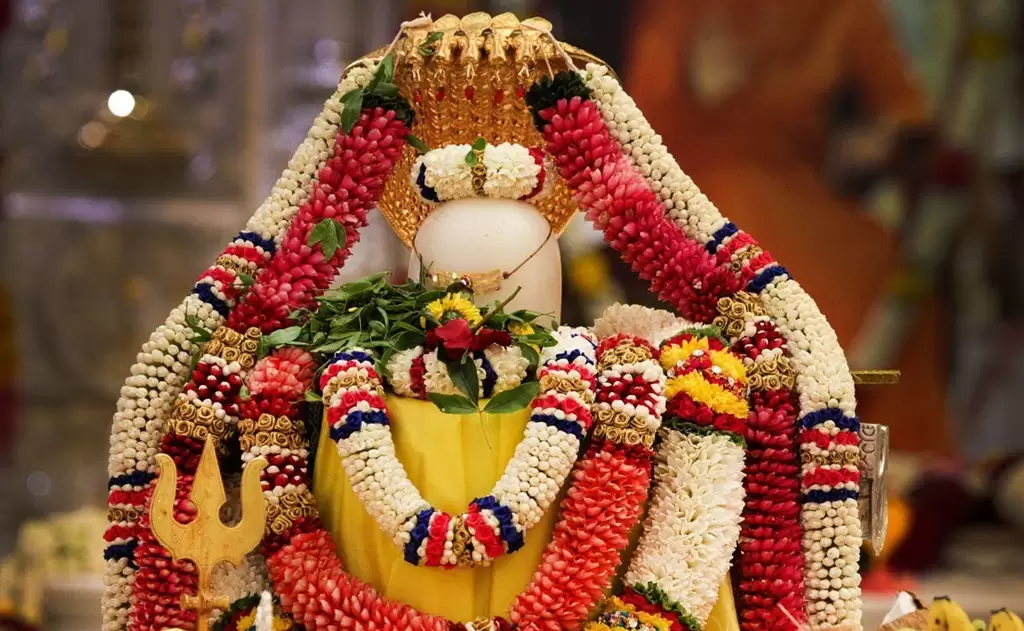
Mirabai Jayanti 2026: A Living Symbol of Krishna Bhakti – Life, Significance and Bhajans
Mirabai Jayanti 2026 falls on Monday, 26 October, on Ashwin Purnima. Read the life of Mirabai, the great devotee of Lord Krishna, the meaning of her Jayanti, her best-known bhajans and simple ways to celebrate the day.
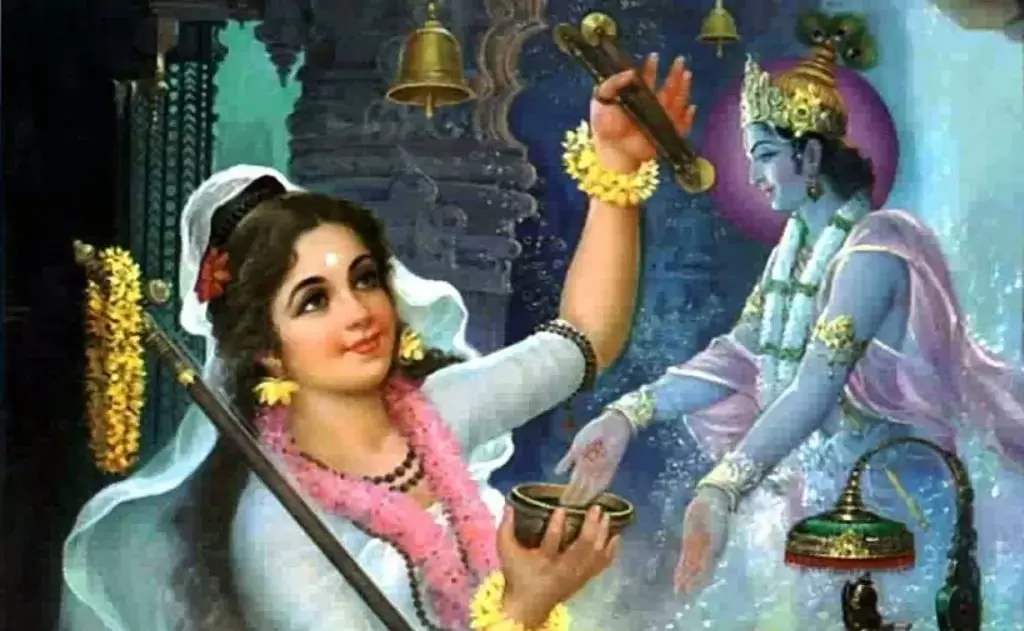
Mirabai Jayanti 2026 at a glance
| Detail | 2026 (India time) |
|---|---|
| Mirabai Jayanti | Monday, 26 October 2026 |
| Tithi | Ashwin (Ashwayuja) Shukla Purnima |
| Purnima begins | 11:55 AM, Sunday 25 October |
| Purnima ends | 9:41 AM, Monday 26 October |
| Sharad Purnima moonlit night | Sunday, 25 October (moonrise about 5:07 PM in Hyderabad) |
| Source | Drik Panchang, Hyderabad |
Mirabai Jayanti is the sacred day on which we remember Mirabai, the great devotee who holds a special place in the Bhakti movement. In 2026 the Jayanti falls on Monday, 26 October (Ashwin Purnima). Born into a royal family, Mirabai looked upon Sri Krishna as her chosen deity from childhood and spent her whole life in His devotion. Despite social restrictions and many hardships, she never gave up her devotion to Krishna.
Mirabai Jayanti 2026: 25 or 26 October?
By tradition, Mirabai Jayanti is observed on Sharad Purnima, the full moon of Ashwin. In 2026 the Purnima tithi begins at 11:55 AM on Sunday 25 October and ends at 9:41 AM on Monday 26 October (India time). Drik Panchang lists Sharad Purnima and Kojagari Puja on Sunday 25 October, because the full moon rises that evening, and lists Meerabai Jayanti, along with Valmiki Jayanti, on Monday 26 October, the day on which Purnima is the tithi at sunrise.
So both days are part of the celebration: many devotees sing Mirabai's bhajans under the full moon on the evening of 25 October, and observe the Jayanti with puja and satsang on 26 October. In the USA and Canada the Purnima falls on Sunday 25 October by local time (in New York it runs from 2:25 AM on 25 October to 12:11 AM on 26 October), so many families there mark the day on 25 October. If your temple follows a local panchang, follow its date.
Who was Mirabai? A short biography
Mirabai (Meera Bai, Sant Mirabai) was born around 1498 in the Rathore royal family, in the village of Kudki (Kurki) in what is today the Beawar district of Rajasthan. Her father was Ratan Singh; according to tradition, her mother's name was Veer Kanwar. She lost her mother in childhood and grew up in the care of her grandfather, Rao Dudaji of Merta. From her early years, on seeing an idol of Sri Krishna, she began to worship Him as her husband.
In 1516, tradition records, she was married to Bhoj Raj, the crown prince of Mewar. But her heart always remained with Giridhar Gopal. After her husband's death in 1521, opposition from the family and social pressure grew. Devotees believe that, though there were many attempts on her life, with poison and with a snake, her devotion protected her. In the end she left the palace and wandered through Krishna's holy places such as Vrindavan and Dwarka, and tradition holds that around 1546-47 she merged into Sri Krishna at Dwarka.
Historians agree on the broad outline of her life, but many details, including some of these dates, come from tradition and devotional accounts, and the sources differ. For a longer account, read Mirabai and her impact on the Bhakti movement.
The significance of Mirabai Jayanti
Mirabai's devotion is a symbol of pure love, complete surrender and unshakeable faith in God. As a woman devotee in the Bhakti movement, her life remains an inspiration even today. On her Jayanti, devotees worship Sri Krishna and remember her devotion by singing the bhajans she composed.
This day is not just a birthday; it is an occasion that reminds us of love, devotion, equality and complete offering to God. Special celebrations and the Meera Mahotsav are held in places such as Chittorgarh and Merta in Rajasthan, Mathura-Vrindavan in Uttar Pradesh, and Dwarka in Gujarat.
Mirabai's bhajans and literature
Out of her boundless love for Sri Krishna she composed many devotional songs and padas, and through her sweet singing she spread the path of devotion among the people. Written in Braj Bhasha and Rajasthani, these padas still bring bhajan groups and concerts to life. Bhajans traditionally attributed to her, such as "Payo Ji Maine Ram Ratan Dhan Payo", "Mhare Ghar Aao Ji" and "Mere To Giridhar Gopal, Dusro Na Koi", have carried devotion to generation after generation.
Her songs were passed down for centuries by singers and devotees rather than in one fixed book, so scholars cannot confirm that every pada sung in her name is her own. That does not lessen the devotion they carry.
How to celebrate the Jayanti
- Puja and abhishekam to Sri Krishna
- Singing Mirabai's bhajans and kirtans
- Talks and discourses on her life and devotion
- Charity and satsang
- Taking part in the Meera Mahotsav held in Rajasthan and the Braj region
Conclusion
Mirabai's life tells us that true devotion crosses every obstacle. Her life proved that love for God is greater than kingdom, wealth and relationships. On this Mirabai Jayanti, let us remember her devotion and grow a little more devotion, love and surrender in our own lives.
Happy Mirabai Jayanti! Giridhar Gopal ki Jai! Mirabai ki Jai!
Frequently asked questions
Who was Mirabai?
Mirabai (Meera Bai, Sant Mirabai) was a 16th-century poet-saint of the Bhakti movement and a great devotee of Lord Krishna, whom she called Giridhar Gopal. Born around 1498 into the Rathore royal family of Merta in Rajasthan, she was married into the royal house of Mewar, and later left palace life to live as a wandering devotee in Vrindavan and Dwarka. Her devotional songs (padas) are still sung across India.
When is Mirabai Jayanti in 2026?
Mirabai Jayanti 2026 is on Monday, 26 October 2026, according to Drik Panchang. The Ashwin Purnima tithi runs from 11:55 AM on Sunday 25 October to 9:41 AM on Monday 26 October (India time). Because the full-moon night falls on 25 October, many devotees begin with bhajans on the evening of 25 October and continue on 26 October.
Why is Mirabai Jayanti celebrated on Sharad Purnima?
Her exact birth date is not recorded, so by tradition her birth anniversary is observed on Sharad Purnima, the full moon of the month of Ashwin. It is the night of Krishna's Maharasa with the gopis in Braj, which suits a saint who saw Krishna as her beloved. The same Purnima is also Valmiki Jayanti and Kojagari Lakshmi Puja.
What are Mirabai's famous bhajans?
Among the best-loved bhajans traditionally attributed to Mirabai are "Payo Ji Maine Ram Ratan Dhan Payo", "Mhare Ghar Aao Ji" and "Mere To Giridhar Gopal, Dusro Na Koi". Her padas are mainly in Rajasthani and Braj Bhasha. Scholars note that not every song sung in her name can be traced to her own pen, but they have been sung by devotees for centuries.
Where is Mirabai Jayanti celebrated?
It is celebrated widely in Rajasthan, especially at Chittorgarh and Merta, in Mathura and Vrindavan in Uttar Pradesh, and in Dwarka in Gujarat, with special celebrations and the Meera Mahotsav. Krishna temples, bhajan groups and ISKCON centres in India and abroad also hold bhajan evenings and satsangs.
How can we celebrate Mirabai Jayanti at home?
Offer a simple puja or abhishekam to Lord Krishna, sing or listen to Mirabai's bhajans with the family, read or tell the story of her life to children, give in charity, and join a satsang or a local bhajan programme if you can.
Editor's note
This article was shared with HinduTone in Telugu. The Telugu version is the original; the English and Hindi pages are faithful translations of it. We checked the date on Drik Panchang (Hyderabad) and added the date box and the note on 25 and 26 October. We placed Kudki in today's Beawar district, as given in reference works, marked the mother's name and the dates as traditional, removed a community label, and in the bhajan list replaced a title we could not trace with the well-known "Mere To Giridhar Gopal". The questions and answers and the related links were added by HinduTone.
Last updated: 26 October 2026.
Also read
- Valmiki Jayanti 2026: date, Purnima timings and the story of the Adi Kavi
- Sharad Purnima 2026: Kojagari puja, moonlit kheer and Raas Purnima
- Kojagari Lakshmi Puja 2026: puja vidhi and bhog
- Panchangam for Monday: Valmiki Jayanti, Ashwin Purnima and Meerabai Jayanti
- Mirabai: the devotee of Lord Krishna and her impact on the Bhakti movement
- Krishna Janmashtami 2026: midnight puja, story and mantra
- Madhurashtakam (Adharam Madhuram): lyrics and meaning
- Karthika Masam 2026: dates, festivals and deepam
Share this with family and friends
Send it on WhatsApp, post it, or copy the link.
More from Festivals
- Sankashti Chaturthi 2027 Dates and Moonrise Times: Full List for India and Abroad
- Pradosh Vrat 2027 Dates: All 25 Pradosham Days, Pradosh Kaal Times and Dates Abroad
- Amavasya 2027 Dates: New Moon Days, Darsha Amavasya, Tithi Times and Dates Abroad
- Purnima 2027 Dates: Full Moon Vrat Days, Snan-Daan Days, Tithi Times and Dates Abroad
- Ekadashi 2027 List: All 25 Ekadashi Dates, Smarta and Vaishnava Days, Tithi Times and Dates Abroad
You might also like

Diwali Celebrations Around the World 2026: 30 Countries
Akhuratha Sankashti Chaturthi 2026: Date (Saturday 26 December), Moonrise Time by City, Vrat Vidhi and Sankatanashana Stotram

Akshaya Tritiya 2027 (Akha Teej): Date, Tritiya Tithi, Puja Muhurat and Gold Buying Time by City, Vidhi and Significance