
Annamacharya: Life, Sankeertanas and Legacy of the Tallapaka Poet-Saint
Tallapaka Annamacharya (1408–1503), also called Annamayya, was a Telugu poet, composer and devotee of Lord Venkateswara of Tirumala. Tradition says he composed some 32,000 sankeertanas (devotional songs); about 13,000 survive on copper plates kept at the Tirumala temple. He is honoured as Pada Kavit
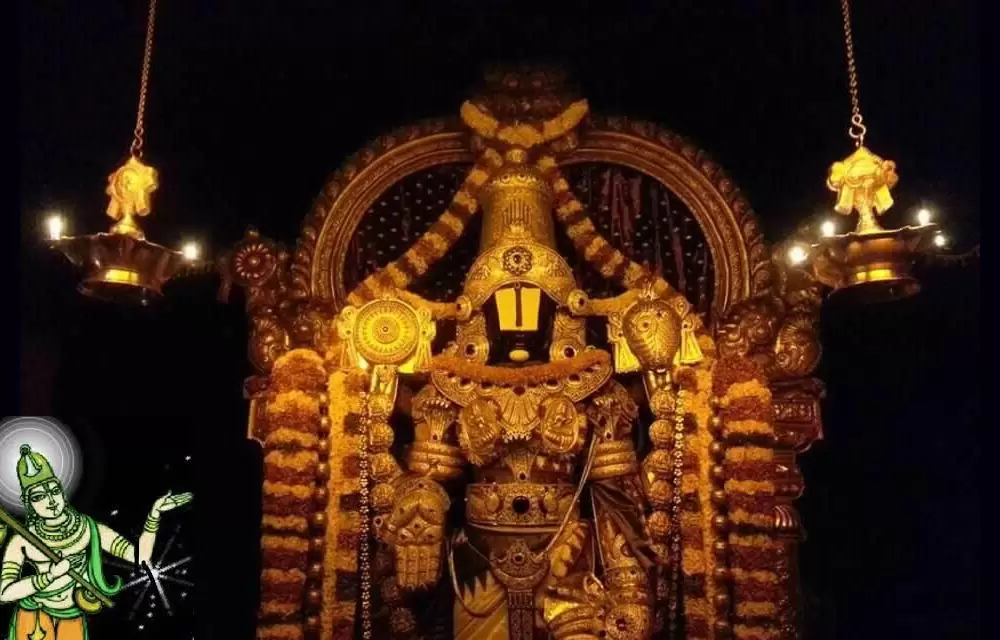
Tallapaka Annamacharya (1408–1503), also called Annamayya, was a Telugu poet, composer and devotee of Lord Venkateswara of Tirumala. Tradition says he composed some 32,000 sankeertanas (devotional songs); about 13,000 survive on copper plates kept at the Tirumala temple. He is honoured as Pada Kavita Pitamaha, the grandfather of the pada song form that later Carnatic composers took up.
| Key facts | |
|---|---|
| Born | 1408, Tallapaka village, Kadapa region, Andhra Pradesh (Vaishakha month, by the Telugu calendar) |
| Died | 1503 |
| Tradition | Sri Vaishnava; initiated, according to tradition, by Satakopa Yati of the Ahobila Matha |
| Devoted to | Lord Venkateswara of Tirumala |
| Language | Telugu, with some works in Sanskrit |
| Known for | Sankeertanas; the title Pada Kavita Pitamaha |
| Works | Sankeertanas (adhyatma and sringara); Venkatachala Mahatmyam; Sringara Manjari; Sankirtana Lakshanam (now lost) |
Who was Annamacharya?
Annamacharya was born in 1408 in Tallapaka, a village in the Kadapa region of present-day Andhra Pradesh. The Telugu calendar places his birth in the month of Vaishakha under the Vishakha nakshatra. As a young man he made his way to Tirumala, and the family biography and later tradition tell of a vision of Lord Venkateswara at about the age of sixteen. He was initiated into the Sri Vaishnava tradition; tradition names his guru as Satakopa Yati of the Ahobila Matha.
From then on his life centred on the Lord of the Seven Hills. Tradition says he composed at least one song a day for Venkateswara for most of his life.
His sankeertanas
A sankeertana is a short song with a refrain (pallavi) and verses (charanams), written to be sung. Annamacharya's songs fall into two broad groups:
- Adhyatma sankeertanas, on devotion, the nature of God and the soul, and right living. Well-known examples include "Brahmamokkate", which says that the one Brahman is the same in all beings, and "Kondalalo Nelakonna Koneti Rayadu", in praise of the Lord who dwells among the hills.
- Sringara sankeertanas, which describe the love between Venkateswara and his consort Alamelumanga. In this tradition, the love of the divine couple stands for the soul's longing for God.
Most of his songs are in simple Telugu that ordinary listeners could follow, which helped them spread far beyond the temple.
The copper plates at Tirumala
After his death, his son Peda Tirumalacharya and grandson Chinna Tirumalacharya had his songs engraved on copper plates. The plates were stored in a stone cell at the Tirumala temple, later called the Sankeertana Bhandaram, and were largely forgotten for centuries. They were found again in 1922. Scholars working with the Tirumala Tirupati Devasthanams (TTD) then edited and published the songs, and musicians began setting them to music in the decades after 1949.
About 13,000 of his songs survive this way. The figure of 32,000 comes from tradition, so the surviving corpus is less than half of what he is said to have written.
Other works and his family
Besides the songs, Annamacharya wrote the Venkatachala Mahatmyam in Sanskrit and the Sringara Manjari in Telugu. His treatise on the sankeertana form, the Sankirtana Lakshanam, is lost, though a Telugu version by his grandson survives. His wife, Tallapaka Timmakka, is remembered as the author of Subhadra Kalyanamu, often described as the first work by a woman poet in Telugu. His son and grandson were poets and composers too.
Royal patronage
According to tradition, the ruler Saluva Narasimha Raya honoured Annamacharya at his court. A well-known story says the king later asked him to compose songs in praise of the king himself, and that Annamacharya refused, saying his songs were for Venkateswara alone. The story is part of the tradition about him rather than a recorded historical event.
How Annamacharya is remembered today
The TTD runs an Annamacharya project that publishes, records and teaches his songs, and marks his jayanti (birth anniversary) and vardhanti (death anniversary) each year. Both follow the Telugu calendar, so the Gregorian dates change from year to year. His songs are sung in Carnatic concerts, at Tirumala and in homes, and the 1997 Telugu film Annamayya brought his life story to a wide audience.
Frequently asked questions
When and where was Annamacharya born?
In 1408, in the village of Tallapaka in the Kadapa region of Andhra Pradesh.
How many songs did Annamacharya compose?
Tradition credits him with about 32,000 sankeertanas. About 13,000 survive on copper plates kept at the Tirumala temple.
Why is Annamacharya called Pada Kavita Pitamaha?
The title means "grandfather of pada poetry". He shaped the short song with a pallavi and charanams that later Carnatic composers used.
Where were Annamacharya's songs found?
In a stone cell at the Tirumala temple, later called the Sankeertana Bhandaram, where copper plates engraved by his son and grandson were found in 1922.
Who was Annamacharya's wife?
Tallapaka Timmakka, remembered as the author of Subhadra Kalyanamu.
When is Annamacharya Jayanti?
It follows the Telugu calendar (month of Vaishakha), so the Gregorian date changes each year. The TTD announces the dates of its celebrations.
Sources
- Annamayya.org, "About Annamayya", checked 12 November 2026.
- Sai Priya Chodavarapu, "The Legacy of Tallapaka Annamacarya", Brhat (Dhiti), 6 July 2025.
- Tirumala Tirupati Devasthanams, Annamacharya Project publications.
Last reviewed: 12 November 2026.
Related: Annamacharya sankeertanas: the literary treasure of Tirumala · Bhakta Ramadasu · Yogi Vemana · Kanaka Dasa · Andal
Share this with family and friends
Send it on WhatsApp, post it, or copy the link.
More from Famous Hindus
- Famous Hindus Born in March: Birthdays by Date
- Famous Hindus Born in April: Birthdays by Date
- Famous Hindus Born in May: Birthdays by Date
- Famous Hindus Born in July: Birthdays by Date
- Famous Hindus Born in August: Birthdays by Date