Virtual Diwali 2025: How Technology is Connecting Hindus Worldwide
The gentle glow of diyas has transcended physical boundaries this Diwali, as millions of Hindus across the globe embrace technology to celebrate the Festival…
The gentle glow of diyas has transcended physical boundaries this Diwali, as millions of Hindus across the globe embrace technology to celebrate the Festival…
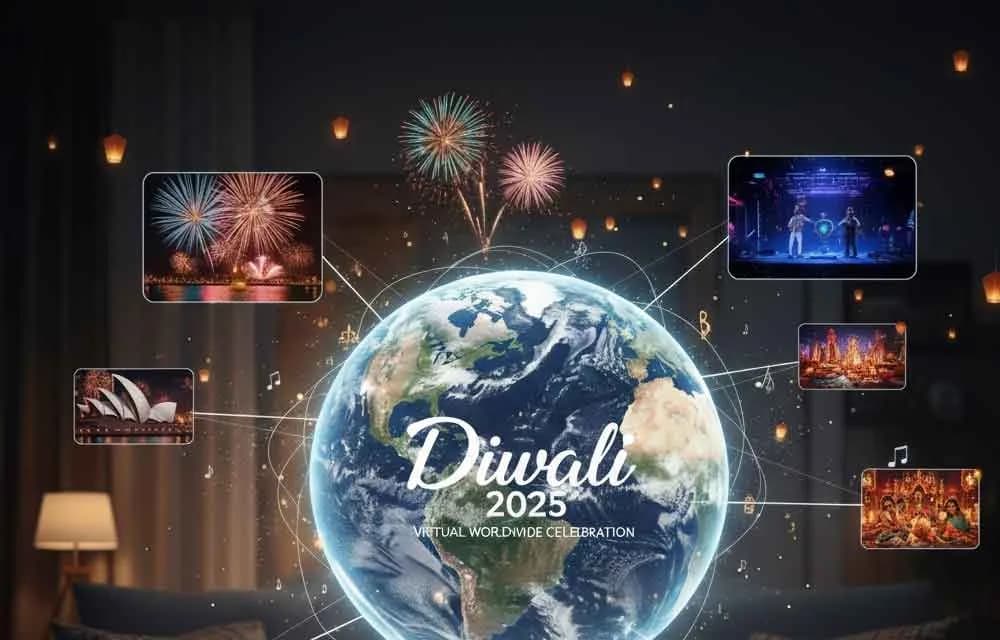
The gentle glow of diyas has transcended physical boundaries this Diwali, as millions of Hindus across the globe embrace technology to celebrate the Festival of Lights in ways their ancestors could never have imagined. From virtual puja ceremonies to augmented reality rangoli designs, Diwali 2025 marks a revolutionary blend of ancient traditions and cutting-edge innovation.
The Digital Transformation of Diwali
As diaspora communities grow larger and families spread across continents, technology has emerged as the bridge connecting Hindus worldwide during this sacred festival. What began as simple video calls during the pandemic has evolved into immersive, interactive celebrations that preserve the essence of Diwali while adapting to our increasingly connected world.
The Rise of Virtual Temple Services
Major temples across India and abroad now offer live-streamed Lakshmi puja ceremonies, allowing devotees from New York to Sydney to participate in real-time rituals. The ISKCON temple network has pioneered synchronized global aarti sessions, where thousands join together virtually, their screens illuminating with the same sacred flames at the exact moment across time zones.
"We've seen a 300% increase in virtual participation since 2023," shares Pandit Rajesh Sharma from Mumbai's Siddhivinayak Temple. "Families in different countries can now worship together, breaking down geographical barriers while maintaining spiritual unity."
Innovative Ways Hindus Celebrate Online Diwali
Virtual Rangoli Competitions and AR Experiences
Social media platforms have exploded with virtual rangoli competitions, where participants use augmented reality apps to create stunning digital designs that overlay their physical spaces. Apps like "Rangoli AR" and "Digital Diwali Decor" allow users to project intricate patterns onto their floors and walls, experimenting with countless designs before committing to traditional colored powders.
Young artists are pushing creative boundaries, sharing time-lapse videos of their digital creations that incorporate animations—lotus flowers blooming, diyas flickering to life, and peacocks spreading their feathers—all synchronized to devotional music.
E-Puja and Remote Blessings
Technology platforms now facilitate complete virtual puja services. Websites and apps connect families with priests who perform personalized ceremonies while streaming live. Devotees can request specific rituals, participate through interactive features like virtual coin offerings, and receive prasad delivered to their homes through partner services.
The "Puja Connect" platform reports serving over 2 million families globally this Diwali, with features allowing multiple family members to co-host virtual ceremonies from different locations, their faces appearing together on screen as they recite mantras in unison.
Virtual Diwali Events Bringing Communities Together
Global Diwali Melas and Cultural Programs
Virtual Diwali melas have transformed into sophisticated online experiences. The "World Diwali Festival 2025" hosted a 48-hour continuous celebration featuring:
- Live performances by renowned classical dancers and musicians
- Virtual marketplace showcasing artisans from across India
- Interactive cooking workshops teaching traditional Diwali recipes
- Children's programs with animated storytelling of Ramayana
- Virtual fireworks displays designed by digital artists
These events draw hundreds of thousands of participants, creating a sense of global Hindu community stronger than ever before.
Corporate and Educational Virtual Celebrations
Universities and multinational corporations have embraced virtual Diwali celebrations, helping Hindu employees and students maintain cultural connections. Harvard, Oxford, and other institutions host elaborate online events with guest speakers, virtual tours of Indian temples, and discussions on Diwali's philosophical significance.
Tech giants like Google, Microsoft, and Meta have created immersive VR experiences where employees can explore virtual Ayodhya, witness Ram's homecoming in 3D environments, or participate in group meditation sessions in digital recreations of sacred spaces.
The Technology Behind Digital Diwali 2025
Metaverse Celebrations
The metaverse has opened entirely new dimensions for Diwali celebrations. Platforms like "Bharatverse" offer virtual Indian cities where avatars gather to celebrate together. Users can:
- Dress their avatars in digital ethnic wear from leading designers
- Visit virtual temples with architectural accuracy to real monuments
- Light digital diyas that contribute to massive collective displays
- Exchange virtual gifts and sweets with friends worldwide
- Attend concerts by popular artists in virtual amphitheaters
AI-Powered Personalization
Artificial intelligence has made virtual Diwali deeply personal. AI assistants help families:
- Generate customized digital greeting cards with family photos and personalized messages
- Create automated photo compilations from past Diwali celebrations
- Suggest recipes based on dietary preferences and regional traditions
- Coordinate celebration times across multiple time zones
- Translate religious texts and explanations for younger generations
Blockchain and NFT Integration
An unexpected trend has emerged with Diwali-themed NFTs and blockchain-based charitable giving. Digital artists create limited-edition Diwali artwork as NFTs, with proceeds supporting traditional artisans. Some temples have even issued blockchain-verified digital prasad certificates, creating new ways to document spiritual participation.
Preserving Tradition in Digital Spaces
While technology enables these innovations, the Hindu community remains thoughtful about preserving authentic traditions. Religious scholars and tech developers collaborate to ensure digital experiences honor the festival's sacred essence.
Balancing Innovation with Reverence
"Technology should enhance, not replace, the spiritual core of Diwali," explains Dr. Meera Patel, a cultural anthropologist studying digital Hindu practices. "The most successful virtual celebrations maintain ritual integrity while leveraging technology for accessibility and connection."
Many families adopt hybrid approaches—performing traditional rituals at home while connecting virtually with distant relatives to share the experience. The physical lighting of diyas, preparation of sweets, and wearing of new clothes remain central, with technology serving as the thread weaving separated families together.
Teaching Younger Generations
Virtual platforms have proven surprisingly effective for cultural transmission. Interactive apps teach children about Diwali's significance through gamification—solving puzzles based on Ramayana stories, learning to draw rangoli patterns, or practicing Sanskrit prayers with pronunciation guides.
Educational YouTube channels and streaming services offer age-appropriate content explaining why we celebrate Diwali, the symbolism of each ritual, and the diversity of celebrations across different Indian regions. This digital content often reaches young Hindus more effectively than traditional teaching methods.
Challenges and Considerations
Digital Divide Concerns
Not all Hindus have equal access to these technological celebrations. Rural communities in India and elderly members of diaspora populations may lack the devices, internet connectivity, or digital literacy to participate fully. Organizations are working to address this gap through:
- Community centers offering free access to virtual events
- Simplified apps designed for basic smartphones
- Volunteer programs teaching elderly Hindus to use video calling
- Subsidized data packages during festival periods
Authenticity and Commercialization
Critics worry about over-commercialization and the potential dilution of Diwali's spiritual significance. The proliferation of sponsored virtual events, in-app purchases for digital decorations, and algorithm-driven content raises questions about maintaining the festival's sacred character in digital spaces.
Religious leaders emphasize returning to Diwali's core message—the victory of light over darkness, knowledge over ignorance—regardless of whether celebrations occur physically or virtually.
Environmental Benefits of Virtual Celebrations
An unexpected advantage of digital Diwali elements has been environmental. While not replacing all physical celebrations, virtual components reduce:
- Air travel emissions as families can "gather" online
- Physical waste from decorations and packaging
- Pollution from excessive fireworks (though virtual fireworks displays satisfy the visual spectacle)
- Energy consumption through coordinated, efficient celebrations
Many young Hindus appreciate this alignment between technological innovation and environmental consciousness, viewing it as compatible with Dharmic principles of respecting nature.
Looking Ahead: The Future of Virtual Diwali
As technology continues evolving, future Diwali celebrations promise even more immersive experiences. Developers are exploring:
- Holographic Presence: Technology allowing family members to appear as life-sized holograms in each other's homes
- Sensory Integration: Devices that could share scents of incense and sweets across distances
- Haptic Feedback: Wearables letting users "feel" the warmth of diyas or texture of rangoli through touch simulation
- Neural Interfaces: Far-future possibilities of directly sharing emotional and spiritual experiences
However, technologists and spiritual leaders agree that these innovations should complement, not replace, the tangible, sensory-rich experience of traditional Diwali celebrations.
Conclusion: Unity in Diversity, Connection Through Innovation
Virtual Diwali 2025 represents more than technological novelty—it embodies the adaptability and resilience of Hindu culture. As families navigate the complexities of modern life with members scattered across continents, technology offers unprecedented ways to maintain cultural bonds and spiritual connections.
The screens that glow alongside traditional diyas this Diwali don't diminish the festival's sanctity; they extend its light further than ever before. From a grandmother in a Gujarat village video-calling her grandchildren in California to watch them perform puja, to young professionals in Singapore joining a virtual garba with friends worldwide, technology enables the global Hindu community to celebrate together while honoring timeless traditions.
This Diwali, as millions of digital diyas illuminate screens across the world, they carry forward an ancient message in a modern medium: that light, in all its forms—physical and digital—has the power to dispel darkness, bridge distances, and unite hearts in celebration of eternal truths.
Happy Virtual Diwali to Hindus everywhere—may your celebrations, whether physical, digital, or beautifully blended, bring light, prosperity, and joy to your homes and hearts.
Have you participated in virtual Diwali celebrations? Share your experiences and how technology has helped you connect with your culture and community during the Festival of Lights.
Frequently Asked Questions
When is Virtual Diwali?
Virtual Diwali is observed on its traditional tithi in the Hindu lunar calendar; refer to the year's panchang for the exact date in your region.
What is the significance of Virtual Diwali?
The gentle glow of diyas has transcended physical boundaries this Diwali , as millions of Hindus across the globe embrace technology to celebrate the Festival of Lights in ways their ancestors could never have imagined. From virtual puja ceremonies to augmented reality rangoli designs, Diwali 2025 marks a revolutionary blend of ancient traditions and cutting
How is Virtual Diwali celebrated?
Devotees observe it with puja, fasting or special offerings, visiting temples, chanting mantras, and gathering with family. Customs vary by region and tradition.
What should devotees do on Virtual Diwali?
Take a sacred bath, perform the day's puja and charity (dana), observe any prescribed fast, and chant mantras with sincere devotion.
You might also like
Shani Deva Temples Worldwide & Must-Performed Rituals — Complete Devotee's Guide
Hindu Festival Calendar 2026 — Complete Guide for NRIs (Dates, Tithis, Puja)
June 2026 Hindu Festival Calendar — Complete Dates, Vrat & Puja Guide for NRIs